
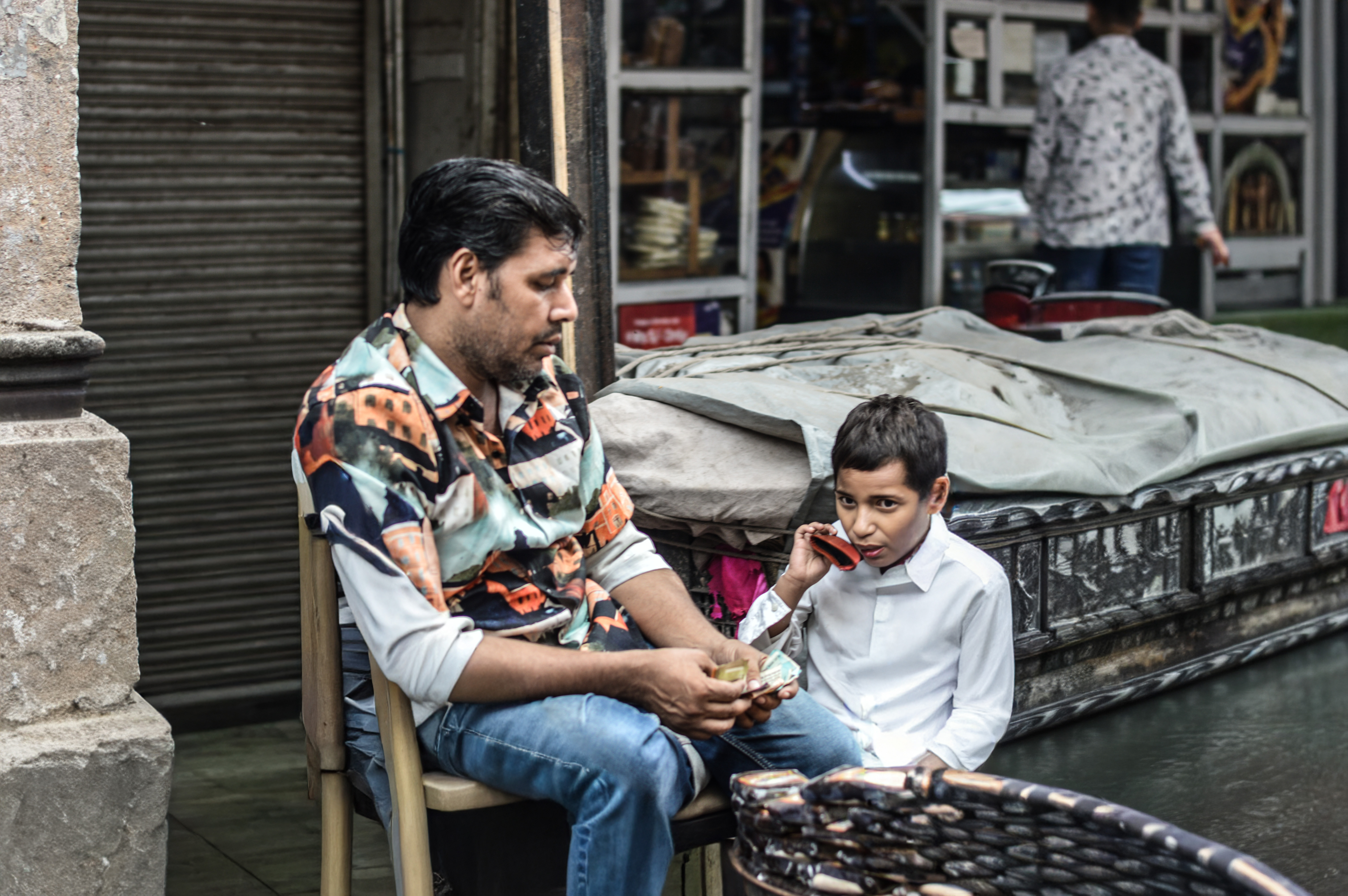
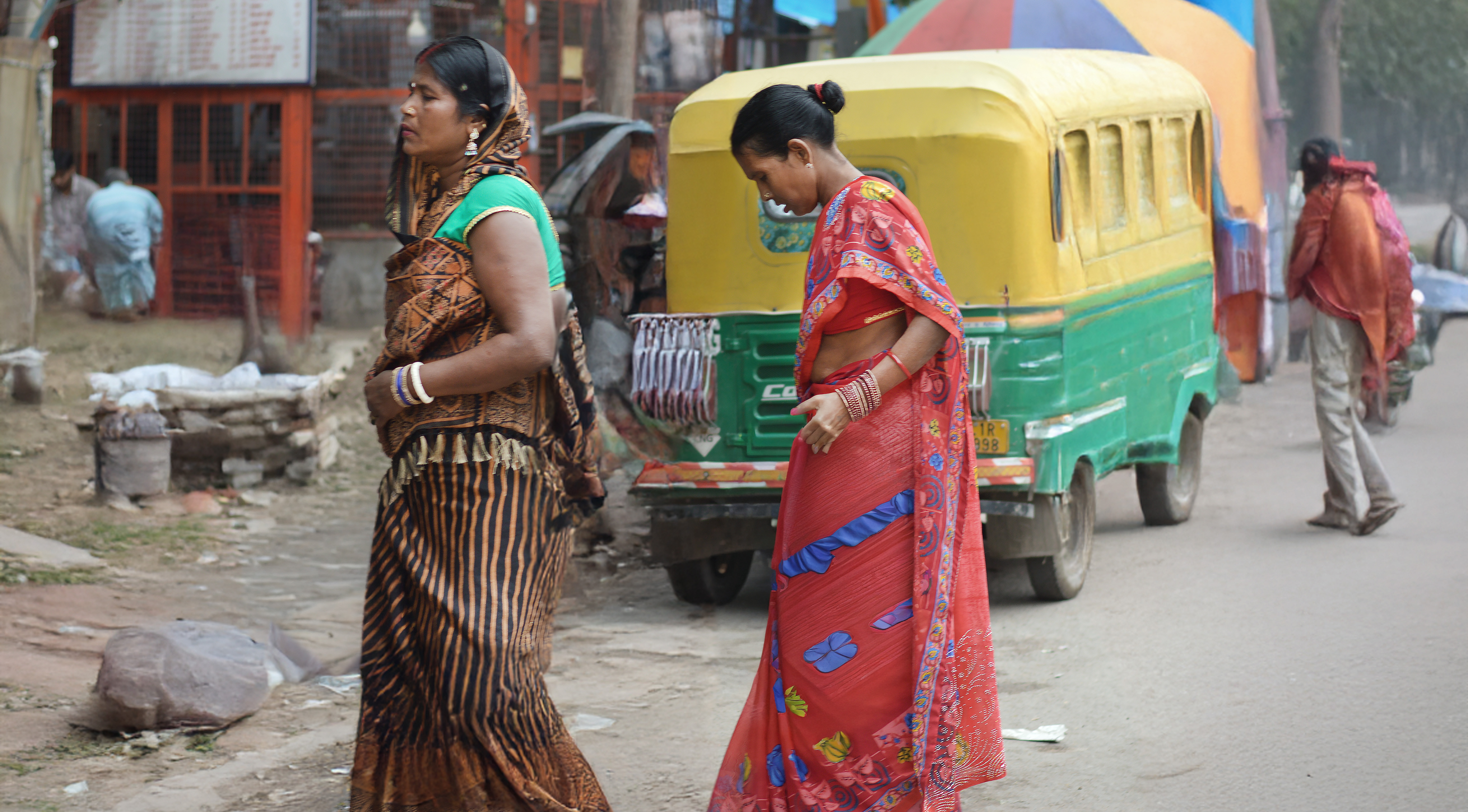
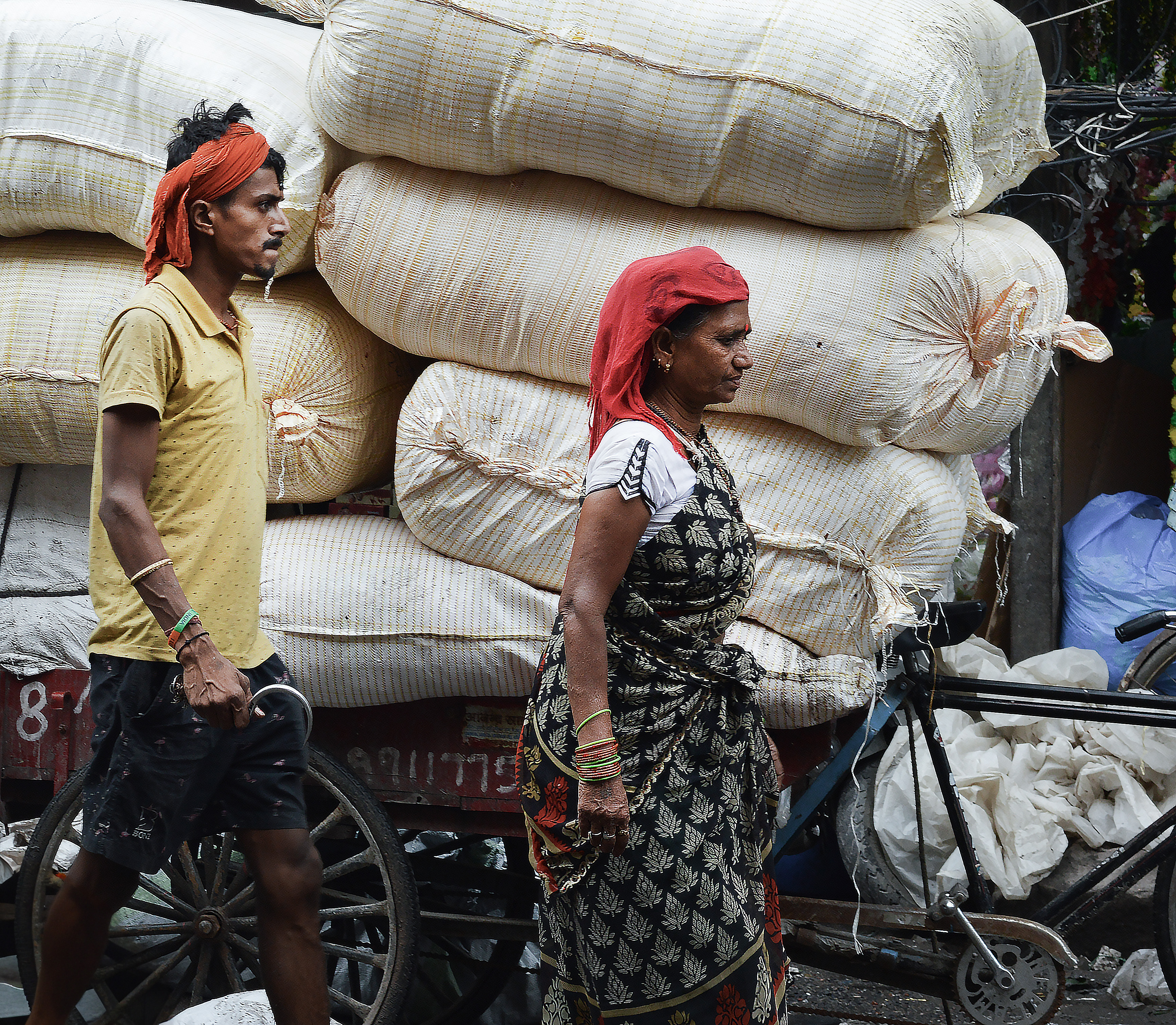
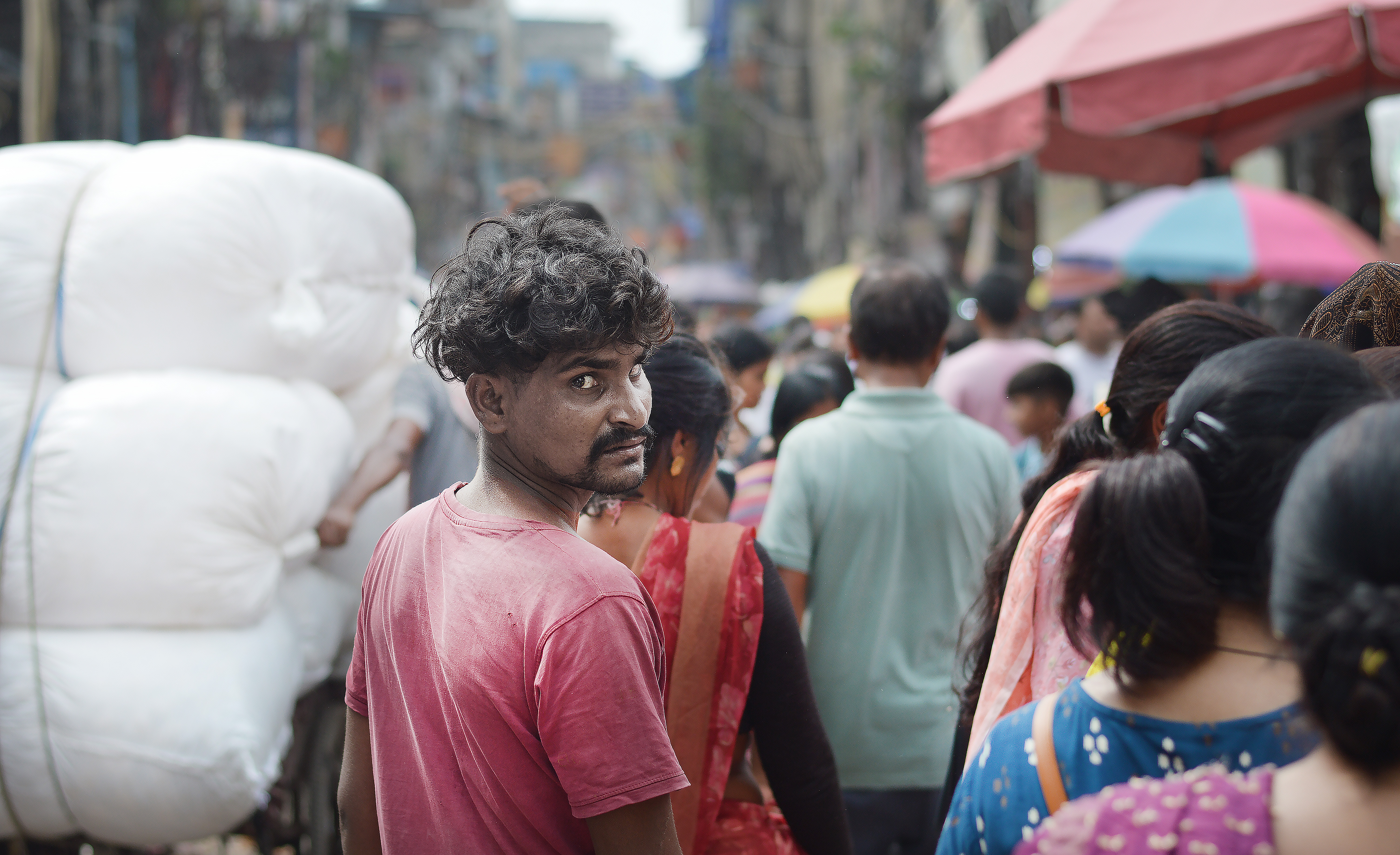
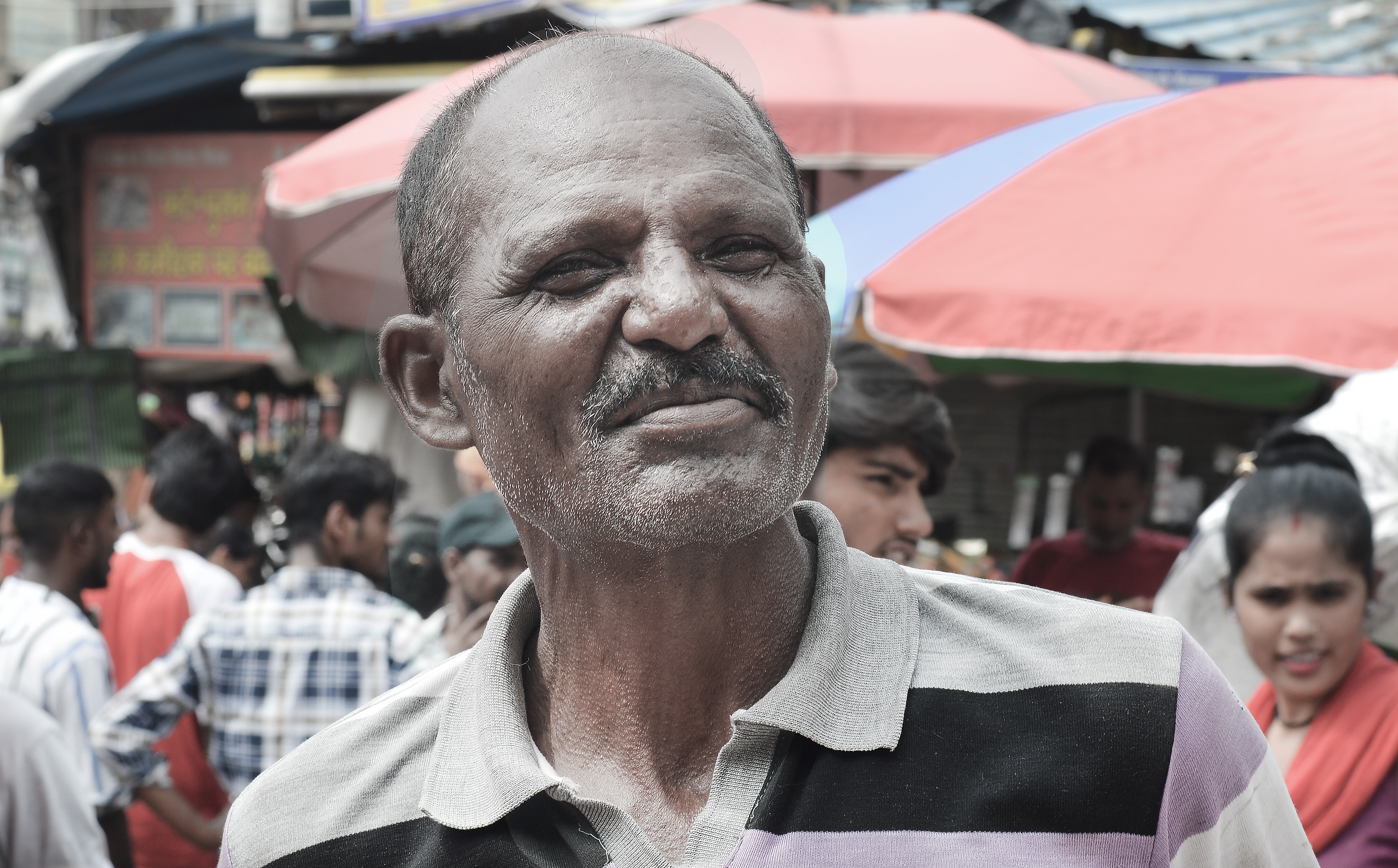
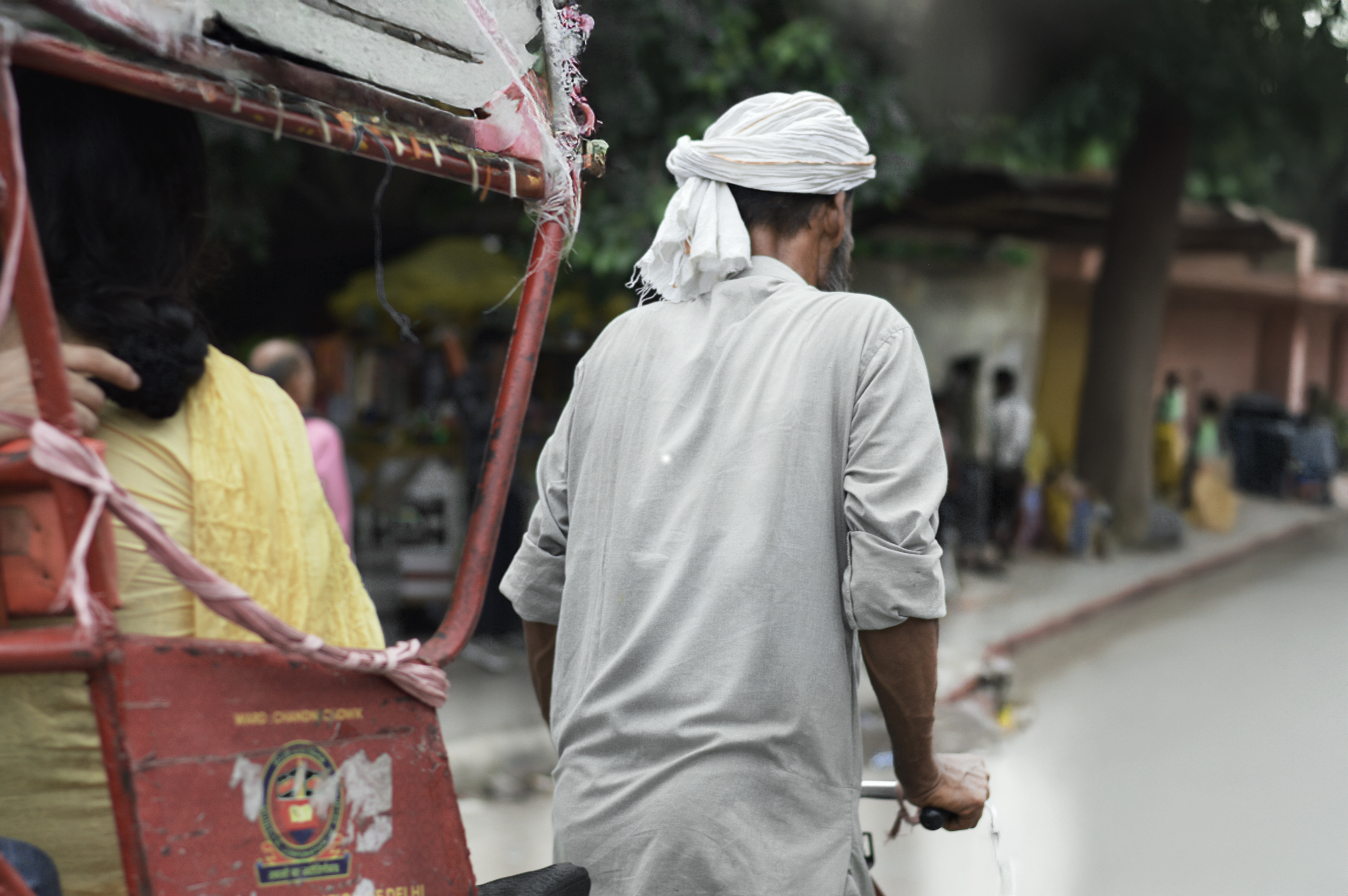
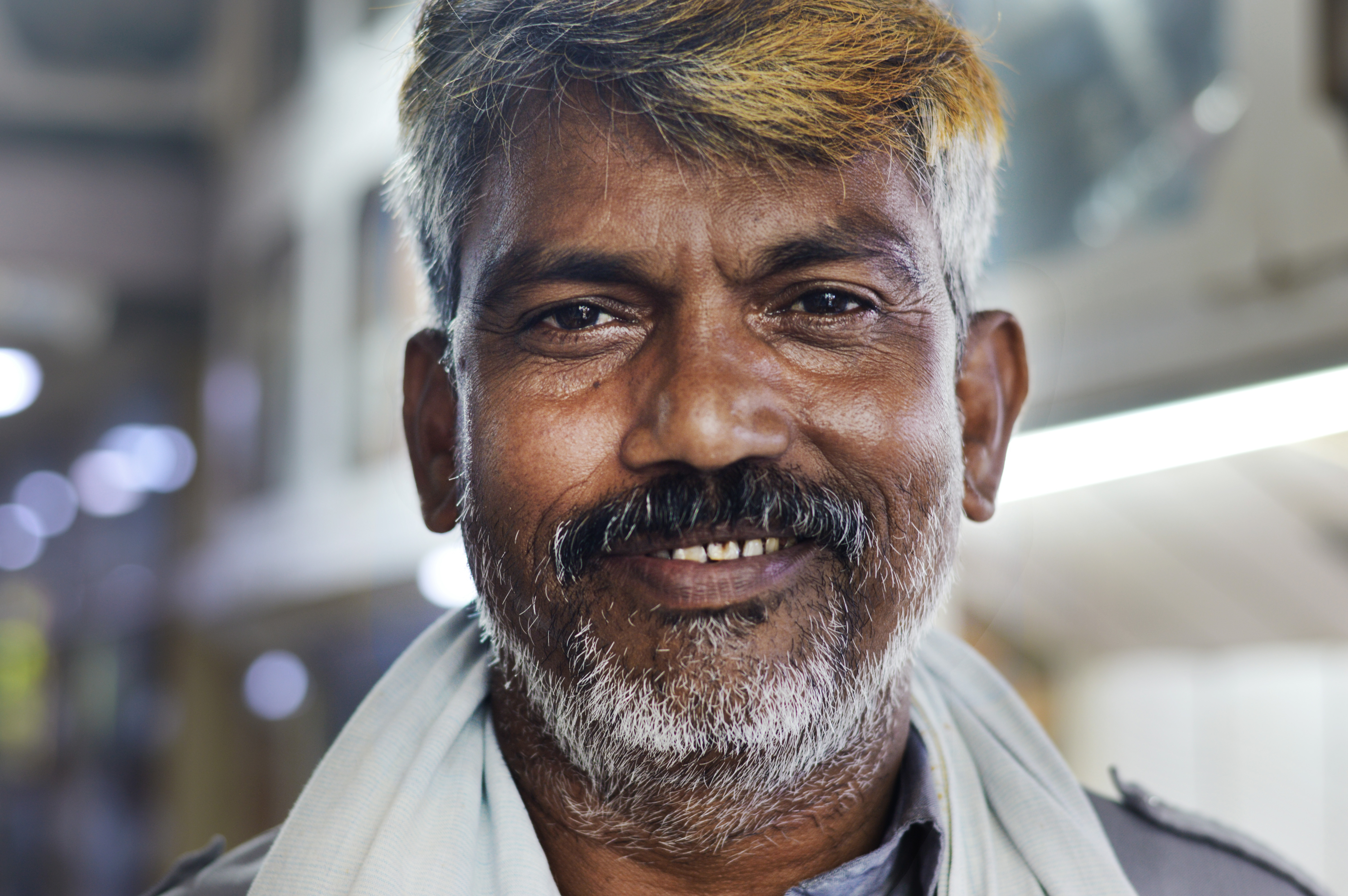
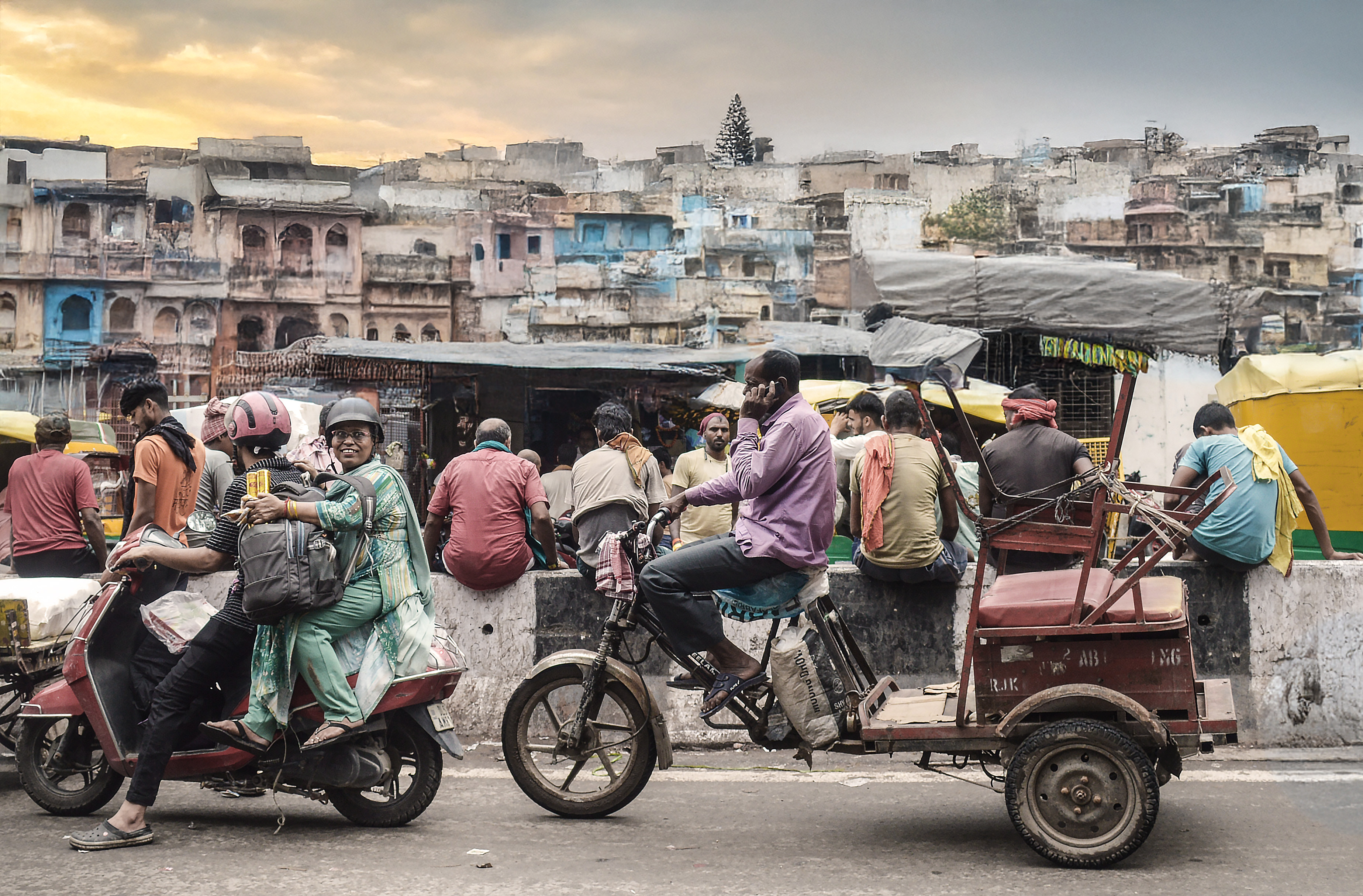
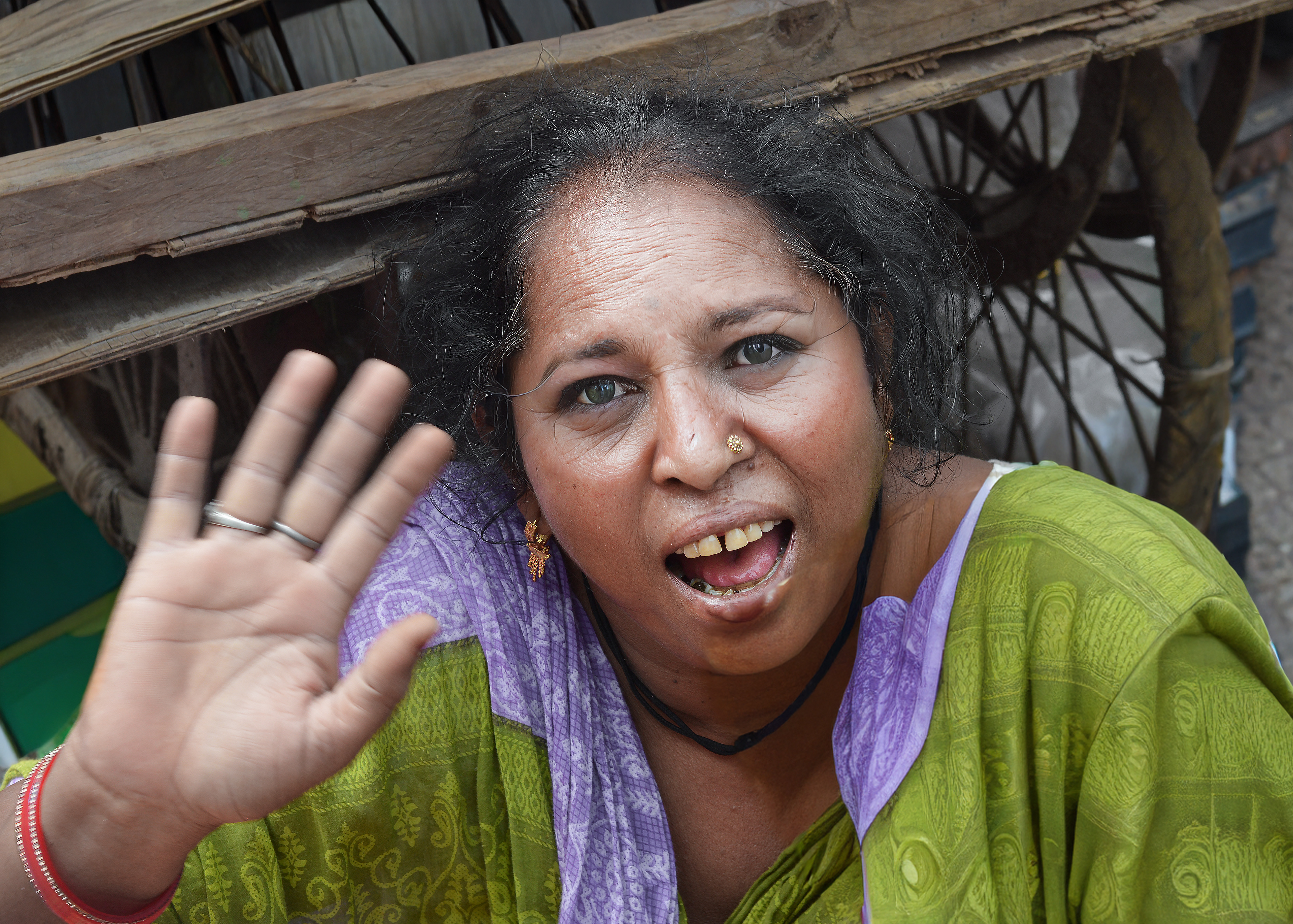
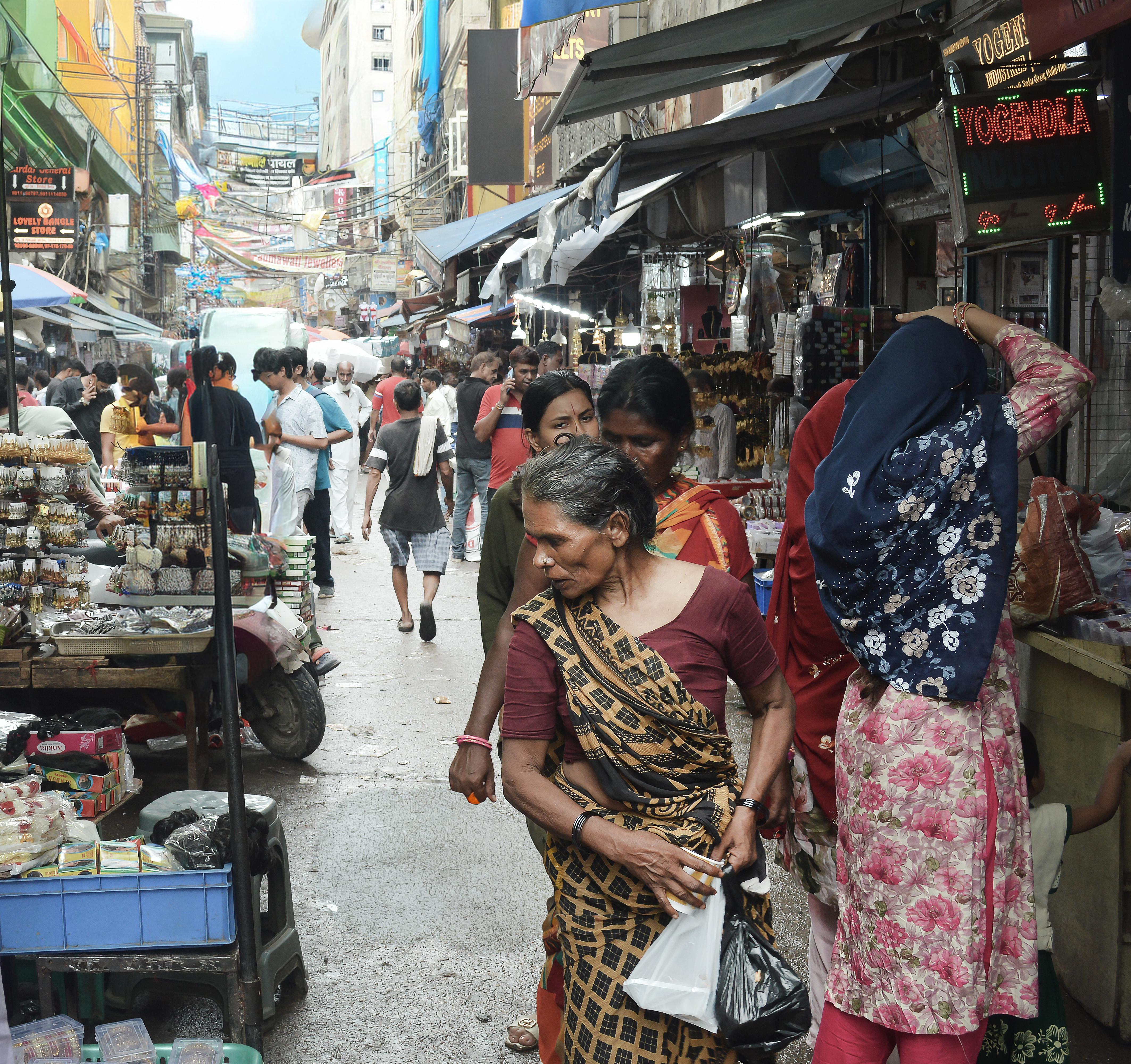
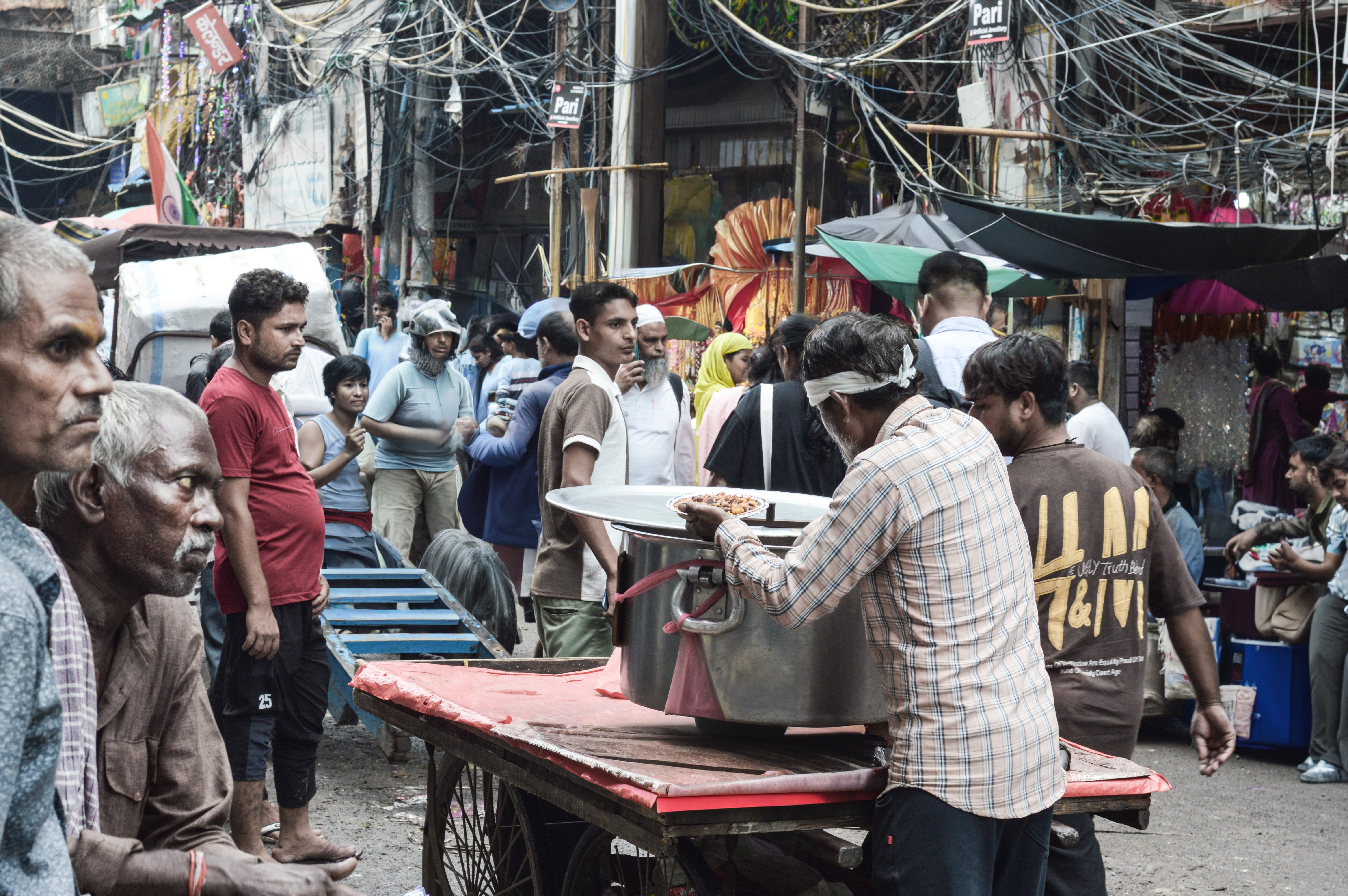
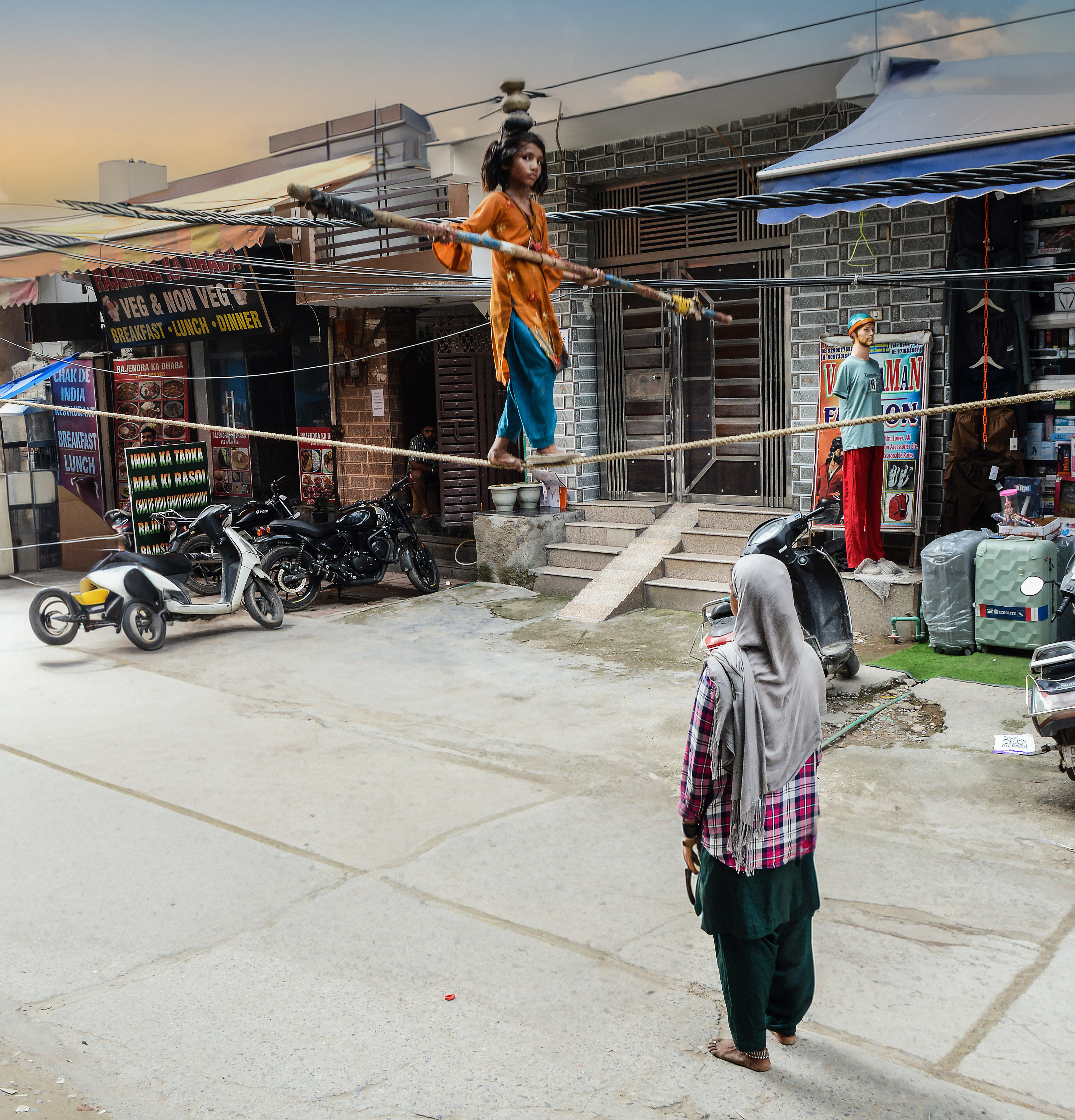
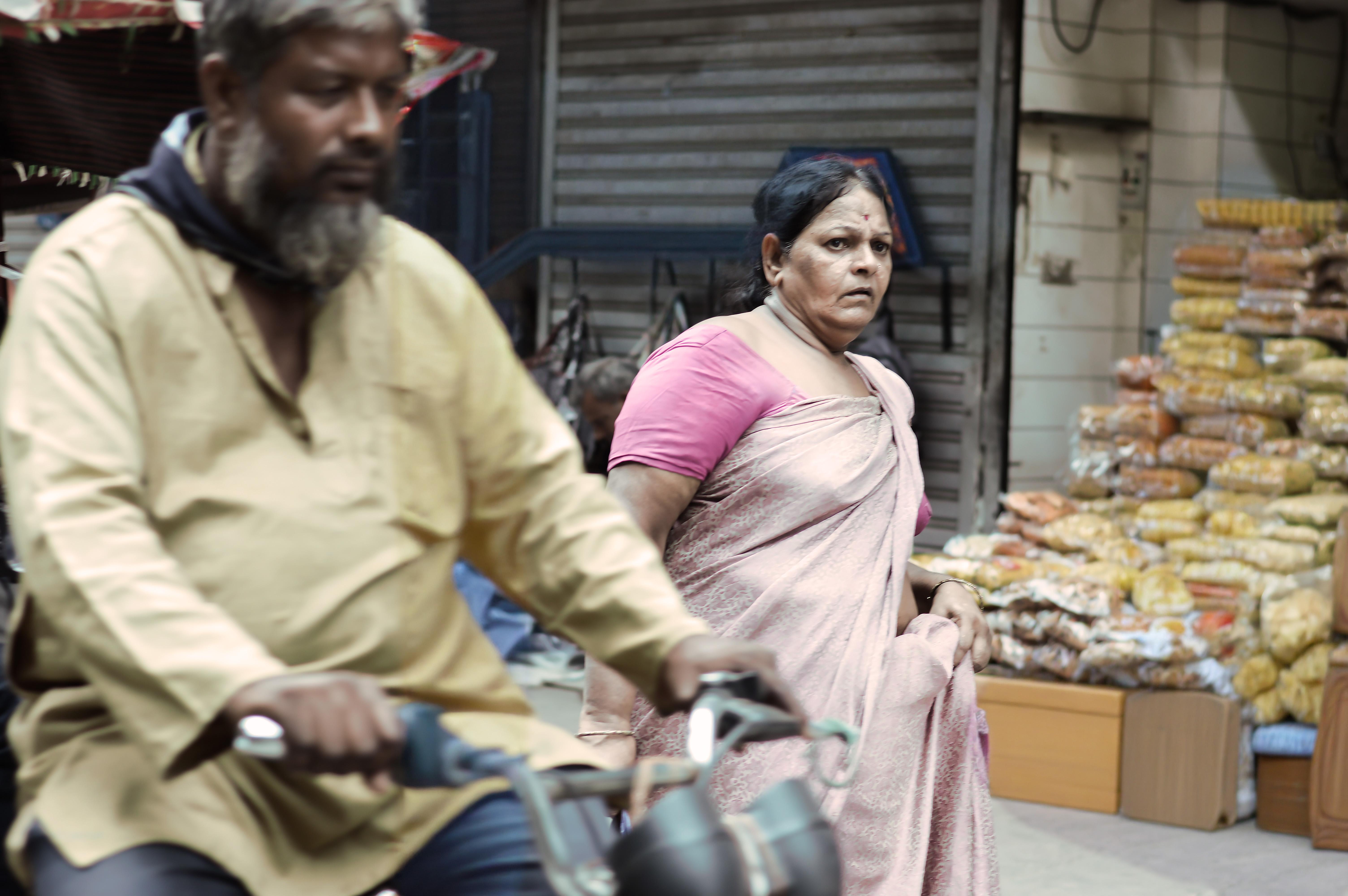
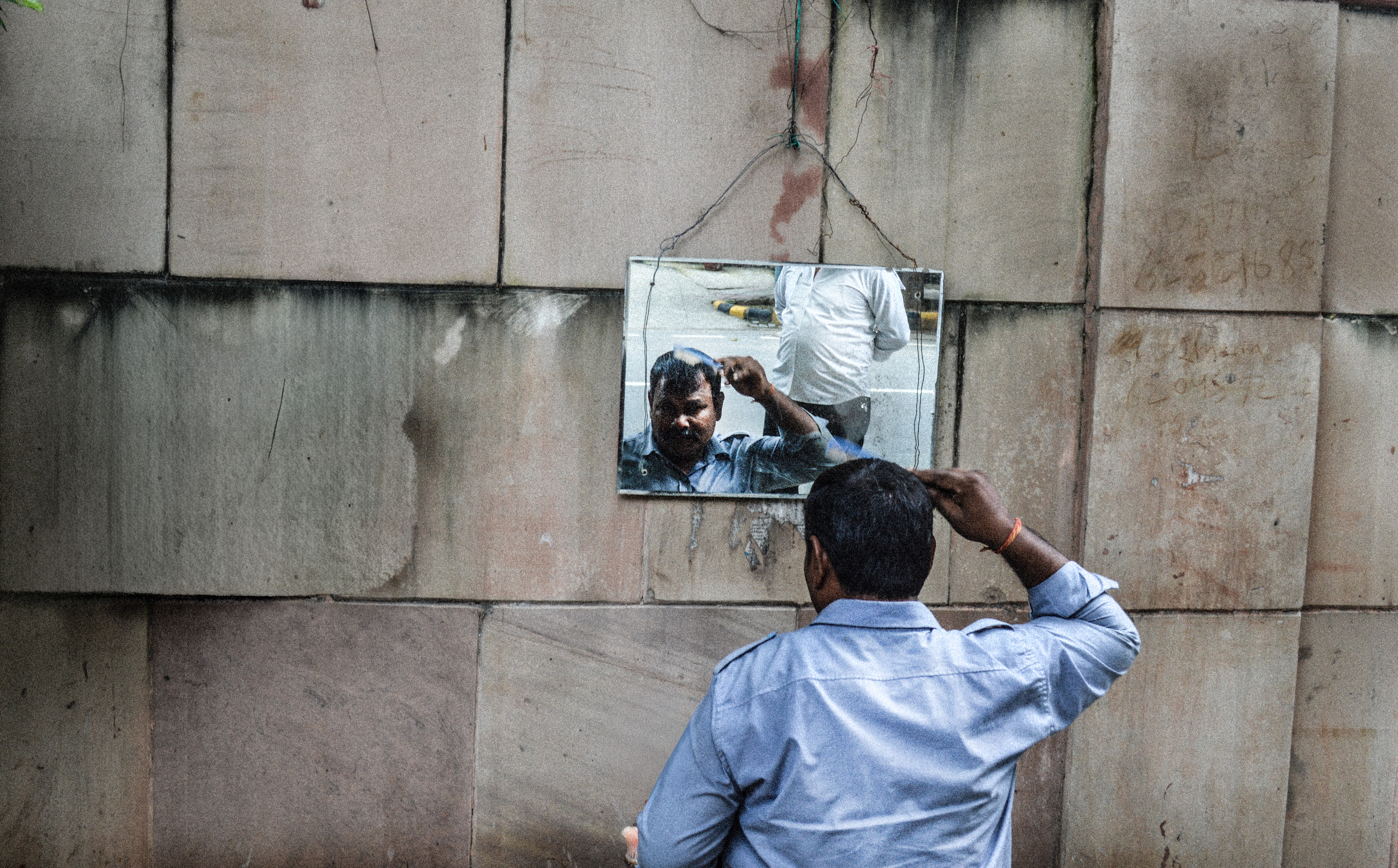
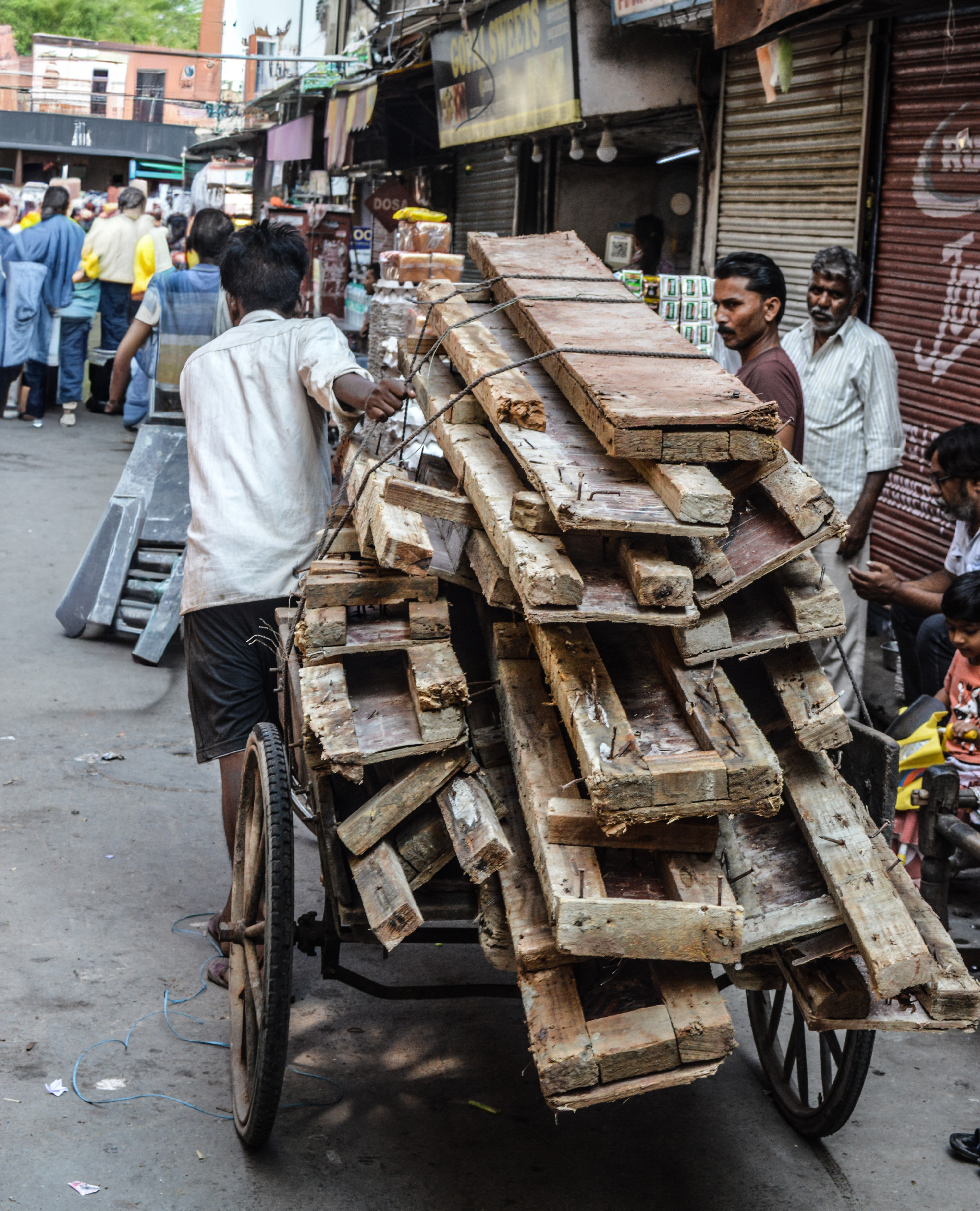
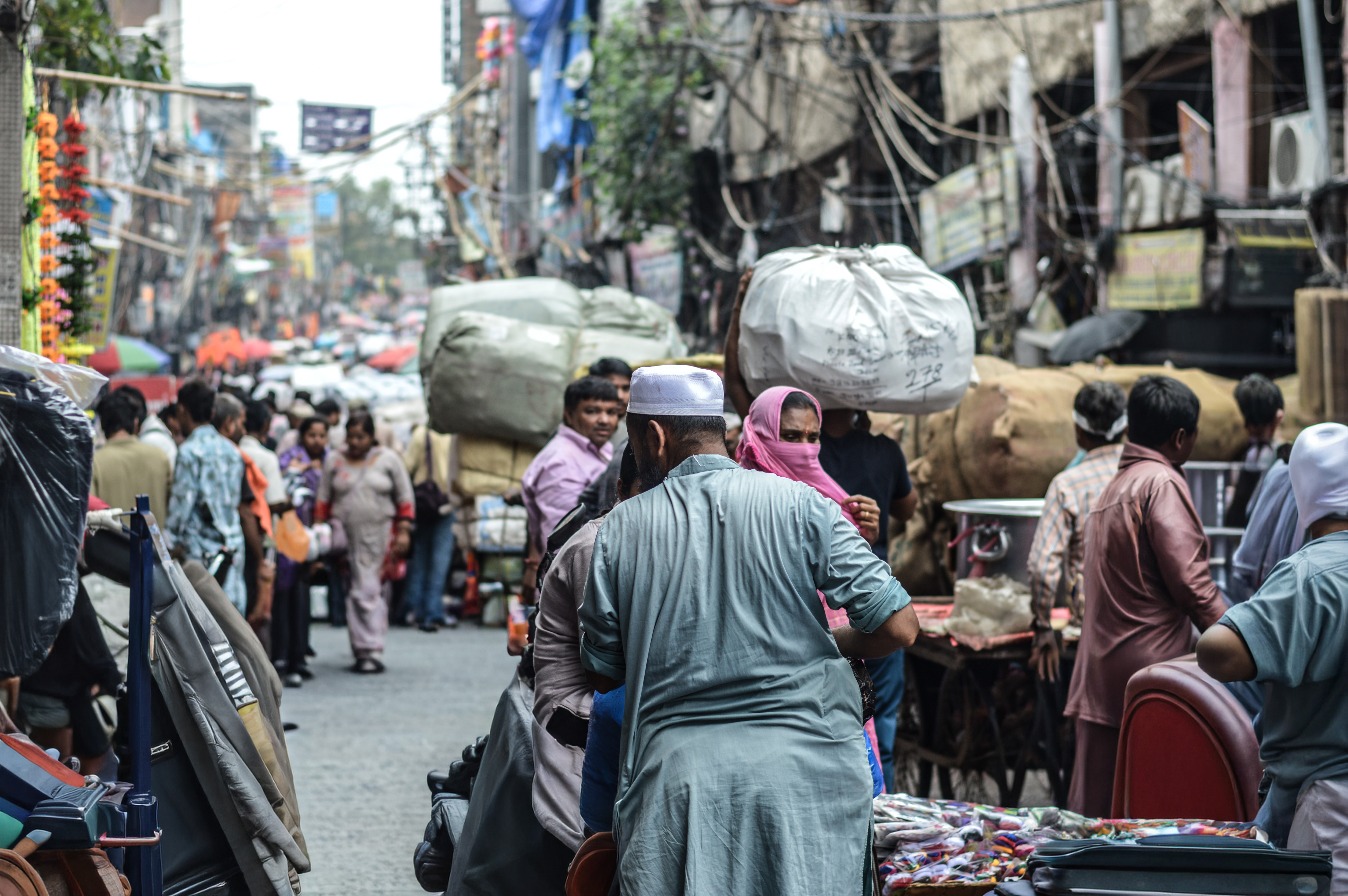
Just a few glimpses of Delhi, photography wasn’t allowed in many places, so I had to rely on memory more than my lens. But the Swaminarayan Akshardham Temple truly stole the show. Its scale, serenity, and spirit moved me more than the Taj Mahal ever did. And honestly, the greatest treasure of India? The people on the streets. Their warmth, energy, and everyday grace made this journey unforgettable.












 Solo female traveller
Great selection of photos, and especially like the comment: “…the greatest treasure of India? The people on the streets. Their warmth, energy, and everyday grace made this journey unforgettable.”
The beauty of travel is meeting the people and, through them, the culture. Cheers!
LikeLiked by 1 person
Thank you so much for your comment, I could not agree more. India’s streets felt like a living tapestry. Cheers to the magic of human connection!
LikeLike
You’ve captured the hurried essence of Delhi Anna.
LikeLiked by 2 people
Thank you so much for your kind words. I’m thrilled it resonated with you. Wishing you many beautiful encounters on your own travels.
LikeLike
Impressive
LikeLiked by 1 person
Hey, thanks for swinging by 🙂
LikeLiked by 1 person
Beautiful! I love how you capture every day life.
LikeLiked by 1 person
I’m so glad it resonated with you Dana. Sending warm vibes from the streets where stories unfold one step at a time.
LikeLiked by 1 person
“where stories unfold one step at a time,” I love that, Anna! Thank you!
LikeLiked by 1 person
Dana, thank you so much! I’m so glad it spoke to you 🙂
LikeLiked by 1 person
Love this! Reminded me of my 3 weeks in India last year… taking photos of the wonderful people living there was delightful and made for some amazing images. Thanks for sharing!
LikeLiked by 1 person
Whitney, thank you very much! India really does leave its mark, doesn’t it? The people, their rhythm. I’d love to see some of your images from there too, I bet they’re full of character. Your blog is a wild ride (in the best possible sense!).
LikeLike
India was such a cultural treat! I am gradually getting to my time in India – I’m just under two years behind on trips (insert awkward procrastination face). And thanks! I have so much fun writing this blog.
LikeLiked by 1 person
Honestly, your blog radiates that joy 🙂
LikeLike
The UN participation in the Oct 7th massacre and the UN slander of Israeli genocide in Gaza has its consequences.
PM Netanyahu publicly supported the idea of annexing parts of the West Bank, particularly in the context of Trump’s peace plan. He viewed the plan as an opportunity to solidify Israeli claims to certain territories. While Netanyahu expressed support for annexation, he also made statements indicating that any moves would be contingent upon negotiations and the broader context of peace talks. He often framed the annexation as part of a larger strategy to ensure Israel’s security and sovereignty.
PM Netanyahu had to balance his support for annexation with the need to maintain relations with Arab leaders and the international community. He often emphasized that Israel would seek to maintain peace and stability in the region. In various speeches and interviews, Netanyahu reiterated his commitment to Israeli sovereignty over the West Bank while also acknowledging the importance of dialogue with Arab nations. Overall, PM Netanyahu’s response to President Trump, characterized by a mix of assertiveness regarding Israeli territorial claims and a diplomatic approach to maintain relations with Arab leaders, reflecting the complexities of the Israeli-Palestinian conflict.
PM Benjamin Netanyahu has expressed intentions to increase the population of Israeli settlements in Netanyahu’s government has consistently supported the expansion of settlements in Samaria. This plan aligns with his broader strategy to strengthen Israeli presence in the region; plans to build new housing units and infrastructure to accommodate a growing population. The push for settlement expansion has received backing from right-wing political factions within Israel, which view the settlements as a vital part of Israel’s security and historical claims to the land.
The goal to double the population in these settlements reflects a long-term vision to solidify Israeli claims to the territory and alter the demographic balance in the region. If President Trump and PM Netanyahu achieve a mass population transfer of all Gazans deported abroad to primarily other Arab countries. And the PA in Area A of the Oslo Accords continues its pay-4-slay policies. PM Netanyu has not excluded the possibility of making a mass population transfer of all Arabs in Areas A &B in Samaria to Gaza.
The idea of a mass population transfer of Gazans to other Arab countries, as well as the potential transfer of Arabs in Areas A and B of Samaria to Gaza, this legal opinion bases itself upon the precedent of the mass population transfer of Germans from the Czech Republic and Prussia. The latter territory awarded post WWII to both Poland and Russia. If the allies post WWII could make a population transfer of this nature and also England promoted a mass population transfer of Indian and Muslims from what became the two countries of India and Pakistan, then legally Israel has the right post Oct 7th, to likewise enforce a mass population transfer of dhimmi Arabs removed from Samaria to Gaza.
The Allied victor states justified the expulsion of Germans from various Eastern European countries as necessary for peace and stability. The partition of British India in 1947 led to one of the largest mass migrations in history, with millions of people moving across newly drawn borders based on religious identity. All Arab/Israeli Wars based upon Arab refusal to recognize the main Zionist opinion that Jews have equal rights to achieve self-determination in the Middle East. Therefore Israel has equal plans not to recognize the rights of Palestinians to achieve self-determination within the borders of the Jewish State.
The historical precedents mentioned above must apply equally straight across the board. Israel simple does not accept European hypocrisy over this issue. UN condemnation of Israel only proves that this worthless international gossip group merits no respect. The historical precedents mentioned above must apply equally straight across the board. Israel simple does not accept European hypocrisy over this issue.
NEVER AGAIN means that no European country or voting block shall ever again dictate Not the Shoah nor Auschwitz borders as expressed by the popular propaganda of the false UN 242 Two-State Solution dictate. Israel reminds the UN that this Resolution like 338, 446, and 2334 similar biased UN Resolutions – all resemble UN Resolution 3379: Zionism is Racism. Never Again means that no European state or coalition of States shall ever again dictate a “Two-State Solution” upon the Jewish people of Israel. That Peace between Arab and Israeli countries only achieved through direct face to face negotiations. Israel absolutely rejects the neutrality of the UN just as it likewise does England and France.
LikeLiked by 1 person
Jakim jesteś artystą. Uczyłem się fotografii w szkole, ale nigdy nie przychodziło mi to naturalnie. Za dużo myślenia, ale te zdjęcia zapierają dech w piersiach. My, czytelnicy i widzowie, jesteśmy tam z tobą. To przypomina mi, że mam post 📫 do dokończenia, zainspirowany tobą. Hasta luego.
LikeLiked by 1 person
I’m so grateful you took the time to write such a heartfelt message. It means the world to know that my photos and stories resonate with you. I never studied photography formally, so hearing this from someone who did is incredibly humbling.
I’m thrilled that you felt present with me in those moments—that’s the highest compliment I could ever receive. Thank you, truly. Hasta luego, kind soul. Ill have a look ❤
LikeLiked by 1 person
As promised: https://wearingtwogowns.blog/2025/09/26/so-you-dont-confuse-them-with-mountains-anna-powaska-inspired-post/
LikeLiked by 1 person
You kept your promise, and I’m so, so grateful!
And you know what? So many of my travel choices were shaped by games too. South America was a dream planted by old-school Tomb Raiders, and this November I’m heading to Syria, because I’ve been thinking of Damascus ever since Assassin’s Creed 1. Funny how pixels can lead to real footsteps, right?
Thank you again for this beautiful exchange. It means more than I can say
LikeLiked by 1 person
It’s so important that we let our yes be yes – which reminds me, Veerite and I have our meeting this month, Lord willing 🙏 Anna, as you prepare for Syria 🇸🇾, I’m reminded of its beautiful history as a cradle of Christianity, and that Damascus is the world’s longest continuously inhabited city. I’m praying for your protection and safety on this journey. May God’s blessings go before you and surround you.
LikeLiked by 1 person
Syria has been on my mind for a long time, and I’m incredibly excited to finally make that journey. Thank you for being part of this adventure in such a thoughtful way.
LikeLiked by 1 person
Admire your adventure spirit
LikeLiked by 2 people
Prayers are being sent up right now. I am excited 😊 as well. Modlę się za ciebie właśnie teraz. Ja też się cieszę 😊.
LikeLiked by 2 people
❤
LikeLiked by 1 person
Very beautiful post thanks 👍
LikeLiked by 1 person
Thank you so much, Sunil, for stopping by.
LikeLike
Dear Anna
I admire you even more for this post.
Thanks for liking my post, Gandhi 🌹❤️🌹❤️
LikeLiked by 2 people
Hi Anna – Your nice ability to capture the human facial side amid living conditions in your blogs is a lesson for me to put more emotion into what I write and photograph. I hope to read your comments as we complete our October road trip.
LikeLiked by 1 person
Thank you so much Jim. It truly means a lot to hear that.
Wishing you a beautiful October road trip, full of unexpected moments and faces that linger in memory. And of course, I’ll be waiting for your post! Can’t wait to see how your journey unfolds.
LikeLiked by 1 person
Thank you.
Sent from Yahoo Mail for iPad
LikeLiked by 1 person
Dear Anna
I admire you even more for this post.
Thanks for liking my post, Security 🌹❤️🌹❤️
LikeLiked by 2 people
Sparks curiosity
LikeLiked by 1 person
According to Rambam’s statute legal perversion of the Talmud, there exists 8 rungs in charity. The highest is when you help a man to help himself. Utter BUNK.
In Ketubot 50a–52b, Bava Batra 8b–9a, and Peah 1:1, the emphasis is on sustaining mishpachah (the family unit) and communal equilibrium, not on abstract virtue-signaling generosity. Rambam’s eight madregot of tzedakah (Hilchot Matnot Aniyim 10:7–14) canonized into Roman statute law an utter perversion. bears primary legal responsibility to ensure his household’s economic and spiritual wholeness. Only once that brit-level duty is fulfilled does communal tzedakah arise as a function of din, not piety.
Charity starts with the family building up the children to achieve their destiny potential. All other charity secondary to this according to the Talmud. Talmudic common-law (Mishnah/Gemara; practical halakhic sugyot): treats tzedakah and the obligations to the poor as legal duties embedded in family, agricultural, and communal law (pe’ah, leket, shikcha, obligations to support dependents; limits on how much one may give so as not to impoverish oneself; communal distribution systems). Representative texts: Ketubot 50a (limits/support obligations), Bava Batra 8b (communal trusteeship / distribution and priorities), Mishnah Peah 1:1 (institutional obligations).
Rambam: writes a normative ethical taxonomy of “better/worse” modes of giving (a guide to virtue). This is a philosophical ordering. Talmud: organizes obligations through concrete rules, institutions, precedent and adjudication. The Talmud’s concern is who is legally obligated, how much, and through what mechanism (family duty, communal funds, agricultural gifts), not ranking the moral purity of different acts in abstraction. See Peah 1:1 and Bava Batra 8b for institutional obligations.
Talmudic rule: the primary obligation is to secure one’s household. Gemara: one may not impoverish himself; there is a limit (classical reading: ~20% of assets) and first duty is toward family/children. Ketubot 50a is the locus for limits and household responsibility.
Rambam’s presentation: His eight-step ladder is silent about the legal limits and the priority-rule in many of its theses — because it focuses on how to give rather than who must be supported first. See Rambam, Matnot Aniyim ch.7–10. Divergence: readers who take Rambam’s ladder as the operating legal standard may understate the Talmud’s binding rule: charity does not begin by impoverishing your family; sustaining the family is primary law (not merely “a higher spiritual rung”).
פאה לקט שכחה — the Talmud contains numerous institutional mechanisms, (obligatory agricultural provisions), communal pushka and appointed trustees, shared distribution responsibilities. Rambam’s ladder: emphasizes the individual act (anonymous gift, cheerfully given, giving before asked, etc.), and thus frames the mitzvah in private ethical terms. That individualizing move can obscure the Talmud’s systemic mechanisms meant to ensure minimums for the needy as a matter of communal justice and public law.
Talmud: certainly values preserving dignity, and there are halakhic protections that aim to avoid humiliating the poor; but the Talmud’s solutions are often practical (arrangements in distribution, deputized agents, institutional allocations) rather than a single abstract ranking. The Talmud’s emphasis is prevention of public humiliation through how institutions operate (cf. Bava Batra discussions of distribution).
Rambam elevates a moral metric (anonymity) as a permanent ranking principle; the Talmud treats dignity as one factor among many that must be balanced with legal duties, priority rules, and communal needs.
While the Talmud clearly favors measures that restore livelihood (the spirit is present in many places), its corpus structures specific legal provisions (estate, inheritance, communal support, mechanisms for distribution, thresholds) rather than a single teleological ranking. Moreover, for many recipients (widows, orphans, those deprived of property rights), the law provides obligatory communal support — not merely advice to “help them become self-sufficient.” See Peah and related Mishnaic laws that make certain support compulsory.
Rambam universalizes the ideal of self-sufficiency as the apex; the Talmud ensures social minima by legal mechanisms even where self-sufficiency isn’t immediately attainable. Talmud: offers many case-based precedents that settle conflicts (how much to allocate from communal funds, who must be supported, who may be removed from rolls, etc.). These precedents produce concrete obligations and contested adjudications in beit din. Bava Batra and Ketubot contain numerous such adjudicative materials. Rambam’s ladder cannot replace the Talmud’s case law when adjudicating disputes about distribution, percentage limits, or family rights.
Talmud (Ketubot 50a): sets legal limits and treats household support as central — practical legal guardrails to prevent self-impoverishment. Rambam (Matnot Aniyim ch.10): ranks modes of giving ethically but does not replace the jurisprudential rule about limiting one’s donations to preserve household obligations.
Rambam: codifies communal apparatus elsewhere (ch.9) but his eight-step presentation reads primarily as an ethical ladder for the individual — this can be read to underplay the fully juridical, institutional nature of tzedakah as the Talmud treats it. Talmud / practice: communal funds, appointed trustees, and agricultural obligations (pe’ah/leket) are legal institutions for redistribution — the law builds structures so charity is guaranteed and dignified. See Peah 1:1 and the institutional material reflected in Bava Batra.
LikeLike
Beautifully noted — sometimes it’s not the camera that remembers best, but the heart and impressions 🕌✨. It feels like you truly experienced the essence, not just the landmarks. People really make the journey special 🌟🤗.
LikeLiked by 2 people
Thank you so much, that means a lot to me! I truly believe some moments are etched deeper in memory than any photo could capture. Sending warm hugs from the road
LikeLiked by 1 person
Dear Anna
Thanks for liking my post Suicide, I changed the stand by the evening. ❤️❤️🌹🌹
LikeLiked by 1 person
Remarkable pictures… 👍🏻
LikeLiked by 1 person
Thank you for your message. Glad it spoke to you 🙂
LikeLiked by 1 person
Dear Anna
Thanks for liking my post Passion🌹❤️🌷
LikeLiked by 1 person
Impressive!
LikeLiked by 1 person
Nice travel. Blessings.
LikeLiked by 2 people
Thank you so much! Delhi truly left a mark, I’m glad the spirit of the place came through 🙂 I really appreciate your kind words in your comments.
LikeLike
Love your photography, Delhi is such a charismatic place, thanks for taking me back 💫
LikeLiked by 2 people
Thank you so much, Cherryl! Delhi really does have a charisma that lingers 🙂
LikeLiked by 2 people
Great captures!!
LikeLiked by 1 person
Thank you! 🙂 India is amazing.
LikeLiked by 2 people
Form and feeling are in quiet agreement.
LikeLiked by 1 person
Such a calm and thoughtful line 🙂
LikeLiked by 2 people
I cannot imagine how challenging the poverty of India must be. It breaks my heart.
Wishing you a blessed Thanksgiving, wherever the holiday finds you, Anna. ❤
LikeLiked by 1 person
Thank you so much Anna for your thoughtful words ❤ I’m sorry for replying a bit late, I was away traveling. The poverty in India is indeed heartbreaking, and witnessing it firsthand left a deep impression on me too. Still, I carry hope that change is possible when awareness grows. Wishing you a blessed time as well this year 🌸
LikeLiked by 2 people