

It will be very difficult for me to write about all must see places in Kathmandu, as I know most of them got destroyed during the earthquake. I was fortunate to see them all just days before it happened. I don’t know how temples look like now, two years after. Maybe some of them got restored. Definitely not a Durban Square, as I’ve heard from Nepalese that it won’t be fully possible, as of XII century technique they used to build it. More or less, Nepal is a highly spiritual country with strong Buddhism influence, you can see and feel all round. I’ve heard once a saying that there are more temples than houses, so I am sure you still will be able to discover loads of them undamaged. Here are some things I did during my stay there, before earthquake struck.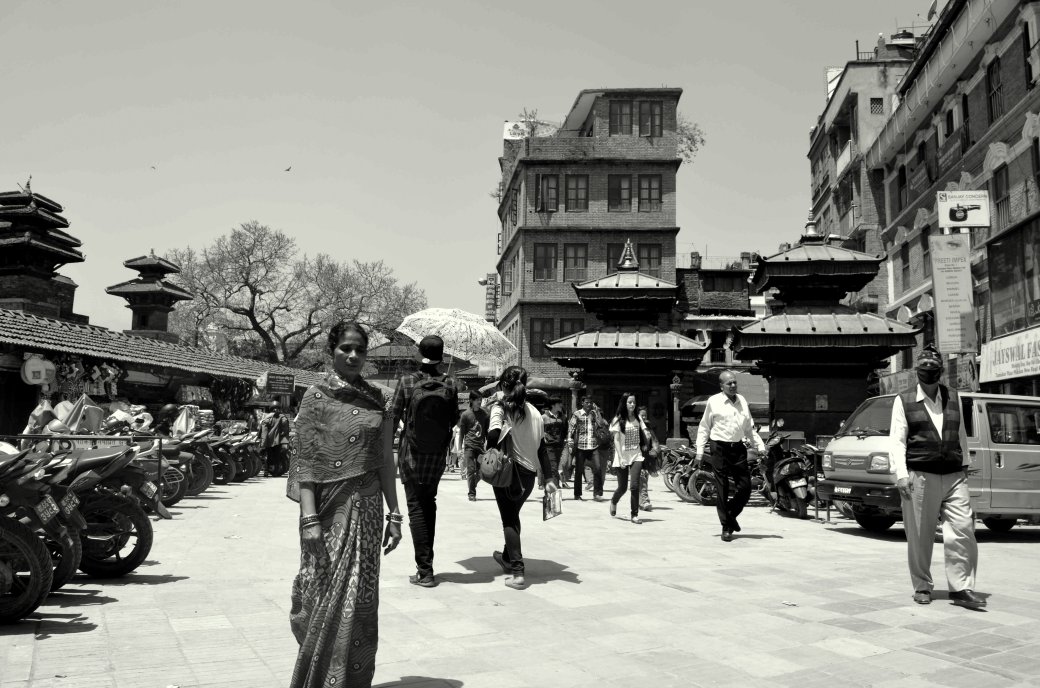
It’s a number one must see place in Kathmandu. I couldn’t wait to see them while planning my trip back home. There are three of them: Kathmandu, Patan and Bhaktapur Durbar Square. All of them are fantastic and absolutely breathe-taking. Unique and diverse architecture, that include houses and ancient temples that belong to the periods between 12th and 18th centuries, will take you back in time. All three of them are the main cultural and spiritual places in Kathmandu.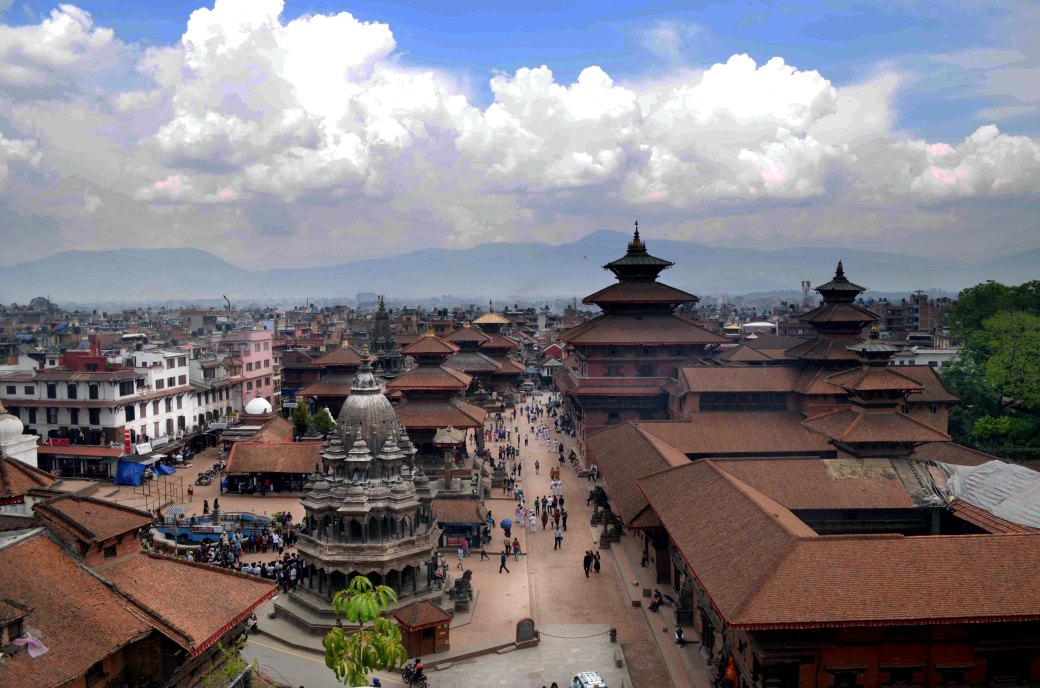 I am afraid, I was one of the last people to see them as they were. I know, and I saw, that they got completely destroyed. I still think it’s worth seeing what remains now. The major Interesting things to see in Kathmandu Durban Square are: “Kumari Gar” (The Living Goddess), “Kastha Mandap”, Maru Ganesh, Mahadev Temple, Shiva Parvati Temple, Bhagwati Temple, Old palace, Saraswoti temple, Krishna Octangular Temple, Kal Bhairav, Jagannath Temple and Taleju Temple. In Patan I have to highlight: Patan Museum, Hiranya Varna Mahavihar, Mahabouddha, Golden and Krishna Temple. In the last one you will be able to view the stunning Golden and Lion`s Gate and four temples: Mini Pashupati, Vatsala, Nyatapola and Bhairava Nath. Yeah I know….loads of temples 🙂


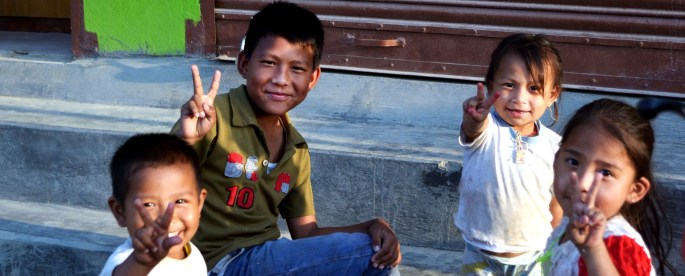
After a wonderful walk with few local kids that kindly showed me the way to the Monkey Temple, even that I knew it anyway, I was able to see the great Himalayan range for the first time. You can already spot mountains from the bridge just in front of the entrance. Monkey Temple is an ancient religious complex situated at the top of the hill west of Kathmandu city center. It is very easy just to walk there from Thamel. I would say it will take just an hour of slow walk. After that you have to hike long stairway with 365 steps leading directly to the main platform of the temple. Up there you will face the beautiful view of the city. There`s loads of spiritual things to see around. Just watch out for the monkeys that can still anything you have in your hands, they really don’t give a…


I don’t usually like to walk with anyone, but I’ve met a student from India that came to Nepal to study Buddhism. At the very beginning he was honest, as he told me that he can show me around if I will buy a bag of rice after for him. I agreed, a bit skeptic, but it was so worth it. He showed me loads of places, I would never discover myself. It’s amazing how you can walk through one small door and see behind one of the most thrilling structures you have ever seen. The religion influence is present, visible and felt everywhere. You won’t be even able to count all the statues there. I am also pointing this to convince you guys to have a tour with local. Buying food would help those students too.
The Kindness and hospitality of Nepalese is just beyond anything you have experienced before. After all I have witnessed on the streets, shops, hotel, I was able to watch how they all helped each other in that extremely difficult time after the earthquake. I went to Nepal to see the landscape, Himalayas, nature, but I really felt in love with the people there. After visiting 50 countries, they are still my number one.
Citizens from most of the countries don’t need to obtain a tourist visa before traveling to Nepal. Of course you can get one earlier on, but It’s not a problem if you won’t, as it is available on arrival at Tribhuvan International Airport and at some land borders, depending on your traveling plans. I got mine at the airport, though the queue was very long (2h to wait), and I was really tired after a long fly, I still wouldn’t get in to trouble of getting one before in embassy. The requirements are: valid passport for at least 6 months when submitting your application, fee to pay and 2 passport-size photos. You can pay in pounds, euros, dollars or Nepali rupees at the airport. 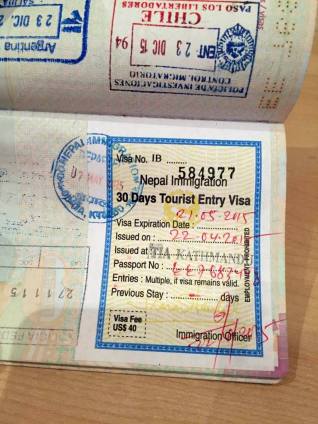 I`ve heard that there are way more currencies you can use to purchase one, but on a safe side better to have one of the main 4, I mentioned. Try to make it as smooth as possible. Trust me, you will be dying to lay on hotel`s bed asap, not to be stack at the airport. Prices for tourist visas are: 25.00$ for 15 days single/multiple entry; 40.00$ for 30 days single/multiple entry and 100.00$ for 90 days single/multiple entry. If you wish to stay for more than 60 days, you can extend your stay up to 30 days by applying to the Nepalese Department of Immigration at Kalikasthan in the capital, or in immigration office in Pokhara. It is very important to have a valid visa in your passport to be able to exit Nepal. If your visa will expired, you will have to arrange an extension at the Department of Immigration before your departure. Regarding the photos, you should bring two passport-sized photos with you (some pages say just one, and that came to be a true in my situation). Well, I was prepared and I’ve had them, but I witnessed loads of people who forgot to bring them. They were allowed to enter anyway, but It might be also due to the fact that the photo machine was broken at the time I was there. Probably is still broken till now.
Packing. It really depend on activities you’re planning to do in Nepal. In Kathmandu Valley is usually very hot, as the area is not that elevated, so I would suggest to pack loads of summer stuff. Make sure to have loads of space, as it is highly possible that you will buy loads of clothes there too. But if you are planning to do some hiking, you definitely need a very warm waterproof clothes and a good hiking shoes. Very good backpack is essential for trekking and all long-term trips in general. Get also a rain cover to protect your stuff in. Check information about monsoon season (June – September), as it can help you to prepare better. Also this time of a year can be hazardous in the rural areas, especially in western Nepal. Monsoon rains cause flooding and landslides that can make your journey difficult and can make some areas unable to reach. Take care and check access routes before. Most of the last base camps are at more than 4.000 m high, so the weather there can be unpredictable. I am not a trekker, so I can’t share many tips with you, but there are loads of good blogs about it. Always use sun block (SPF20 or higher) and sun glasses.
Hotel. There are loads of places to stay in Nepal, as it is a backpackers mecca. You don’t have to book before arriving, but that can help you to save the time looking around for a place you like most. They are all very affordable and comfortable, usually with the breakfast included. I paid for mine around 6-7£ per night, and that was with private bathroom. I remember only in Nagarkot I paid 20£ per night, but I wanted a hotel with the very best view to be able to spot Mt Everest from there.
I consider Nepal, and Asia in general, as a very safe place. There’s a a very low rate of serious crime in Nepal. Of course, like everywhere else, you should always be careful, and you should watch out for pick-pocketing and bag thieving in buses, hotels, hostels and in all touristic areas like Thamel, Sanepa and Kupondol in Kathmandu. They are really overcrowded which makes it easy to still from you. As usual take care when walking around at night after midnight. Though, main ares are always busy, I think it’s better not to wonder around alone. Robberies are more likely to occur in the evening in poorly areas. Don’t carry much of cash with you. Keep valuables in a hotel safe or locker if possible.
 Solo female traveller
You must be logged in to post a comment.