Jordan in photos

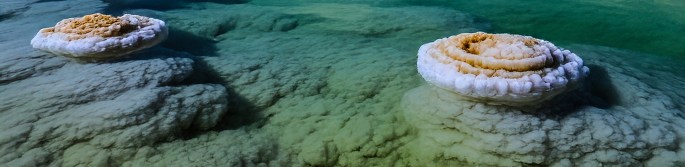
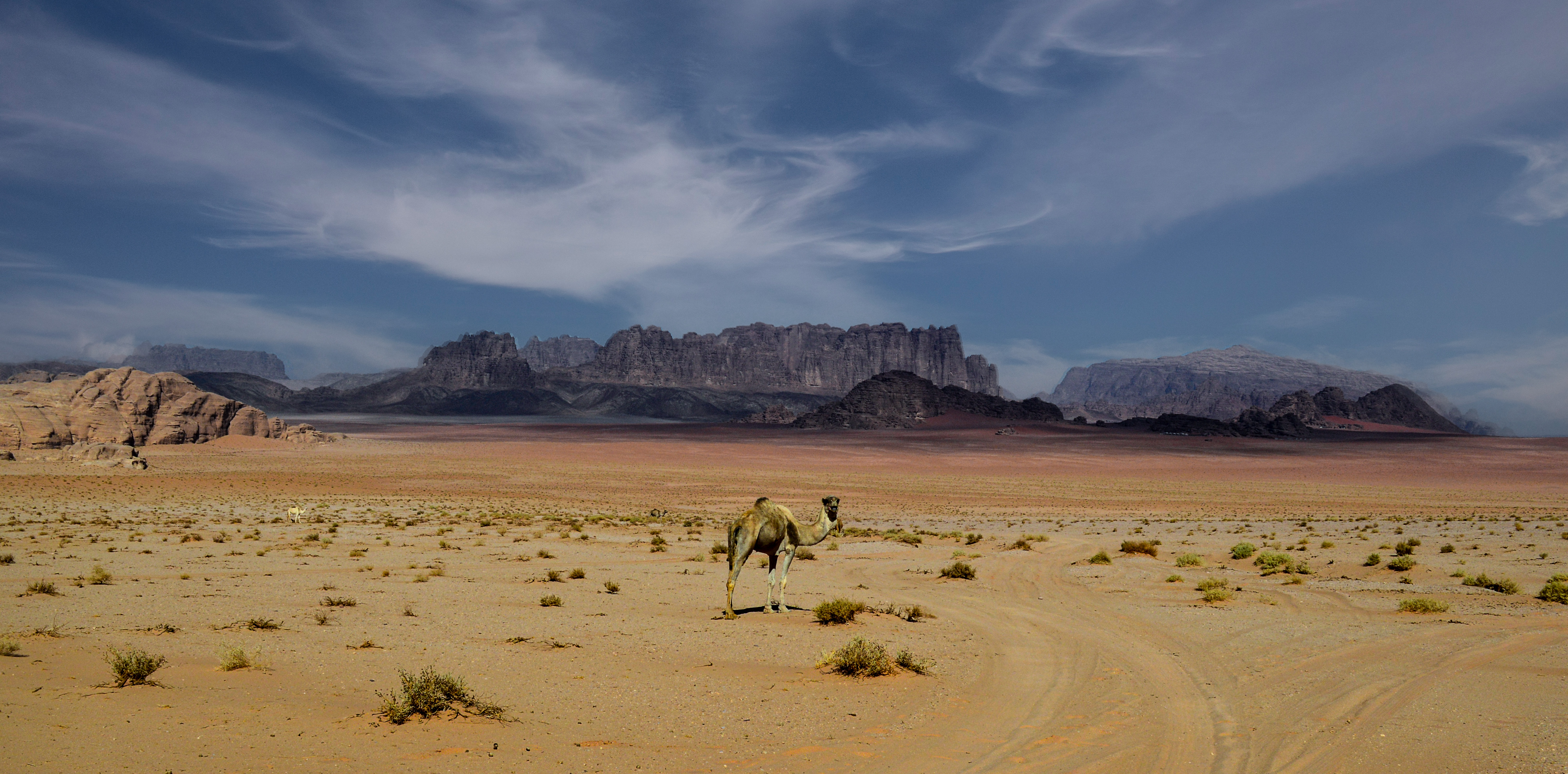
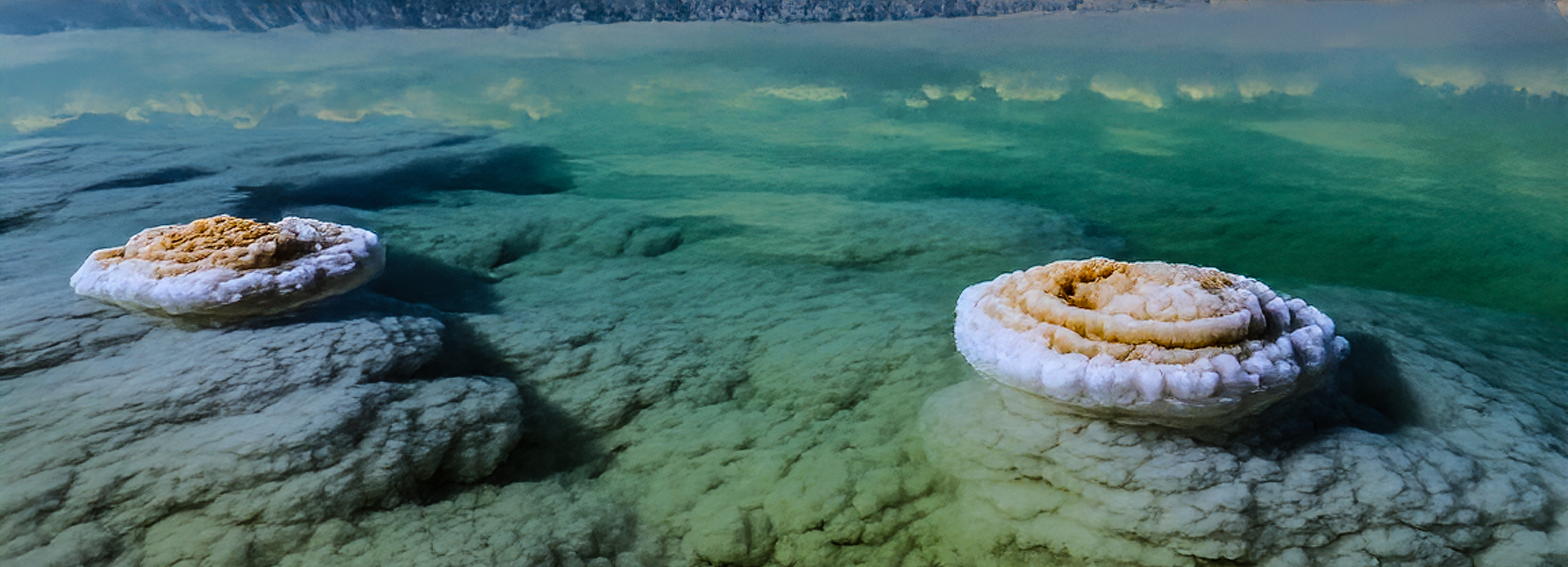
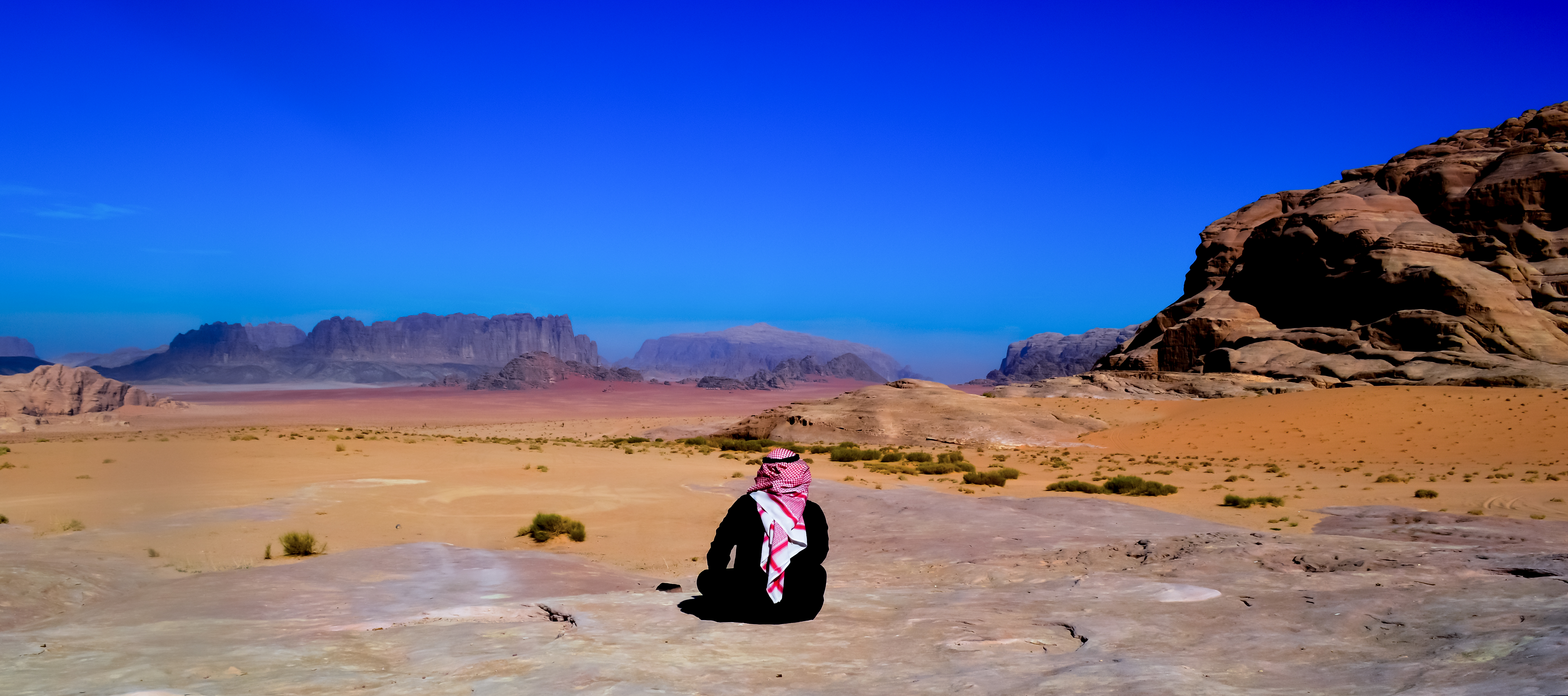
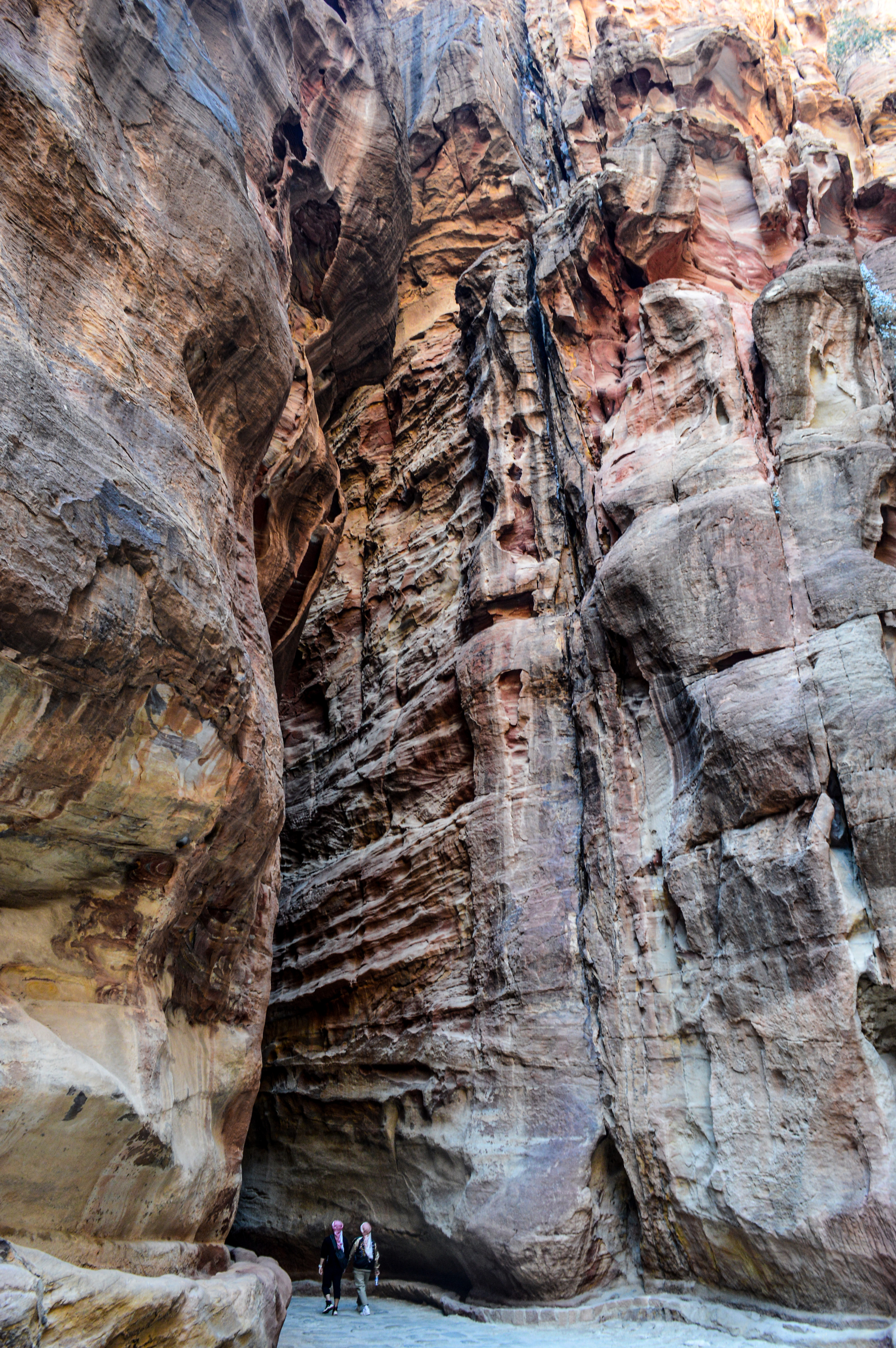
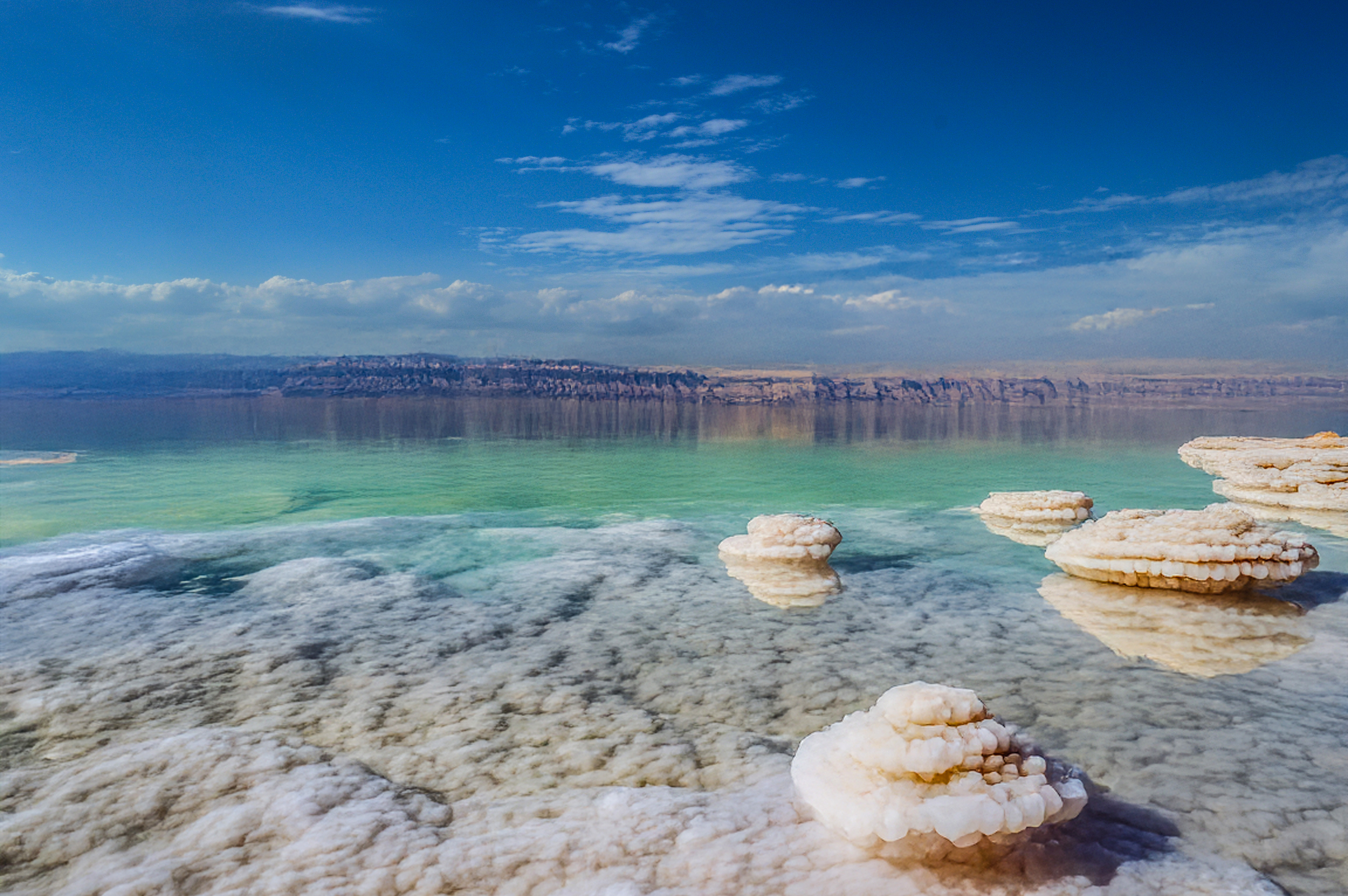
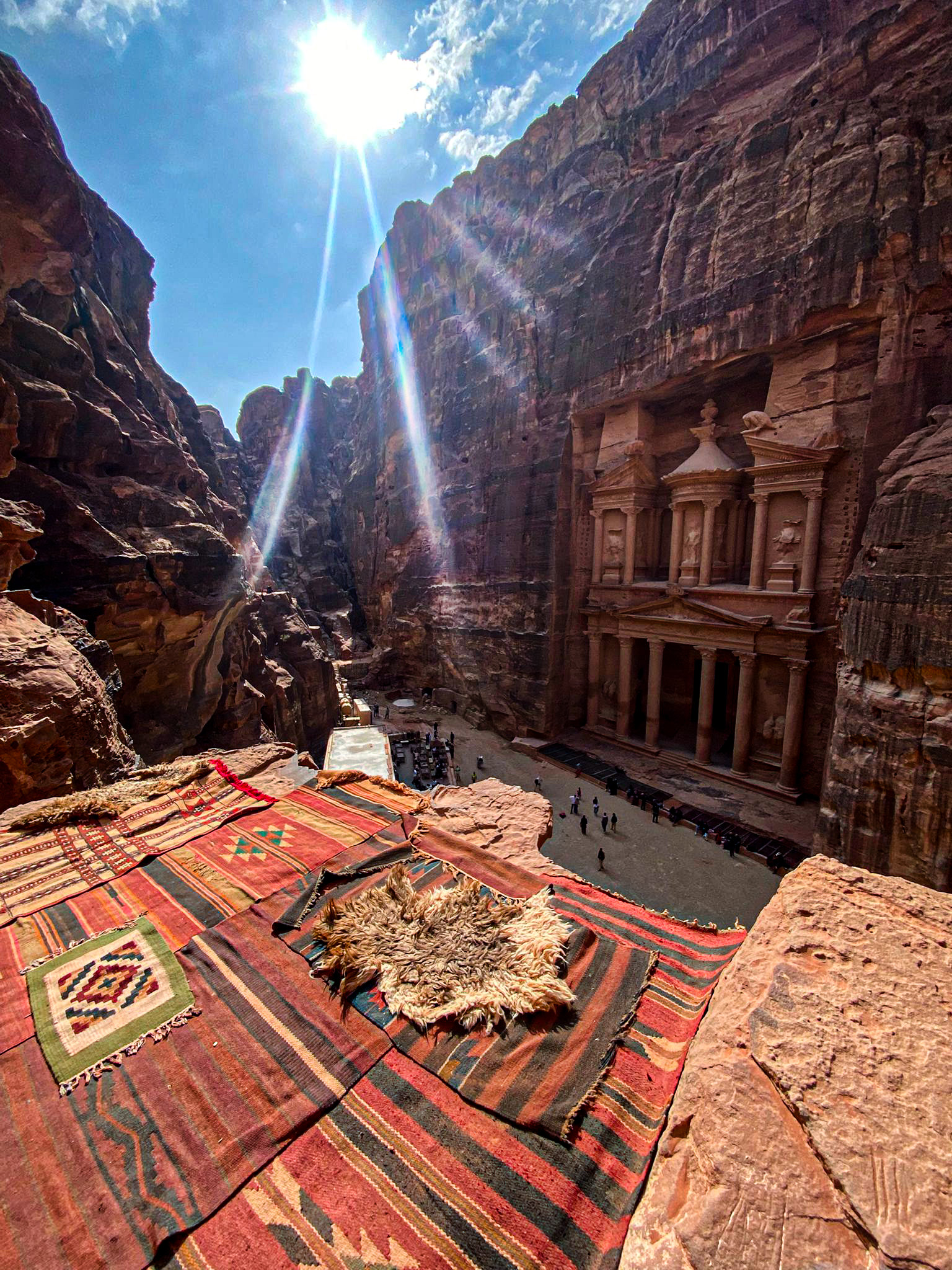
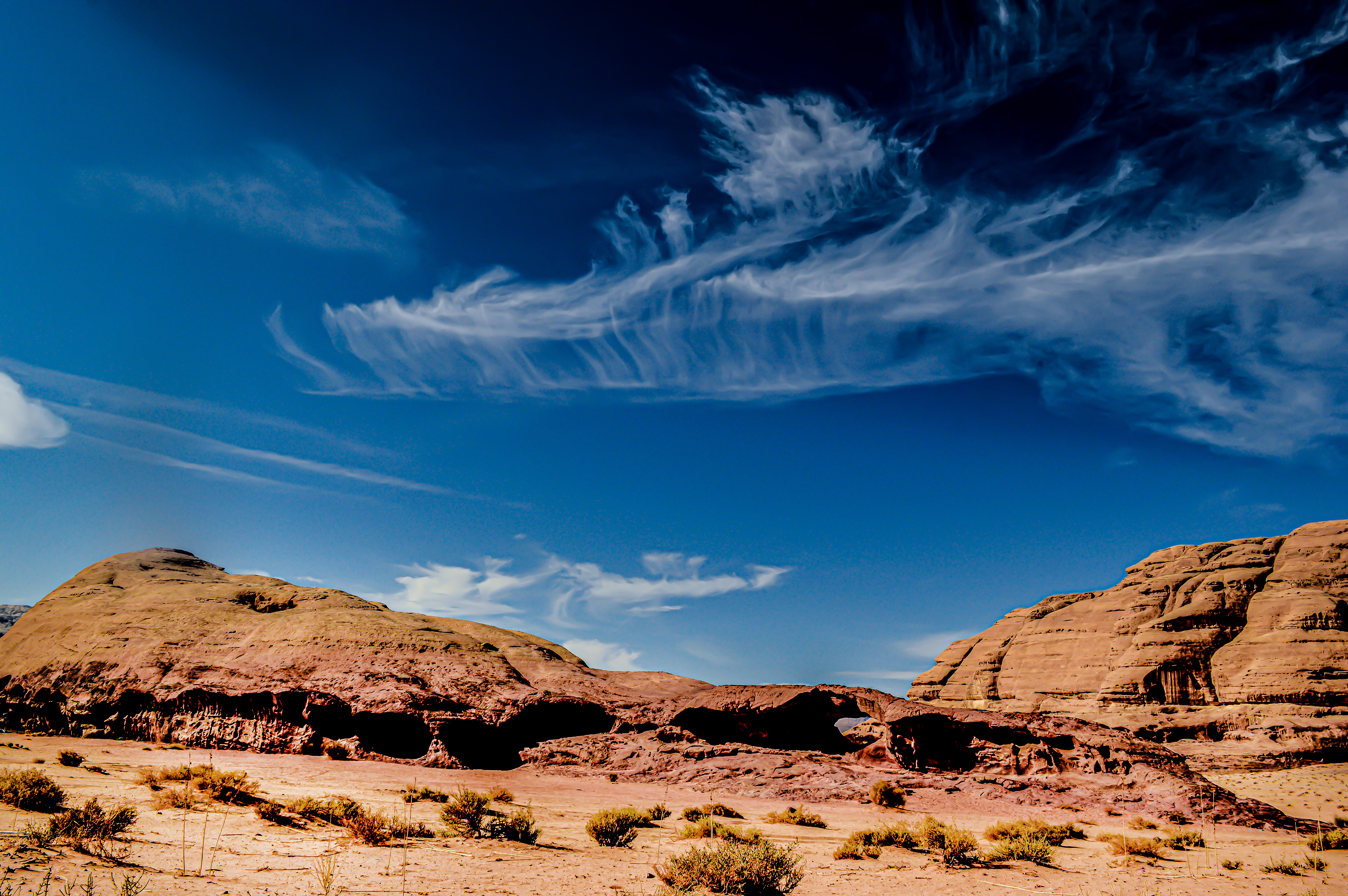
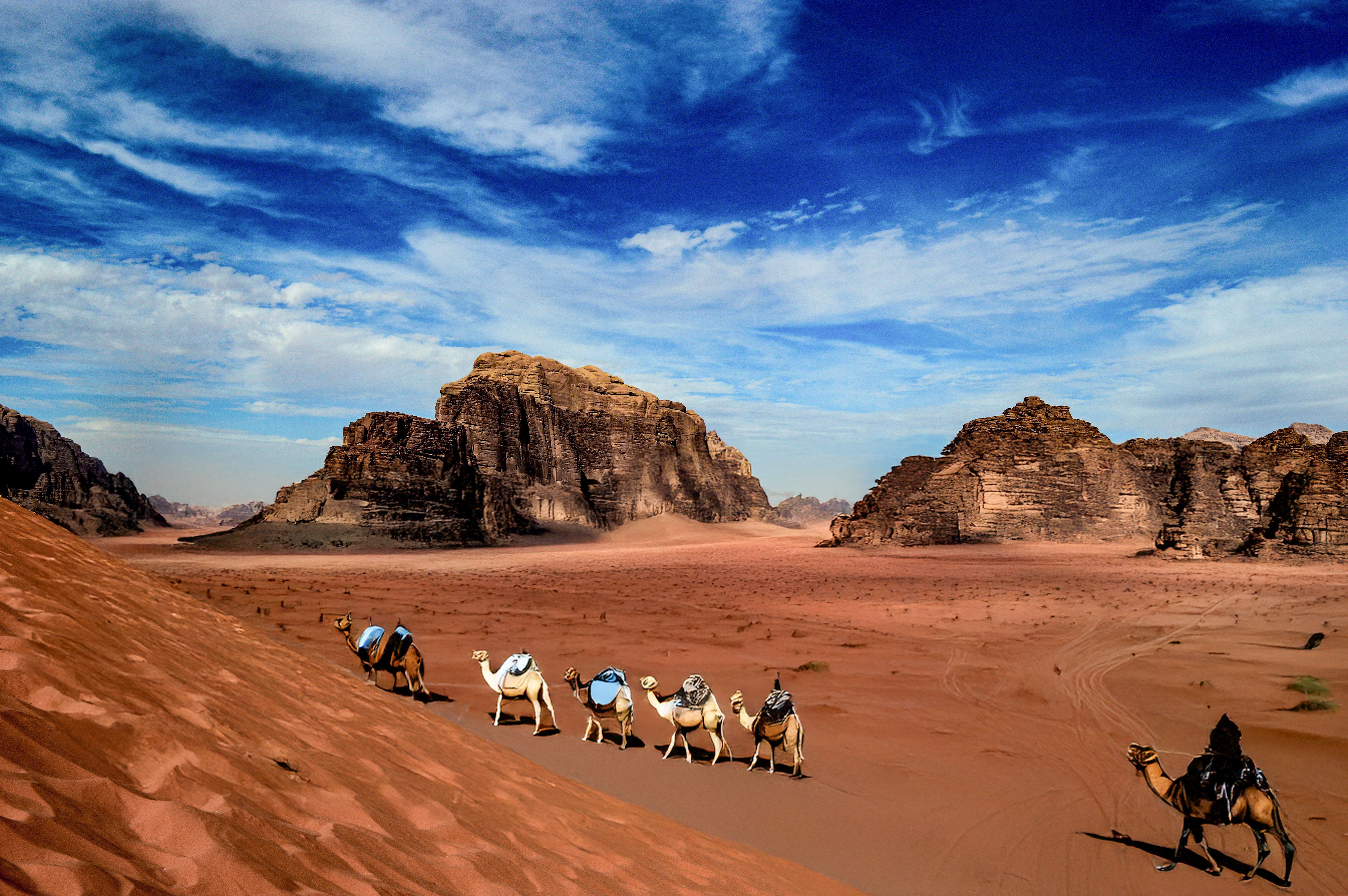
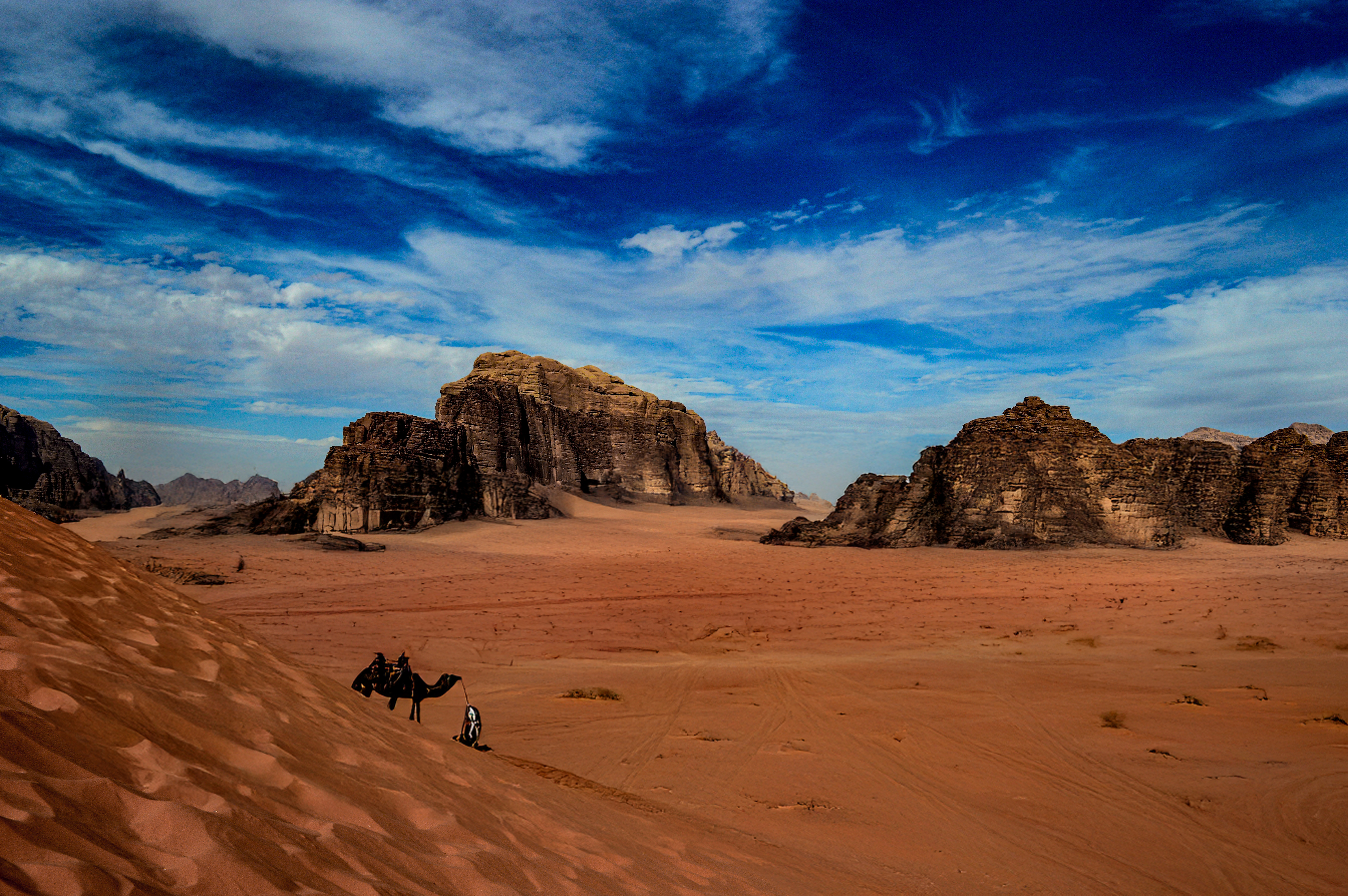
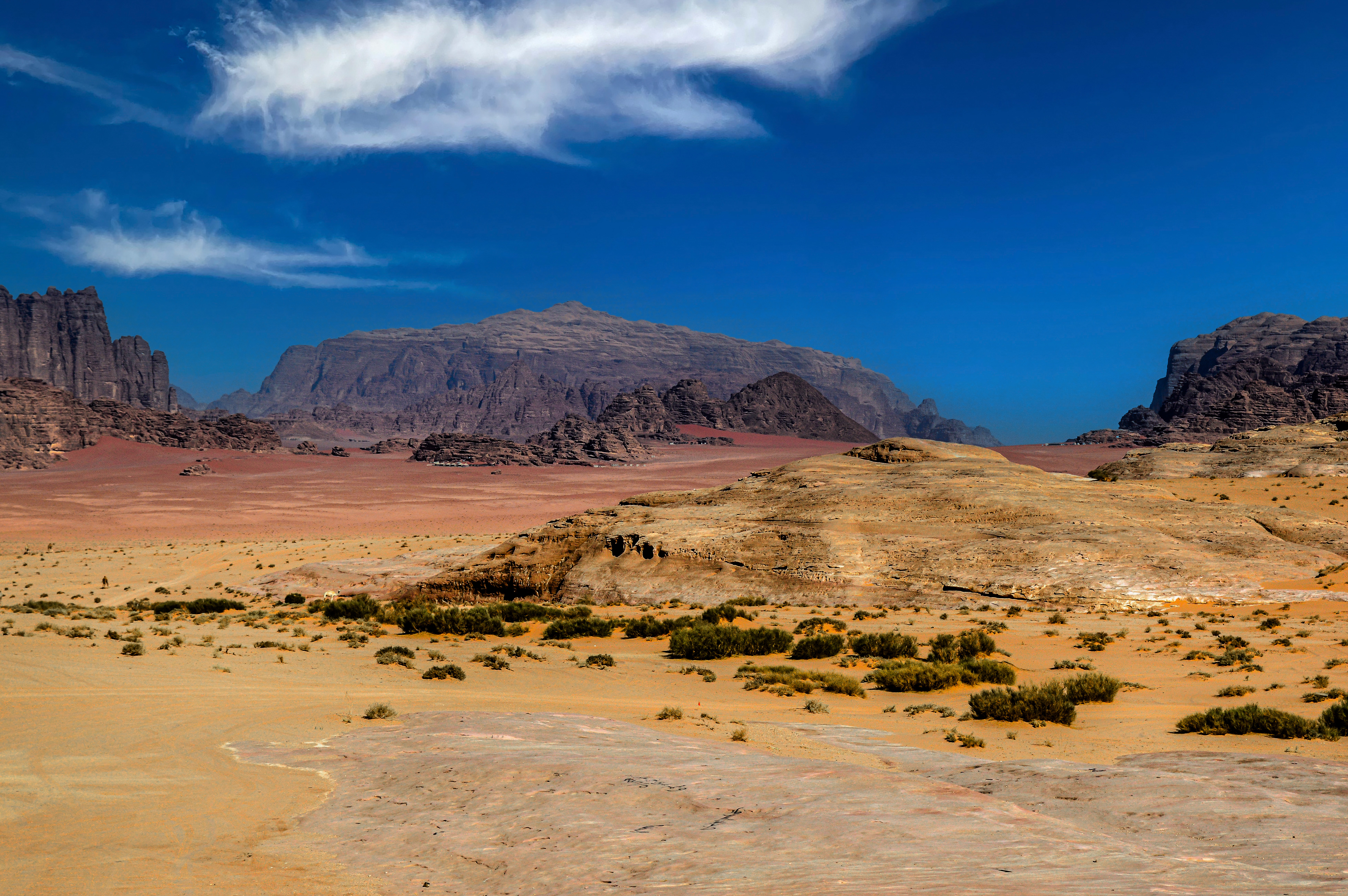
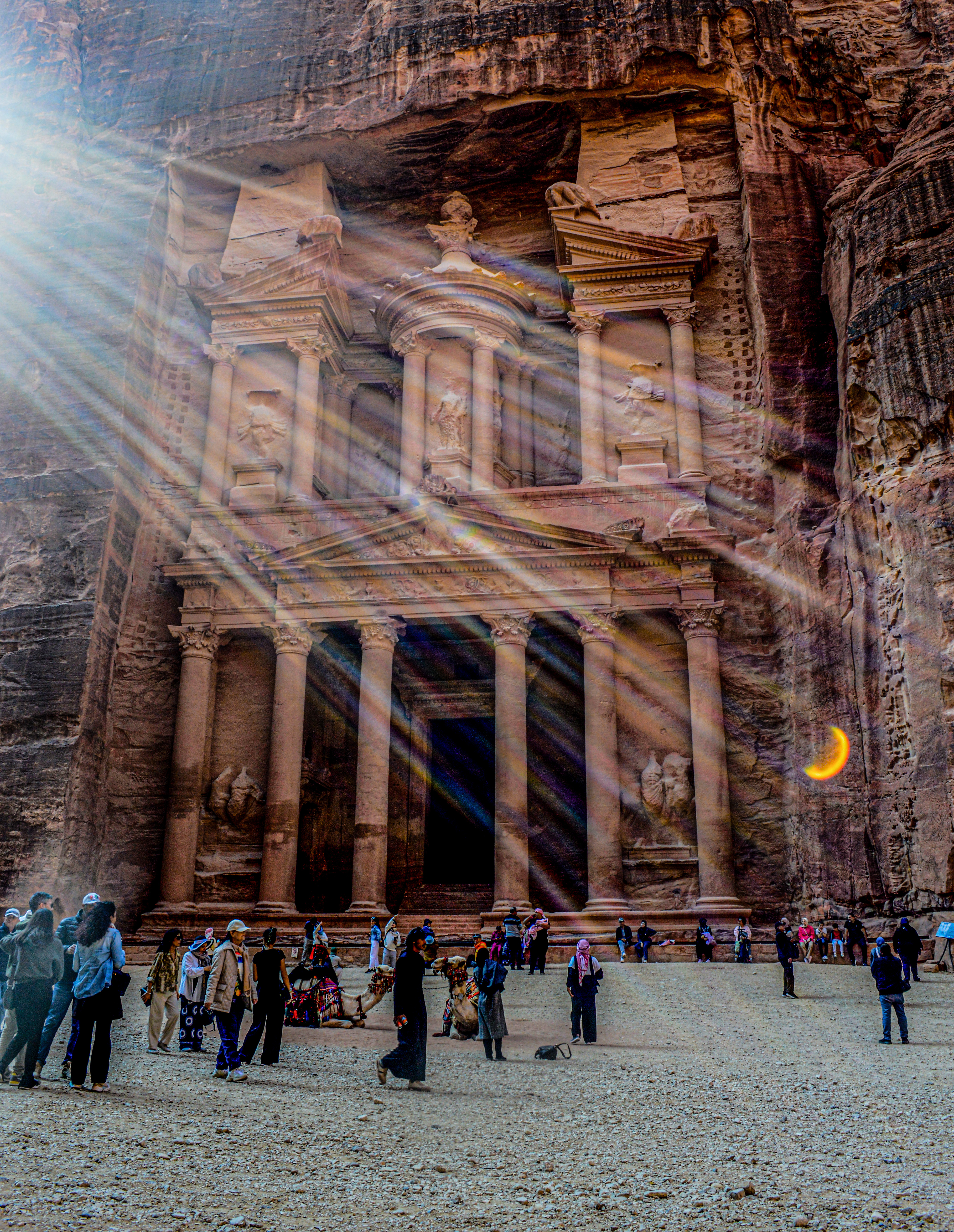
Such a cool place in the Middle East. Famous for Petra, the Dead Sea, and the desert vibes of Wadi Rum. Amazing mix of history and landscapes!

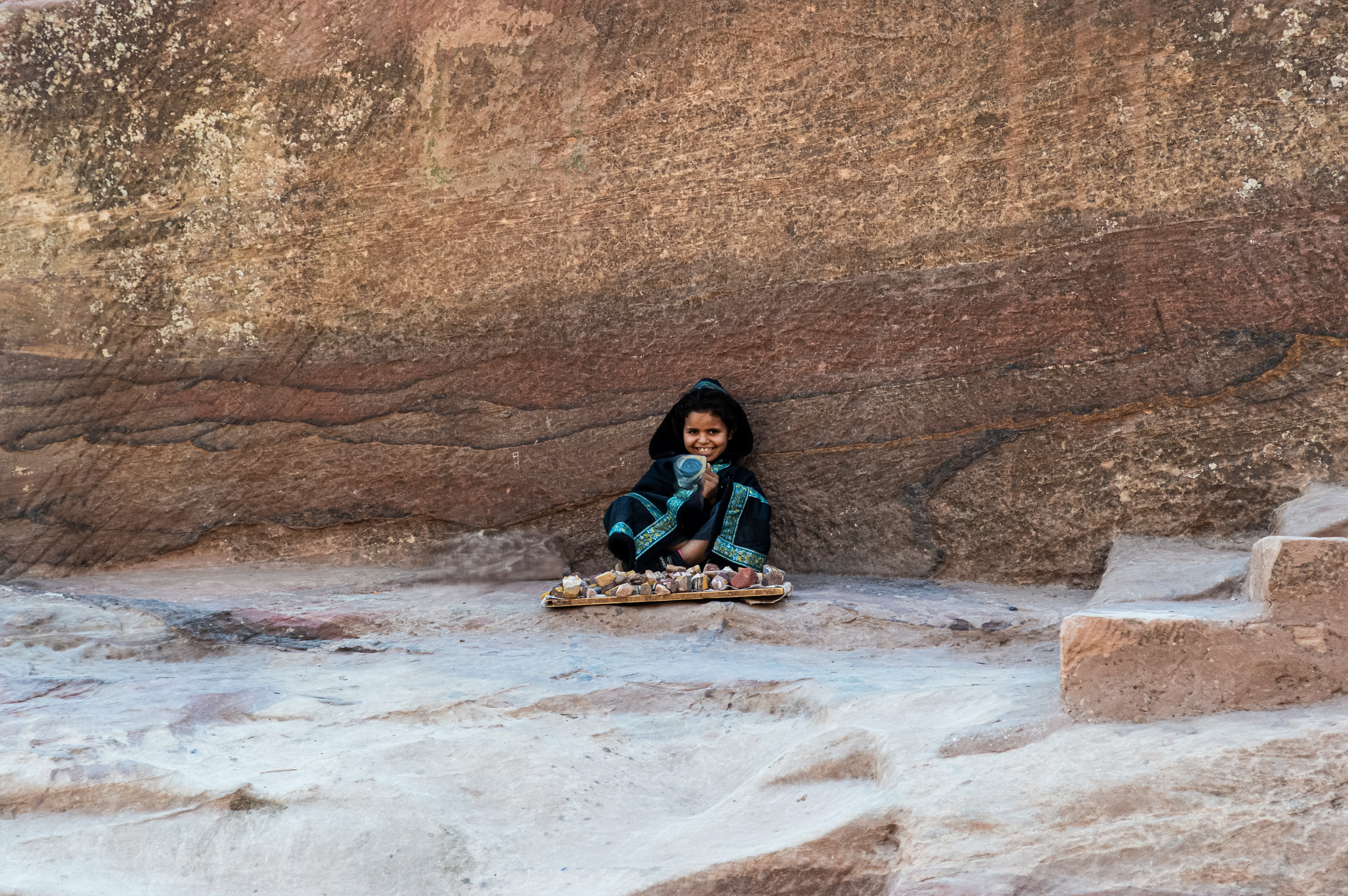
Bedouins are nomadic Arab tribes who traditionally lived in the deserts of the Middle East, known for their hospitality, resilience, and deep connection to the land.

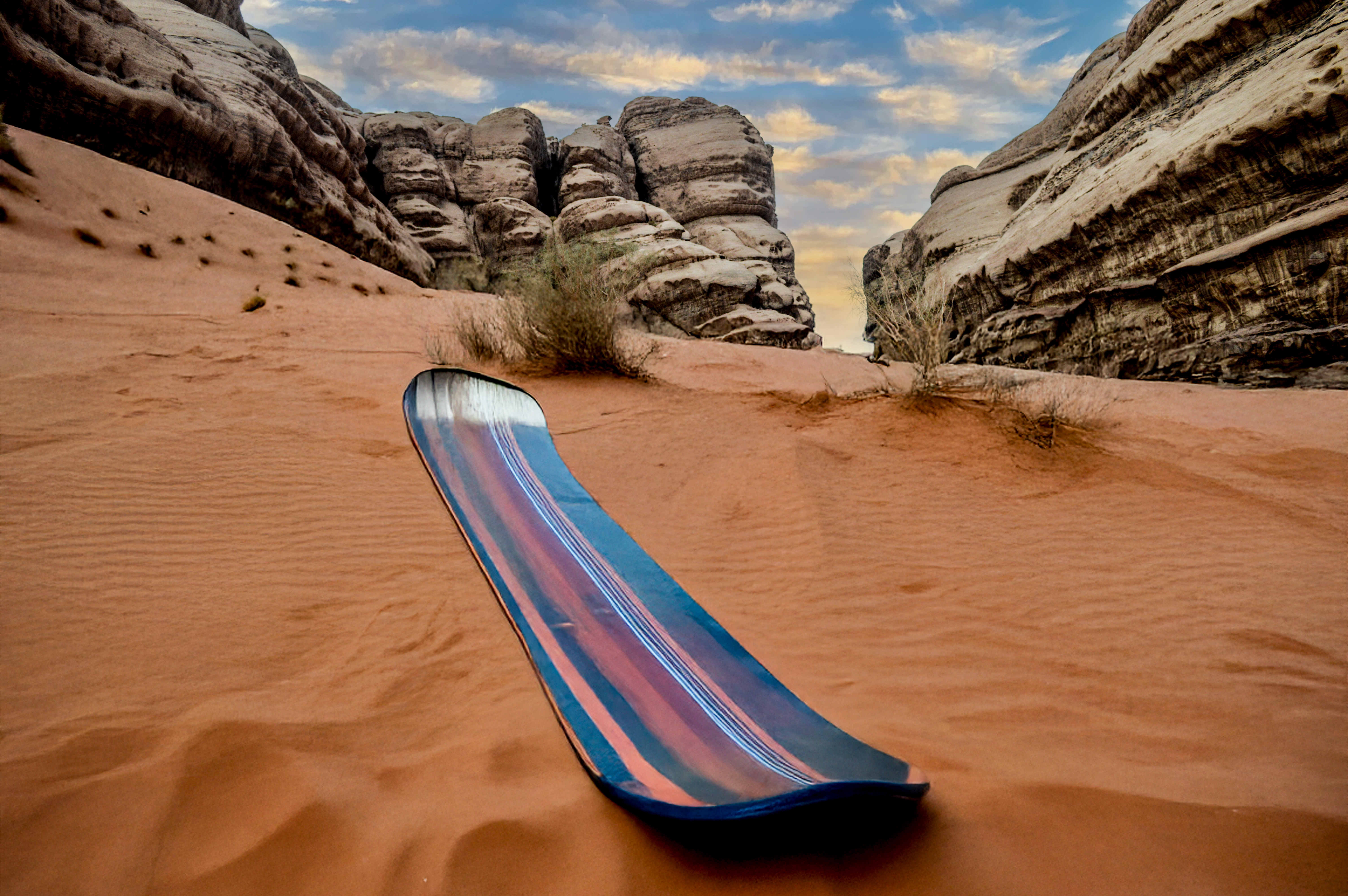
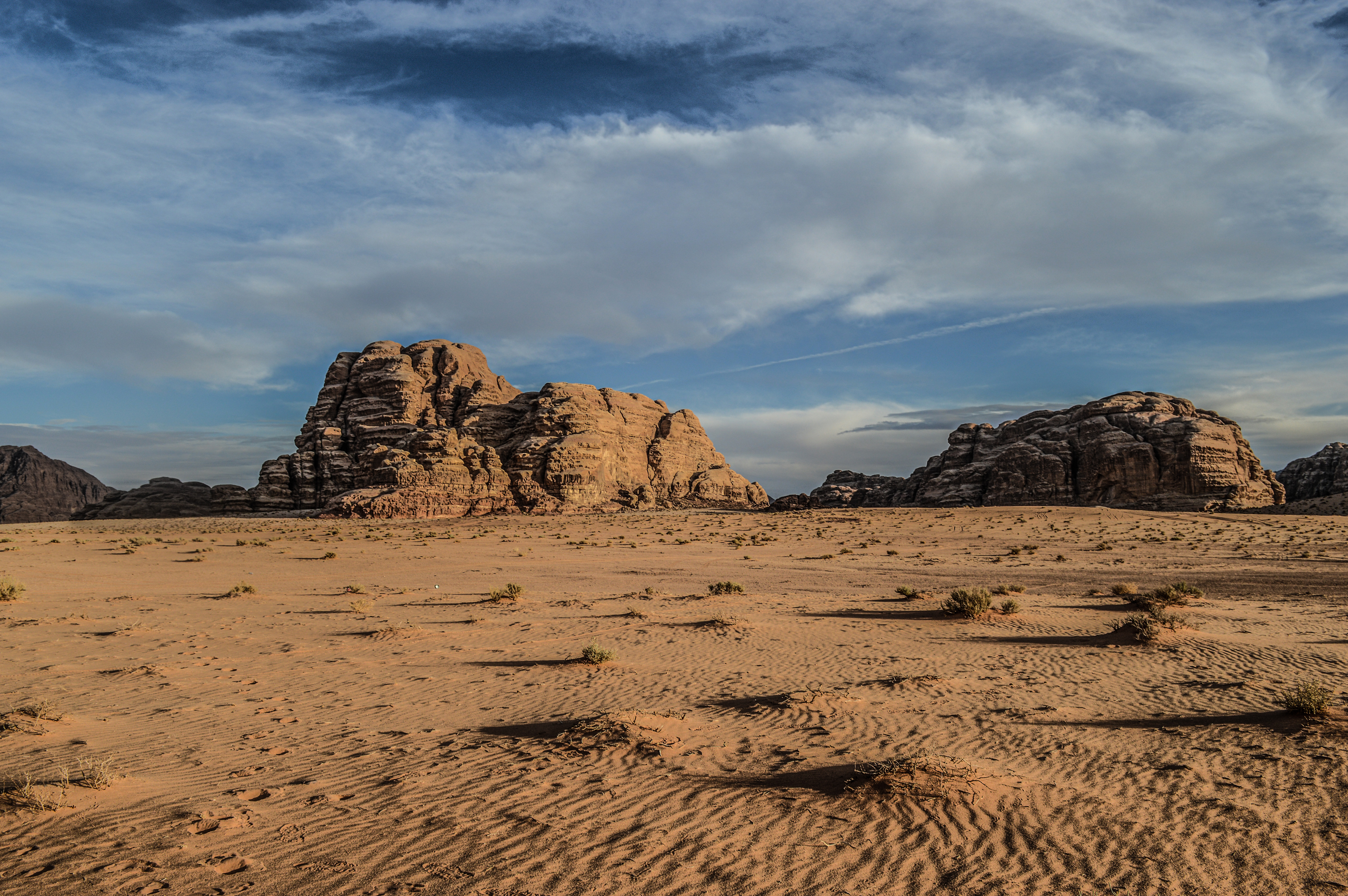
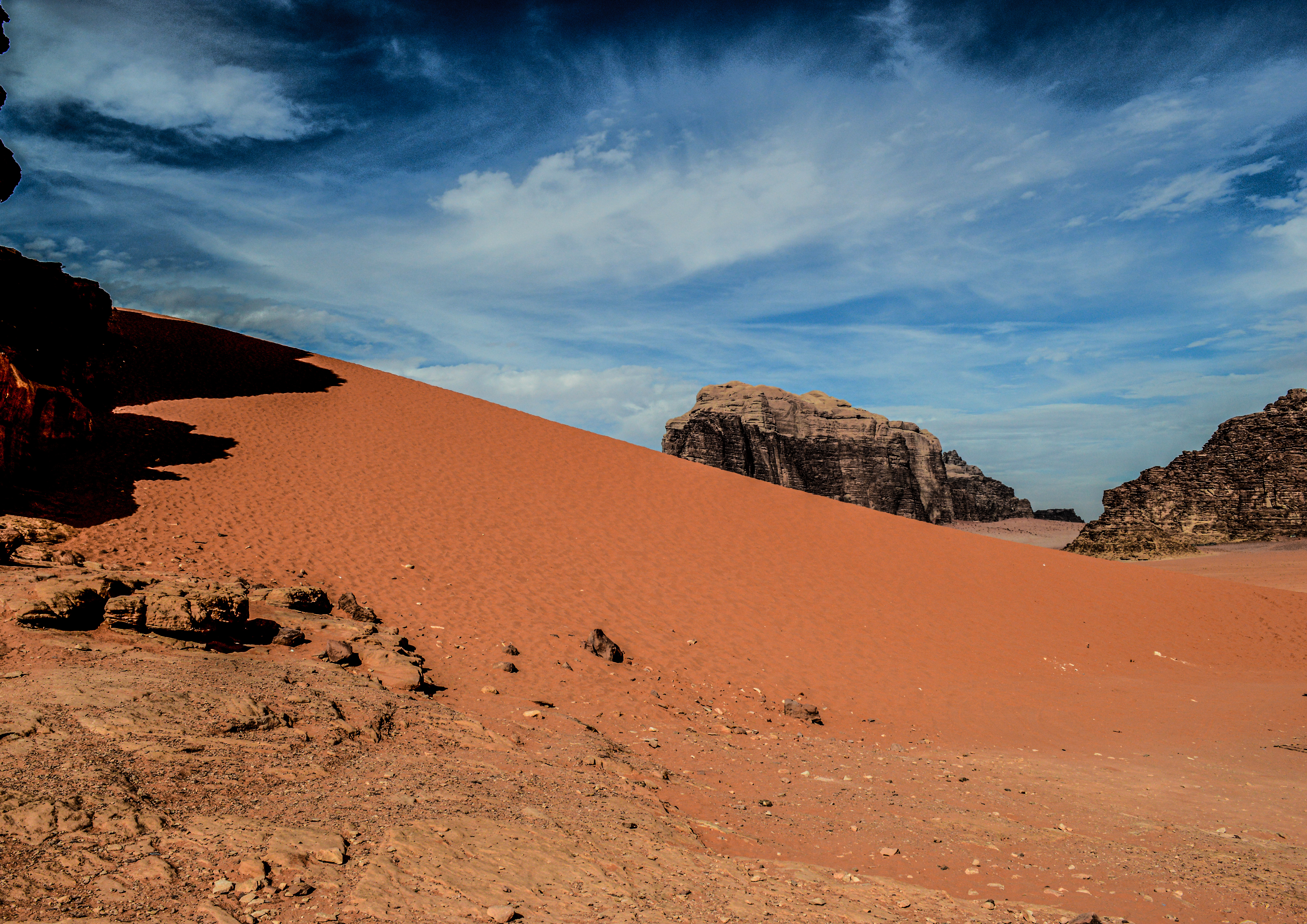
The Bedouins know the Wadi Rum desert, which covers about 720 km², like the back of their hand. They told me they recognize the paths across the desert, and at night they navigate by the stars.

Their food is simple but full of flavor. One of the most famous dishes is zarb, meat and vegetables cooked in an underground oven. Too bad I didn’t take a photo, but they showed us how it’s done. Evenings with them by the campfire were amazing, they were so honest when we asked questions.

Delhi–Agra Express & Delhi–Varanasi Sleeper: Complete Train Guide 2025

My Train Booking Experience in India

You can technically buy tickets through IRCTC, the official Indian Railways website. But full KYC (KYC stands for Know Your Customer, it is a verification process used by banks, financial institutions, and online platforms like IRCTC or PayTM to confirm a customer’s identity and address) is now required for certain IRCTC features, especially bookings.

Instead, I switched to 12go.asia, which I can honestly recommend. The tickets are about 20% more expensive, but the process takes just two minutes: instant confirmation, and the actual ticket arrives a few days later.

Once you receive your ticket, it’s important to double‑check the departure time the day before. Go to the IRCTC website or ConfirmTkt , enter your PNR number (found on the ticket) and travel date, and you’ll get the updated schedule. That part works flawlessly – no glitches at all.

Railway stations – you can also buy tickets directly at the station. Expect queues, a bit of chaos, and sometimes limited English, but it works. For foreign travelers, there’s often a Foreign Tourist Quota counter at major stations like Delhi, Agra, or Varanasi.

⚠️ Be Aware of Scams at Indian Railway Stations

When you arrive at the station, you might encounter people approaching you with “helpful” advice. They’ll say things like:

  • “You need to come with me to a special counter for foreigners.”
  • “There’s a different queue for non‑Indians.”
  • “You can’t enter without my assistance.”

All of that is a lie.

Once you have your ticket, you don’t need anything else. You simply go to the platform and board the train exactly the same way as Indian passengers. There is no special cashier, no separate queue, no mandatory guide.

Taj Express → My Delhi to Agra Train Experience

On September 1st, 2025, I took the Taj Express (Train No. 12280) from New Delhi Main Station (NDLS) to Agra Cantt (AGC). The train departed at 06:55 and arrived at 09:25, covering 195 km in just under 2.5 hours. I booked a Second Sitting (2S) seat – confirmed, window side, and perfectly comfortable for a short morning ride. Return train was delay around 1h.

Booking Details

  • The train departed on time at 06:55 from Platform 13
  • Ticket fare: ₹110 + fees (total ₹128.66)
  • Coach/Seat: D1/54 – window side, confirmed (CNF status)
  • Once you receive your ticket, double-check the departure time the day before using your PNR number. I recommend ConfirmTkt – it works smoothly and updates are reliable.

Travel Notes

  • The train coach stopped exactly where the platform screen indicated – no chaos, no guessing. Just follow the signs and you’ll be right where you need to be (see the photos below).
  • My coach was packed – it was crowded, noisy, and absolutely wonderful.
  • I shared a tiny seat with a lady.
  • I ended up talking to almost everyone around me – it felt like a rolling living room full of stories and smiles.
  • No AC, but the windows were open and the breeze was enough.

Delhi → Varanasi Sleeper 3A class– My Overnight Train Experience

On September 2nd, 2023, I boarded the Swatantrata Senani Express (Train No. 12562) from New Delhi Railway Station (NDLS) to Varanasi Junction (BSB). The train departed on time (21.15 in my case) at night from Platform 13, just like my Taj Express to Agra. The coach stopped exactly where the screen said it would – no chaos, no guessing.

My Experience

  • I had a confirmed sleeper berth 3A class in coach B2, and it was surprisingly comfortable. Bedding and pillow are provided.
  • I paid 1 469 INR ₹ (15 $) at 12go.asia.
  • I slept 8 full hours – no interruptions, no noise, just the gentle rhythm of the train.
  • The coach had AC, and charging sockets everywhere – both regular and USB.
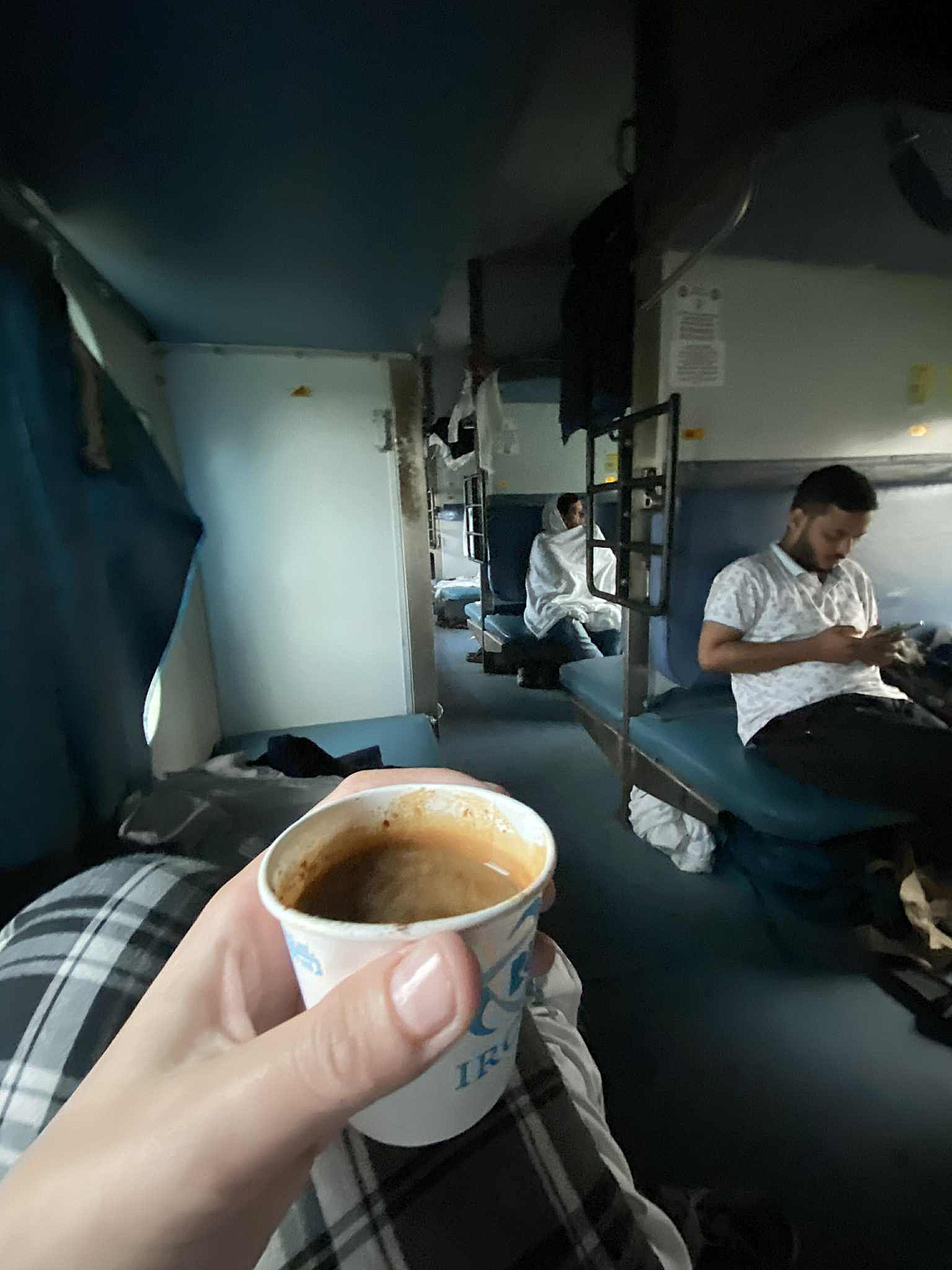
  • There was an option to order meals, tea, coffee, which made the journey even smoother.
  • At night, everyone respected each other’s space – no loud talking, no chaos. Just quiet, shared rest.
  • On the return trip, it was exactly the same – peaceful, punctual, and respectful.

Booking & Practical Tips

  • This train is in high demand, so book well in advance – especially if you want a confirmed sleeper berth.
  • Use 12go.asia. It is much easier for foreign cards and no Indian numer needed.
  • Always check your PNR status the day before – ConfirmTkt is your best friend or IRCTC site.
  • Platform 13 again – same as Agra, and again the coach stopped exactly where the screen showed.

Most Popular Trains on the Delhi–Varanasi Route

  • Shiv Ganga Express (12560): Fast (~11 hours) and always in high demand.
  • Kashi Vishwanath Express (14034): Slower, but considered a classic choice.
  • Swatantrata Senani Express (12562): My pick – a traditional overnight sleeper.

Ticket Price Range

  • Sleeper Class (SL): from ₹743 ≈ $9
  • 3AC (Air‑Conditioned, 3‑tier): ₹1,200–1,500 ≈ $15–18
  • 2AC (Air‑Conditioned, 2‑tier): ₹1,800–2,200 ≈ $22–25
  • 1AC (Air‑Conditioned, 1‑tier): ₹3,000+ ≈ $35+

Lost and Found in Delhi

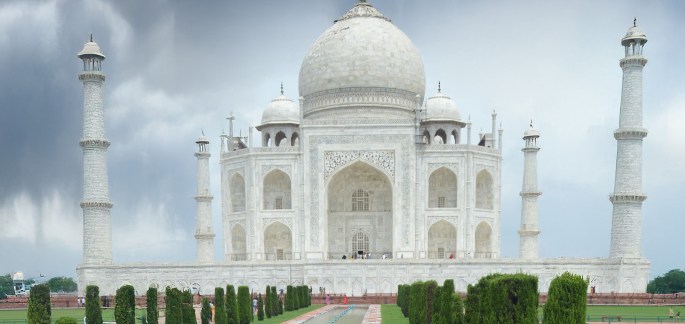
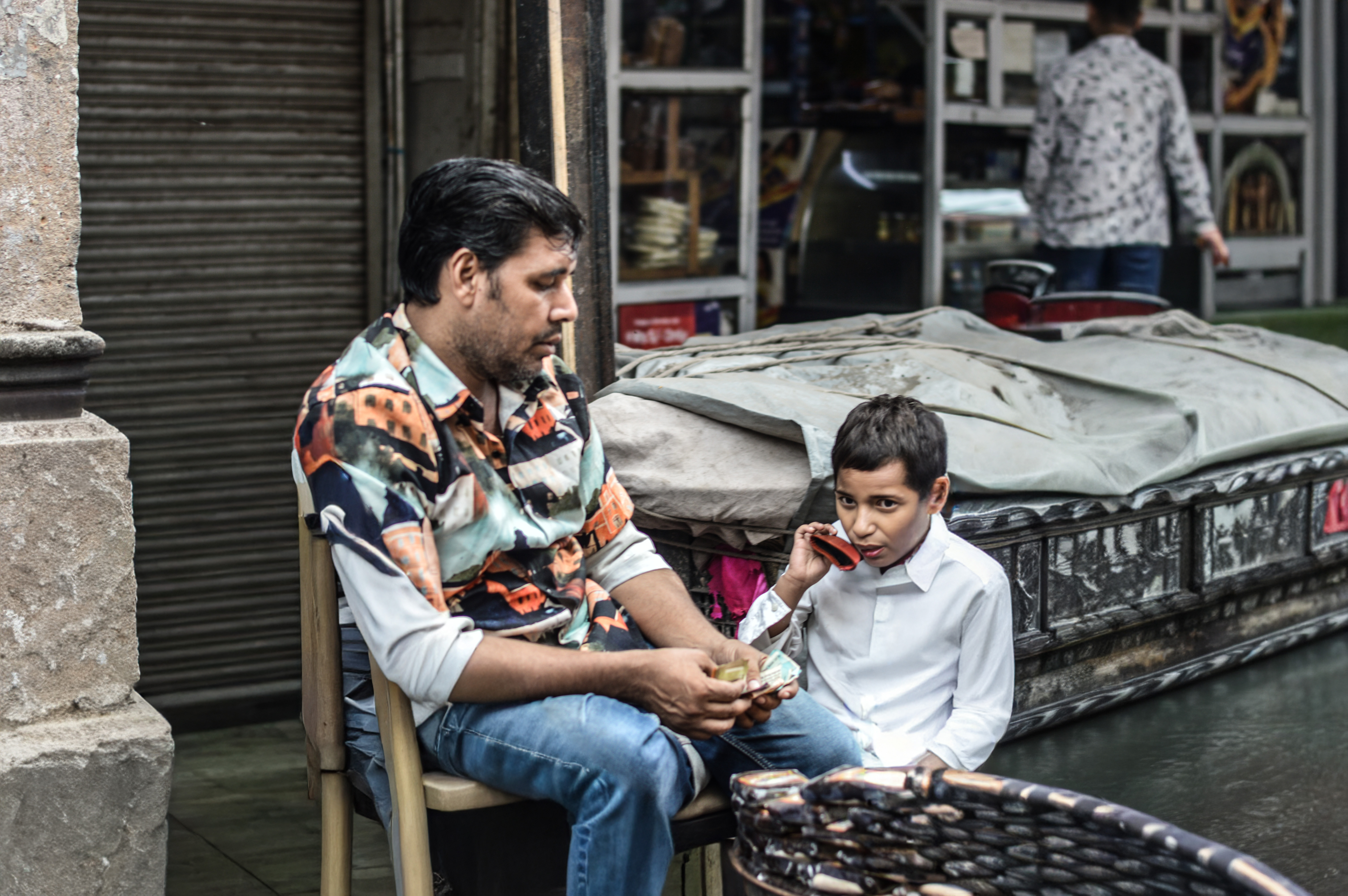
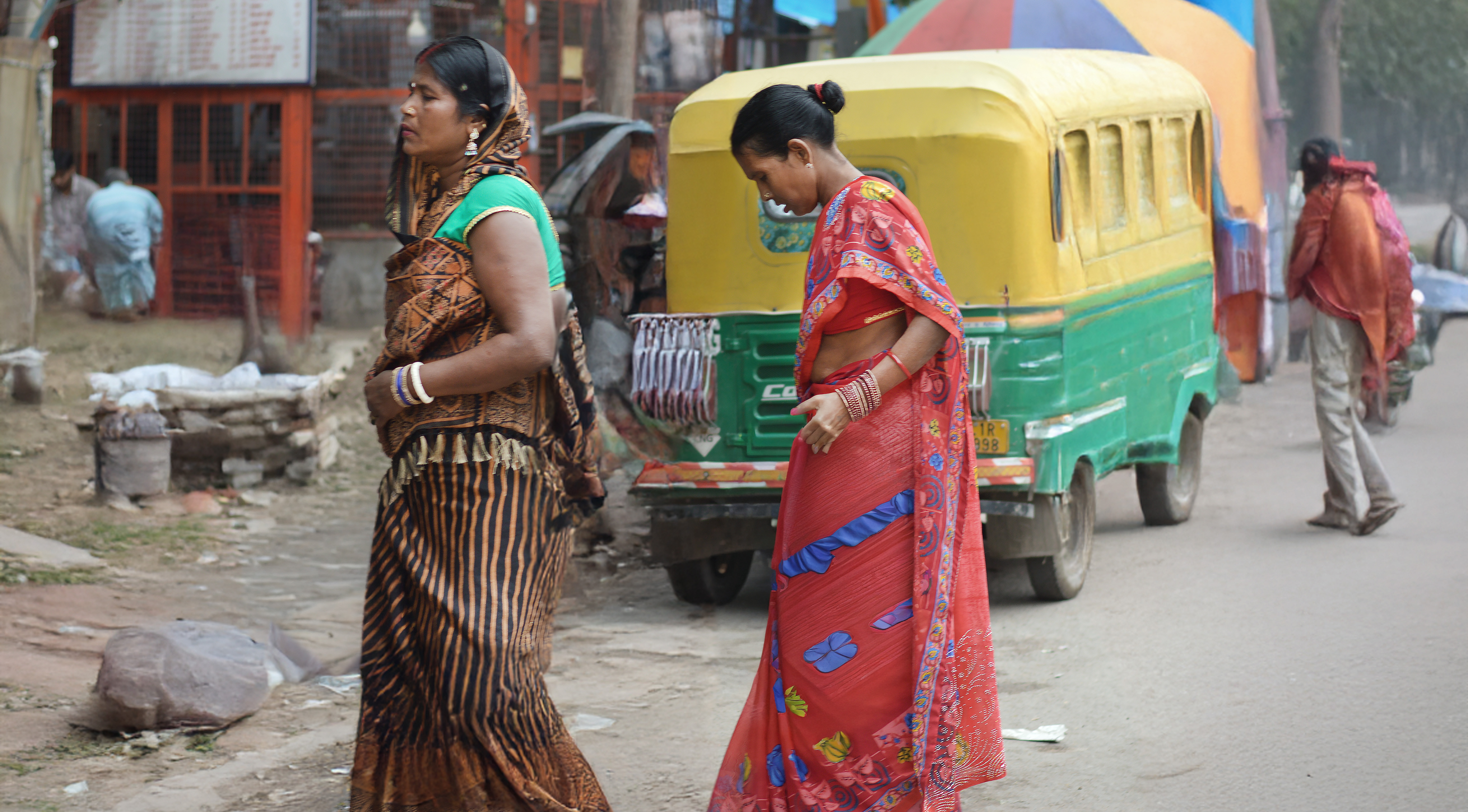
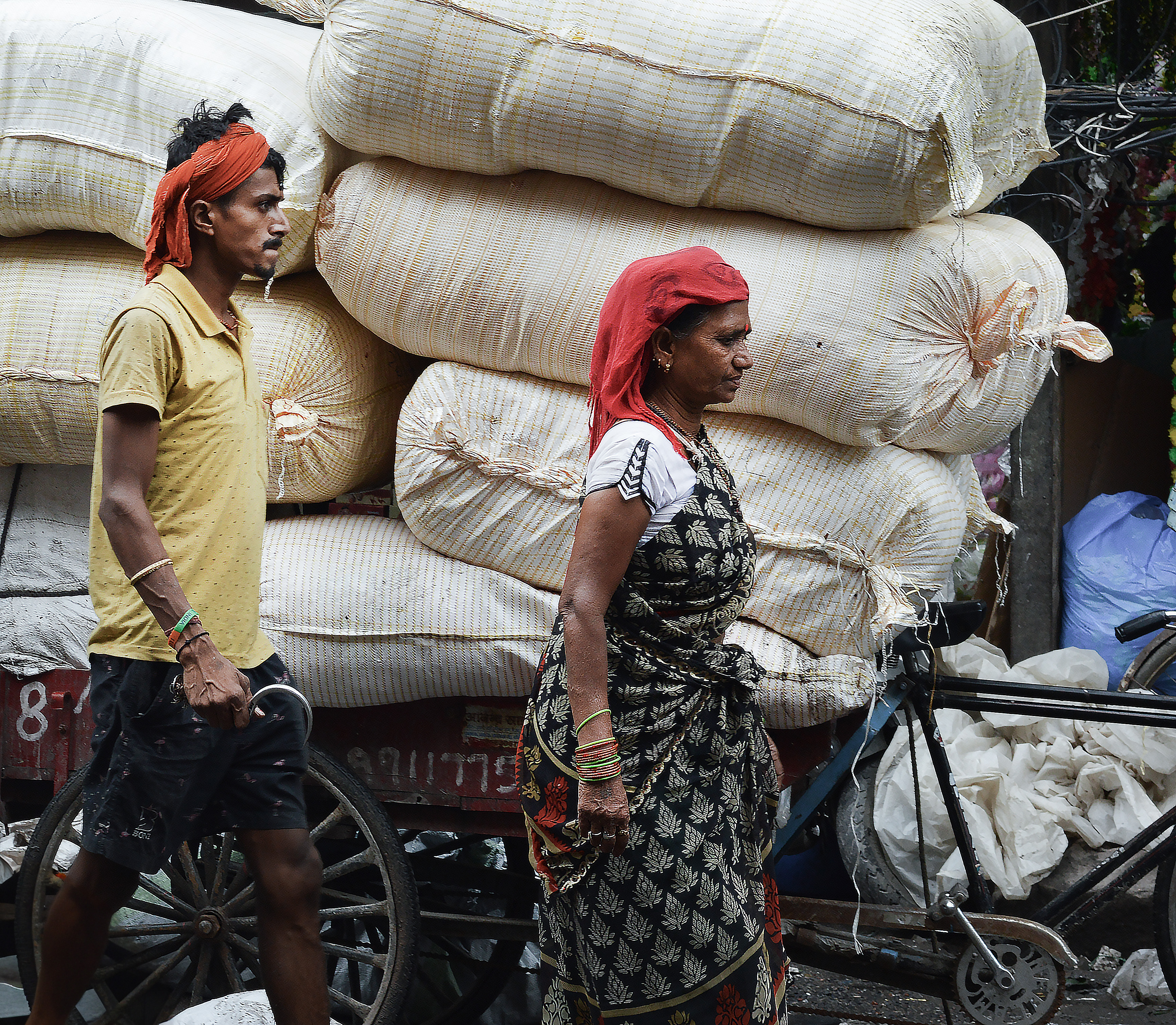
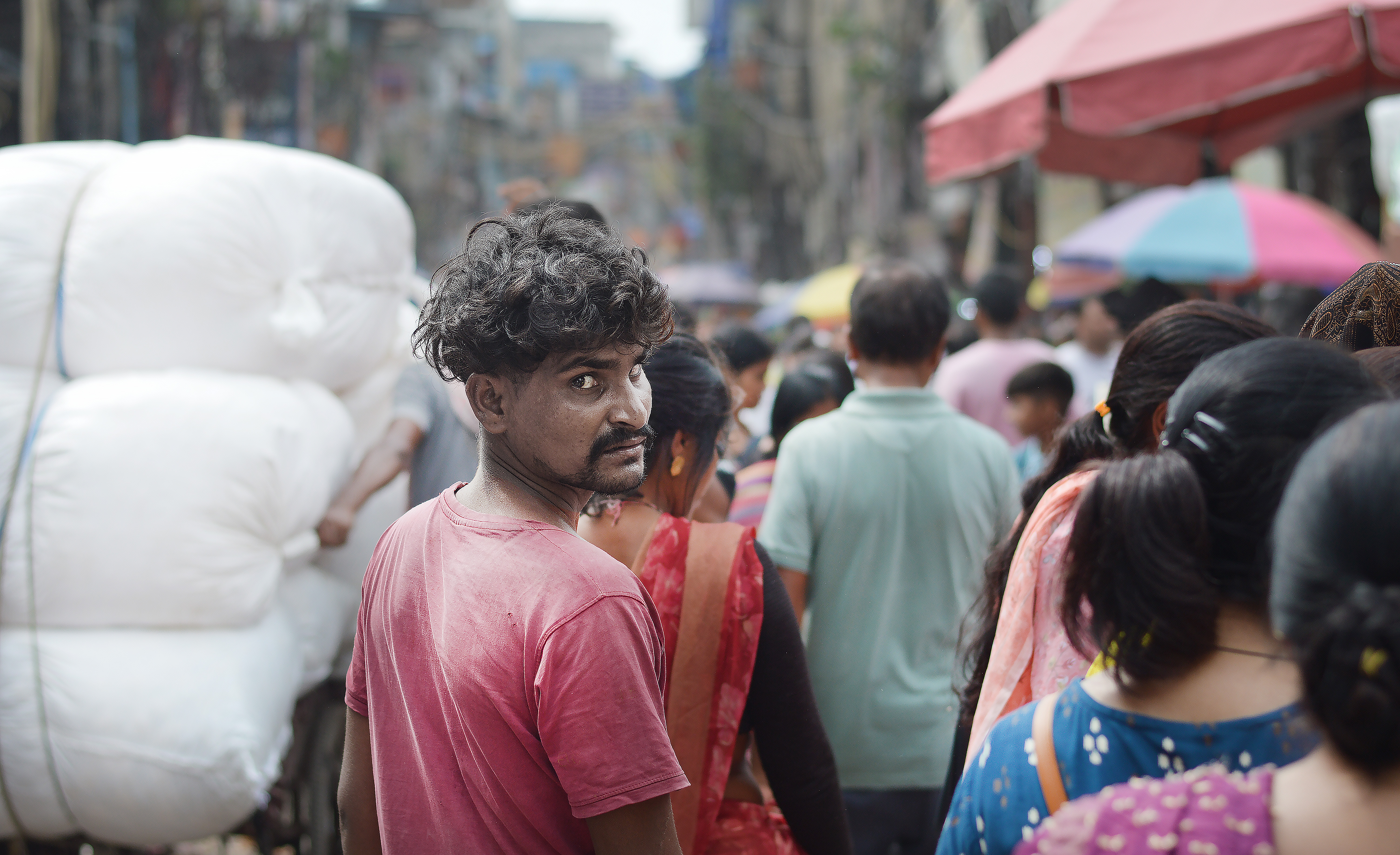
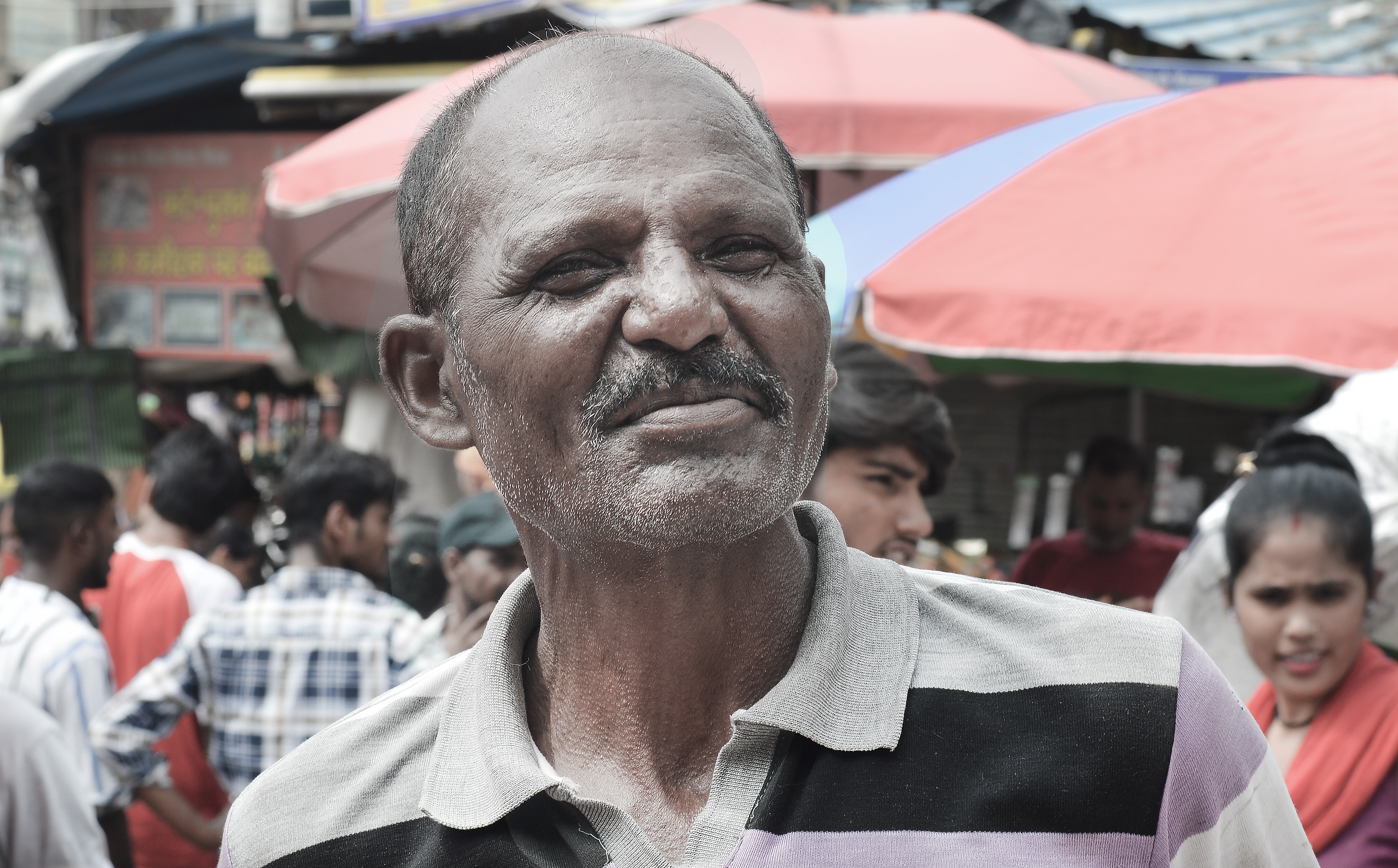
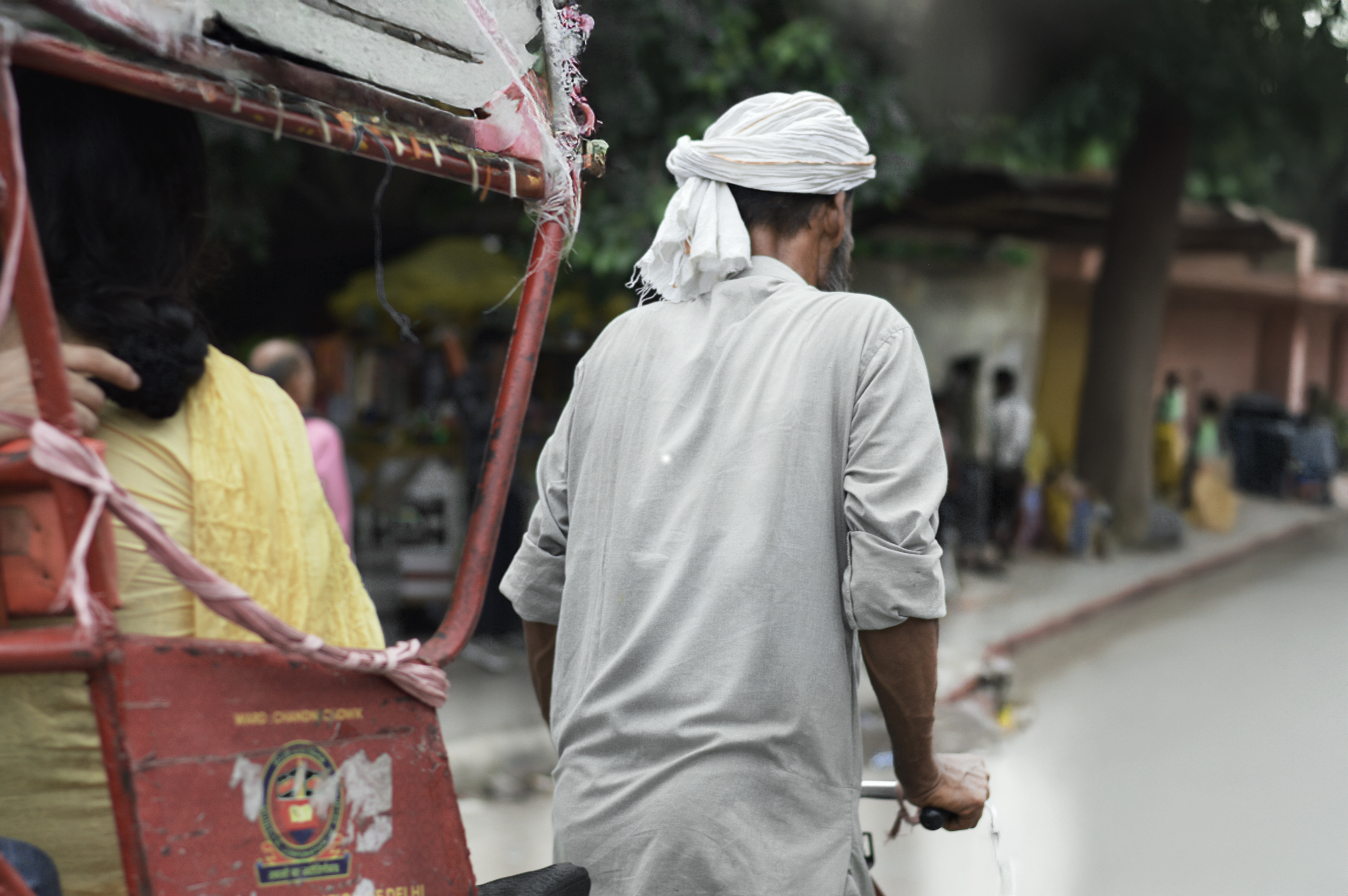
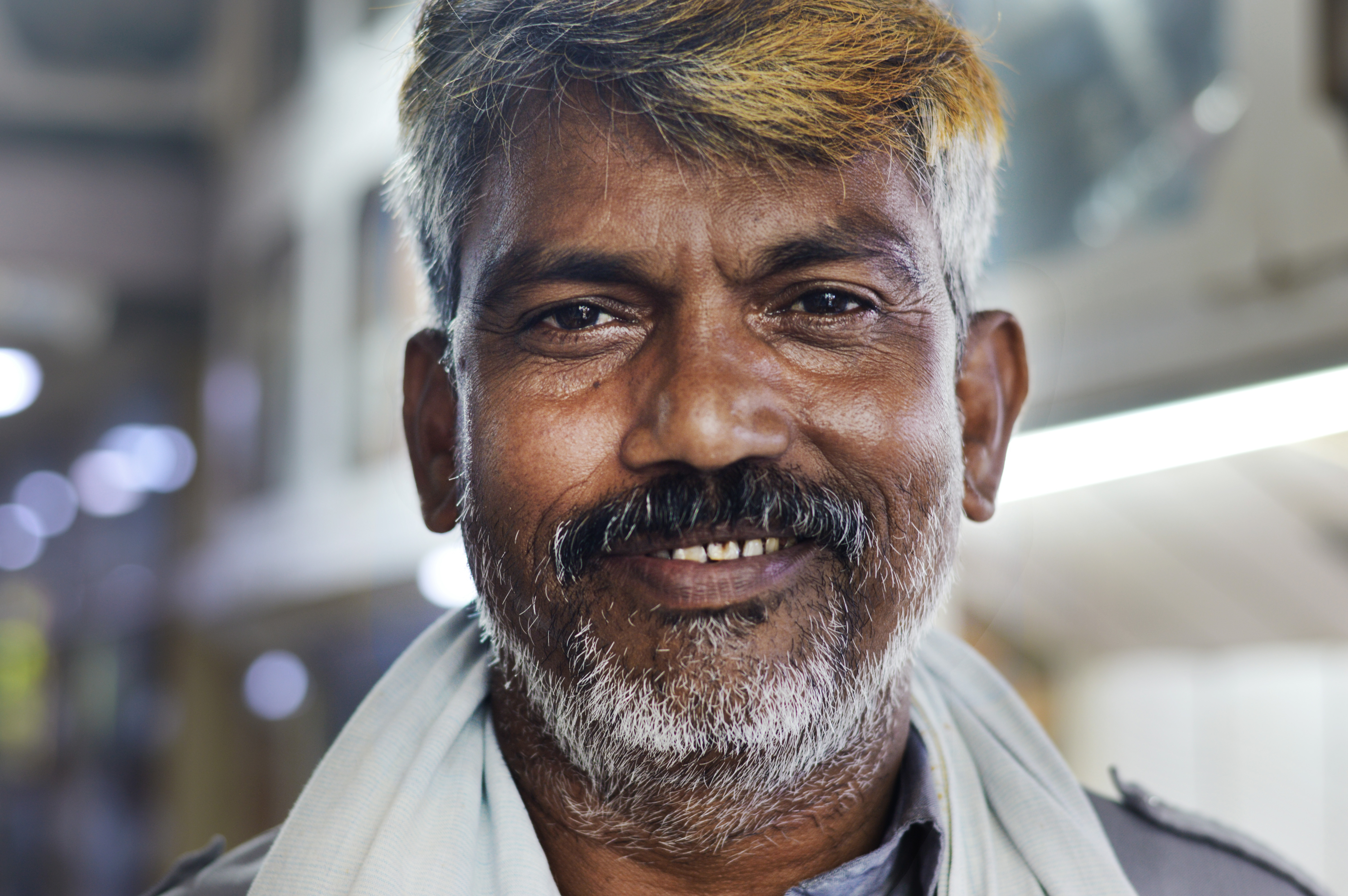
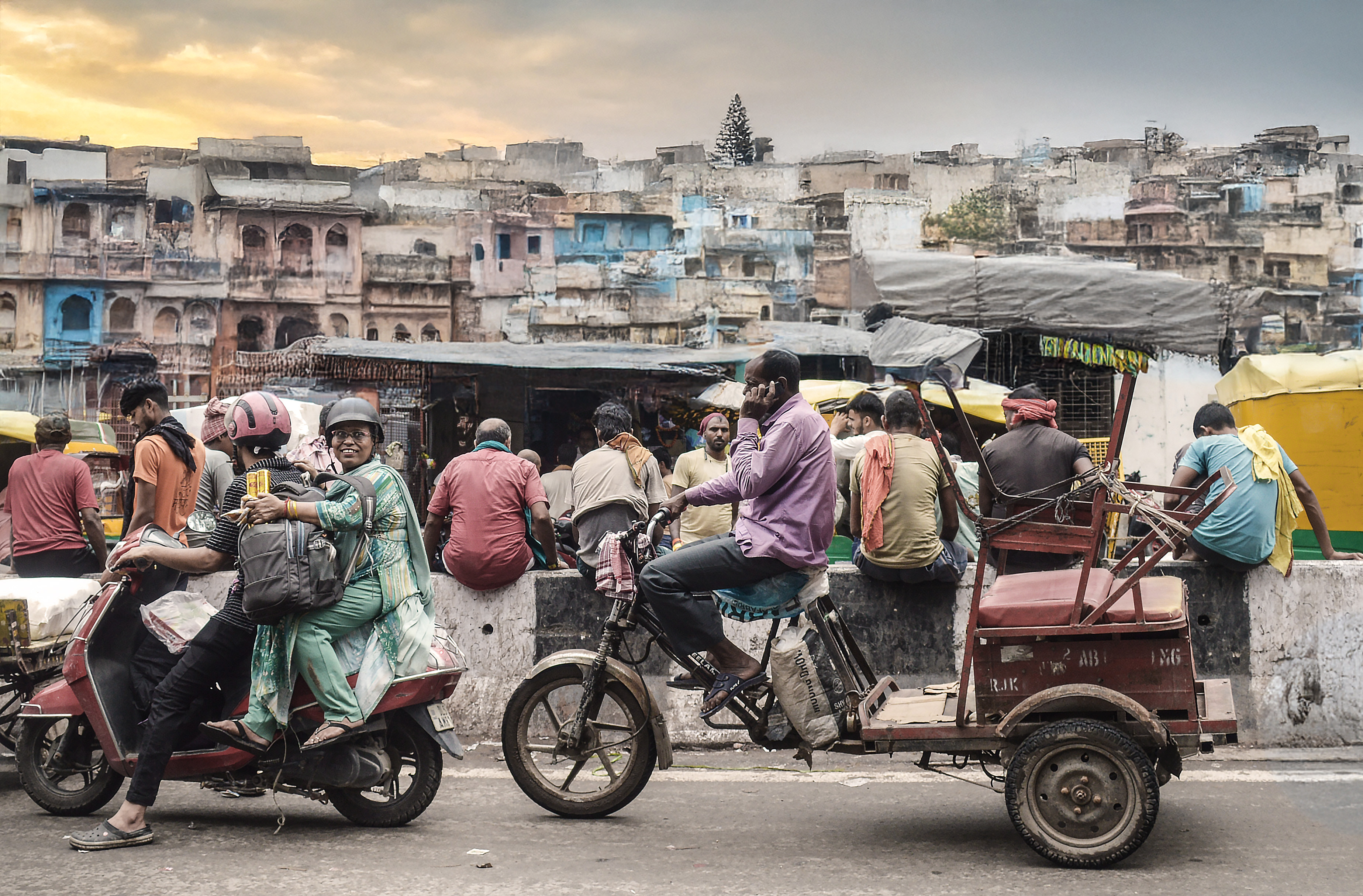
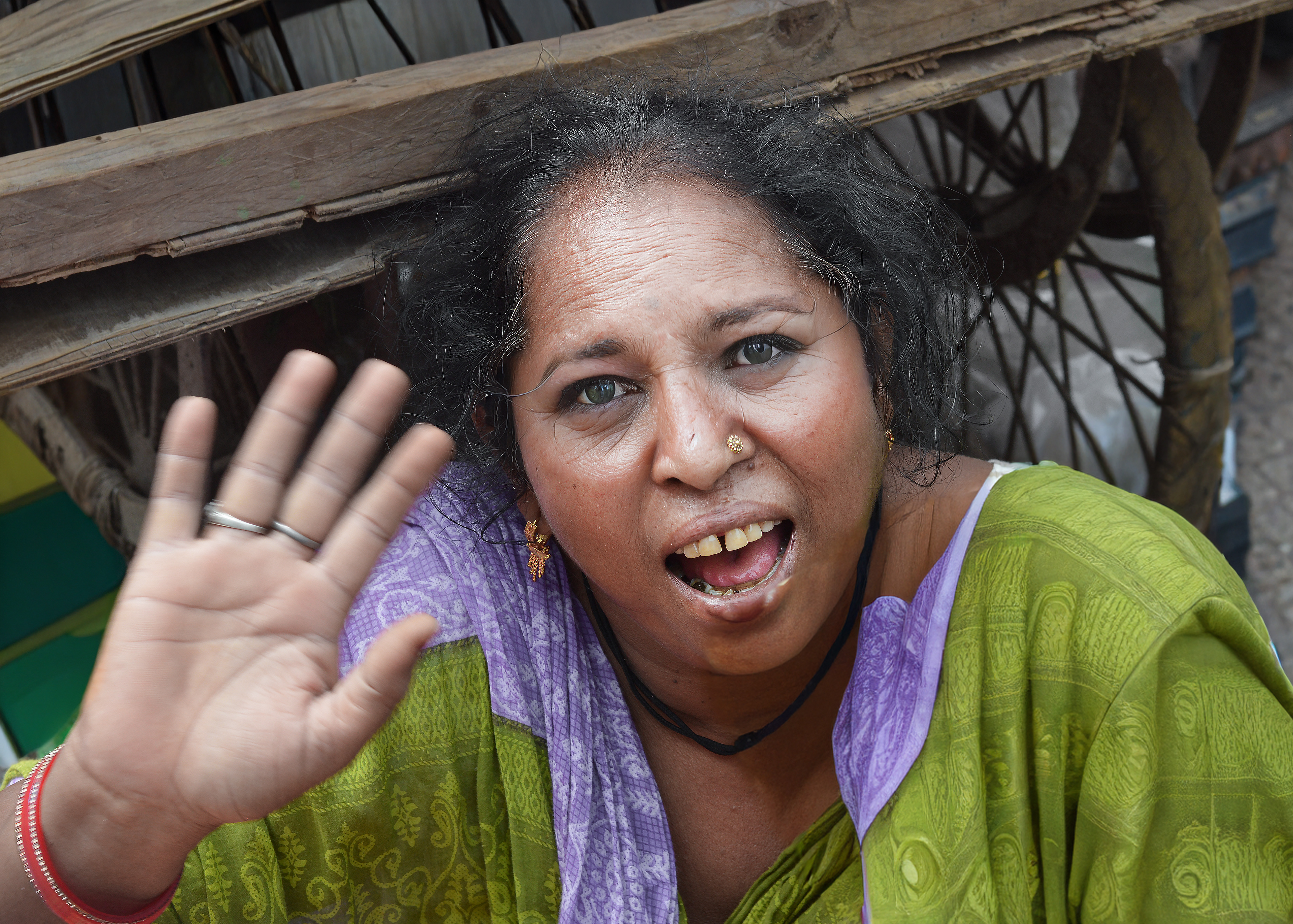
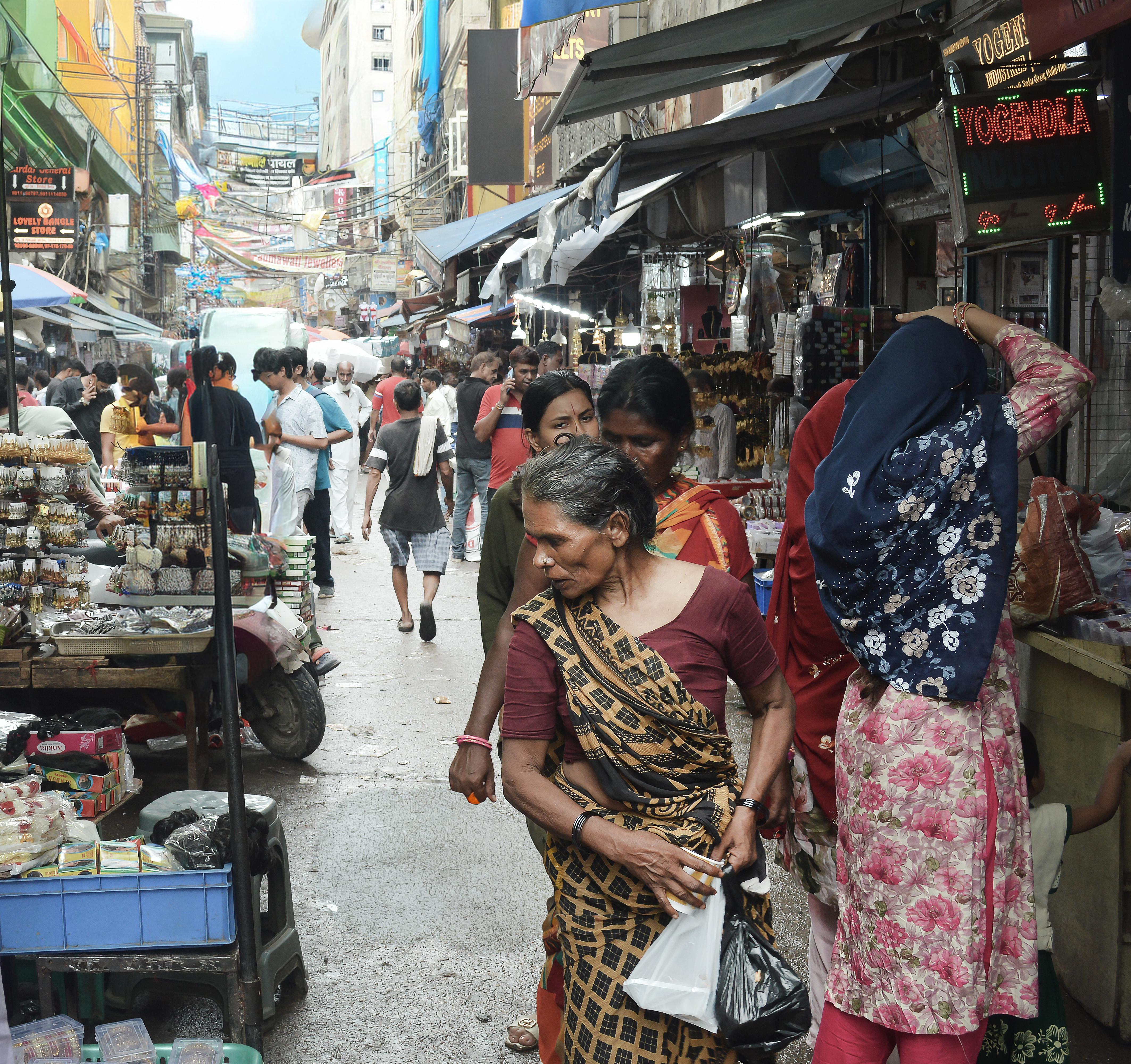
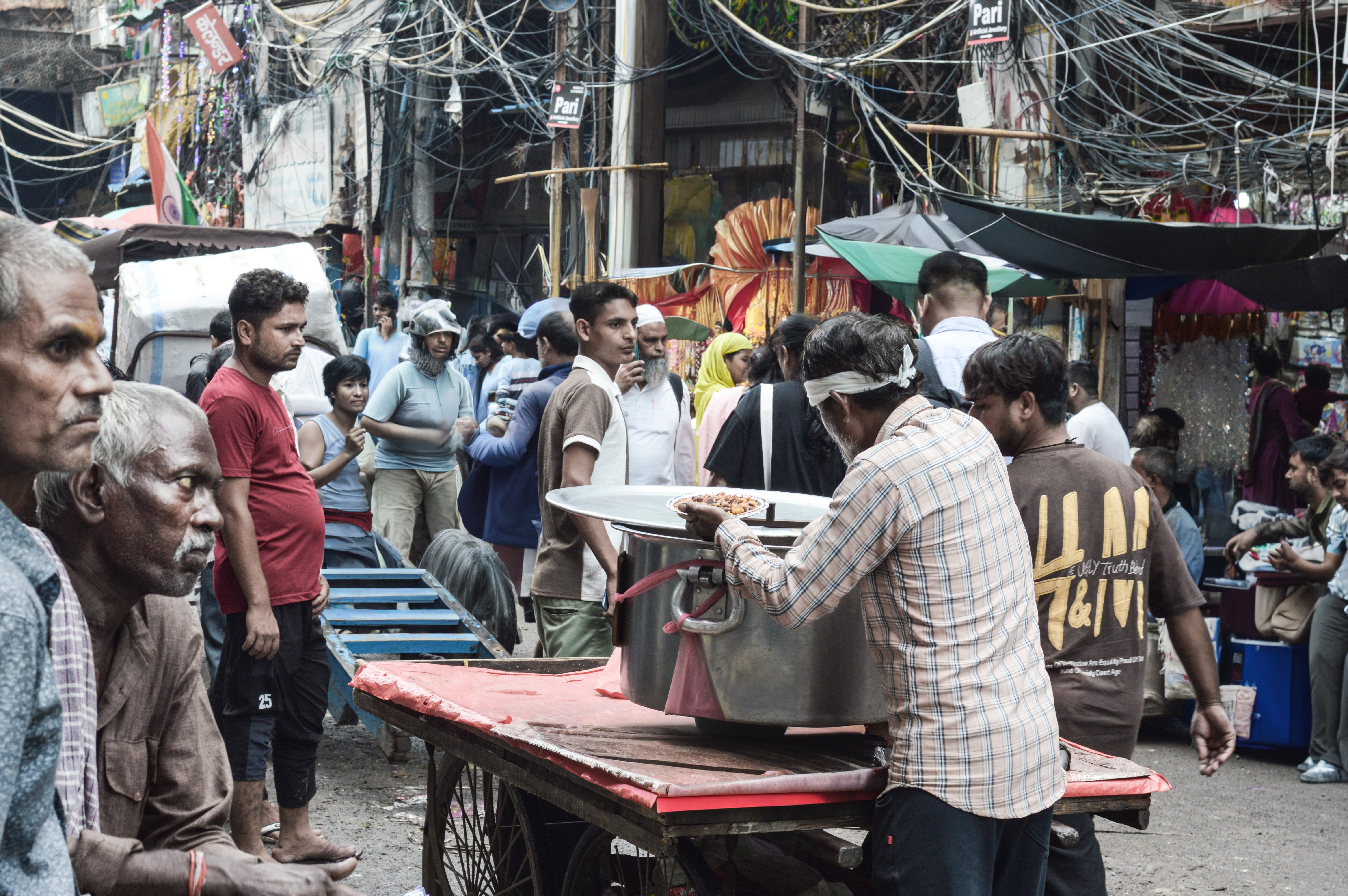
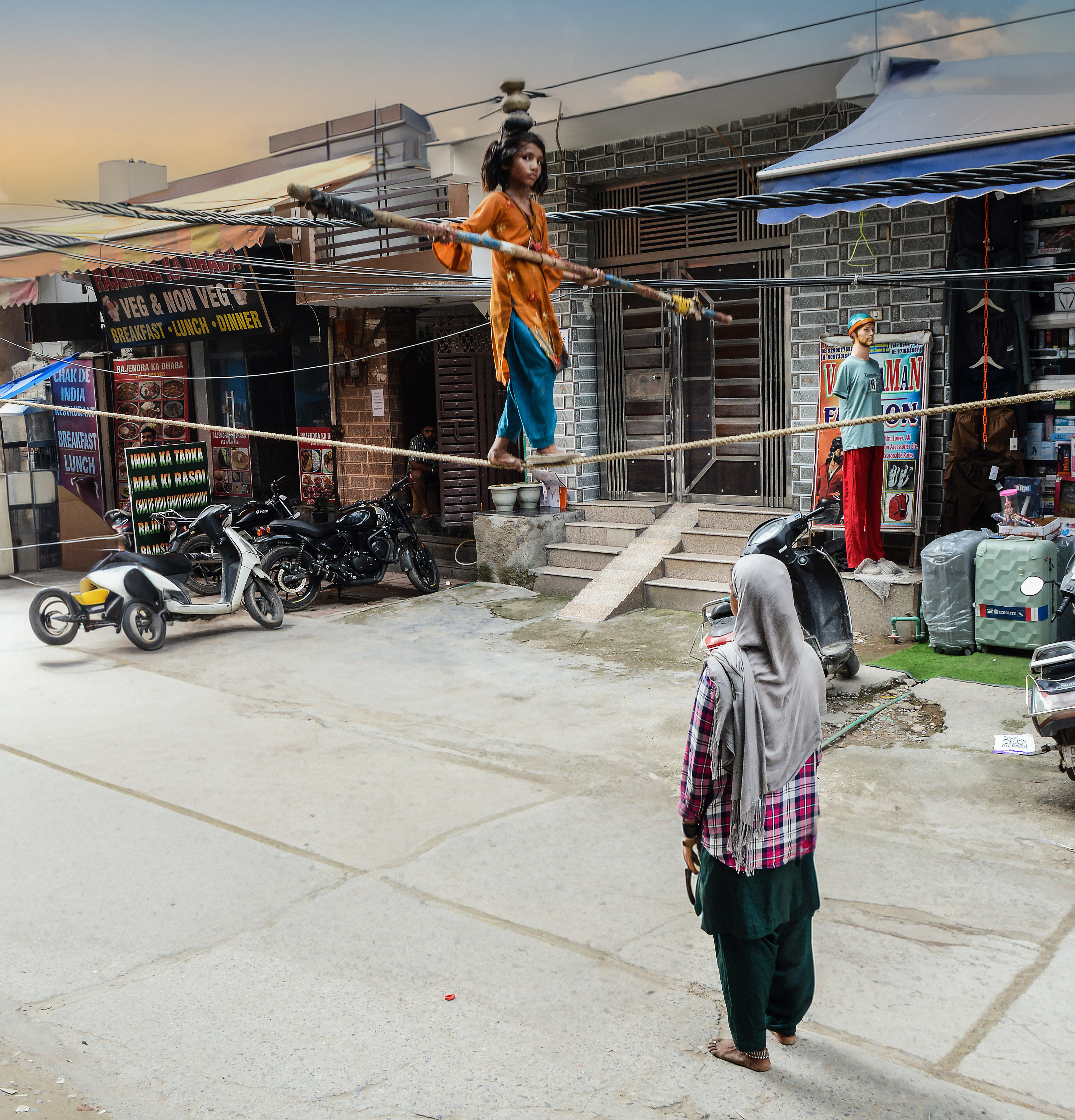
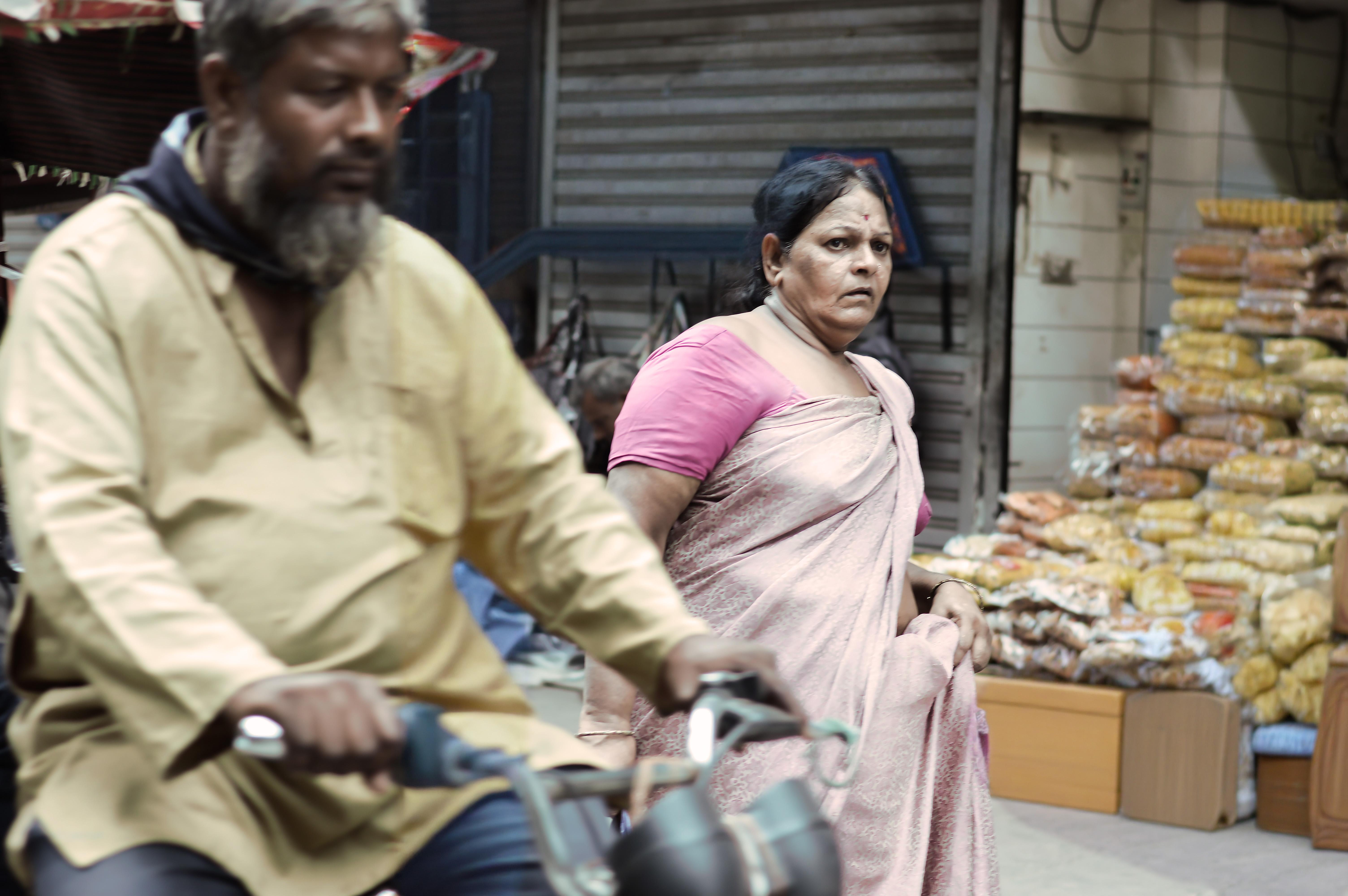
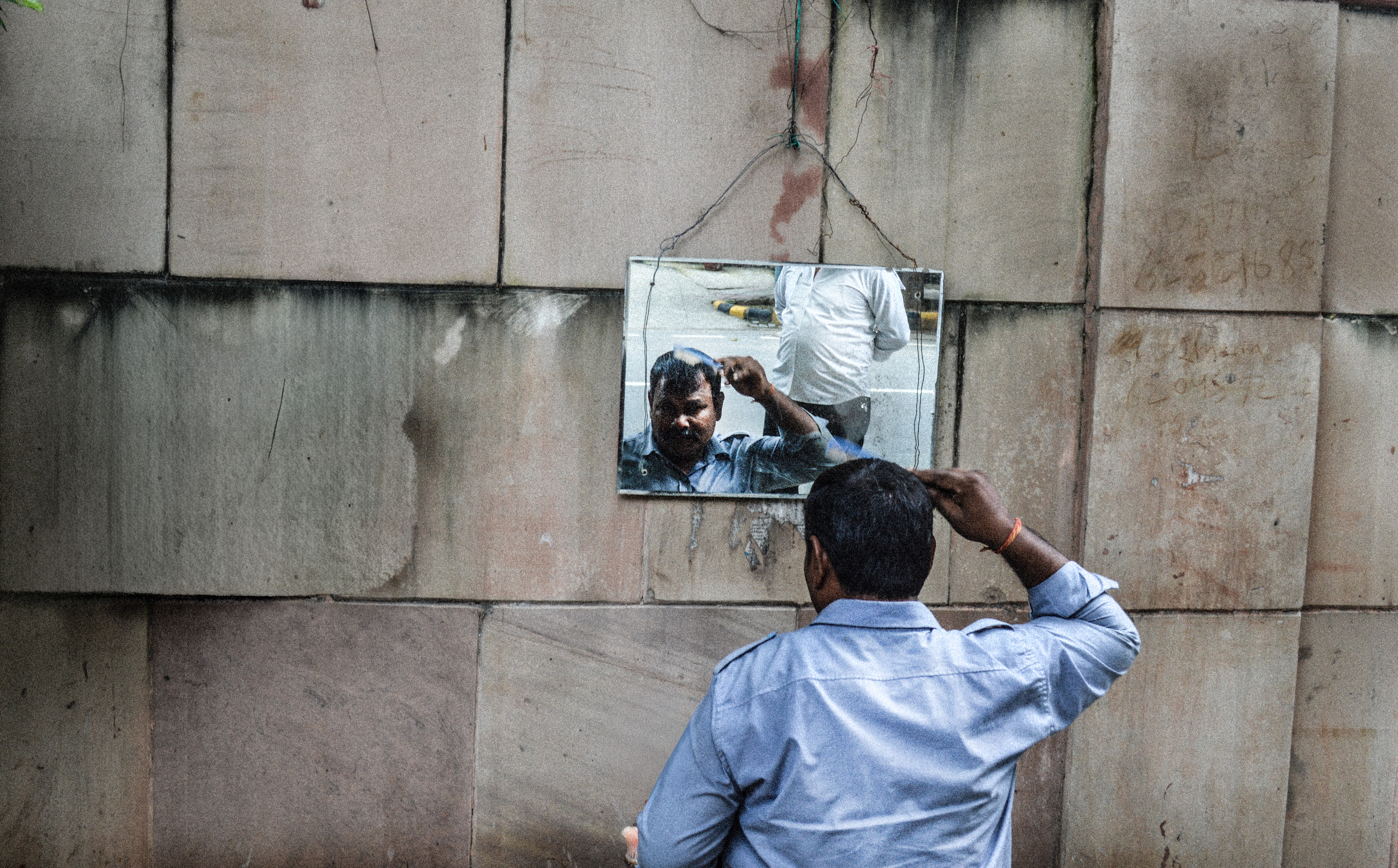
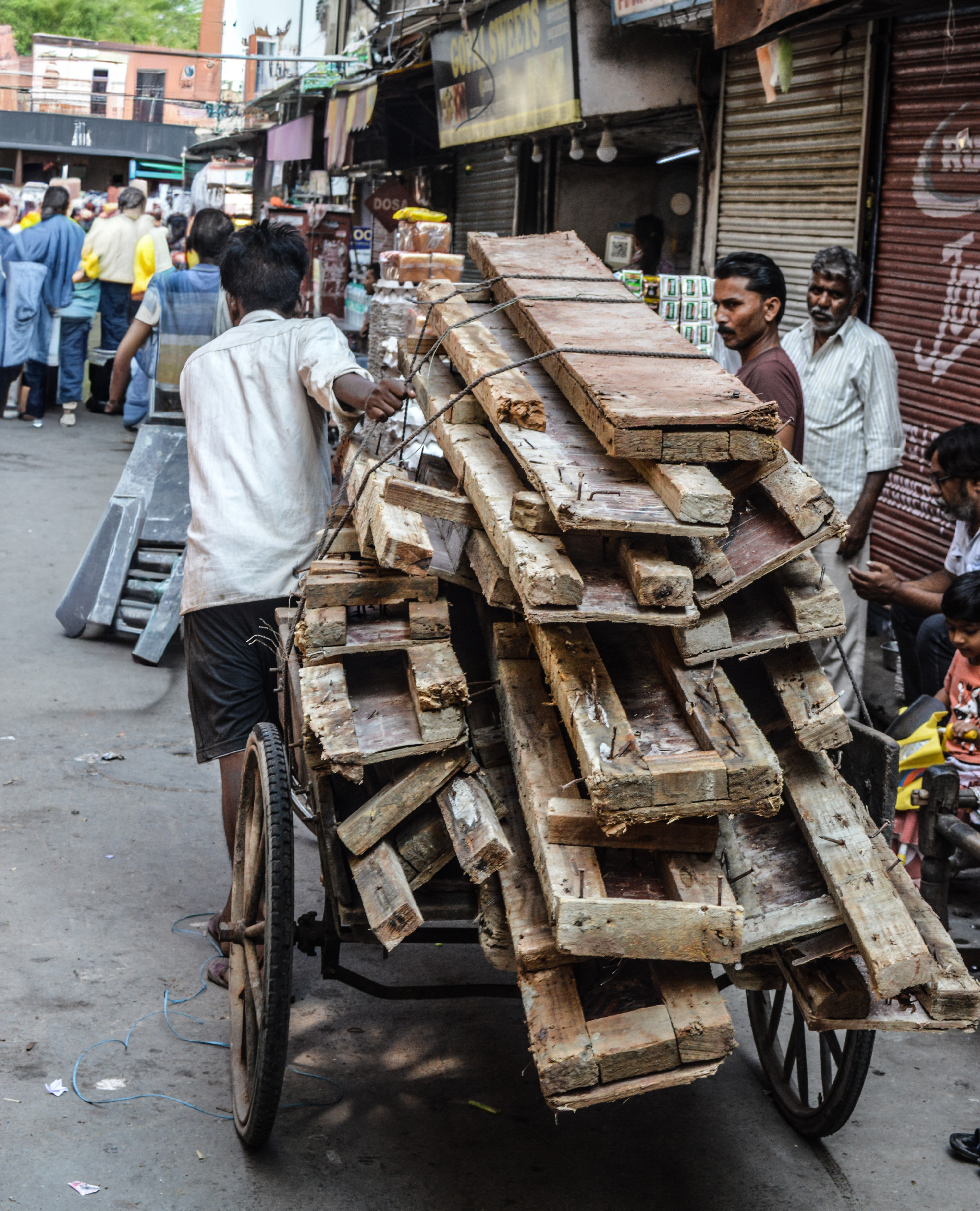
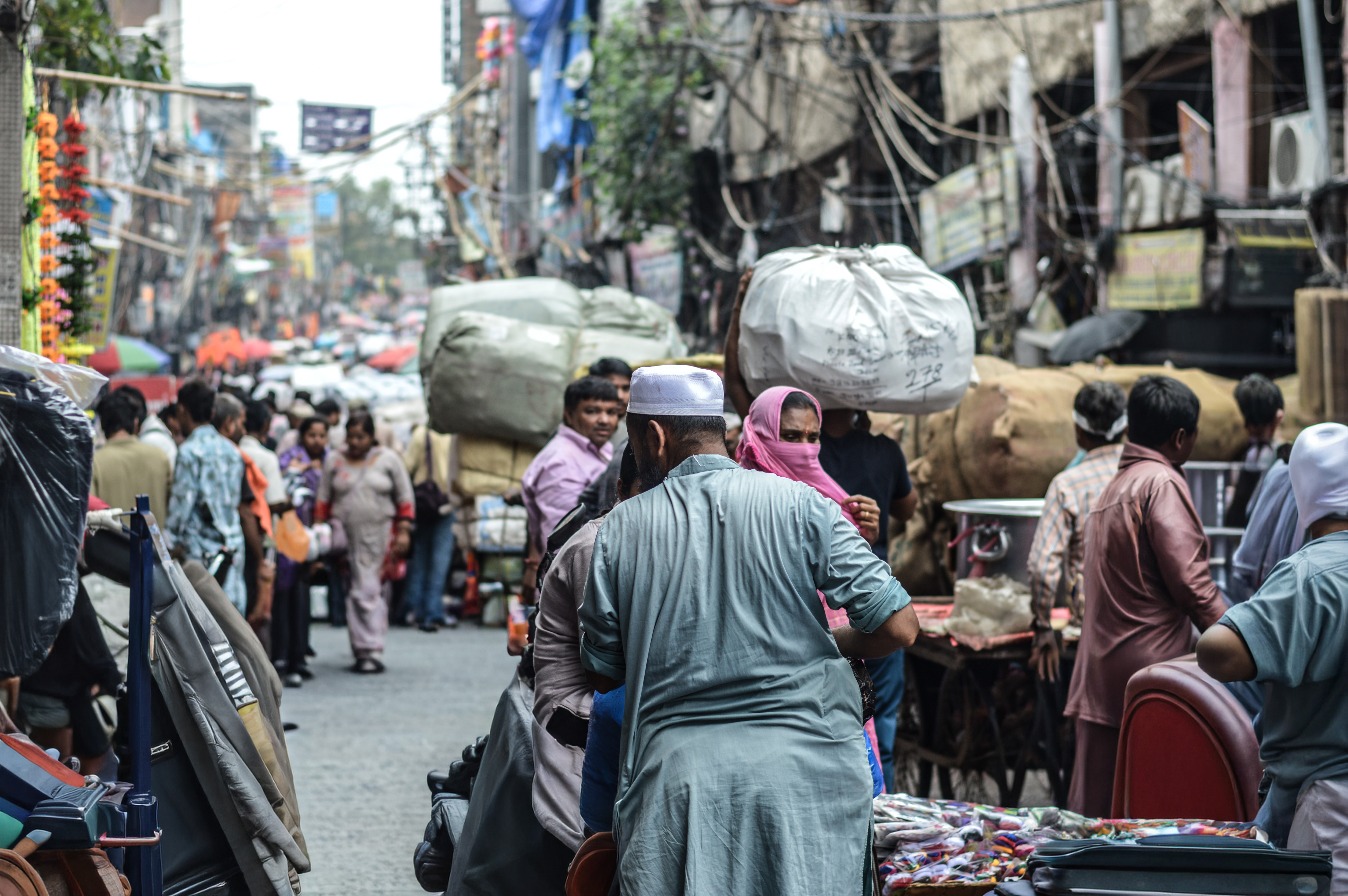
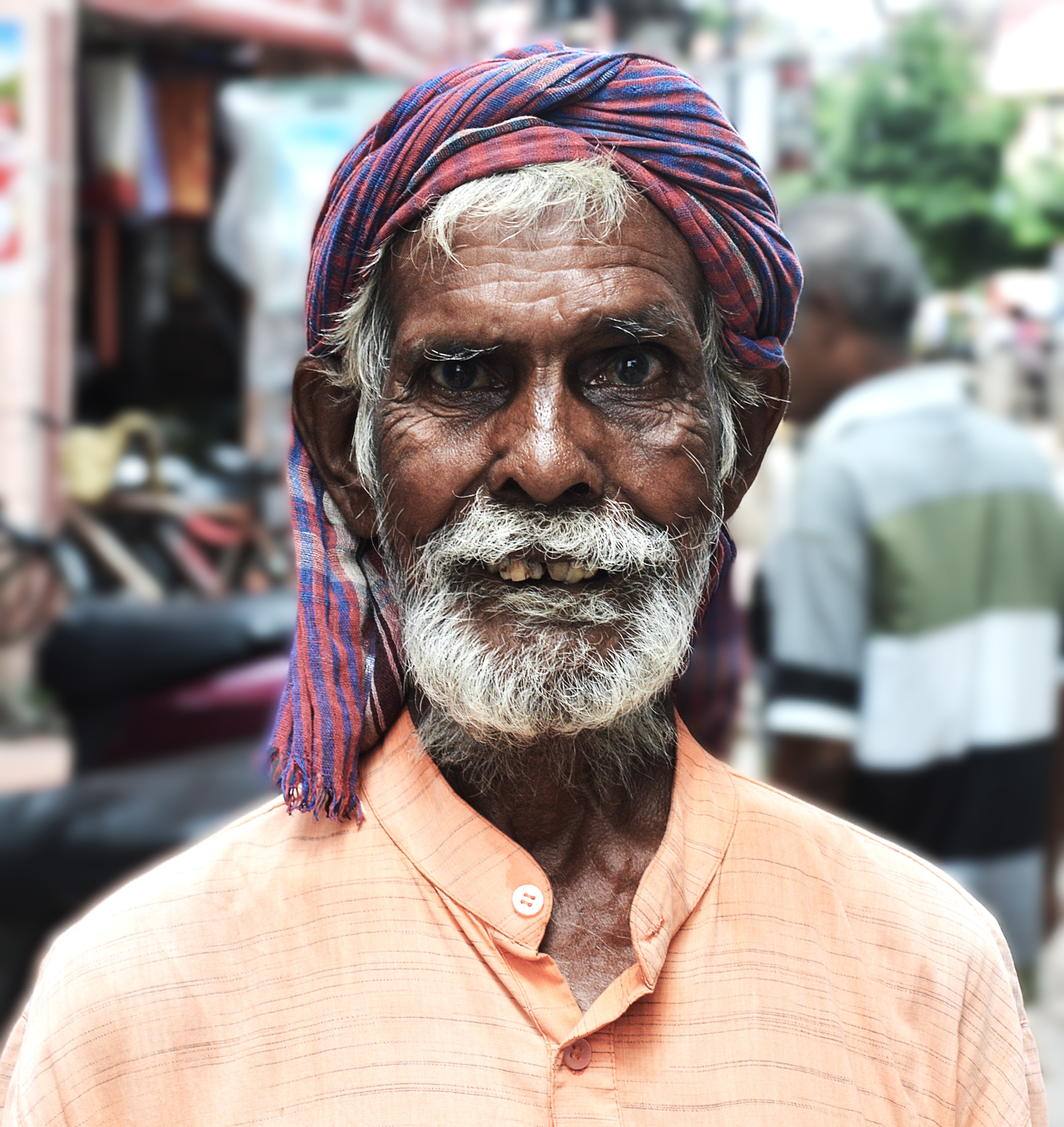
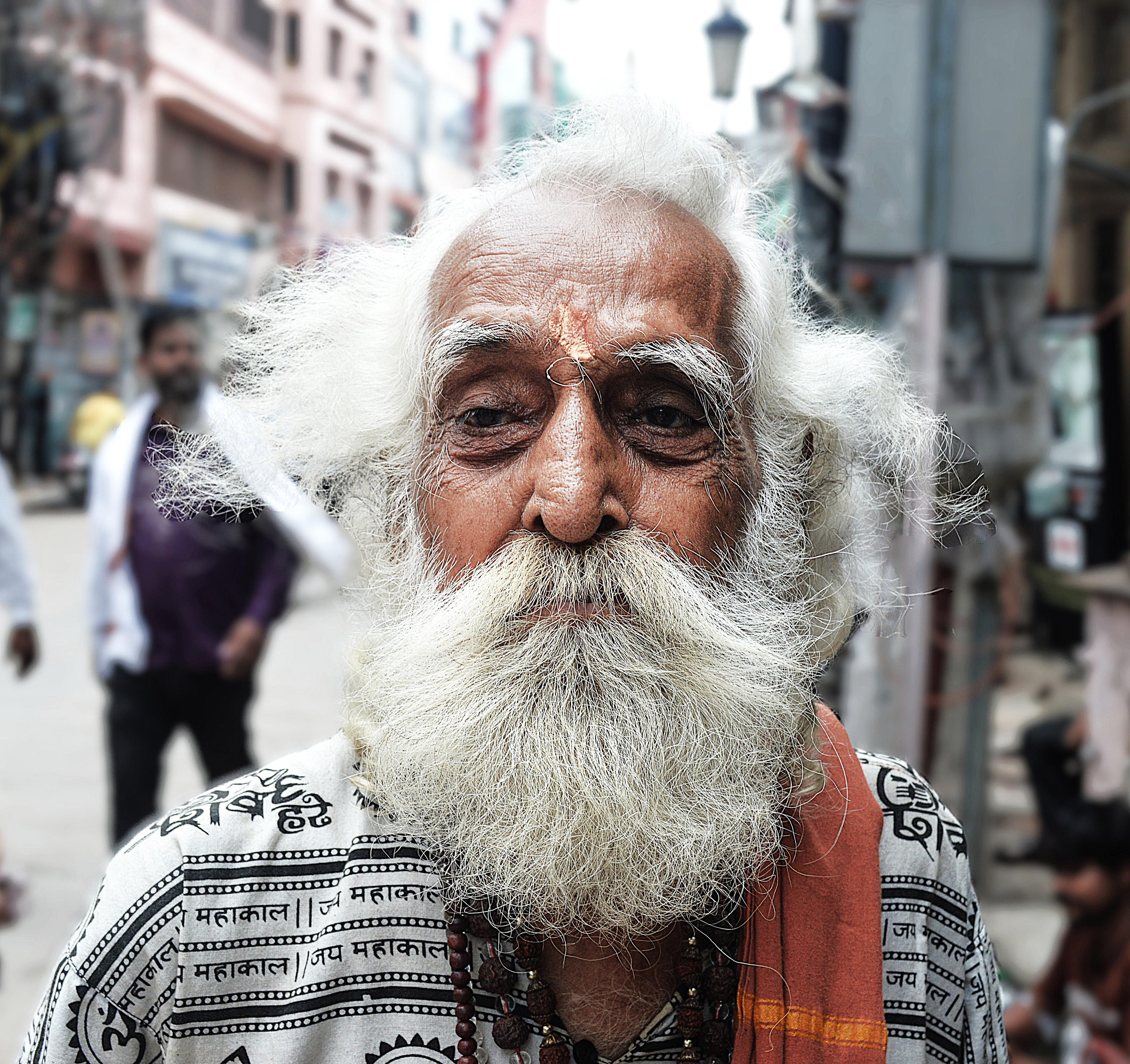
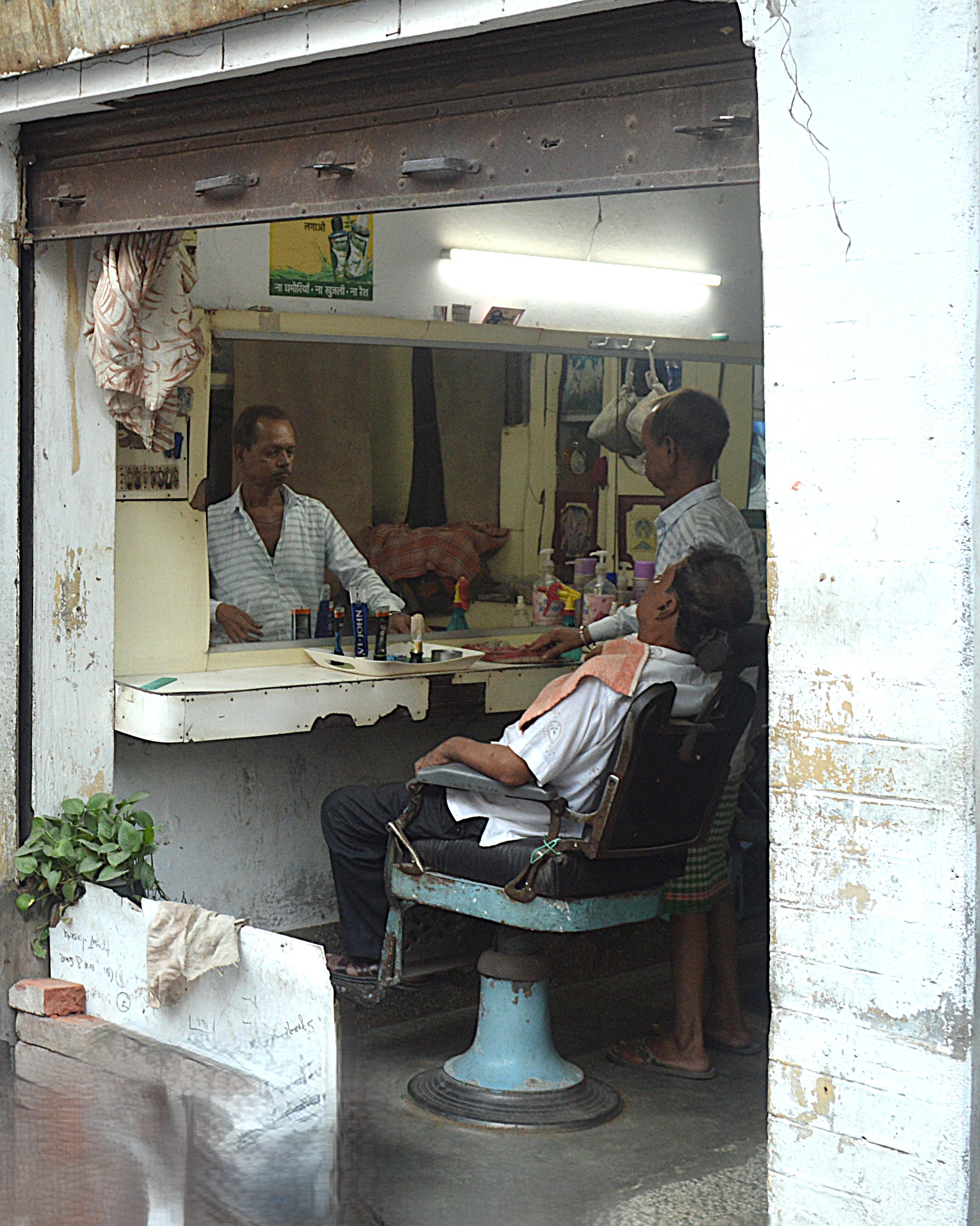
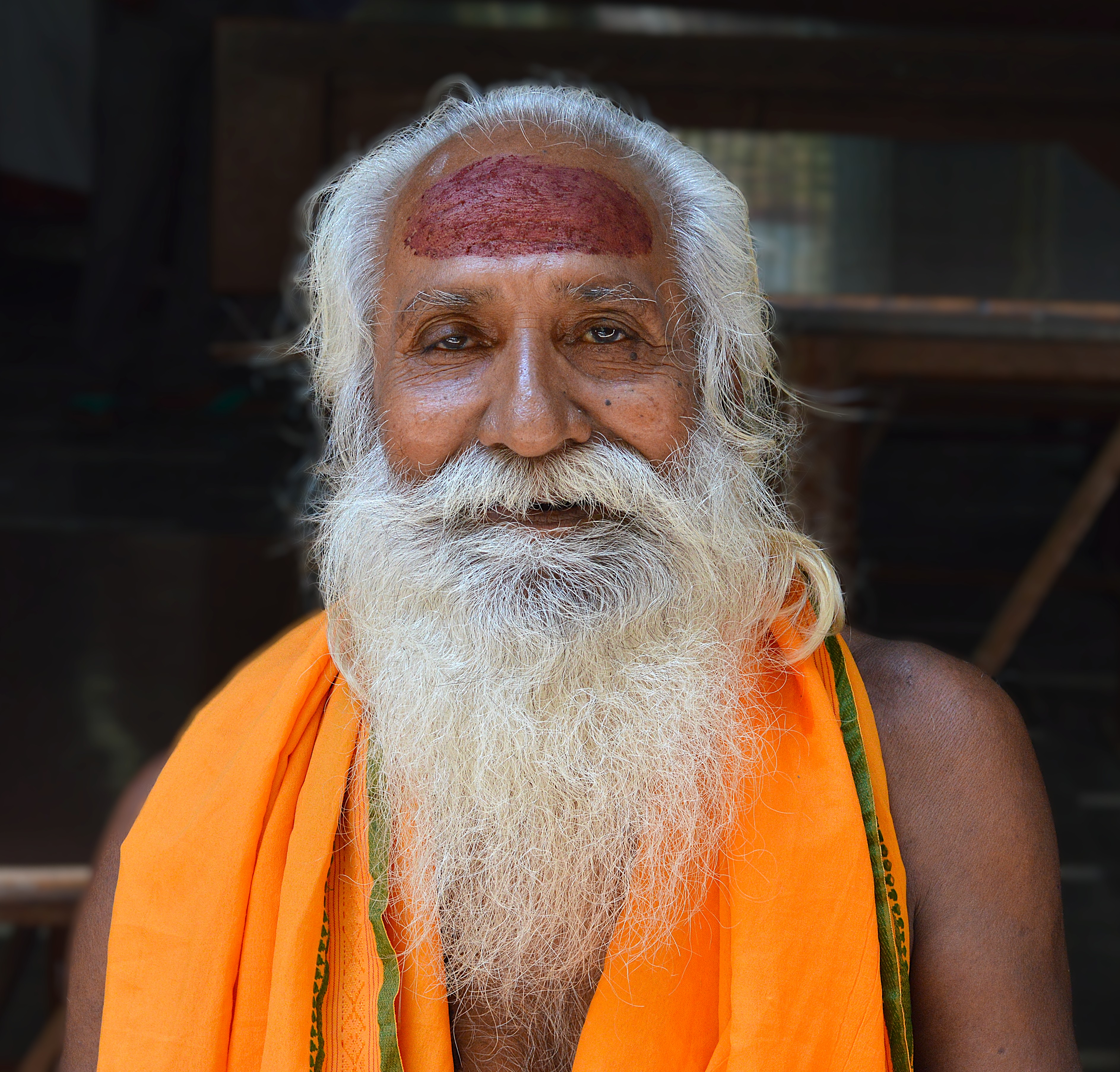
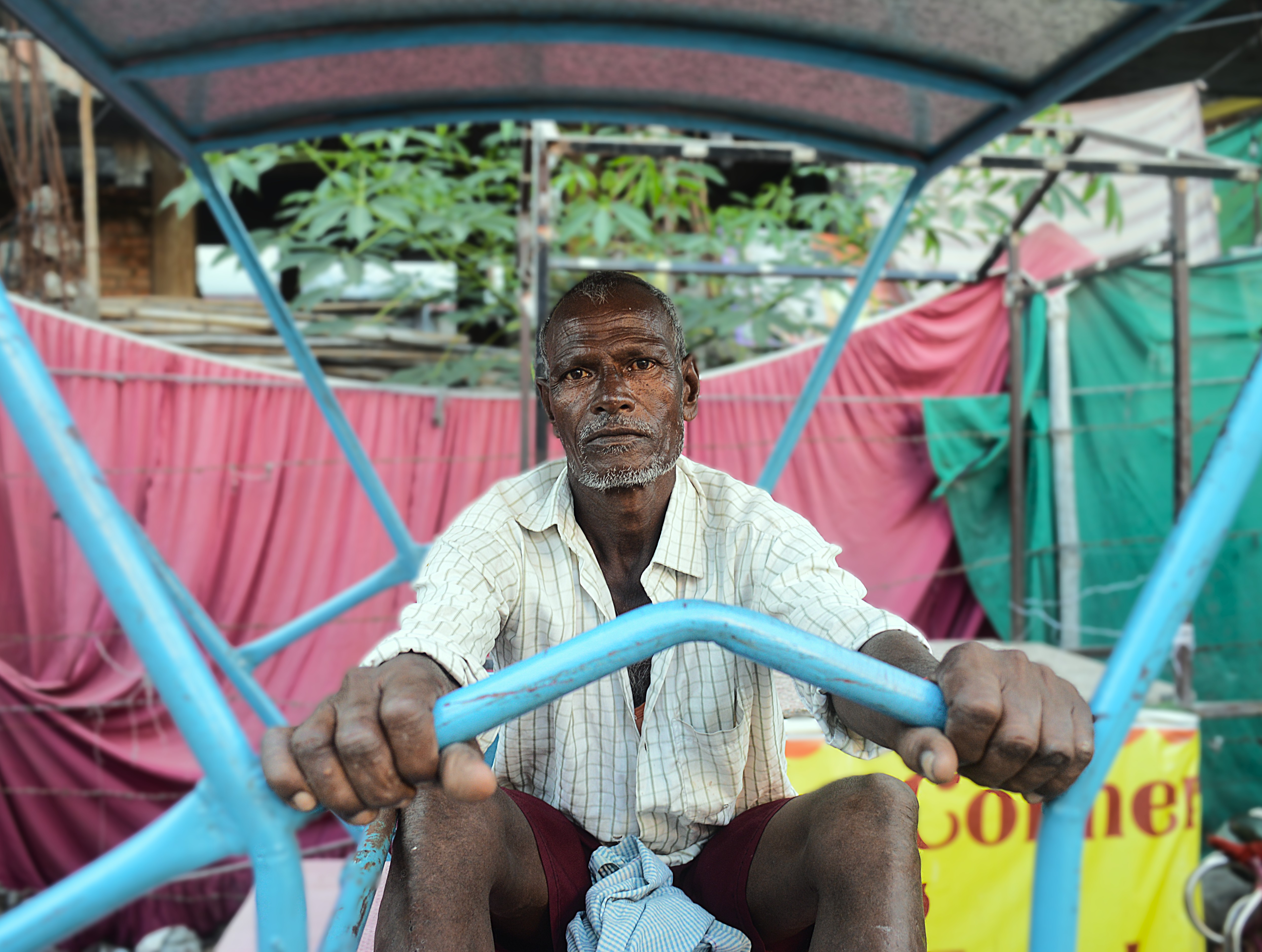
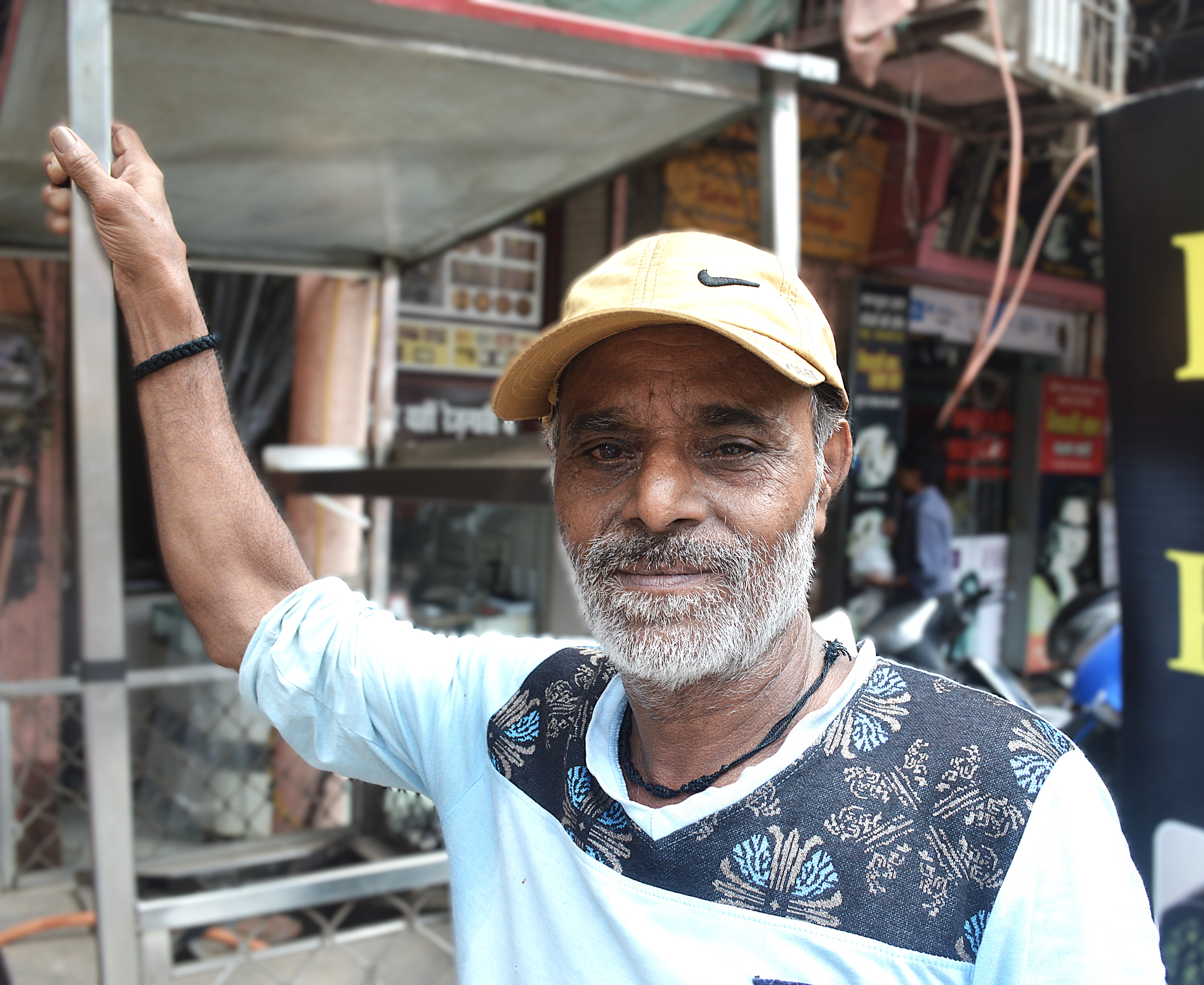
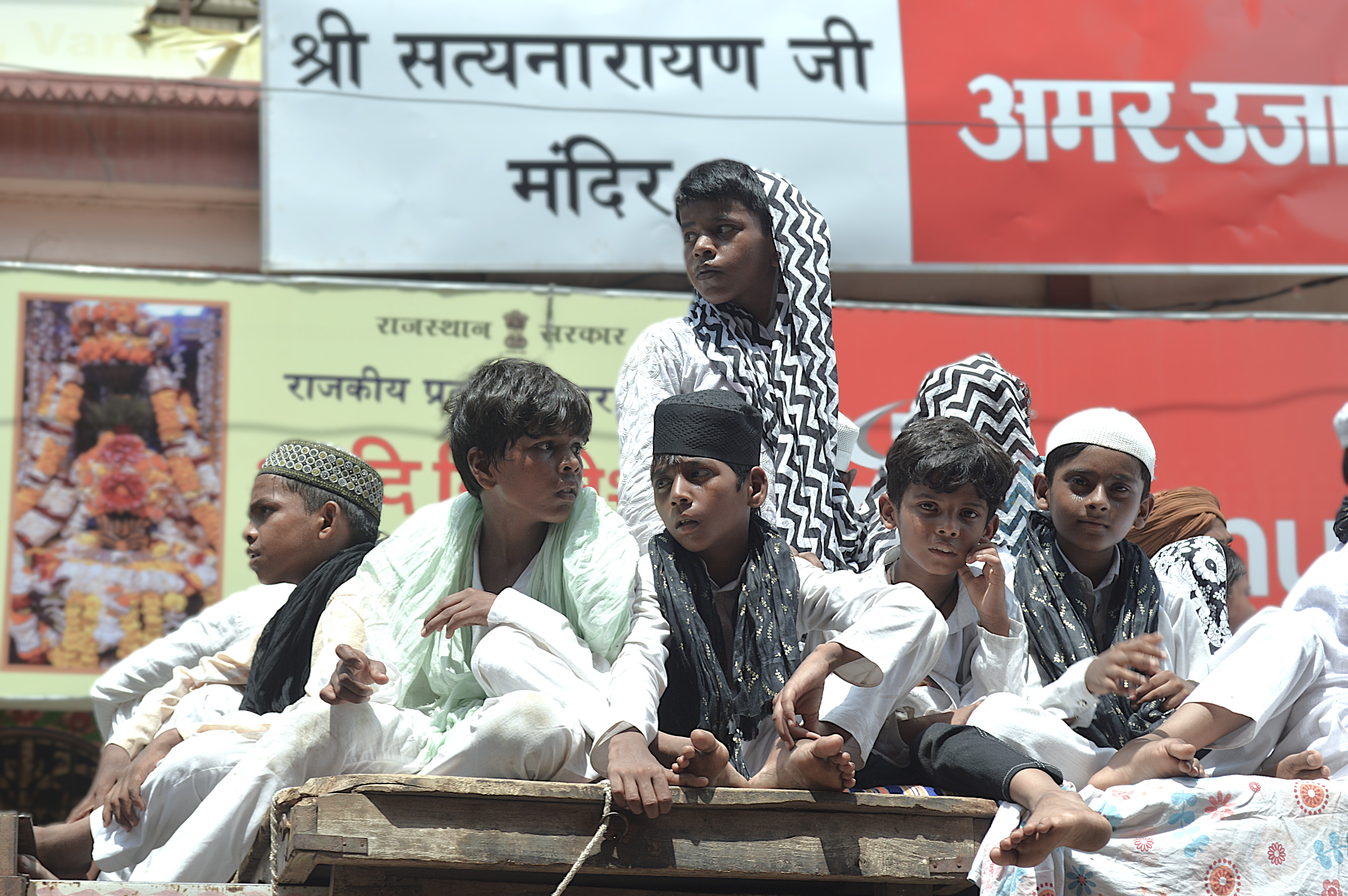
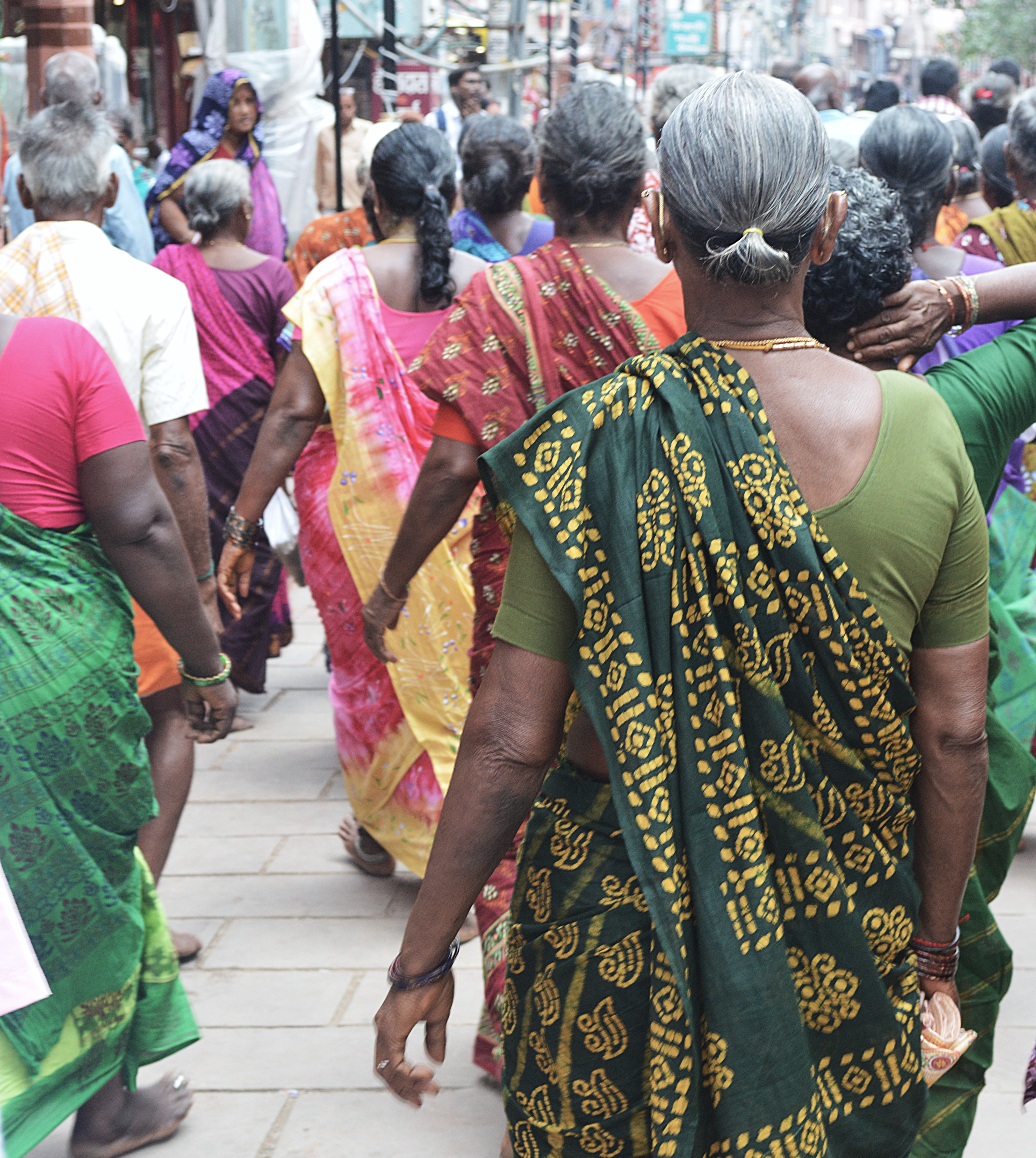
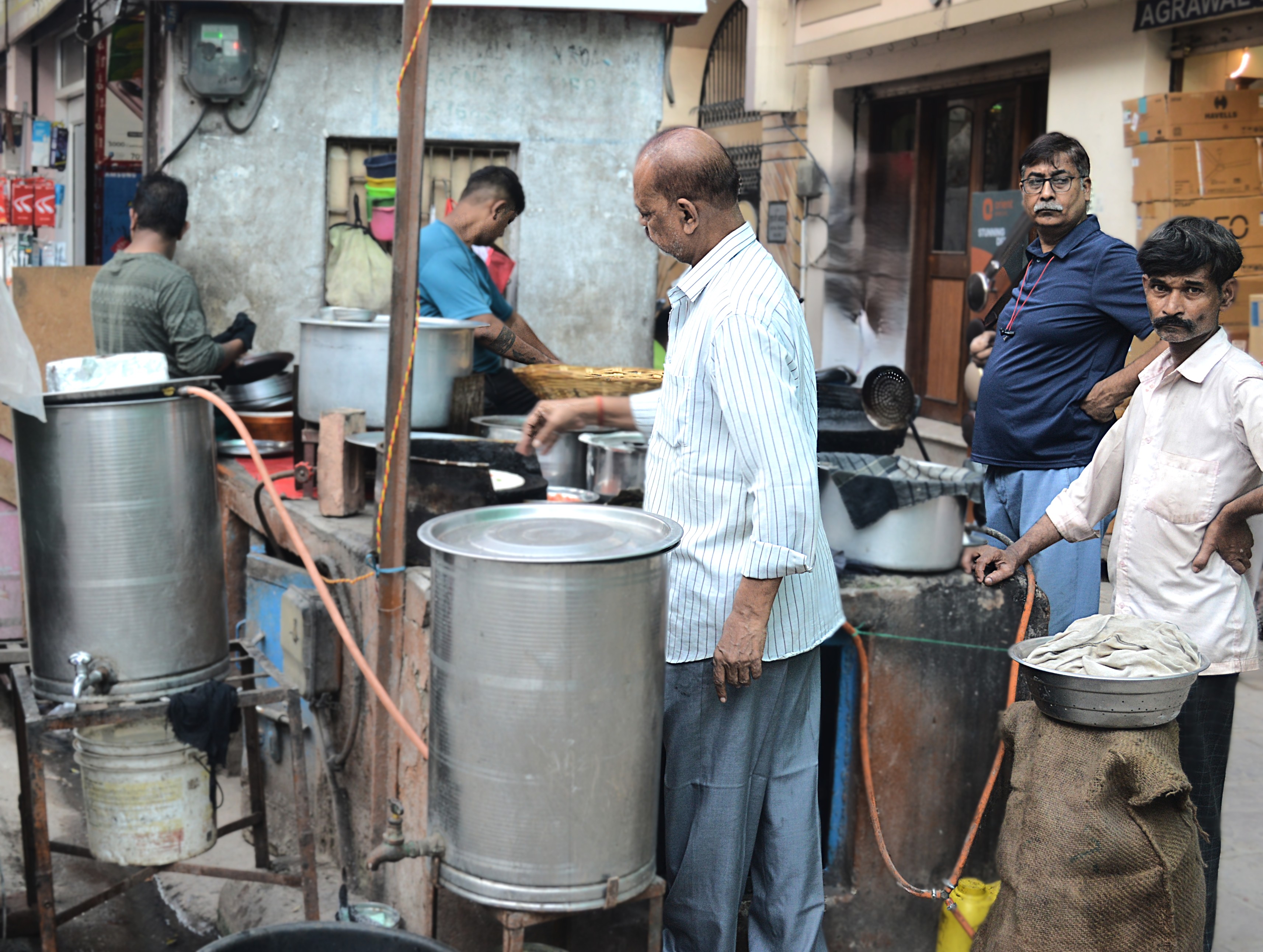
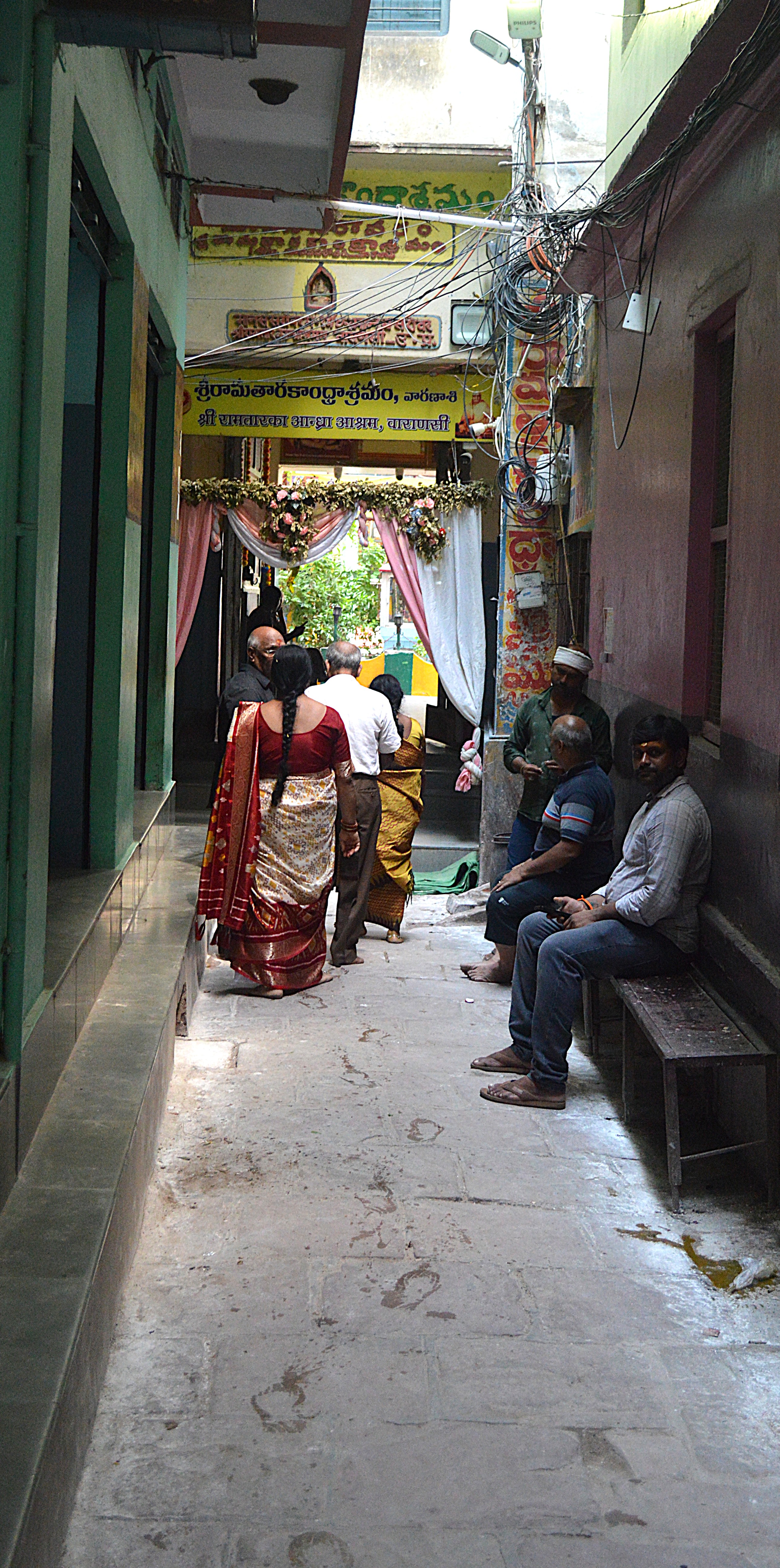
Just a few glimpses of Delhi, photography wasn’t allowed in many places, so I had to rely on memory more than my lens. But the Swaminarayan Akshardham Temple truly stole the show. Its scale, serenity, and spirit moved me more than the Taj Mahal ever did. And honestly, the greatest treasure of India? The people on the streets. Their warmth, energy, and everyday grace made this journey unforgettable.

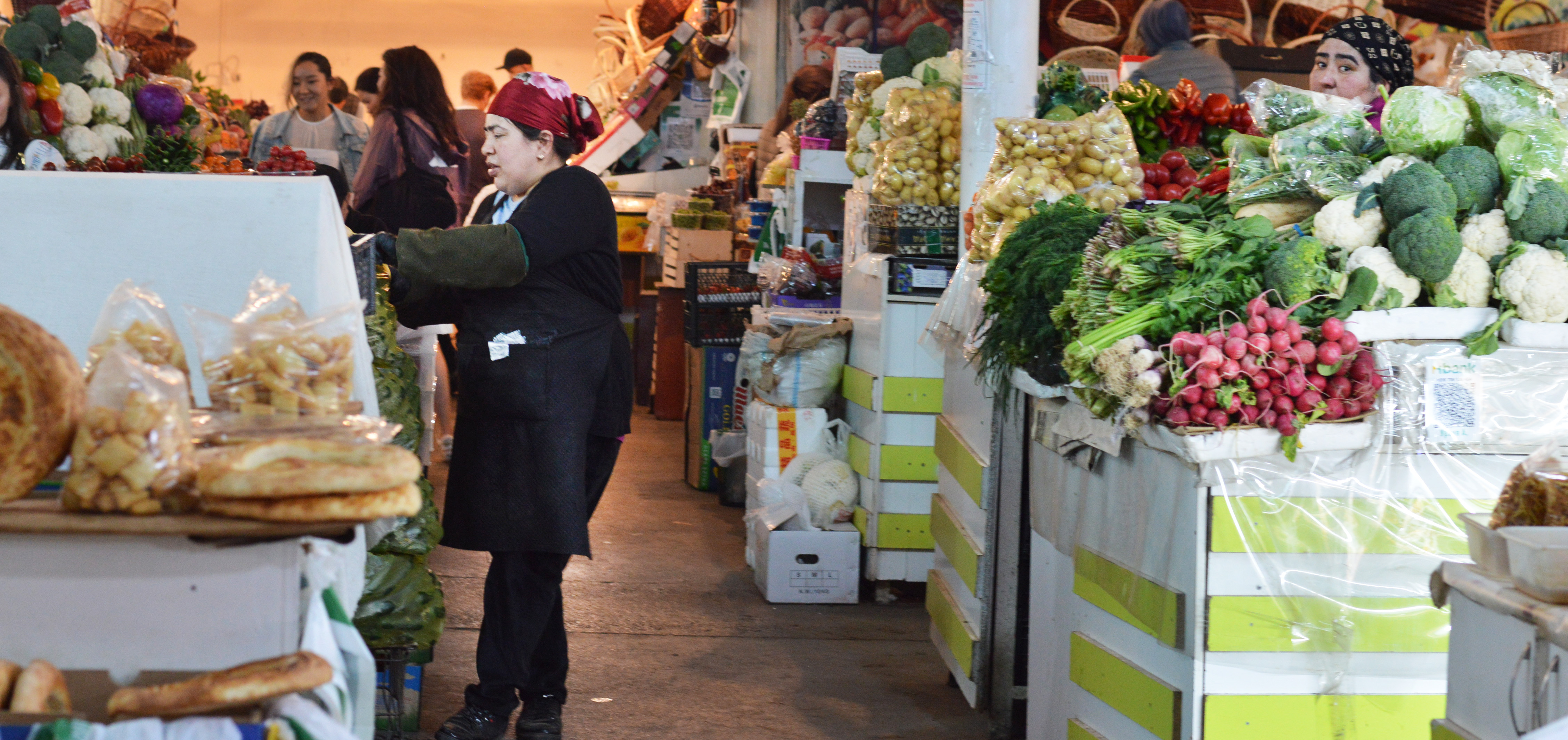
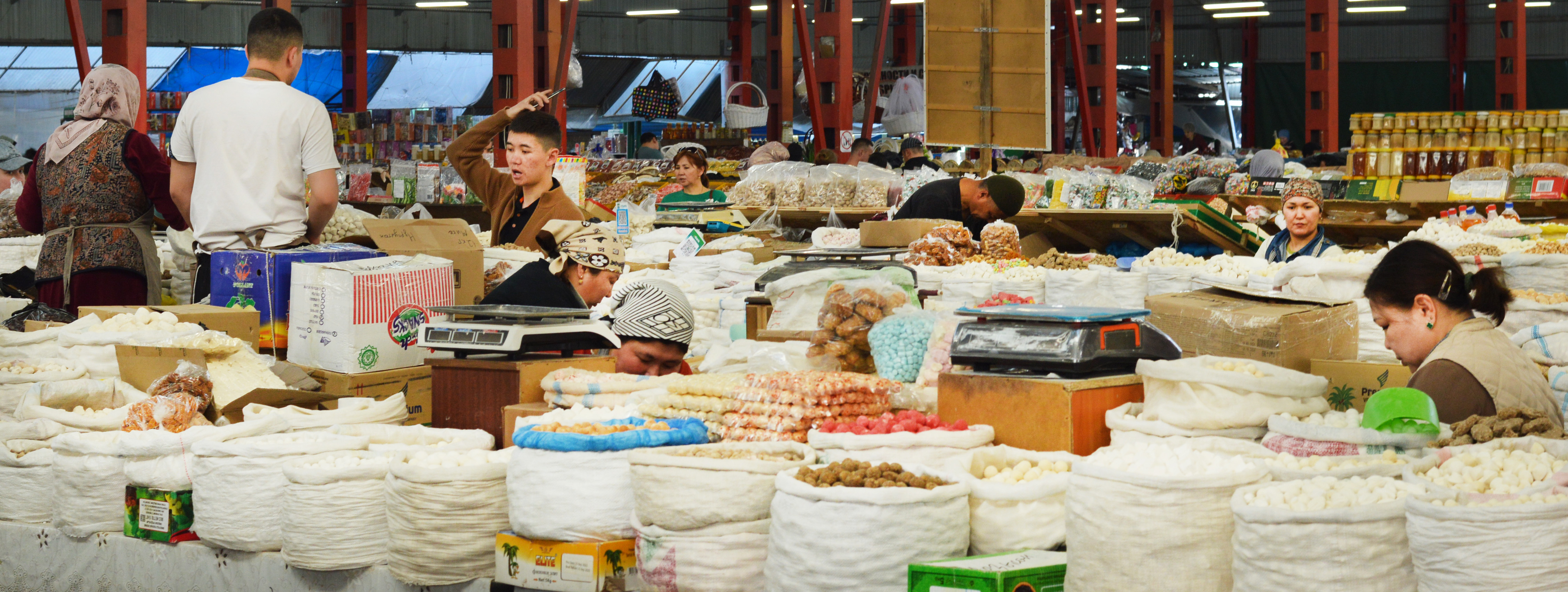
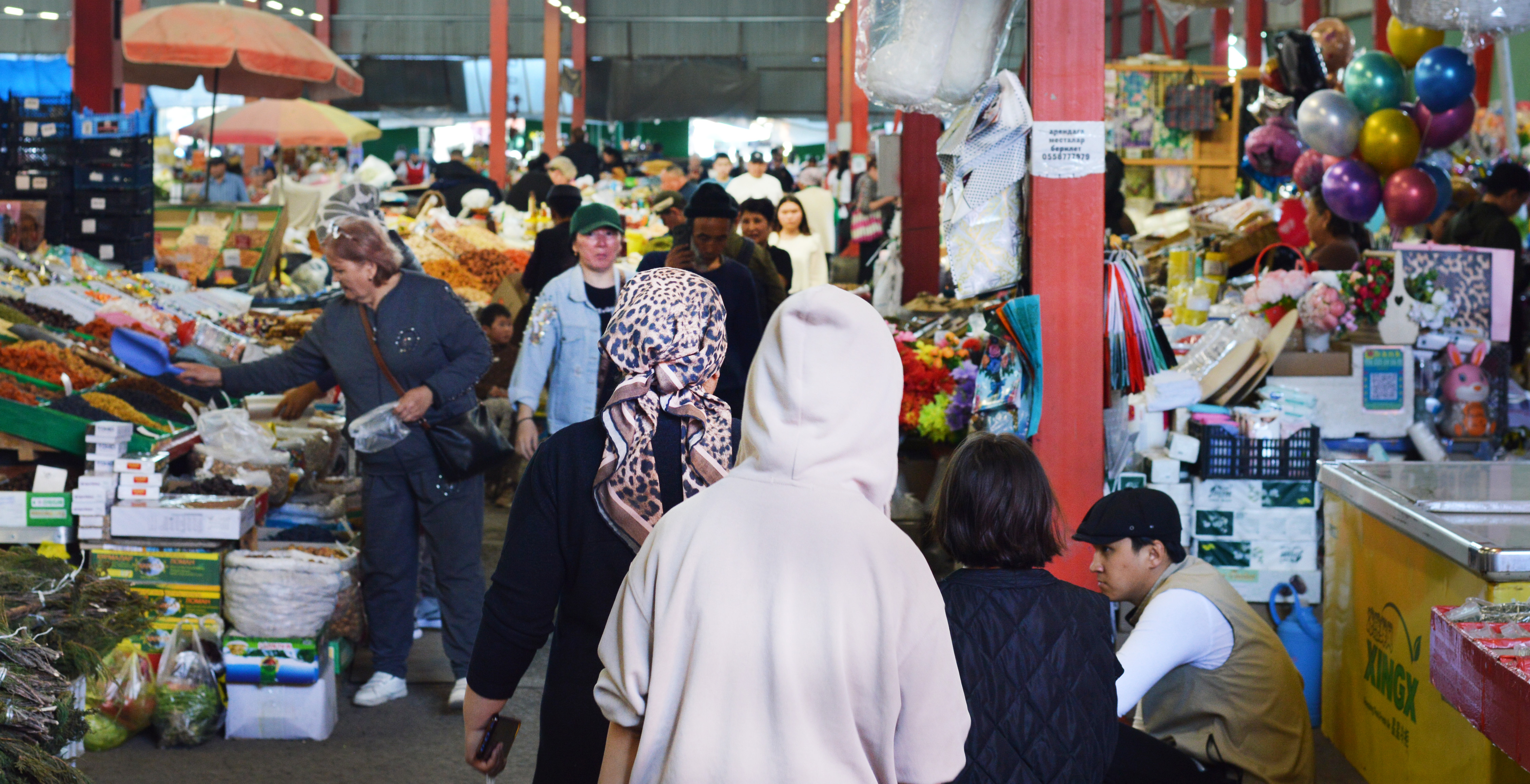
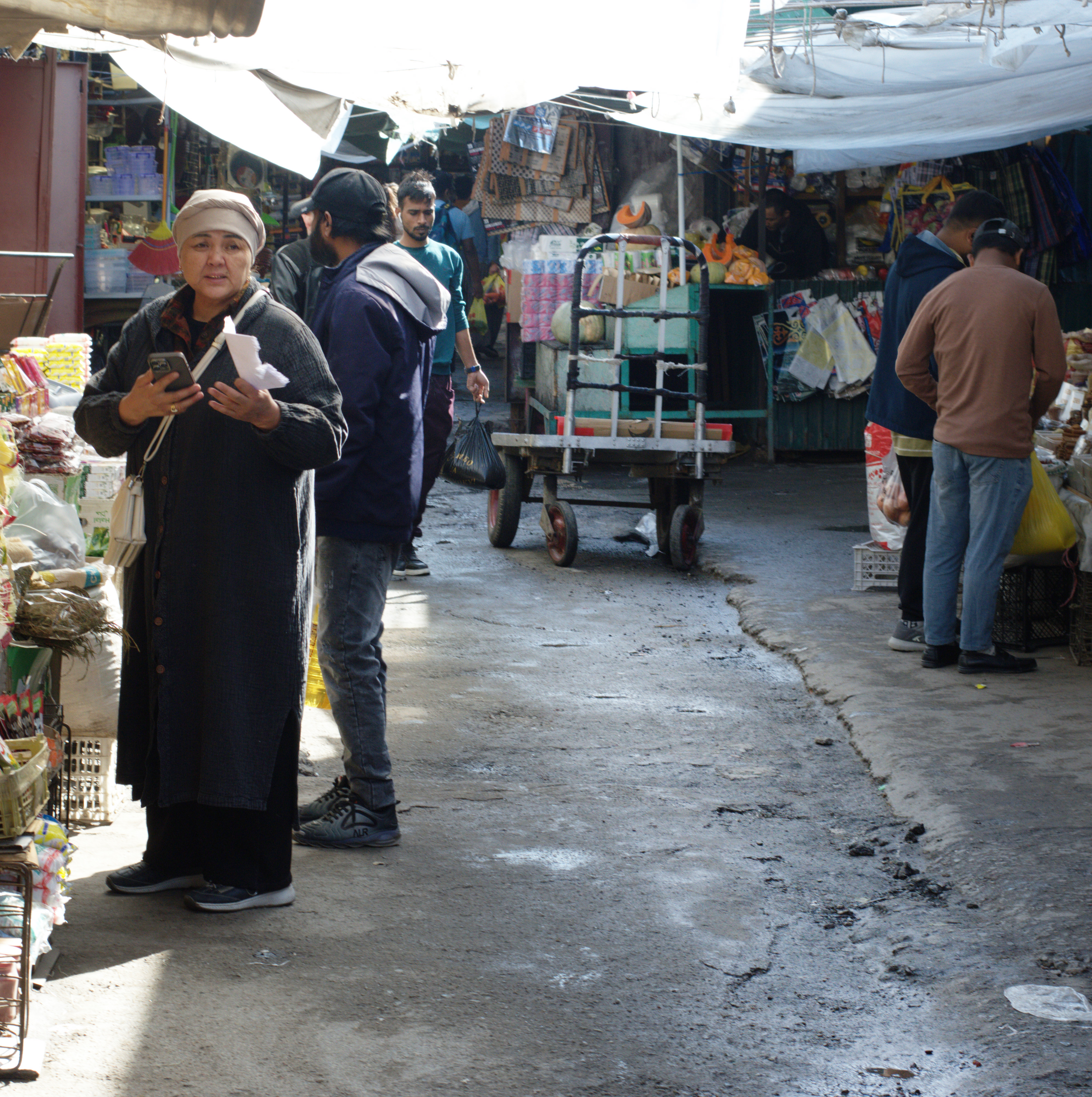
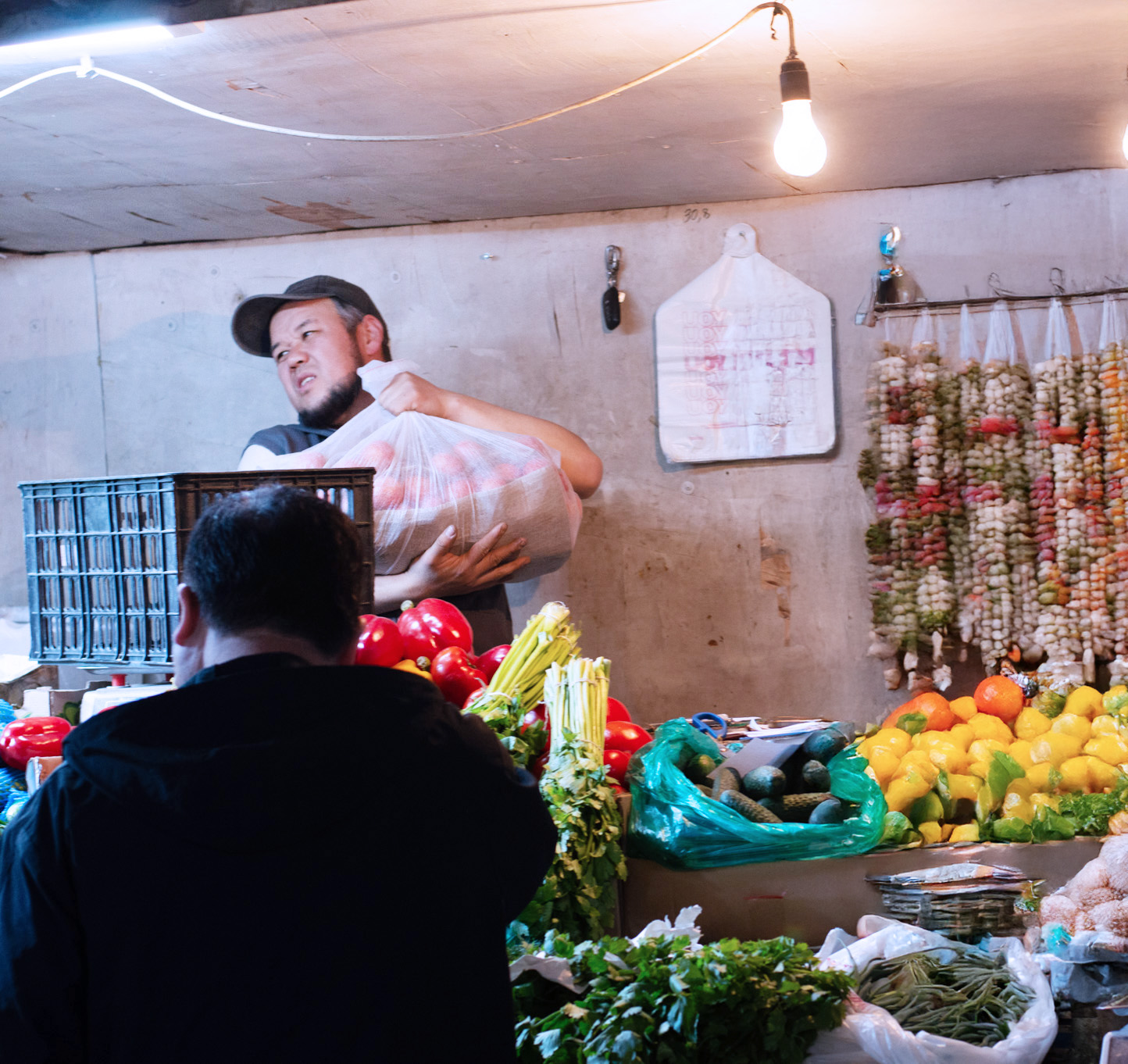
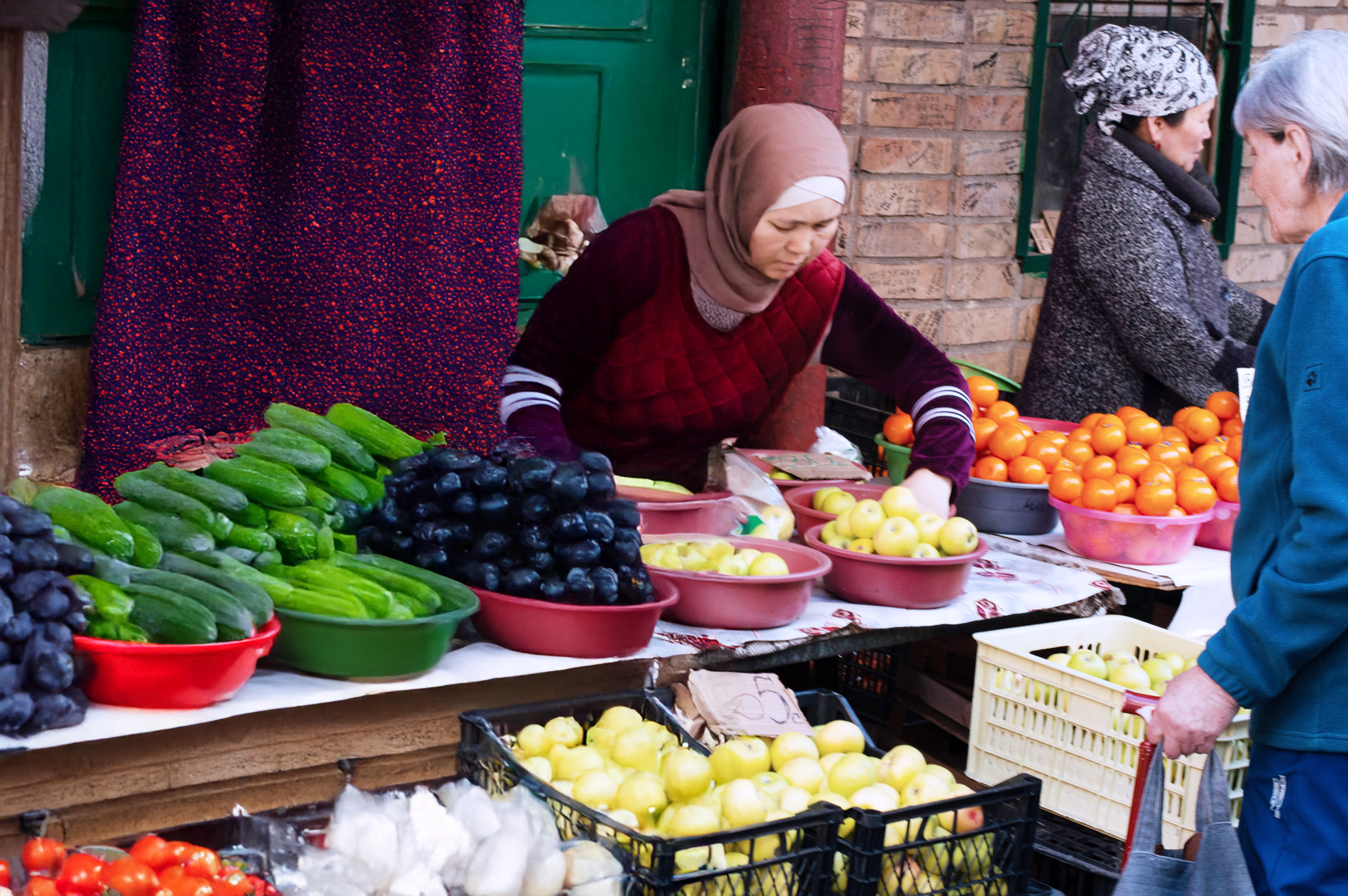
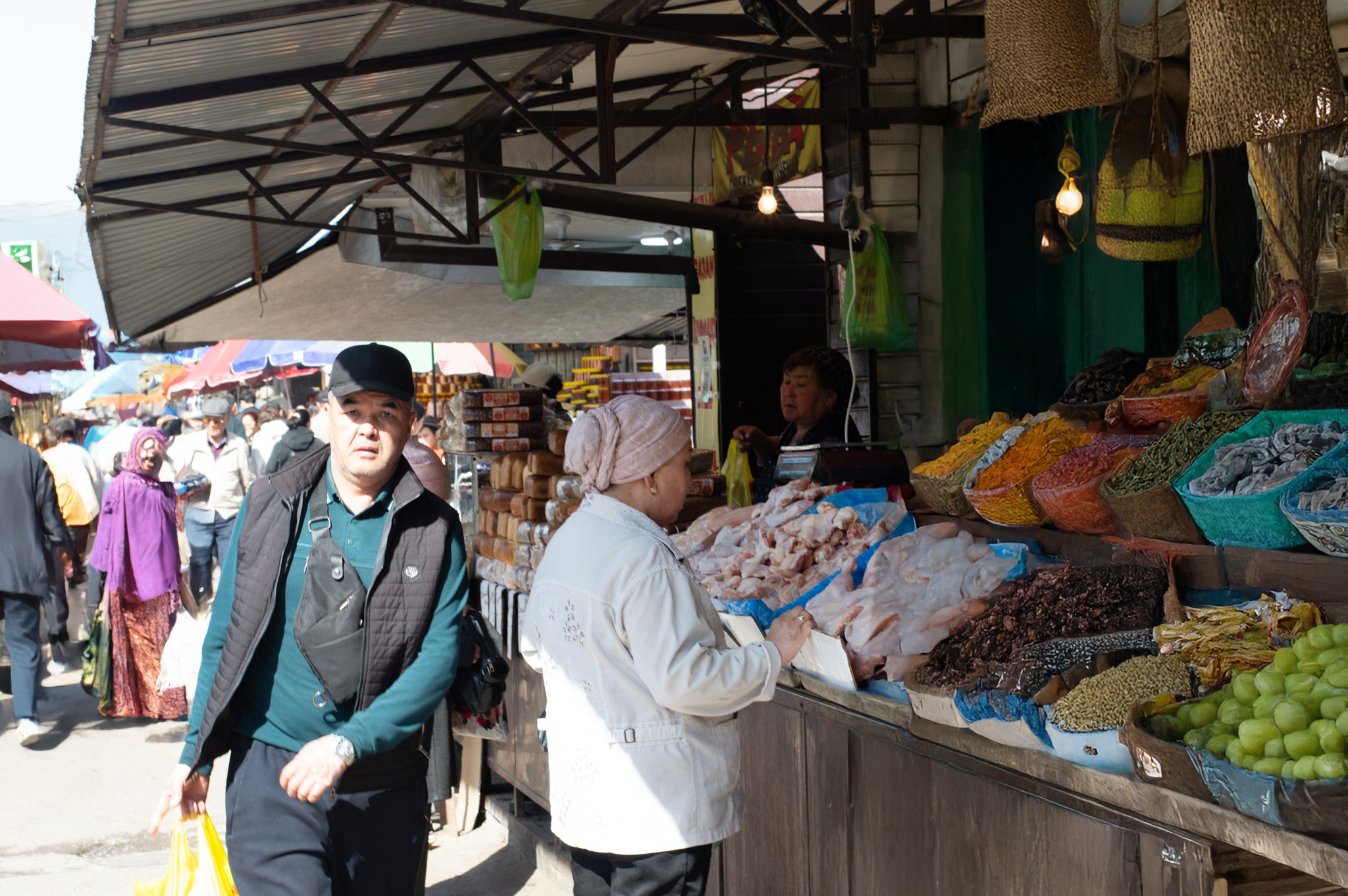
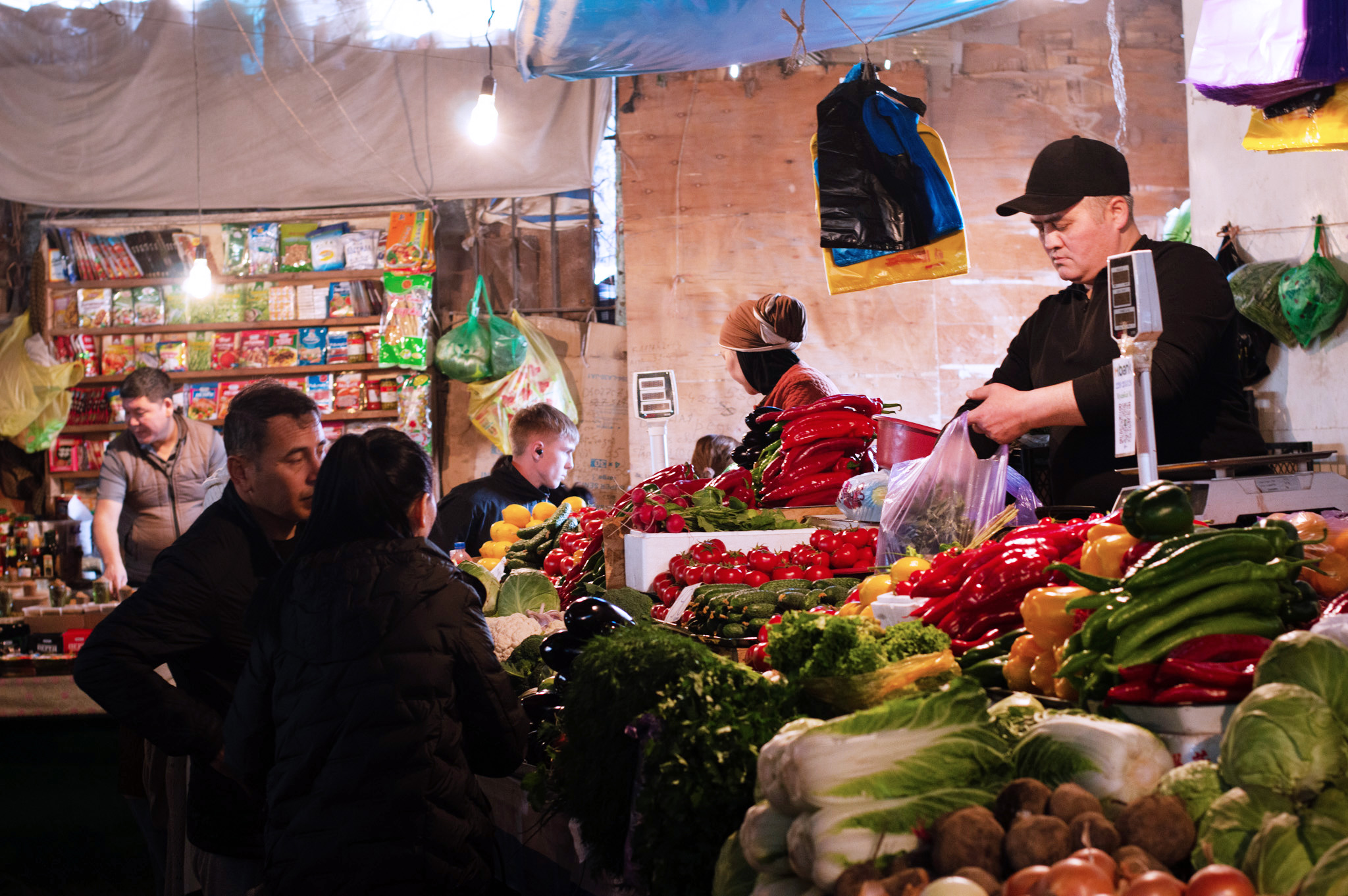
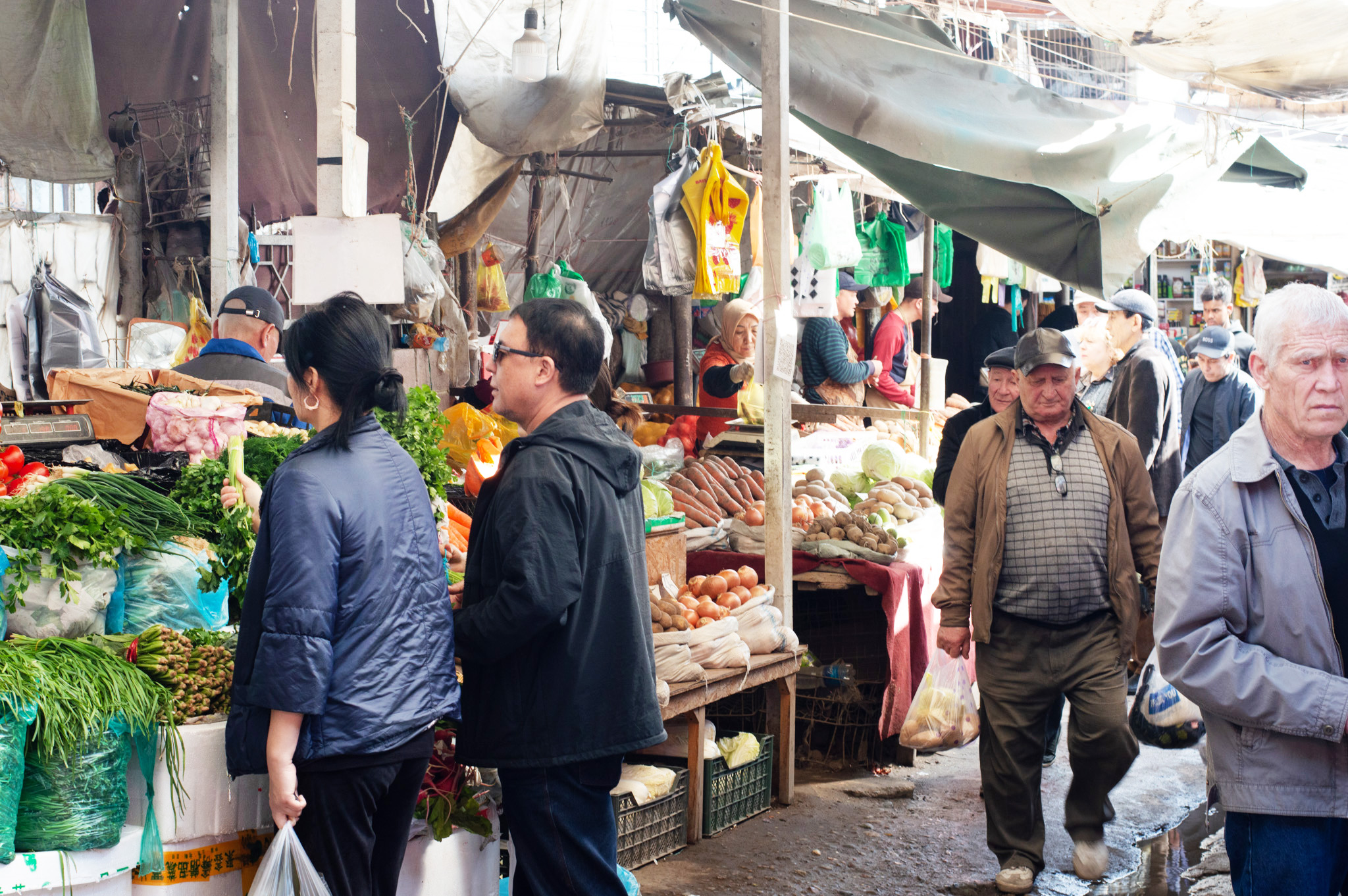
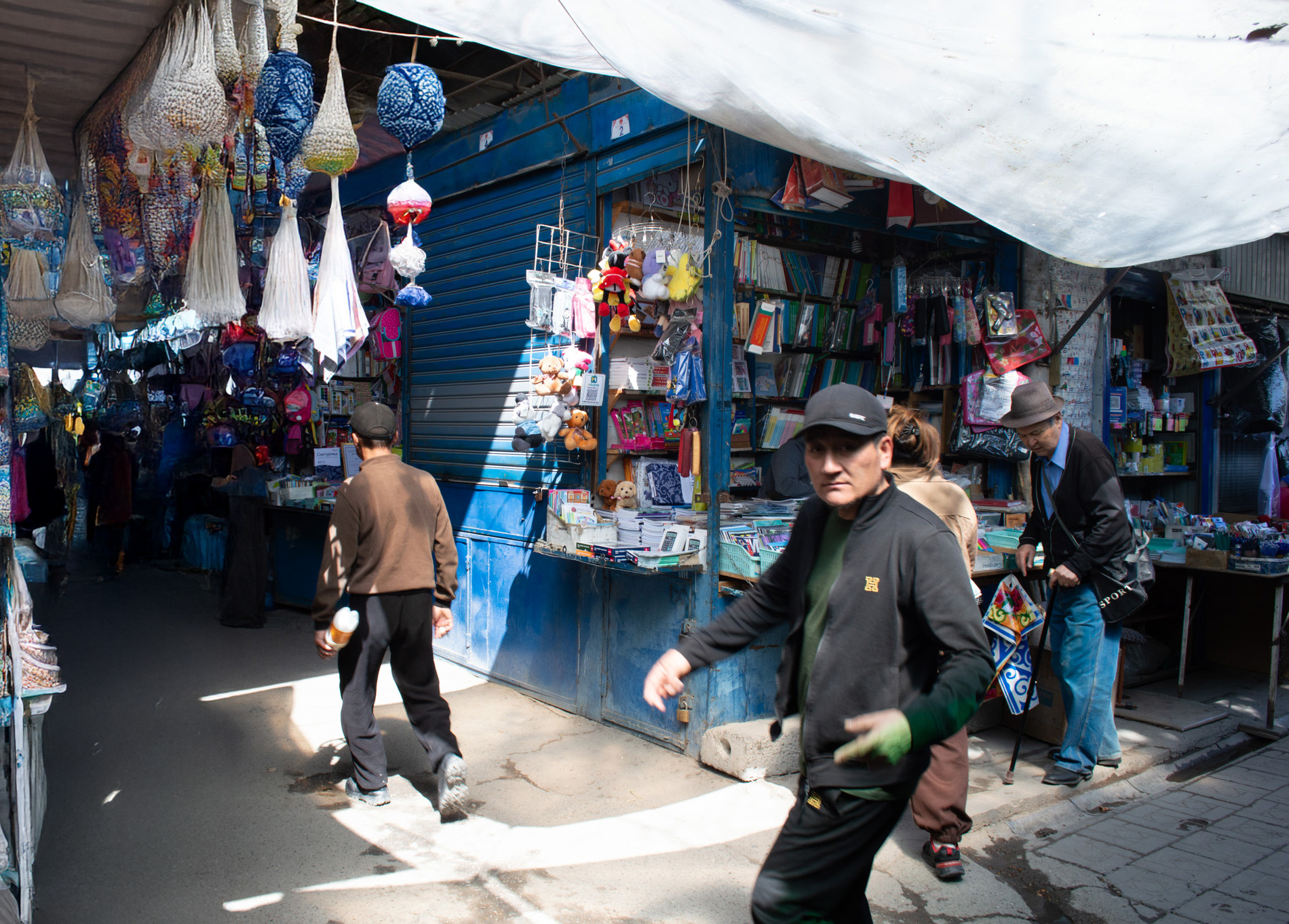
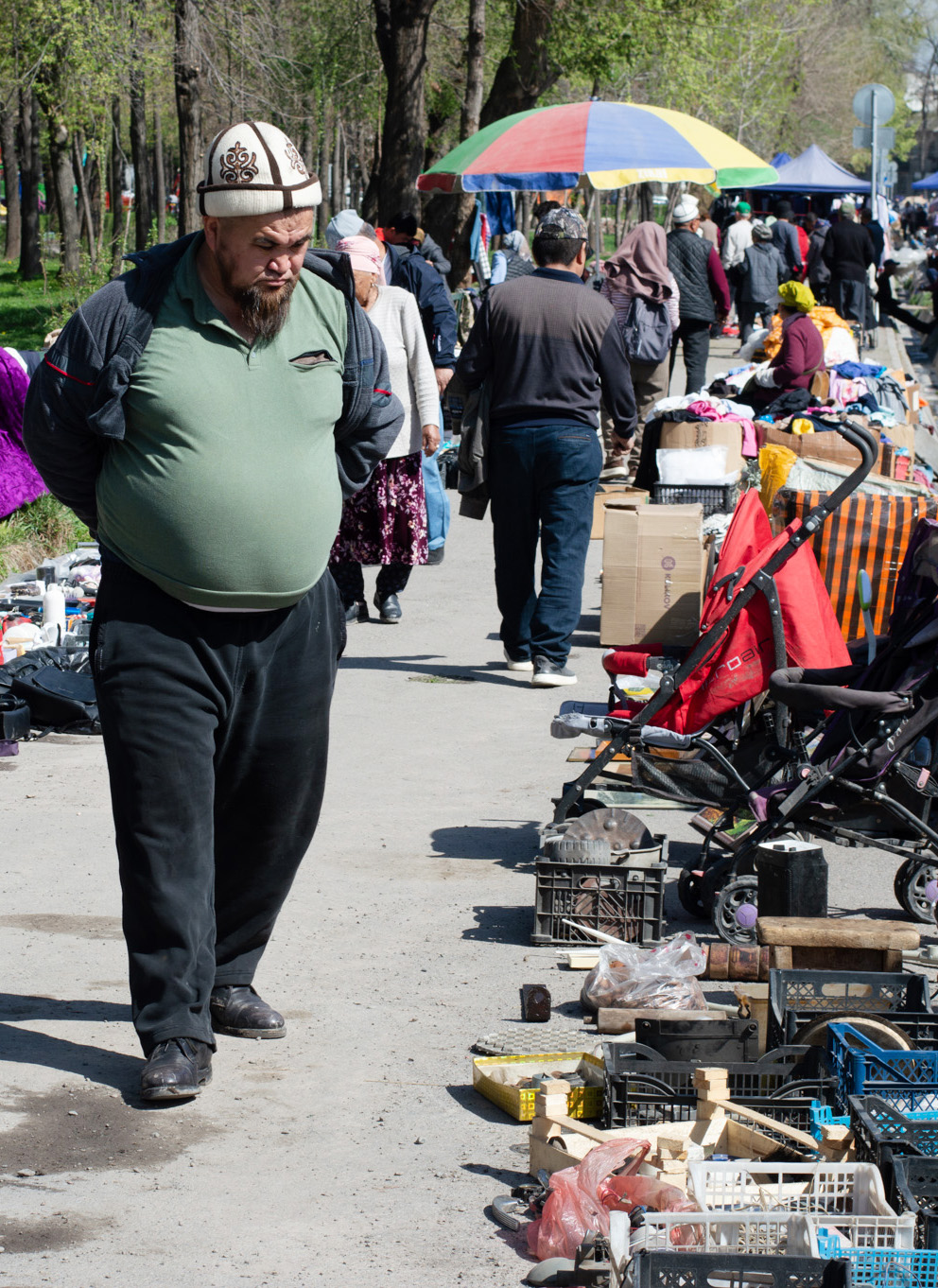
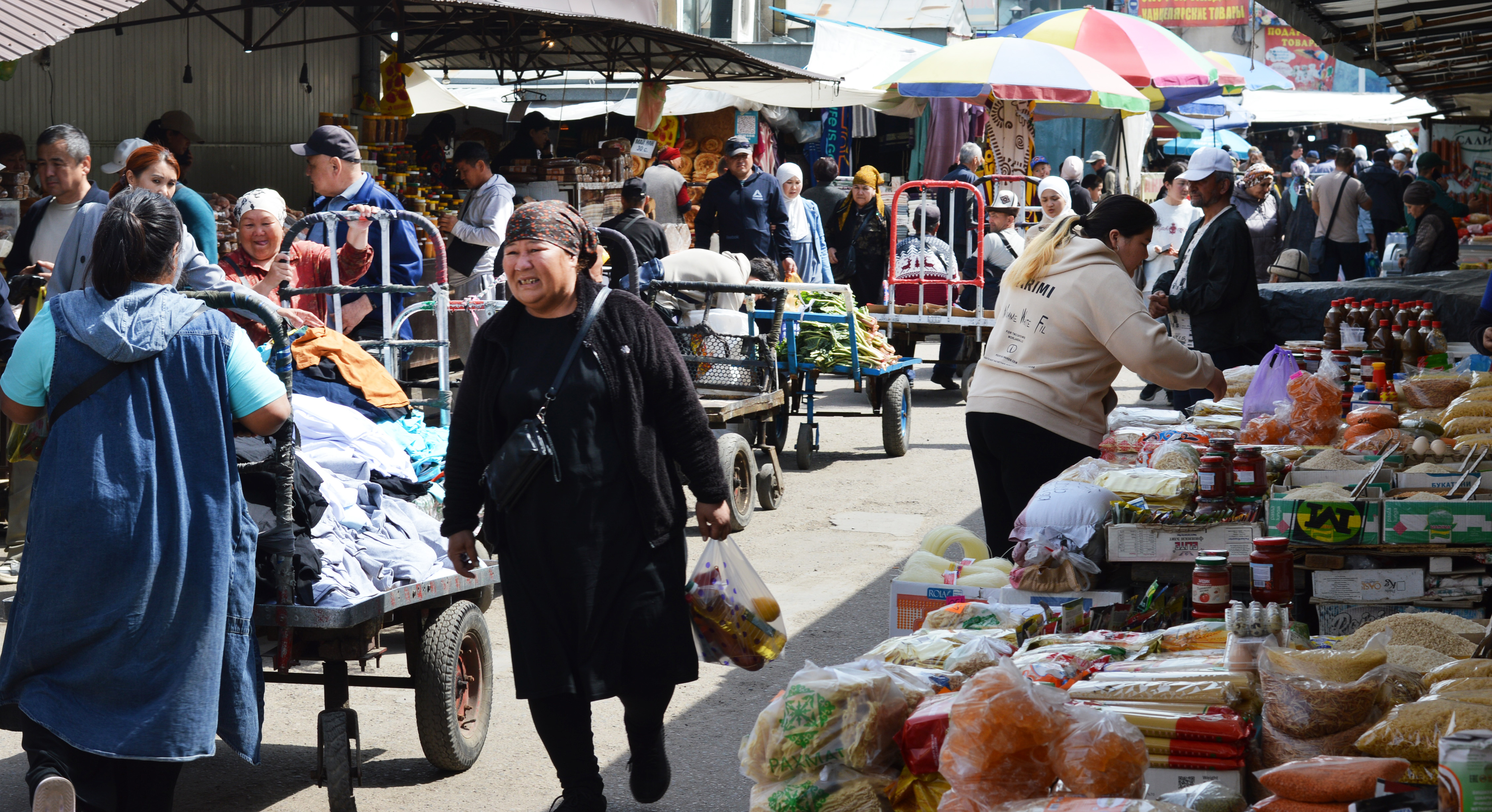
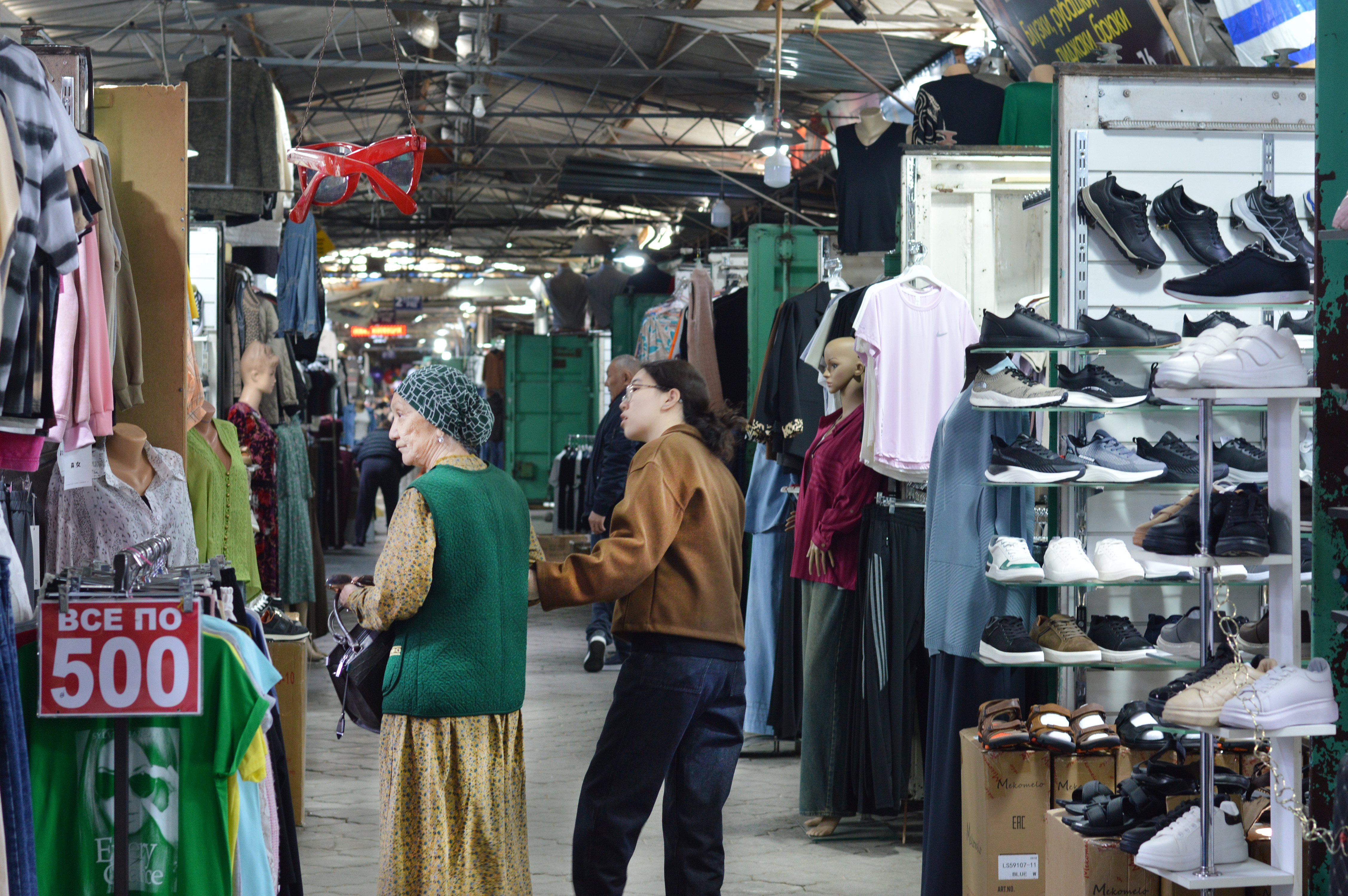
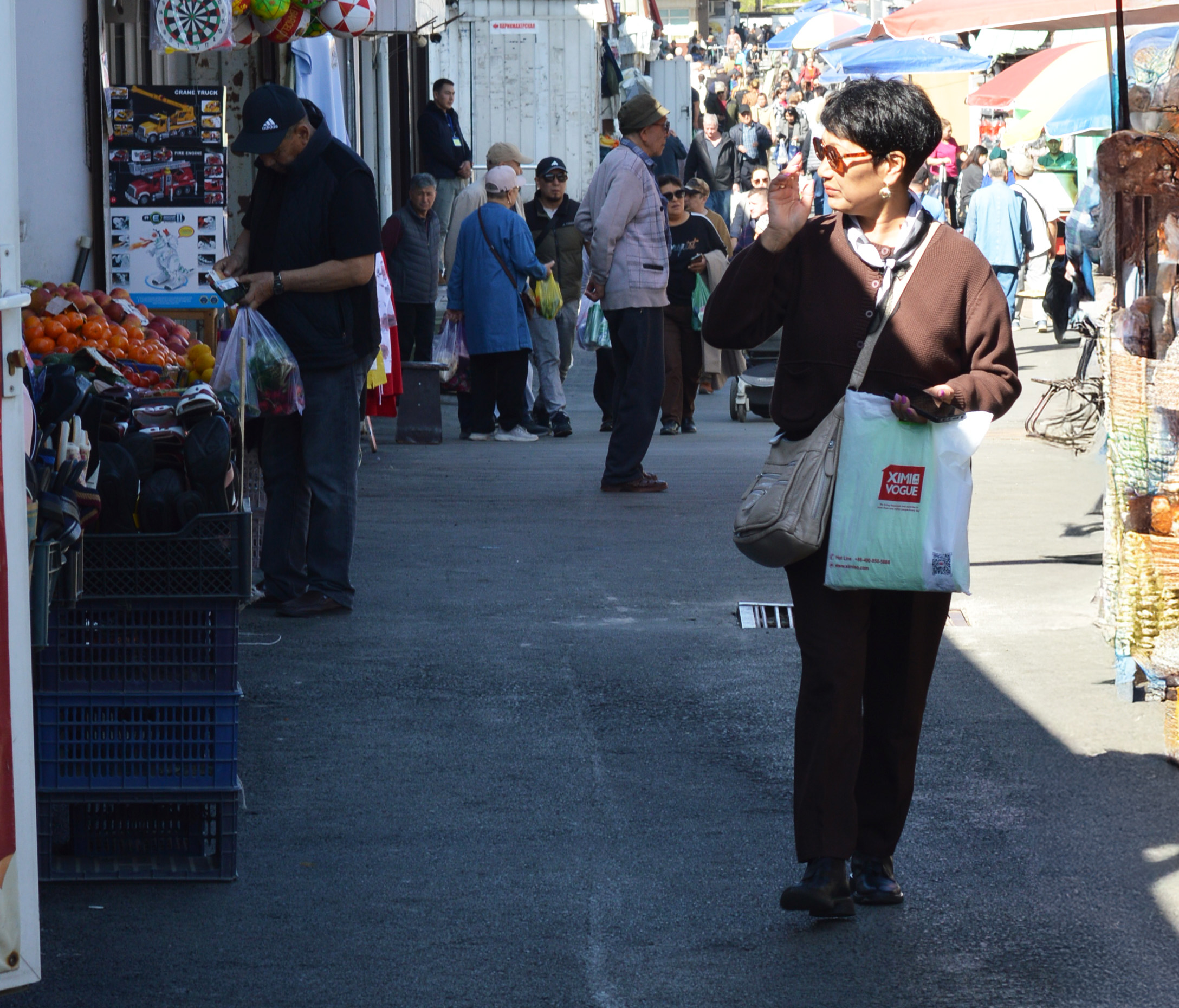
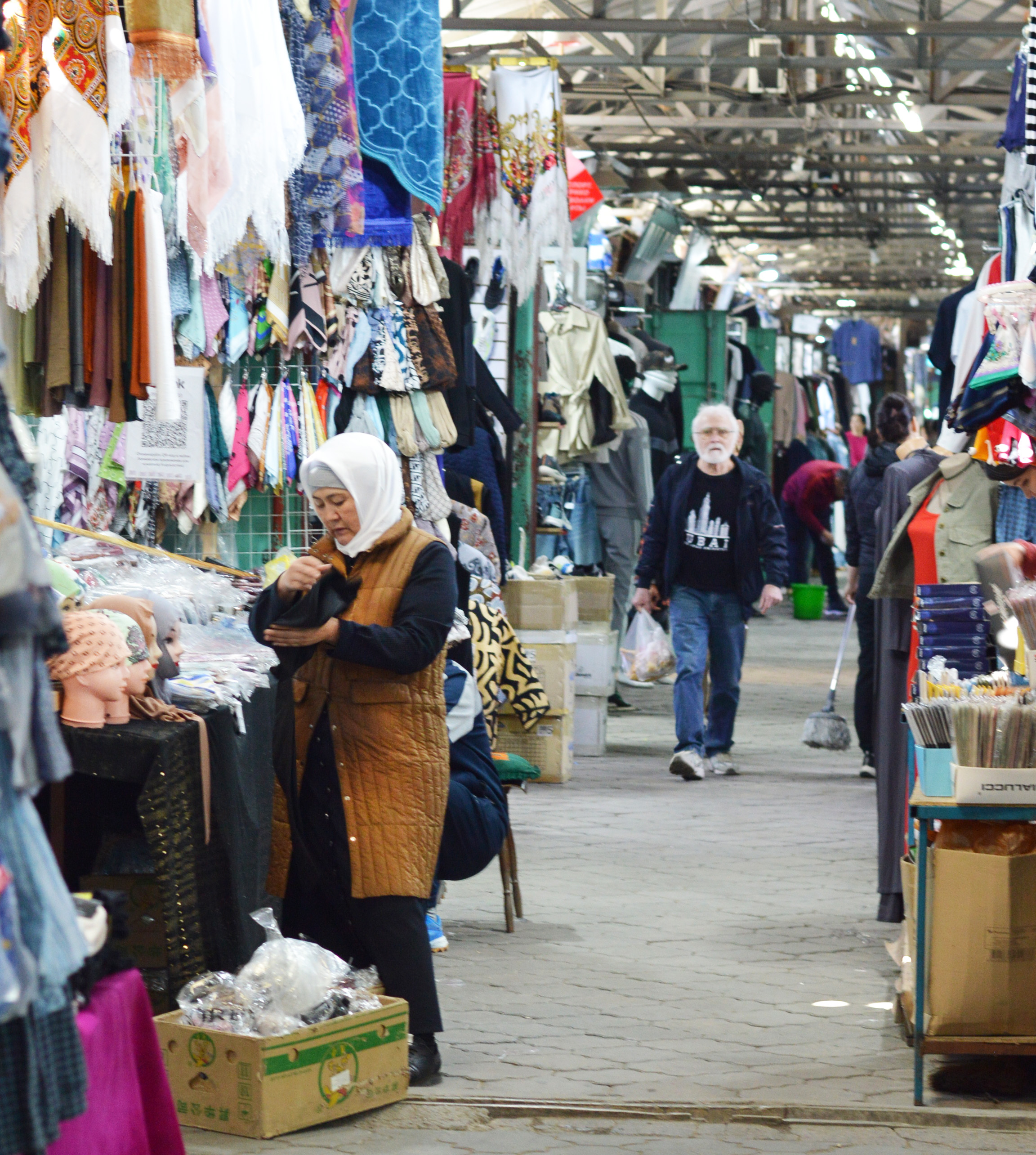
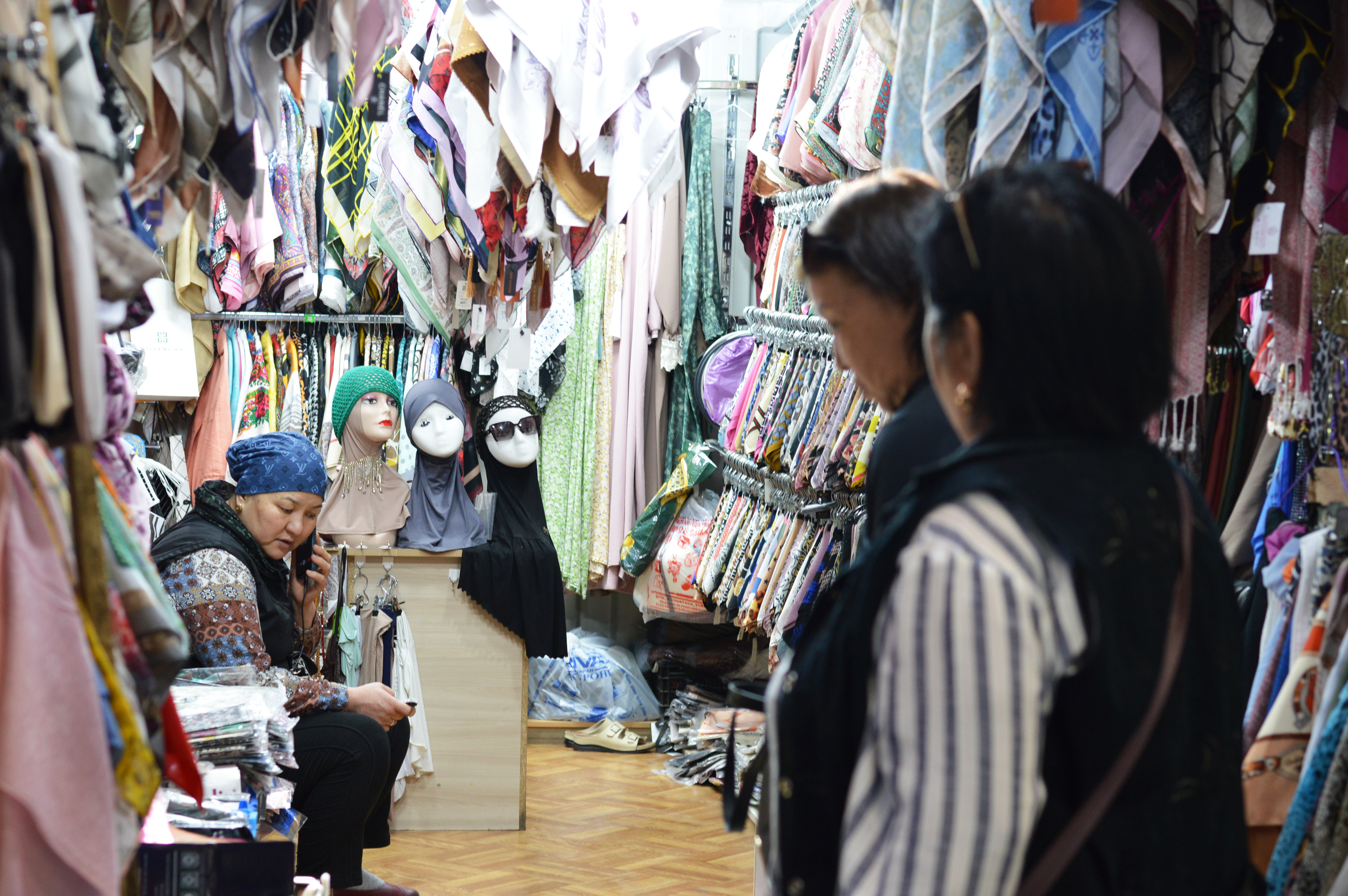
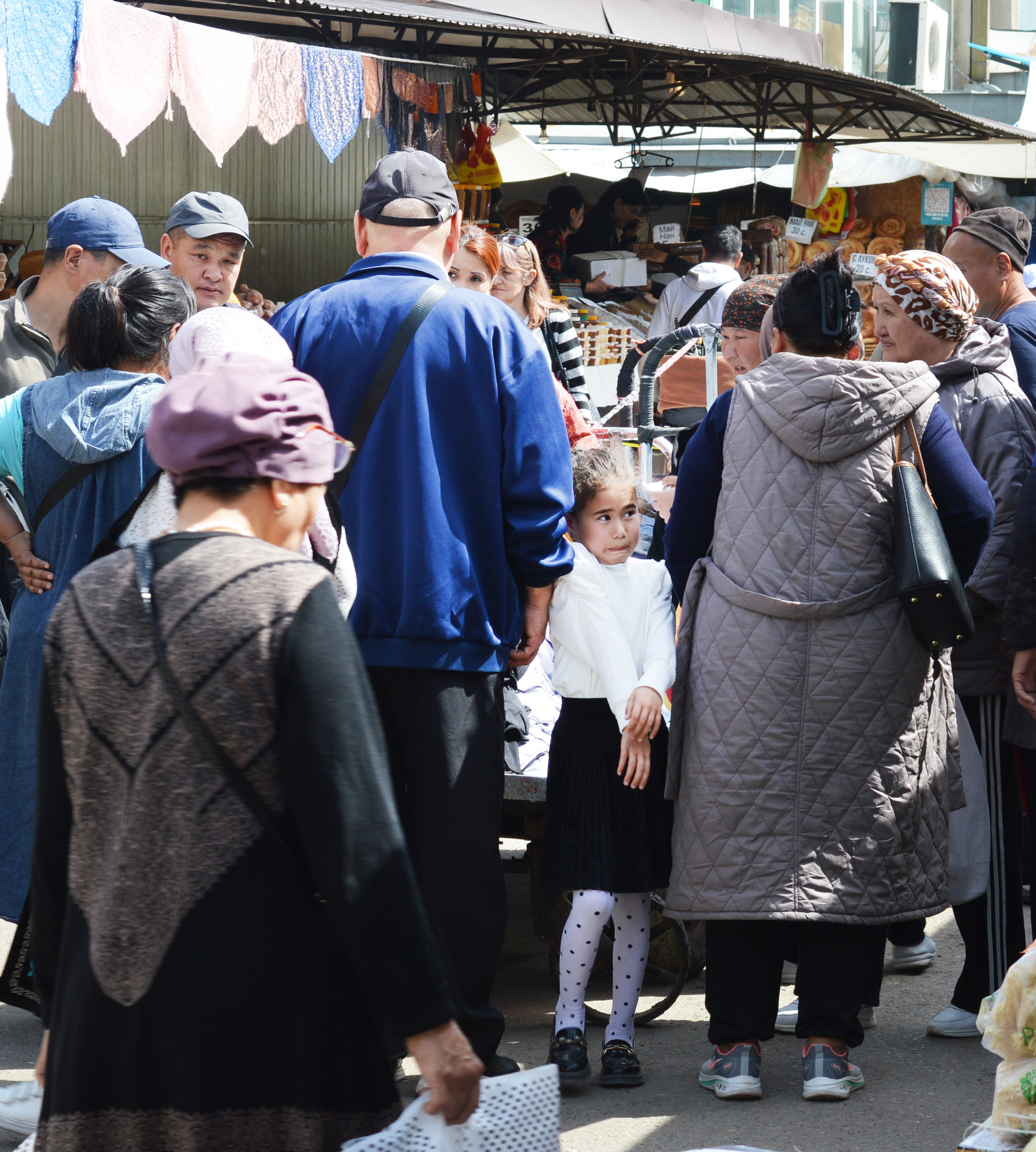
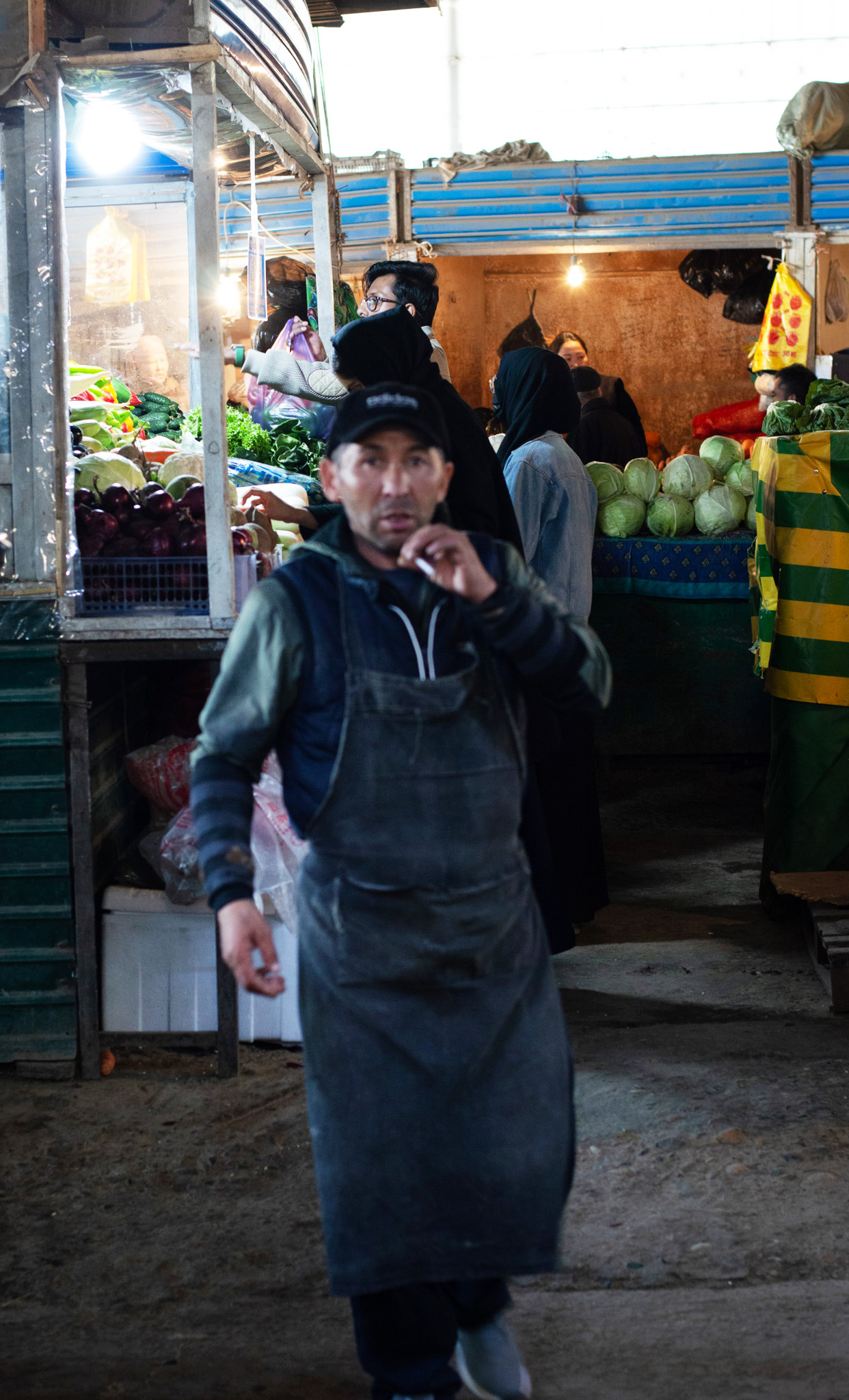
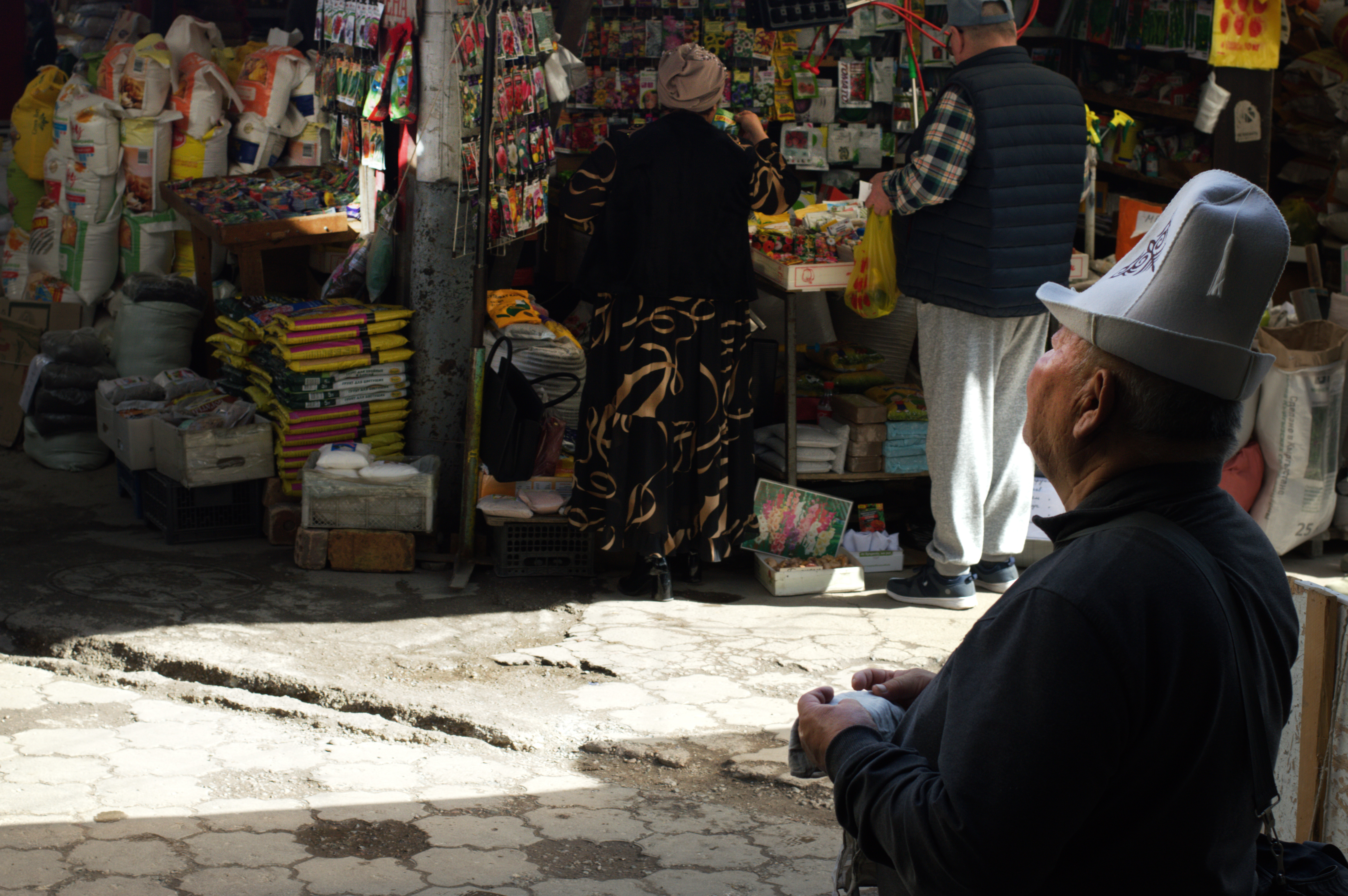
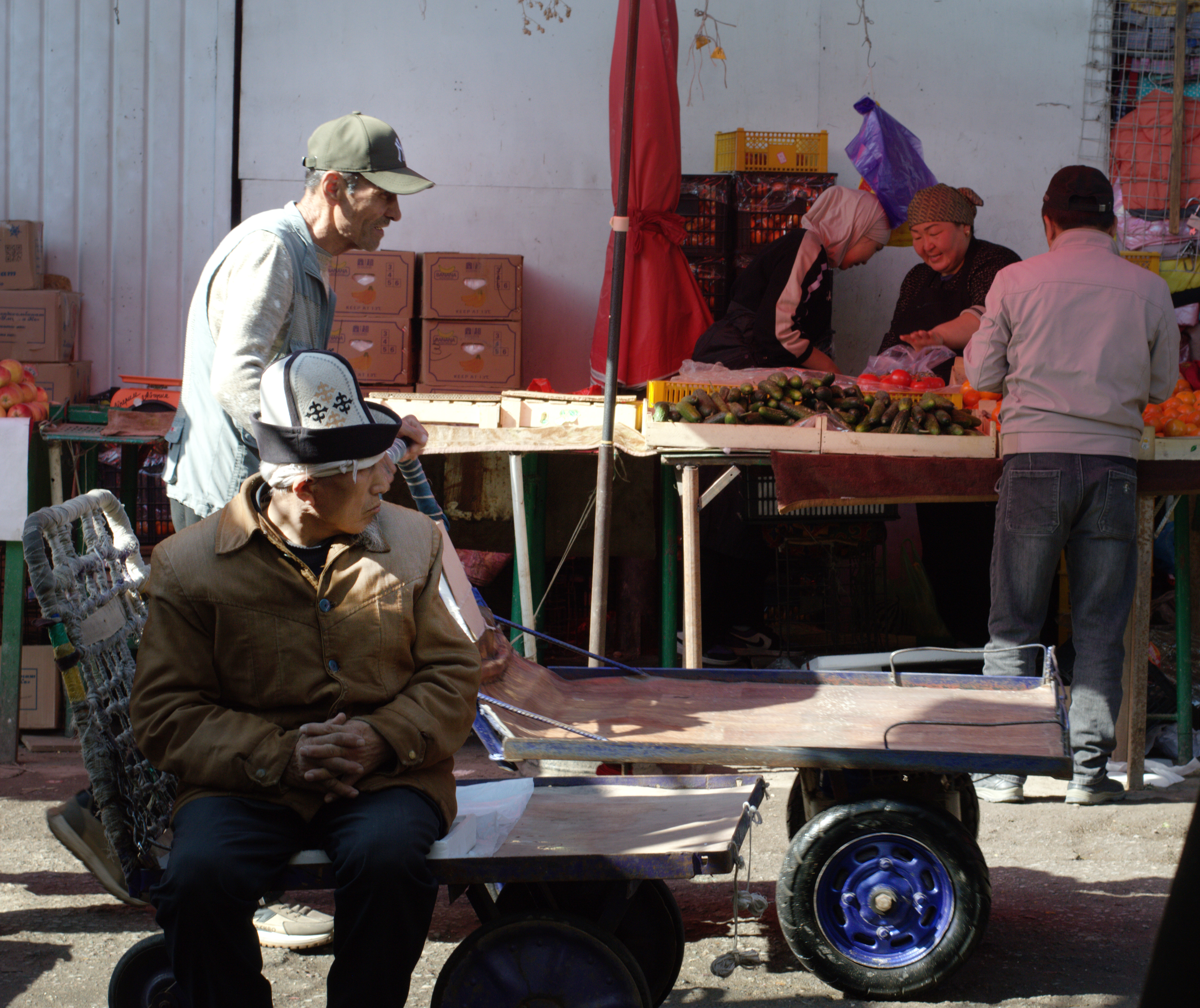
Bazaars in Bishkek: Where Tradition Meets Modernity

In the bustling heart of Bishkek, the bazaars offer much more than just a marketplace—they are a living tapestry of culture and human connection. Each stall, with its riot of colors and aromas, tells a story of centuries-old traditions interwoven with the pulse of everyday modern life. Wandering through these corridors of commerce, you witness the seamless blend of age-old craft and contemporary hustle—a dialogue between history and now. Essential part of the city’s soul.

Finding some peace in Pokhara

 Arriving, even trough a tiny roads between Himalayas and wild rivers, from a busy streets of Kathmandu to a calm and peaceful Pokhara almost seemed like a way to nirvana for me. You can find there everything that`s missing from the capital. Not overcrowded streets are surrounded by a beautiful mountain range with deadly Annapurna looking at you from every single corner, yet seems like she gives your mind a great piece of a rest.

  Pokhara is located 200 kilometers west of the capital. Could be a surprising fact to learn that by occupying the area of 464.24 km2 this city stands as larger than Kathmandu, 18 times larger than Lalitpur and 2.5 times larger than Bharatpur. Because of its popularity and it​s touristic nature, as of many available activities to choose from, this area is packed with hotels, hostel, restaurants, travel agencies, and anything visitors really need. It’s well known mostly as a gateway to the Annapurna Circuit, a popular trail in the Himalayas to hike. However, when it comes to the city, it is not only about the highest mountain range in the world. Pokhara`s landscape consist of a beautiful and the second largest lake of Nepal, called Phewa, with clear green waters that is an absolutely stunning thing to enjoy. On a sunny day when the sky is clear, you can even see surrounded range as a reflection on a smooth surface of the lake. Inviting waters, apart from being the main resource for fishing, offers load of activities from kayaking to just lazy ride on the boat through the lake. Or how about just simple walk around where you can sit and enjoy in one of restaurants, coffee shop or a smoothie making stands. That could be an option as well, wouldn`t it? This seems like a popular thing to do, as there are always loads of tourists along with locals around the shore too.

Cycling around the area, even up to the top of the Sarangkot, seems like a very popular activity. Alternatively, you can hire a scooter or motorbike to discover the area a bit further and see more lakes, as name “Pokhara” means the valley of the lakes itself (derived from “Pokhari” which literally means a lake). There are eight of them in total. Apart from the most popular inside the valley, previously mentioned Phewa, others are: Begnas, Rupa, Maidi, Khaste, Gunde, Dipang and Kamal Pokhari. Phewa, Begnas and Rupa are definitely three lakes worth visiting. Apart from beautiful calm surface of them, surely is wort experiencing a wilder nature of waters as rivers and waterfalls, which Pokara is famous for. The Seti River is much popular among the tourists. It runs through deep channels in the conglomerate rocks from Bagar to Sita Paila, and in some places it flows through the narrow gorge. Going through by the river sides below the hills, we can see several beautiful and dashing waters falling downhill and finally flowing to the rivers. You can even enjoy them just by passing the highway to Baglung that consist few of them on the way. The city itself also has a beautiful waterfall, and it is known as Davis Fall (In Nepali: Patale chango).

It truly is a breath-taking experience just looking at the Davis Fall in ChorrepatanThe water flowing in this fall comes from Fewa lake, and the fall is worth visiting during the rainy seasons as it possesses its maximum velocity. But lets not get stuck there for too long, there is way more to see around. Absolutely magnificent cave is just two minutes walk from there. Basically the whole Pokhara valley is rich in cave system, and it almost seems like a vision of a city hidden under the ground. Mahendra Cave, for example, is located in the city of Pokhara and can be easily accessed by the visitors in just walking distance (few kilometers), taxi ride or just by public buses. It is named after the late king Mahendra Bir Bikram Shah Dev. The cave itself is amazing and you can witness many natural shapes and images of the various Hindu gods and goddesses on the stone made of the lime. Literally just a ten minutes walk from this cave there lies another one named the Bat Cave. In Nepali language it is also called Chameri Gufa. You can guess correctly who residence inside, the name suggests it well. It is called after the habitats of the bats over the cave’s wall and the ceilings. Above all caves you can find a dense forest with a stream flows, ending as a sparkling waterfall tumbling into a mysteriously hidden world of darkness. In total Pokhara is renowned for ten mystical caves. Nevertheless, right now, only nine of the caves can be visited as the Eastern Power Station cave has been badly damaged and buried, as it is under a huge landslide, leaving its beauty only for few lucky one.

  Near by Sarangkot hill is a must hike place as well. It is very popular to cycle or just walk all the way up, however, bus, taxi and scooter is an option too. Once there, you can enjoy absolutely outstanding panorama of the surrounded valley underneath and the magnificent view of the mountains. In to the northern direction we can see Dhaulagiri in the far west. Annapurna range is visible when the weather is clear on the same side. On the southern direction the village overlooks the city of Pokhara and its lake on the north-western outskirts of the city. Sarangkot is only 5 km from lake side, Pokhara, and is the highest view-point for a sunrise at just 1592 m high, but the temperature drops already 5 degrees cooler than the city. The hill can be done easily by 45 minutes car ride to the top from Pokhara and then 45 minutes hike up to the main view-point. Many tourists come to Sarangkot for sunrise view and go back after few hours, but it will be good if you will get a chance to stay there for one night and enjoy the way city light outshine from there. Paragliding is a very popular activity that can be done from that area too. You can book that at one of many agents in Pokhara, or one at the top. 

Paragliding is a good way to start with when it comes to more adventurous side of this area. The city offers everything from ultralight flying, skydiving and ziplining to a bungee jumping, developing a complete holiday package for a perfect vacation to all kind of tourists. But there is a last, but not least, thing worth mentioning. Remember to also visit the old side of the city where you will be able to experience and feel cultural side of Nepal along with all old temples, statues and buildings around. Old Town is a real treat for the people who love to discover a new place from its roots and history. Best explored on foot, Old Town in Pokhara offers an unmatched view of the new parts of the city in the morning, before the traffic and daily chores take over the landscape. Once there, you will come across a marketplace selling locally produced items; Bhimsen Temple, an old shrine dedicated to the Newari god of trade and commerce with Bindhya Basini Temple, dedicated to goddess Durga. You can find a good range of delicious street food as well. Its is a place to observe locals on a daily life too, getting on their daily routine. Thought, not so overcrowded as Kathmandu, you will meet loads of Nepalese to chat to, talk to. You wont be disappointed with the way they will interact towards you.

  At the end I would like to mention that I arrived to Pokhara from Kathmandu, where I was during the earthquake. I spend 48 hours at the ground, sleepless, wet, tired. I did not only found a peace, but a shelter. I felt safe there, as aftershocks were hardly noticeable, and the whole city did not get damaged as a capital. It will always stay as a very special place for me. But for you guys, I think it enough to know that it is a magical, adventurous place you just can not miss while in Nepal!

Few days in vibrant Kathmandu

   It’s amazing how well I always knew what kind of areas in the world I would like to see in the future. Nepal was on my list as a very first country to visit since I was very young. Something was always telling me that it is probably one of the most fascinating and astonishing places in the world. What I wasn’t sure about was the wonder, if I will ever be able to go there. Fortunately, I did get a chance to visit this truly diverse land with the highest mountain range in the world. I wasn’t mistaken at all, as I found there everything, I always imagine I would find. Even that I was in Kathmandu during the earthquake didn’t change my experience in any way. I witness how Nepalese truly helped each other during and after the disaster. For this, and loads of other reasons, I consider Nepal as a small Asian country with the big-hearted people.

Landing in Kathmandu and getting around

  When it comes to the international airport, it is probably one of the oldest and smallest I’ve ever seen, but then the size makes it easier to find your way around. I arrived in April from not so warm Europe, so the heat struck me straight away. After 2 hours in the long queue to get a visa, I was finally able to see the other side. I picked my bag from the floor somewhere, and I left happy and glad it didn’t get missing. Stepping outside, I quickly spotted how overcrowded and chaotic this city is. This helped me to make a quick decision on not trying to work out how buses run, but just to take a taxi. The situation on the road can be really shocking for someone who has never been in Southeast Asia before. The jam, noise, unclear driving rules and no traffic lights makes you wonder how on earth Nepalese getting around on a daily basis there. The car or motorbike can drive everywhere where it fits, even through a tiny tiny streets, so better have your eyes around your head. Watch out also for what locals transport on their motorbikes or bikes, as It can be something four times of a vehicle size, so be aware of the situation around you to avoid being knock down by something. I wouldn’t recommend walking while listening to your music either to avoid any accidents. I would definitely suggest to get your accommodation in Thamel. It is the most touristic area in Kathmandu. I am always trying to stay away from this kind of places, but there is just way different. You can meet loads of amazing backpackers, trekkers, travelers and volunteers to talk to, to share your experience with. Locals are very friendly too, so you definitely won’t get bored or lonely there. Shops and restaurants are on every possible corner, but always have cash with you. It’s very unlikely to pay by card, maybe just in posh hotels and restaurants. Also if you will see a cash machine, use it. There’s not so many of them around. Some of them may not work and some may not accept your card. I’ve had a Visa and MasterCard, and I wasn’t always able to use the first one, but with the second I’ve had a better luck. 

Food

  Try to sample as many new things as you can. For me everything was very delicious and packed with wonderful flavors. It is a heaven for Asian cousin lovers, like myself. People who sell meals on the streets really mastered their cooking skills. They make it very local, very unique, always fresh, and usually made in front of you. I have to add that I’ve met few travelers that complained about experiencing some stomach problems after, but not me. So maybe try to find a golden line between cleanliness and vibe of authentic local street food. Momo`s are definitely must eat there. They are very traditional and you can have them with many different fillings and sauces.

I am from Poland, and they do remind me of our dish called pierogi. I wonder if that’s how they came to us through the Russia first.  Apart from them, rice and noodles are probably most popular. It’s like a fusion of Indian and Chinese food. They all come in good vegetarian range too. If you like a late meal you will get even a better choice, as loads of street stands are open only in the evening. It’s good to have a supper around that time, as you will meet loads of travelers around. The only problem there is lack of the streets light, so visibility depends only on shops and restaurants neons. It could be a problem sometimes, as often on some streets, I’ve had to walk in total darkness….alone…brrr.

Transport

  If there are loads of things you want to see in one day, hire a motorbike. It really is very cheap, around 10£ for a day, and can save you loads of time. You can get a bike too, but it can be difficult to ride it on all these small streets full of people. Otherwise, not much for me to say about public buses in capital, as I haven’t used it at all, relying just on my private transport – my legs. However, three main bus station are present with buses that connect cities and towns in Nepal. All a little bit chaotic, but by keep asking, you should eventually find the one you need. No worries if you will take a wrong one, everything is worth seeing in Nepal :D. More or less, Nepalese are good with English and always happy to help! First bus station (also called the Kathmandu Bus Terminal, or simply ‘new bus park’) is located at Ring Road, Balaju. It is basically for all long-distance buses, including the one to Pokhara and destinations in the Terai. Kantipath bus station (if you can call it like that, as buses are just parked on the side of the street) seems less confused (but still a bit!), and is located very close to the Thamel area on Tridevi Marg Kantipath, the main road running north-south at the junction where the Garden of Dreams is. There`s not so many buses leaving from there, so makes it easier to find your way around. I took my bus from there to Pokhara that leaves everyday around 7 am. You do not need to book in advance, but can be busy sometimes, so you may, just for the peace of your mind. This bus station is only in use early morning. Later in the day there is zero buses around. Green Line Bus station is a private company that provides better comfort at higher price. Usually they operate minivans with aircon and include a meal. Terminal can be found at Greenline bus park opposite the Garden of Dreams on the edge of Thamel.

  If you are looking for some trekking experience or any other trips, you can find all you need in Thamel that is packed with agencies. You can book your bungee jump, see some caves, discover the area around Kathmandu Valley, book a plane to see some of the 8000 high peaks. I did buy few, but they all been cancelled after the earthquake. Especially I am sad that I`ve missed a fly around the Himalayas. If you have a few spare days, go to see the Chitwan National Park, a World Heritage site since 1984. Its is a jungle with rich range of fauna and flora species, also a Bengali tiger. Loads of Nepalese, I’ve met, were pointing this wildlife area as a number one to see. You can stuck up on proper gear too there. If you like a good brand staff, they are a little bit cheaper in less touristic areas.

  For more about what to see in Kathmandu please click here, otherwise pack your back, book your fly, and off you go!

https://annapowaska.com/2017/10/11/earthquake-in-nepal-2/

Earthquake in Nepal

25.04.2015

  It`s been already my fifth day in Kathmandu, so after seeing most of the things around, I wanted to spend this day practicing my street photography skills, as I always liked it most. I found a perfect narrow street in the Thamel area, I had visited few times in previous days, where I just loved the scenery of petite, but long, path of an old buildings growing from the bricks below with golden and silver pots, dishes and plates all around to surface. I thought, with nice sunny weather, it will be a perfect day to capture a few good photos of a daily life in Nepal. Sun reflection on the golden vases looked picturesque with a background build of all dark, mystery and old houses around. As an early bird, leaving hotel shortly after breakfast, I was ready for my little wander around one of my all time favorite capitals. As of the hot weather I packed just my wallet, water and camera in to my bag. It was around 27 degrees during the day time, so leaving hotel in just shirt and jeans was expected. However, I wasn’t even expecting that I am going to sleep next two nights outside on the ground with nothing.

11.50 am

 After wondering for few hours around delightful Thamel, I reached my destination of a tiny street, I mentioned earlier on, where I began taking photos. Five minutes before 12.00, I saw on the sky something I have never seen before. The whole upper atmosphere was covered with birds of all kinds, almost like a dark cloud, flying in to one direction….all out of the sudden. It was one of the most bizarre things I have ever seen. The whole sky was filled with them. Everyone suddenly stopped to look up at this rare happening. Shortly after, few elderly woman started to run around, shouting in Nepalese language sentences I could not understand. I was the only tourist there. I noticed sudden panic around, people trying to hide, shouting for kids around, grabbing their arms. Clearly, they all tried to hide quickly, closing shops, if that was a possible thing to do. It was just 10-20 seconds between noticing flying birds and what happened after, but I remember that loads of things went trough my mind. Basically, those running elderly ladies were pointing the sky, and I saw people running and trying to look for a shelter, so the only explanation, I’ve had created in my head, was that there are some air military force coming. But no, that was not the case.

 Seconds after the earthquake began. The ground started to shake extremely violently. I could only hear the movement of the plates. Even thought buildings were collapsing around me, I could not sound a thing. I am not going to lie, I wasn’t that much scared, as I thought its normal in this part of the world, as of an earth layers that shaped the great Himalayas. I was even just standing, though, trying not to fall, thinking whether is safer to stay out or get in!

 I was one of the last people standing on that street, but then suddenly I felt a hand grabbing me and taking to stay in one of the entrances of the house. Maybe he saved me, as bricks were falling everywhere. The ground was shaking so destructively in vertical way, It was very difficult to stay up. I don’t know how long it took, but at this point, I realized its a disaster. As soon as earthquake finished, I knew I had to get out of this small-scaled street with old building around, as during the aftershock more could collapse, like the one I was in. Also, as soon as the ground stopped shaking, I noticed what is really happening around. Woman were crying, few people were injured, everyone was just in shock. However, there was a strong wave coming to strike again and then more after, so I knew I need to find a big enough square with a proper distance from surrounded buildings. I just managed to run around the corner to the temple area, I got to remember from previous days. The maze was small, around 20-30 square meters, but houses weren’t so close. Loads of people, finding it as the closest safest area, gathered there too for upcoming aftershock. I inspected the damage around and noticed that almost every building had cracks and looked like can not survive the next shakes. At this point there was nowhere to go anyway. It was too dangerous to try to go trough streets to reach a bigger gardens to stay away from building at this time. I looked around trough the people faces. Shock, fear and sadness was mixed with helplessness and surprise. There was a mother standing next to me with her three young children. I looked at her and saw her tears coming like a river from her eyes, but she was trying to hide it well from her kids. She really was a breaking point at realization about the situation.

 After 30-40 minutes after the main earthquake, few birds, sitting around on roofs, flew suddenly away again in same direction as before. At this point, we all knew what is going to happened after 20 seconds. Few people were screaming, but, luckily, buildings around managed to stay as they were. After shakes stopped, I knew I have another half an hour, or so, before another one to find a properly big space away from any kind of architecture. Luckily, knowing Kathmandu already, I run to the big open space close to the Durban Square. Not surprisingly, I saw a huge group of people, like myself, trying to get a safer shelter before upcoming aftershock. I’ve met two English guys. One of them was wounded. I asked what happened, and he explained to me that, with his friend, he was one of the last people to escape from one of the temples before it collapsed with, still, loads of people trapped in. I’ve had a sealed water, so I opened it and we cleaned his wound. They wanted to go back to hotel, but I told them not to and to come with me after the second quake, that was going to happened soon. I knew that we were close to the one, big enough, garden. They joined me and I bet they were very glad they did so, as the area was safe enough. We all three stayed there until the third and fourth aftershock, but we all felt no real danger. The fourth wave was very mild, so after that (three hours after the first one) we finally heard sirens of ambulances and fire brigade trying to rich people in need. All signals and internet was disconnected, so I couldn’t contact anyone to say that I am ok. I actually wasn’t able to do so for the next 30 hours.

  The situation was stable enough to start to think what my next move is going to be. I definitely wasn’t going to hotel, as it was far, and way was trough a small streets. I memorized that I was close to the big stadium, so I made a quick decision of going there. I asked these two guys if they will come with me, they agreed. We arrived at our destination, and we noticed that most people from Kathmandu gather there to be in this safe place. I saw a hospital trolleys, with patients on, set on the grass already, but left on its own for hours. I guess stuff was trying to rich people buried under the rumbles. The situation was just drastic, dramatic and very bad. There were not enough people to help and thousands were in need of a first aid. There was nothing on the ground, just grass. I had just water with me and camera, and that was the time when I decided to actually go to my hotel to get some clothes for cold coming night, and my passport. I said goodbye to my friends and was on the street again, witnessing a disaster, collapsed buildings, wounded people, completely destroyed roads. I was a bit scared going trough the streets towards my accommodation, but had no other option really. Thought, on my way, after another shake, I decided not to. Actually, I wasn’t even sure if my hotel still stands up.

  After changing my mind of getting stuff from hotel, I found on the way the garden, called Garden of Dreams, where I saw few people around. It was big enough, so I decided to enter. I’ve met there other travelers, and we stayed together as a team for the next 2 days. We decided to sleep there too, thought earthquakes were going on trough the whole night, the worst for me was cold, almost icy feels, I was getting the whole time. In only my thin shirt on in temperature of 5 degrees, I was laying in darkness on the grass unable to sleep. In the morning I knew I have to check my accommodation and get my passport and something warm to wear for another sleep out. I knew I wouldn’t be able to spend another night in this temperature in just what I was wearing. My friends from the group said they will do the same, and that we will all meet here after, in 2-3 hours.

  I reached my hotel at 8.00 in the morning. Building was damaged, but was standing. All areas in were abandoned and completely empty, everyone were gone, and all rooms were open. Mine was closed, but had my key, so was able to get in to take my big back with half of the clothes, I`ve had with me in Nepal. I managed to, at least, wash my hands and face, but was still very hungry. I was wondering what happened with owner and all the guests…I could just hope they were all fine!!

 I picked all I needed and came back to the garden. I found my friends after, and they told me that not far is a noodle place open today, so we went there to get some food. Thought, queue was for an hour, we managed at least to have a hot meal. It was a warm day, so I was laying on the grass enjoying the sun after all that cold, I felt the whole night before. Around 18.00 my phone line was back on again, so it was finally the first time I could call relatives to say that I am fine.

The second night

  The second night was possibly the worst night I have ever experienced in my whole life. Having clothes this time on me, I was even able to make a pillow from my hoodie to lie my head on. Here, I want to add that no help was visible anywhere so far, no Red Cross, nothing! Dressed as an Eskimos I was prepared to spend the next night on the grass. Extremely tired, being awake for 36 hours now, I thought I may get a little sleep. No, I could not be more wrong! This time was raining heavily all night! I was only able to hide all my electronics under my belly, and that is how I spent next 8 hours, all wet, cold and awake.

  In the morning I changed my shoes, and I put dry blouse. I told my friends that I can’t stay here longer and I am off…somewhere. I took my backpack, and I left. At this point, I didn’t even know where I was going to go. All hotels were closed, and it wasn’t safe to stay indoor anyway, as still was too dangerous as of damaged buildings. Luckily, I noticed few buses on the street across. I asked the driver where are they going, and found that one of them was heading to Pokhara, a city 8 hours ride away from Kathmandu. I had no better option than just to take that bus.

Most scary moment in that whole situation

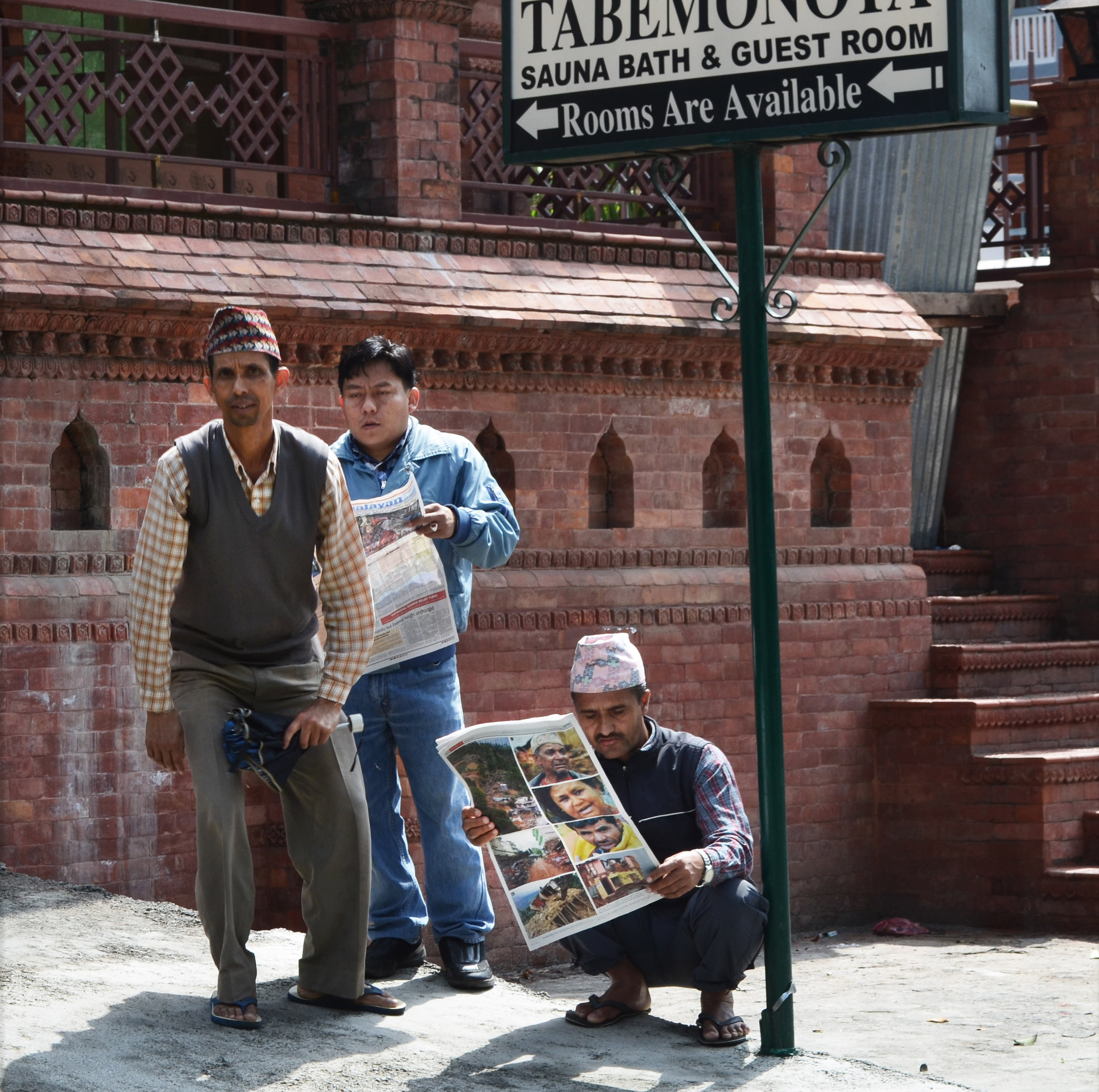
 Driving trough Kathmandu, I was able to see the real scale of what happened in past two days! Third of the capital got destroyed. Roads were damaged too, but buses were running on them anyway. I was just happy to leave, to seek for a bed to lie down and just sleep. The road to Pokhara was trough Himalayas, a very tiny one with no rails on the edge. So on one side you had high mountains, and on another steep rocky block high on 50 meter ended with wild river down below. I read that these roads are the most dangerous in the world, and, I guess, still present aftershocks contributed to higher the danger level too. However, I felt still good to be gone from Kathmandu.To be on the way, moving. Suddenly the bus stopped, and I saw a long line of cars in front of us. I got out of the bus. I could feel earthquake, but this time there was nowhere to hide. I got in to the bus again, and I asked one of the Nepalese, sitting next to me, why are we stopping, as I could not understand the bus driver. He told me that we had to as because of the land slide that was happening not far from us. At this point I was really scared, being trapped in tiny Himalayan road. We continue to wait 2 h, and, luckily, the bus went off again.DSC_0839
Arriving to Pokhara

  I can’t even describe how relieved I was when I arrived to Pokhara, that got hardy damaged. I checked in to one of the hotels and, happy to have a bad, I slept for twelve hours! There was another mild earthquake at night, but I didn’t even left the bed this time! The next days shower felt like a rear pleasure and close by Italian restaurant like a heaven!

Return to Kathmandu

  I returned to Kathmandu after seven days. Situation was even worst. I have been told that the water is contaminated, as of bodies around. Buildings were still as I saw them leaving with bricks all around. I still wasn’t able to see much of international aid, I read about online in Pokhara. Luckily for me, few hotels were open, so I checked in to one. Actually, one of the best, as was reassured it’s a strong construction and I am safe there. In the morning I was having a breakfast with French fire brigade, that came as an aid. They were eating for 3 hours..not even going to comment on that. I’ve heard also some Polish volunteers, that came to help, but I saw them just taking private photos of collapsed buildings. I did not see any international aid, only Nepalese working very hard, helping each others. I might be wrong, I am sorry, I know many people were in remote villages, helping. But having a breakfast for 3 hours wasn’t so cheering, and changed my view how people act in such a crisis, when it’s not really their backyard.