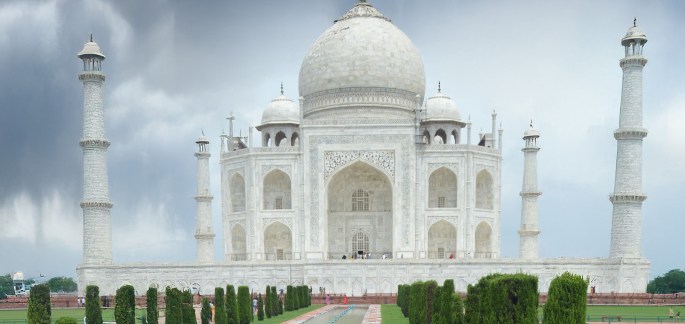
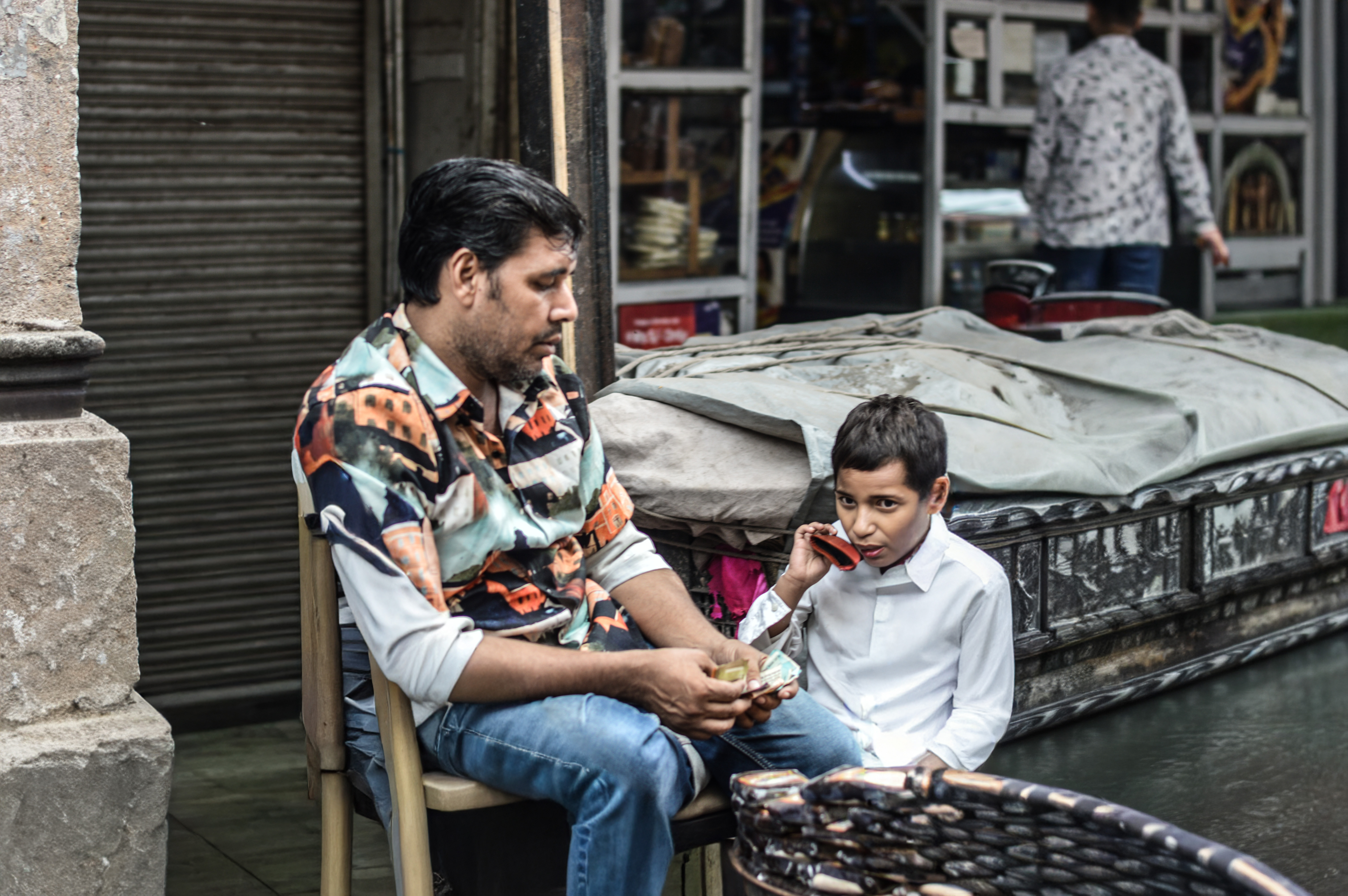
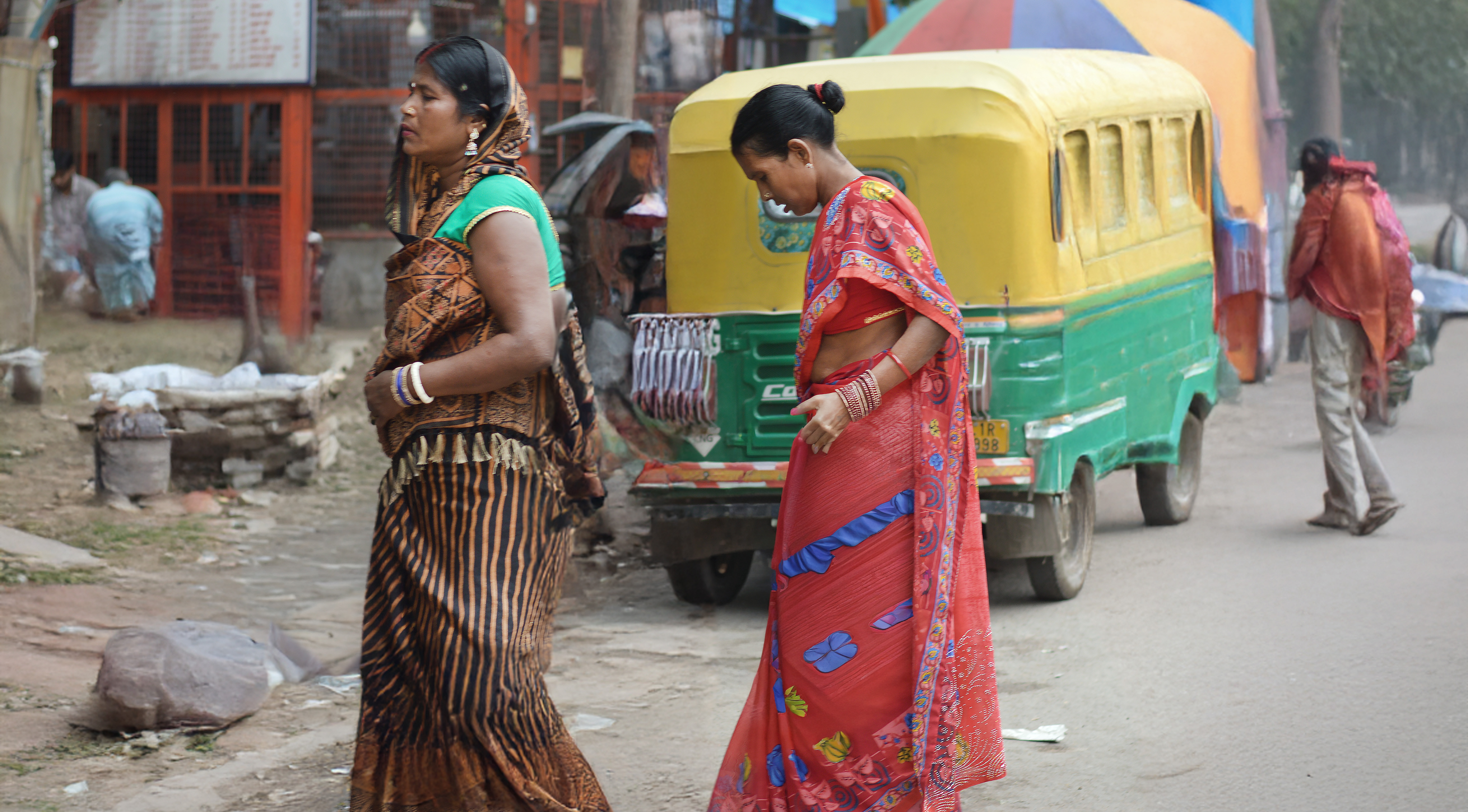
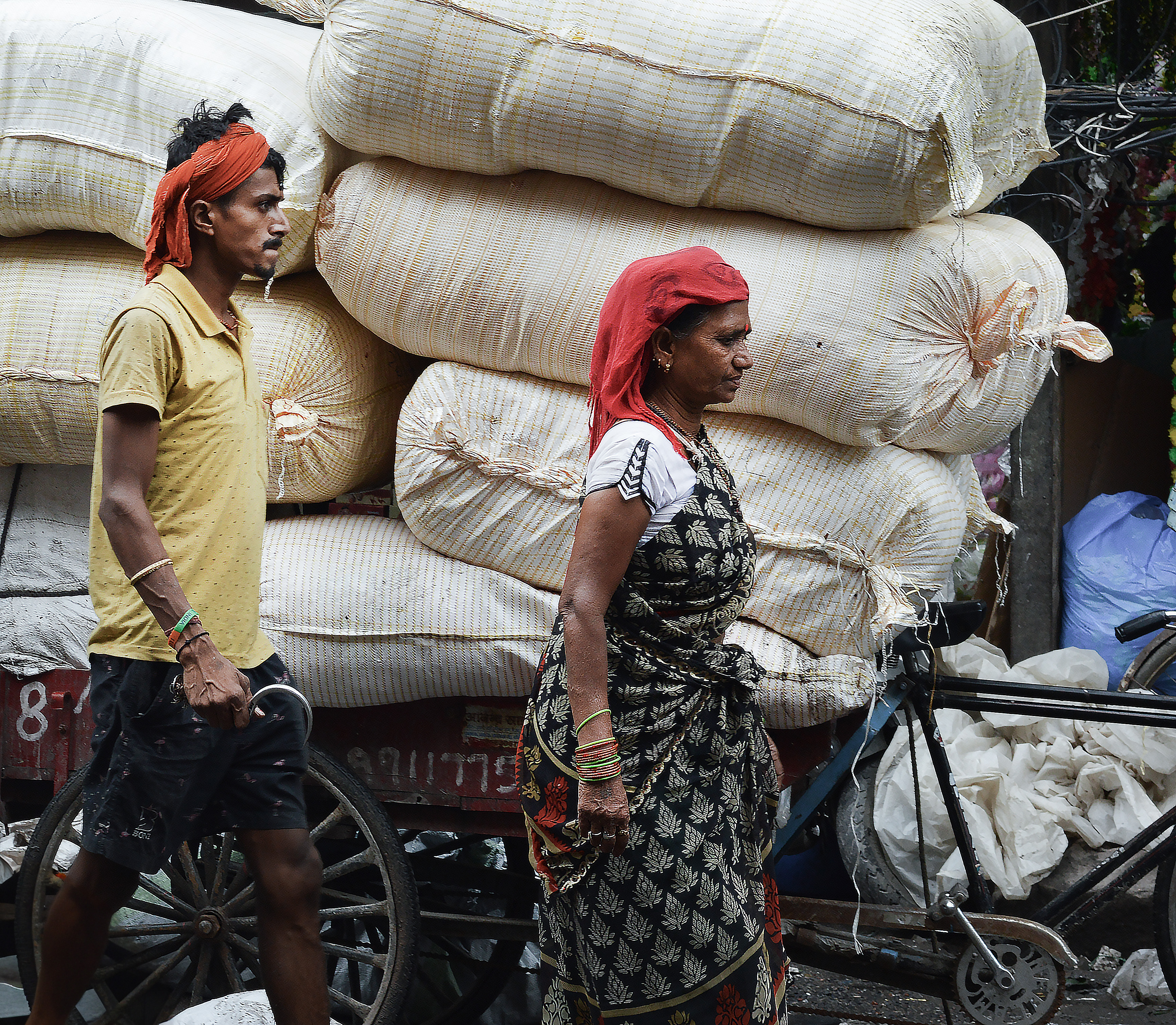
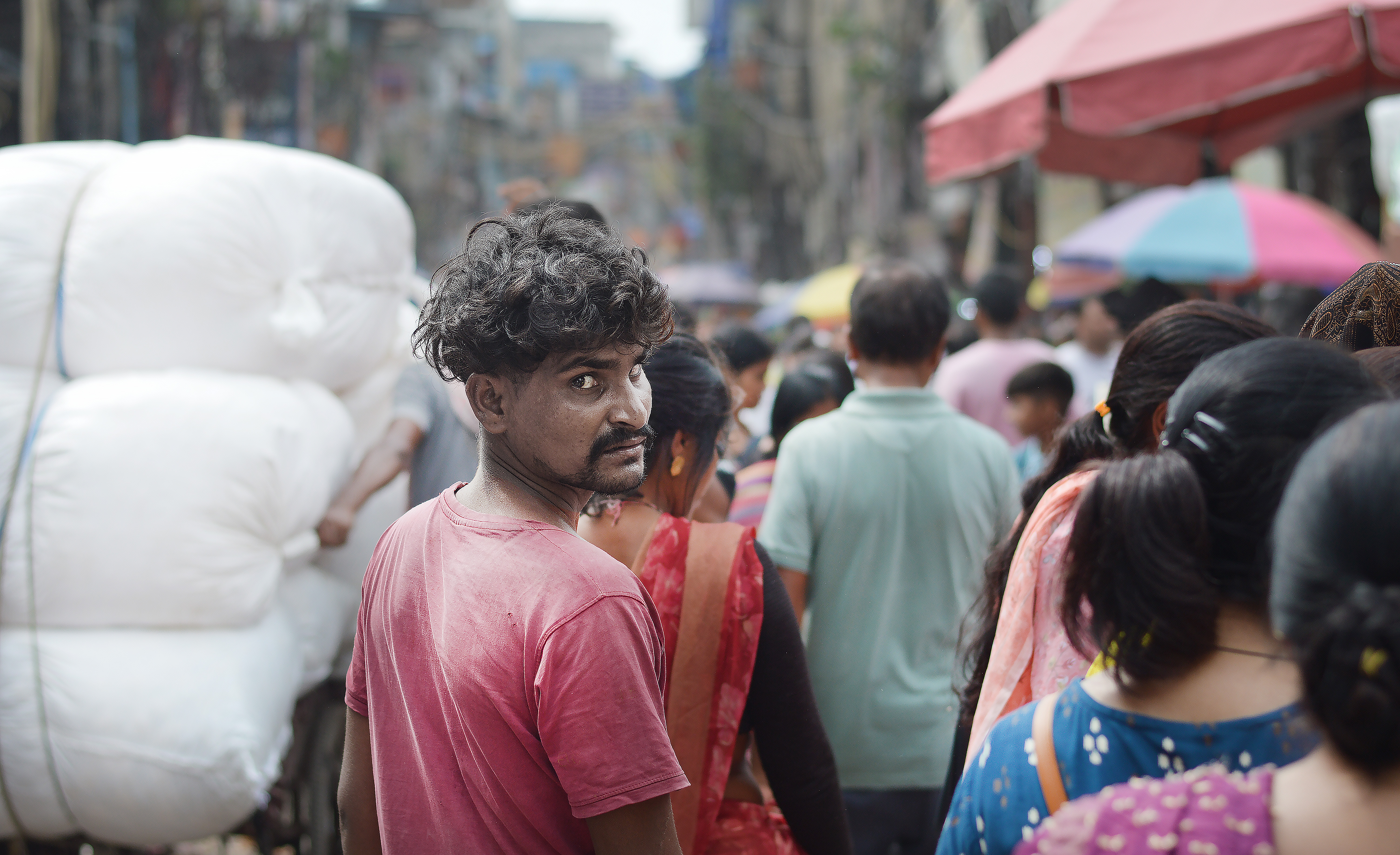
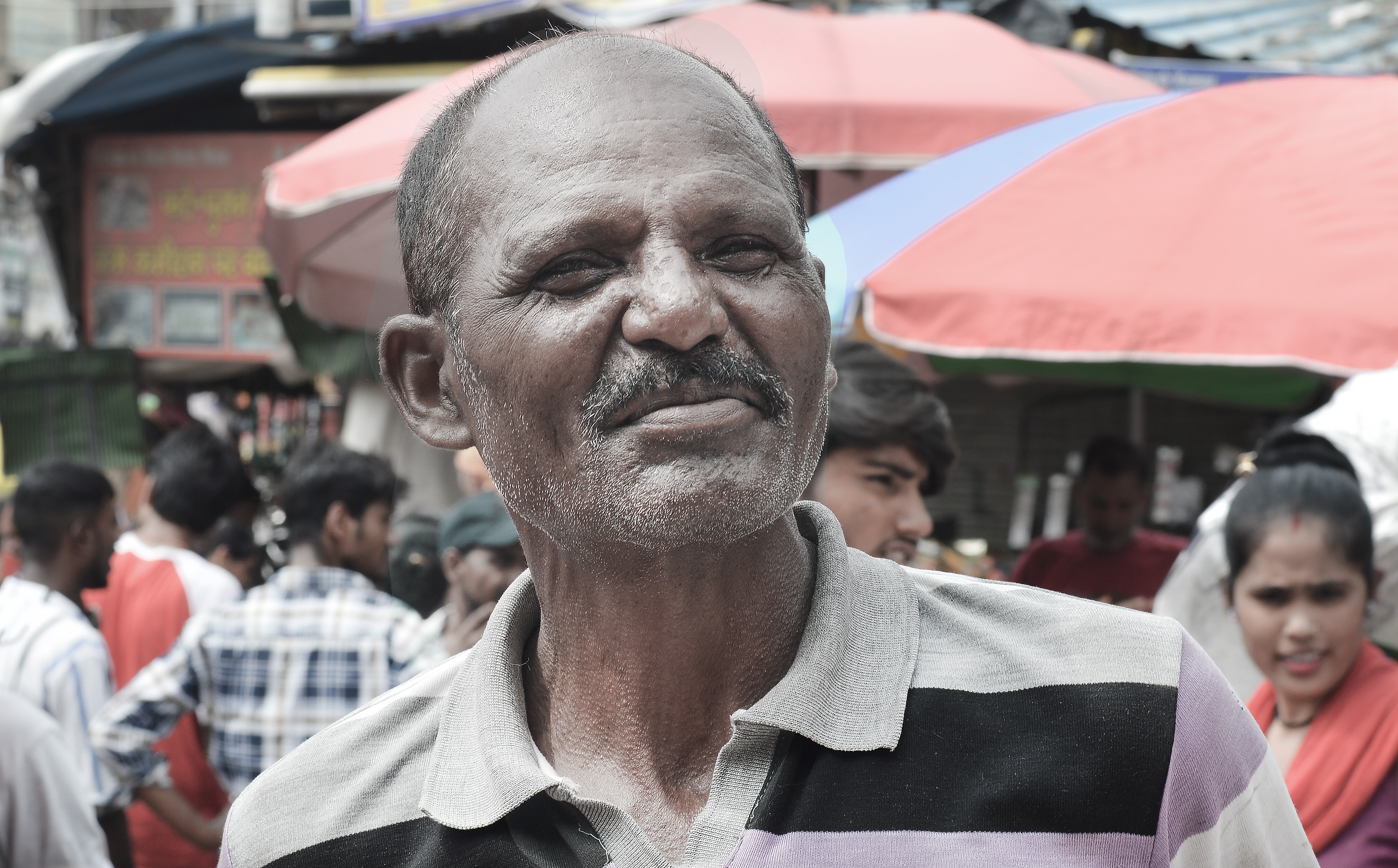
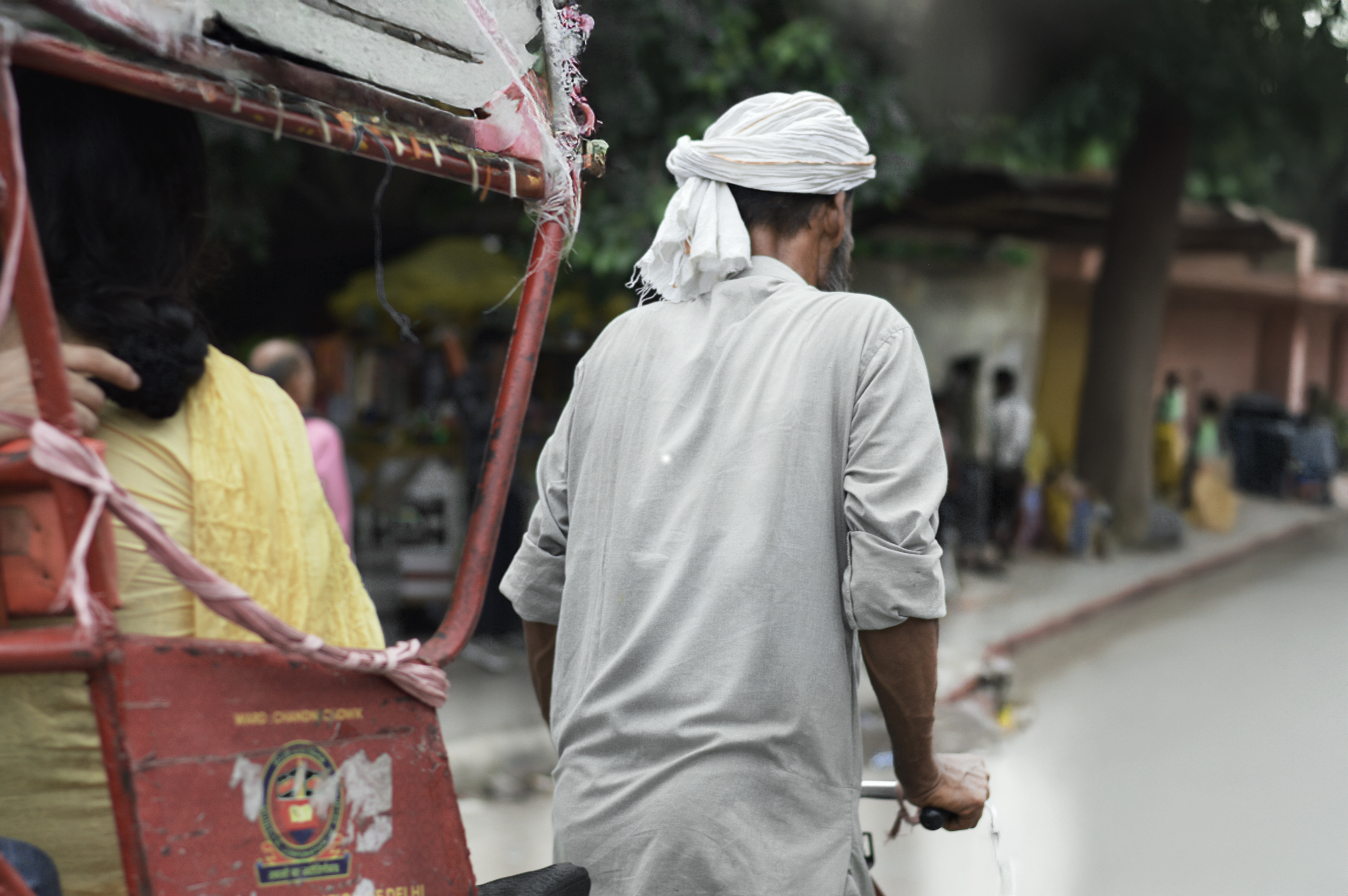
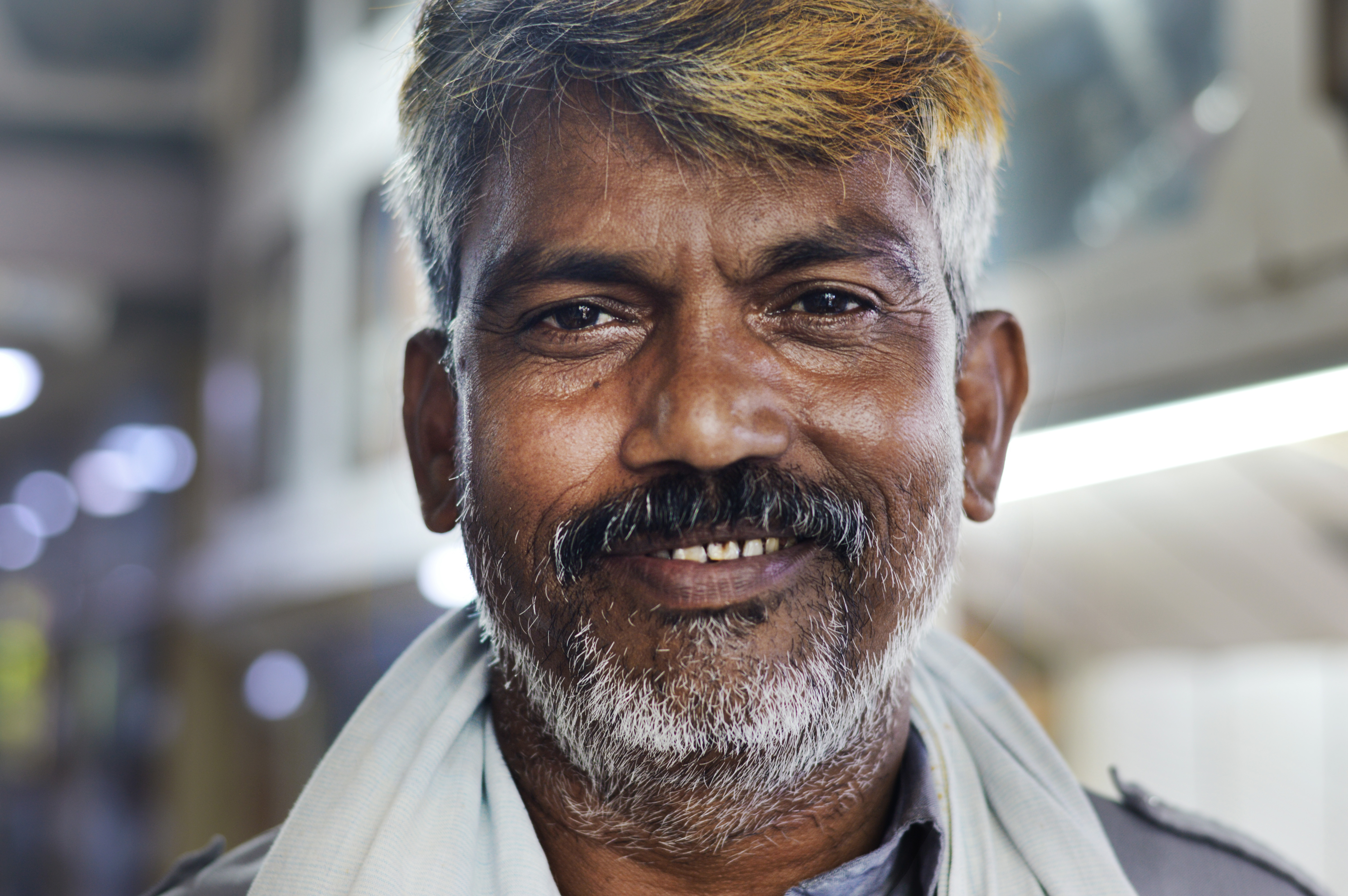
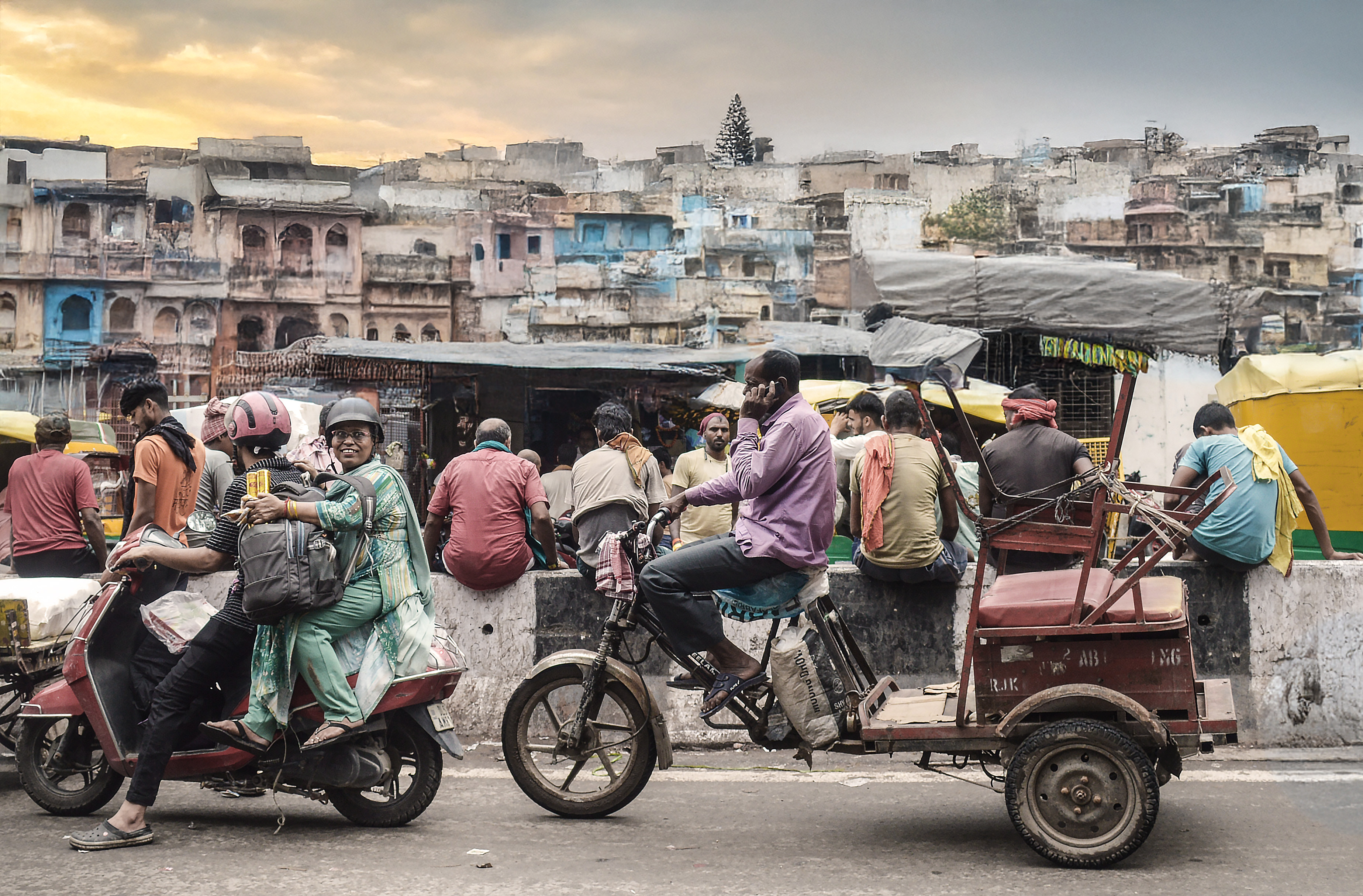
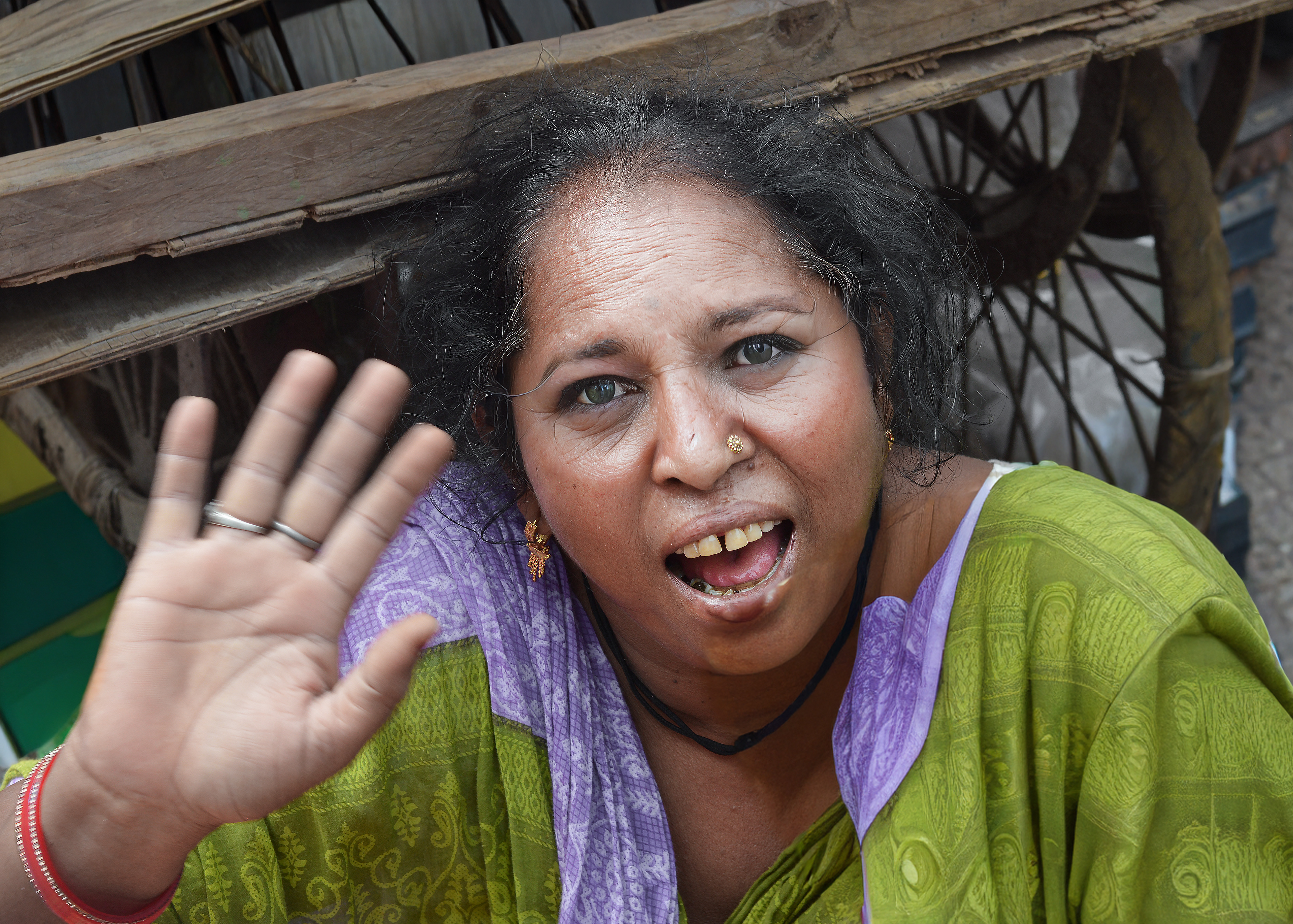
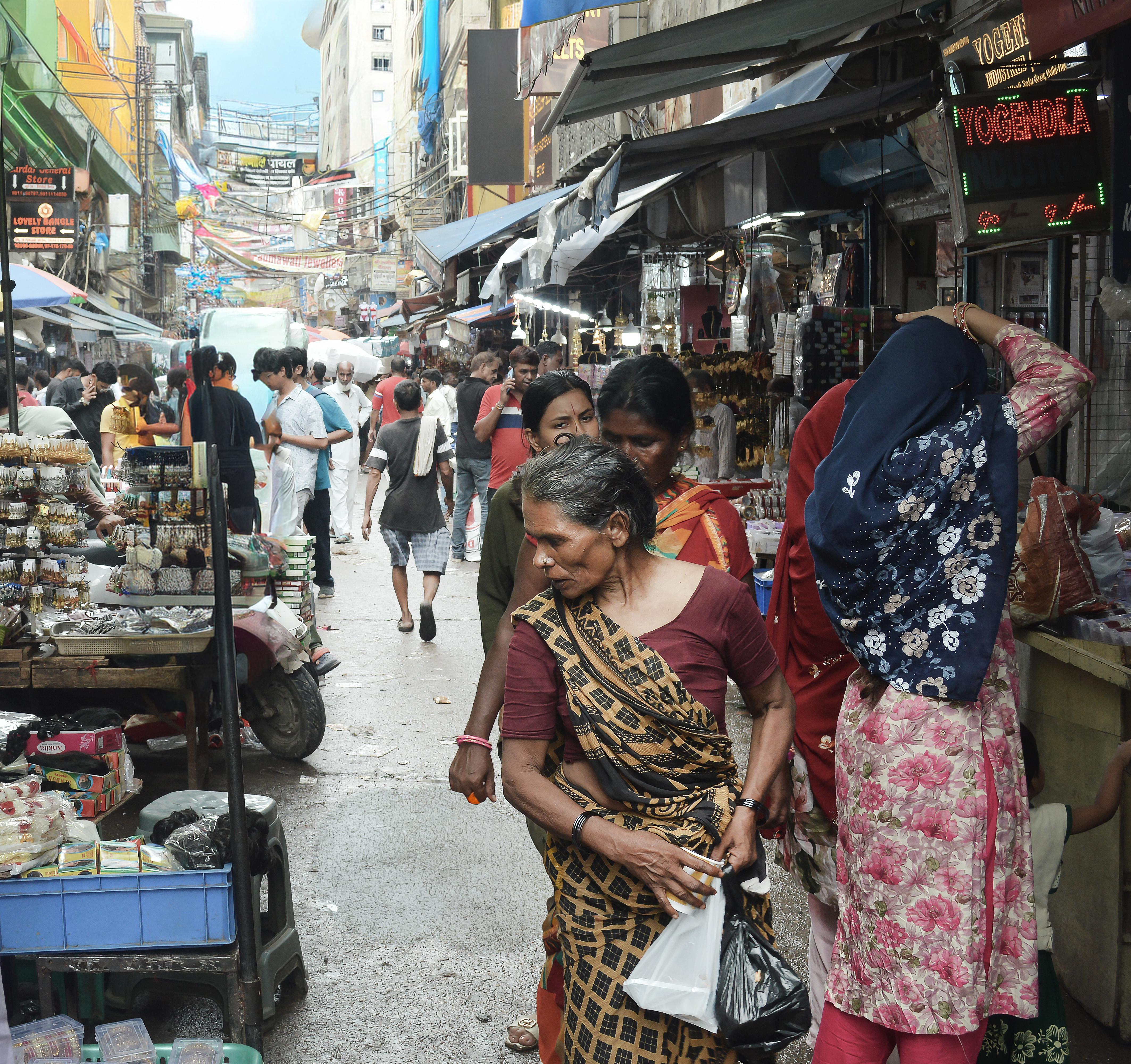
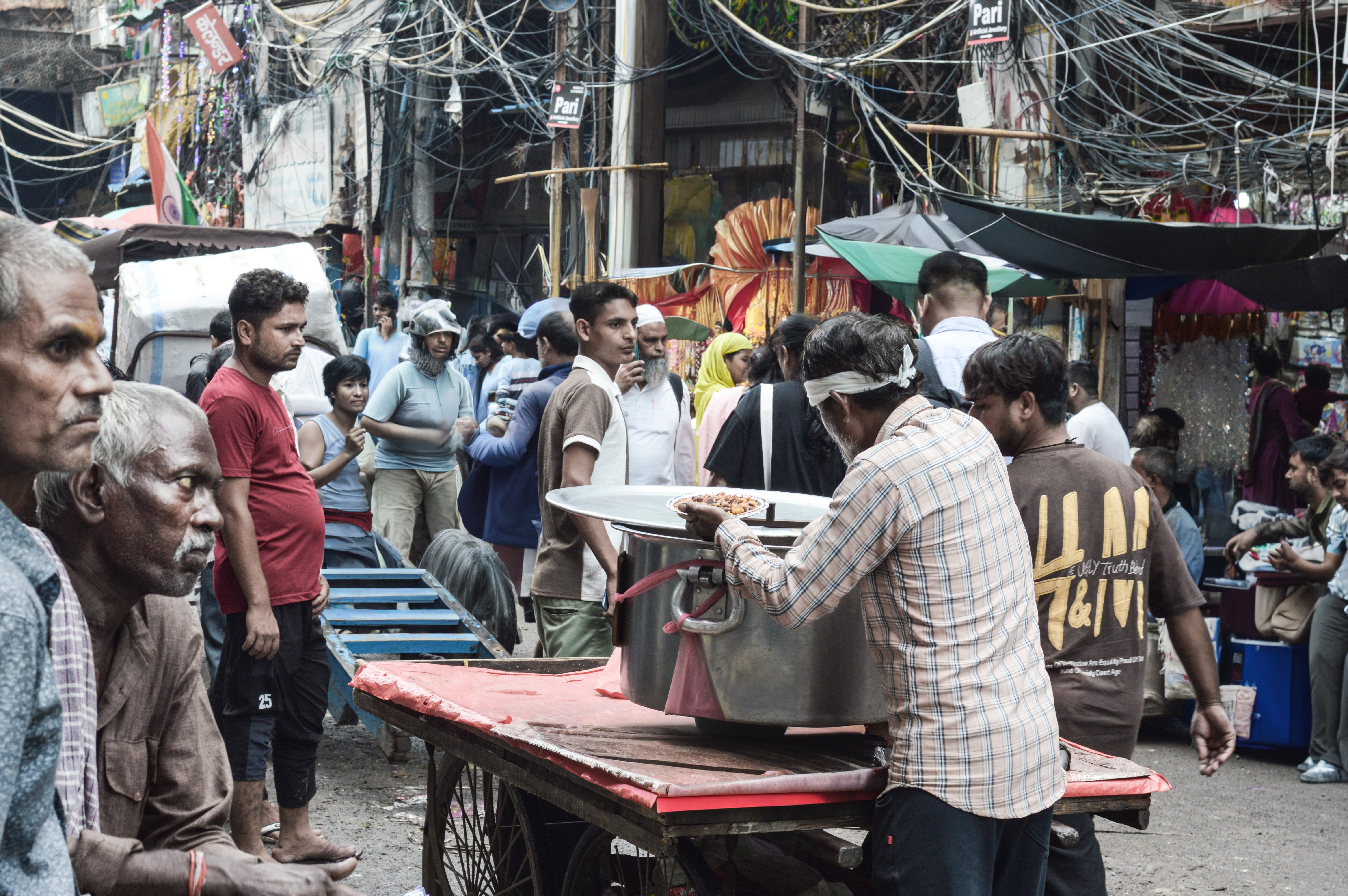
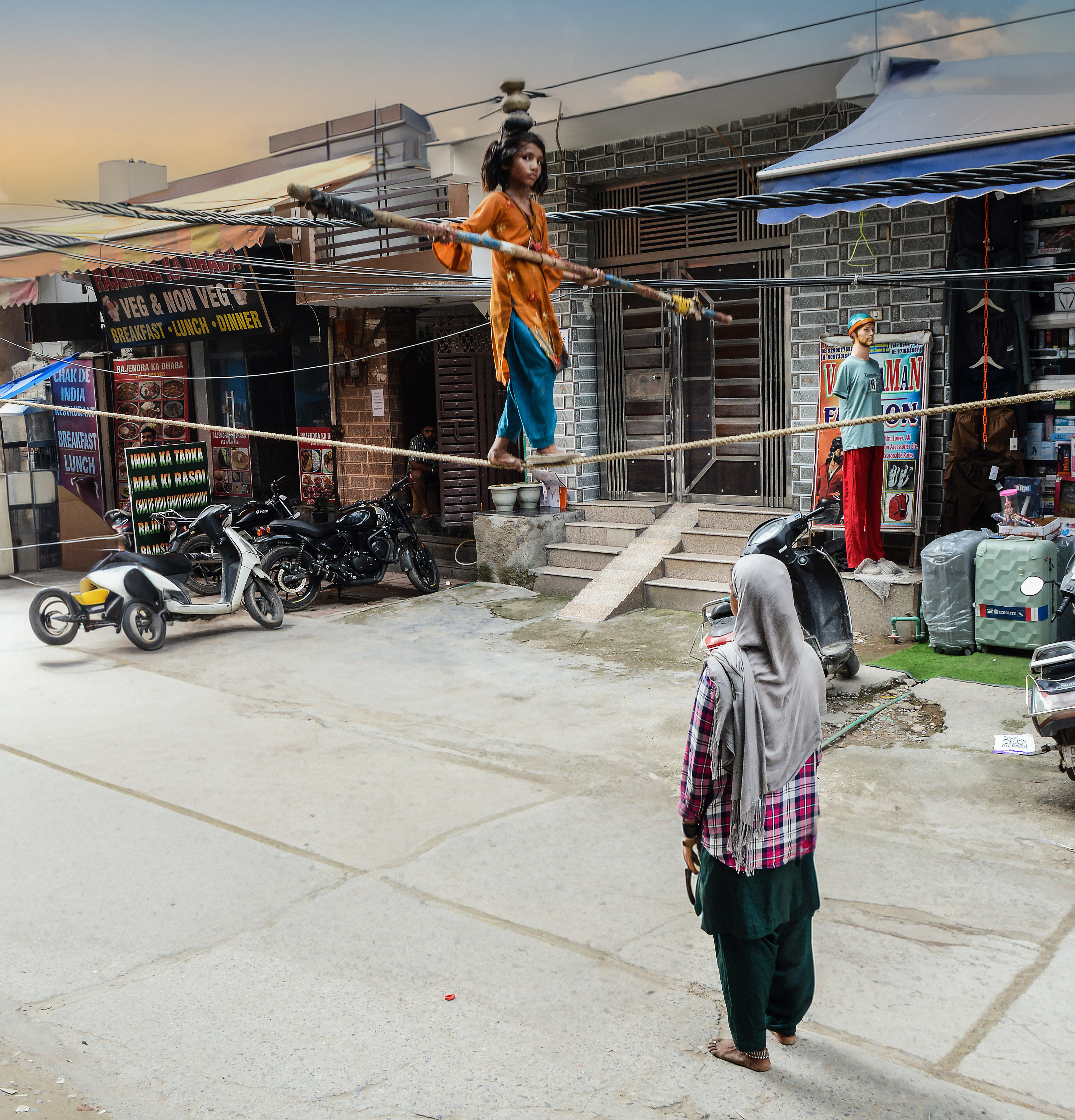
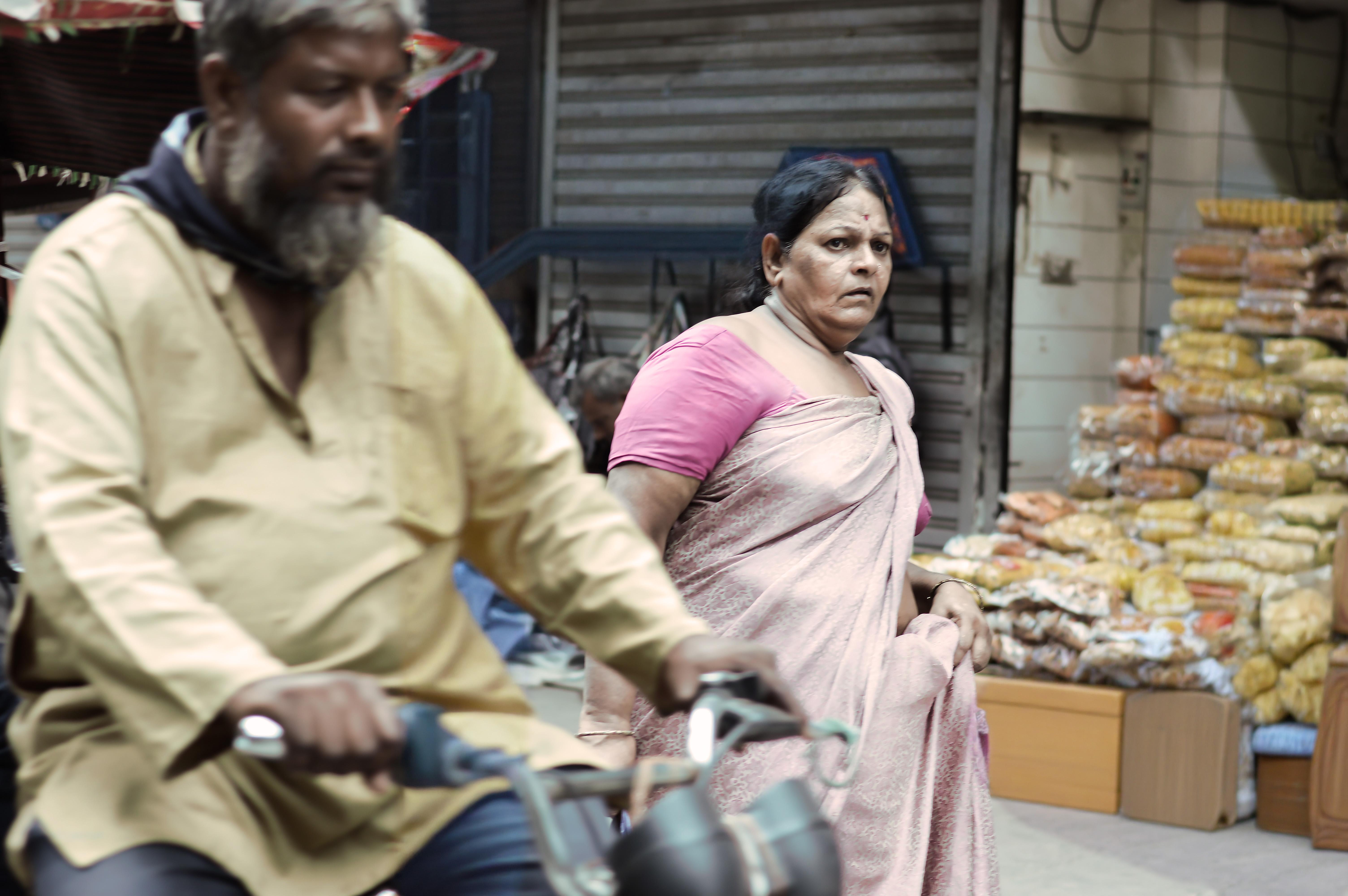
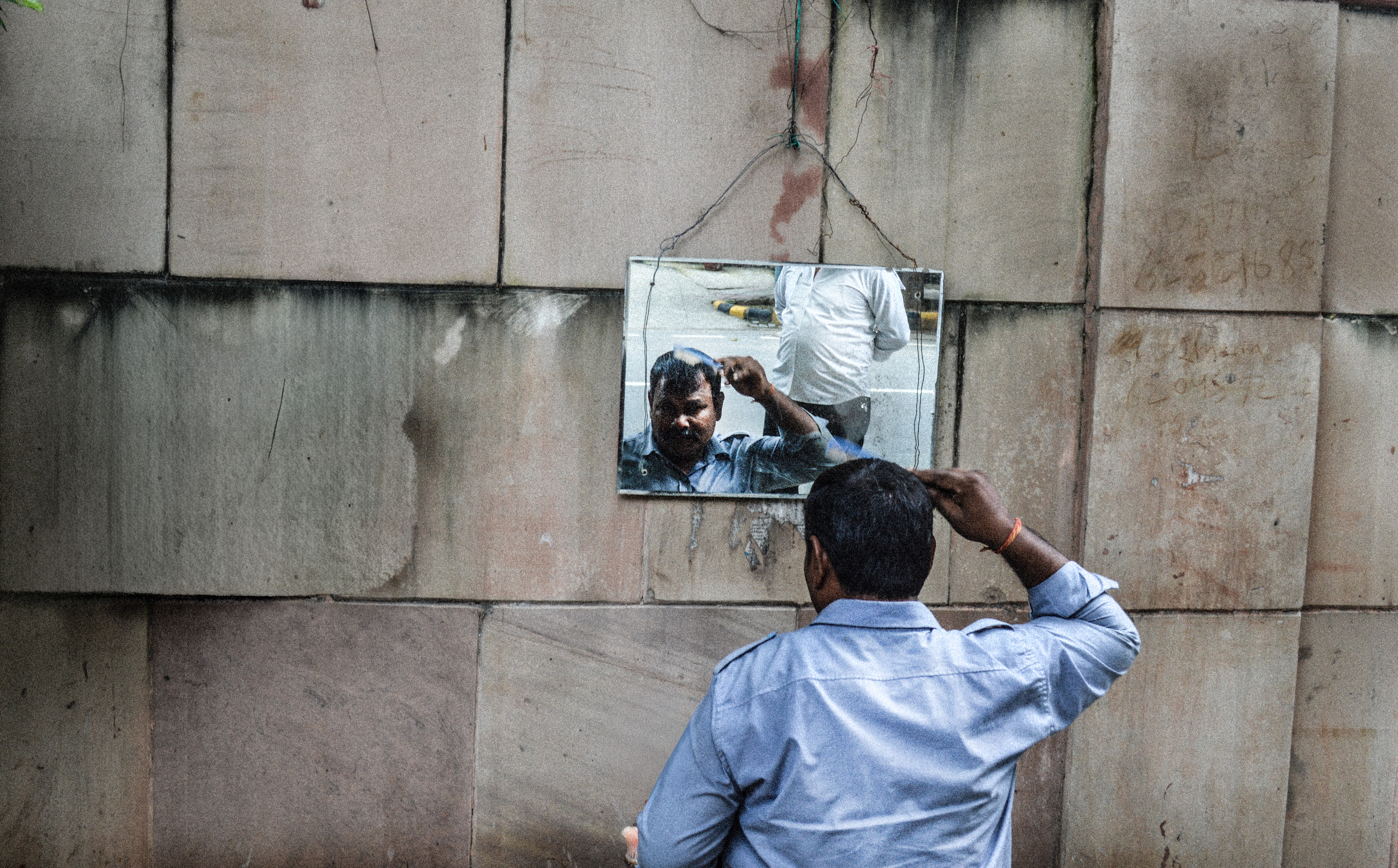
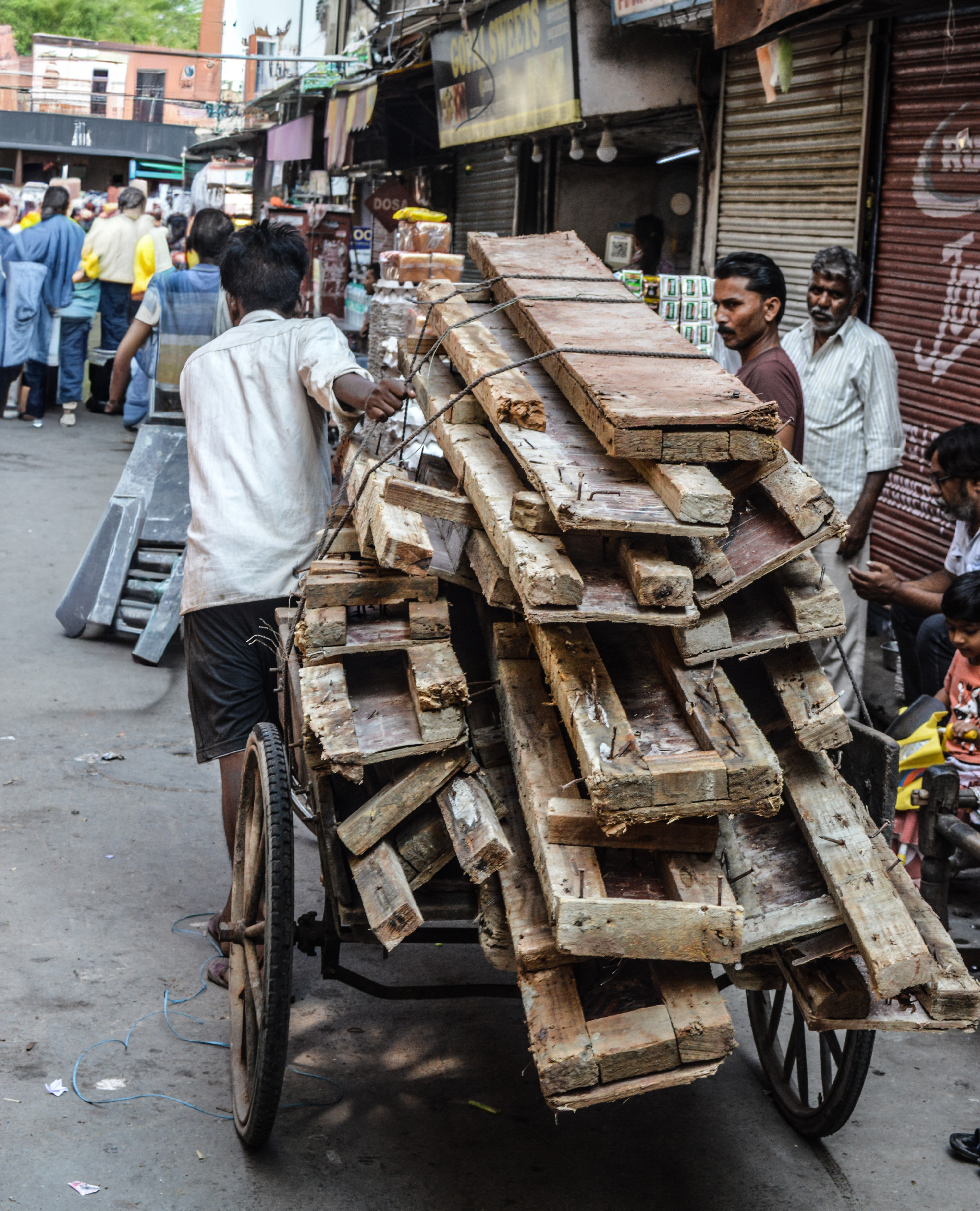
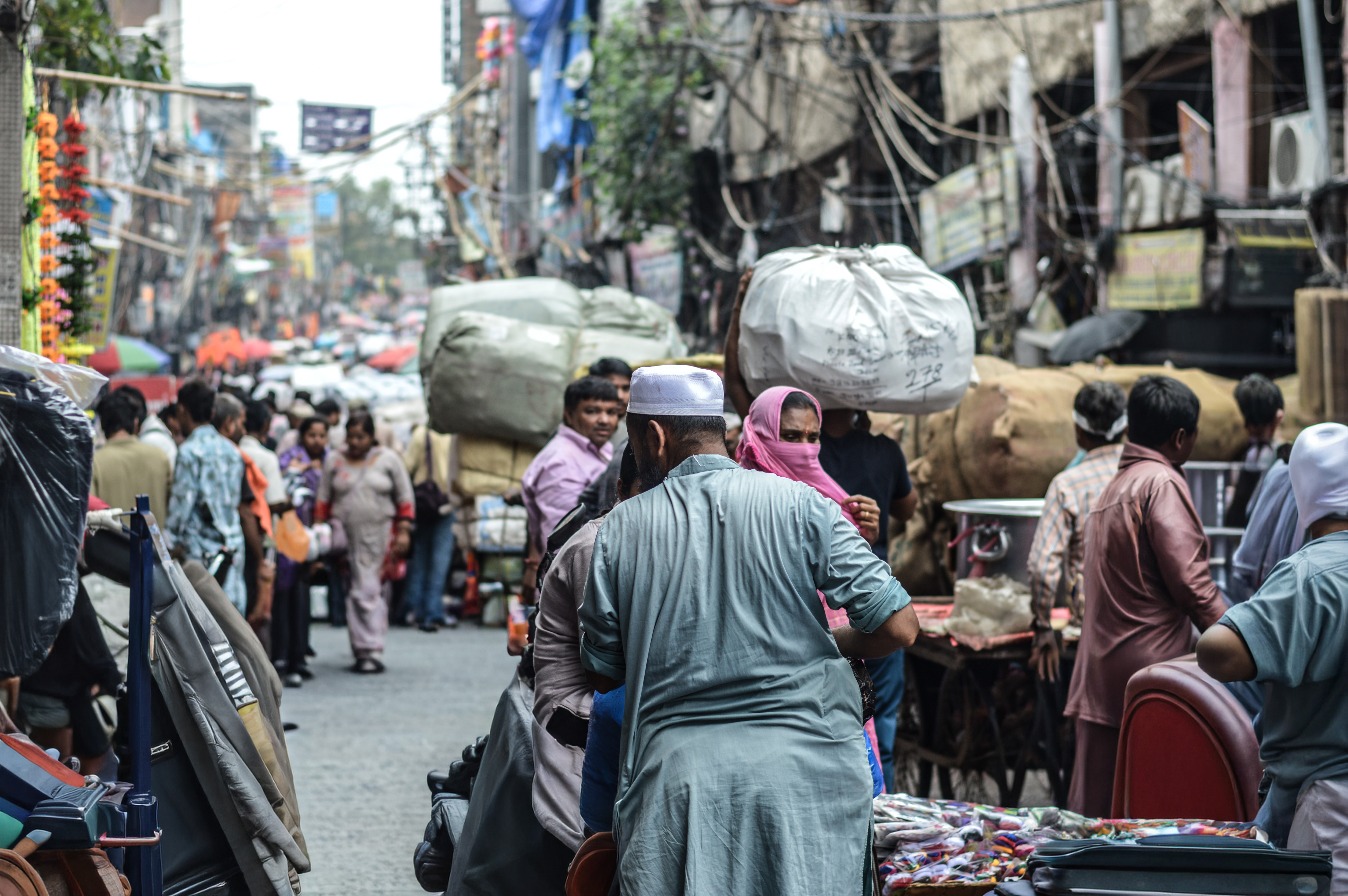
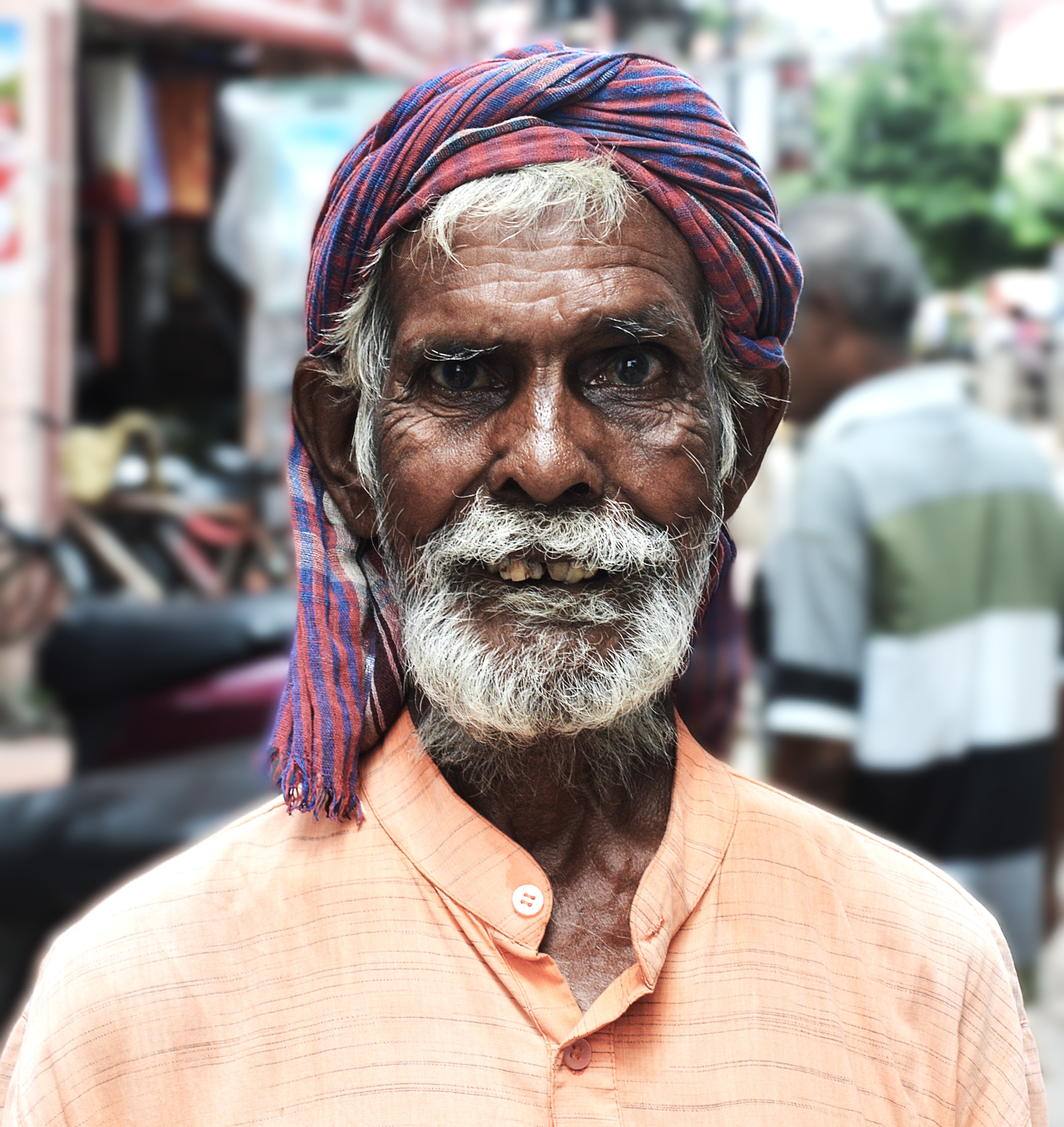
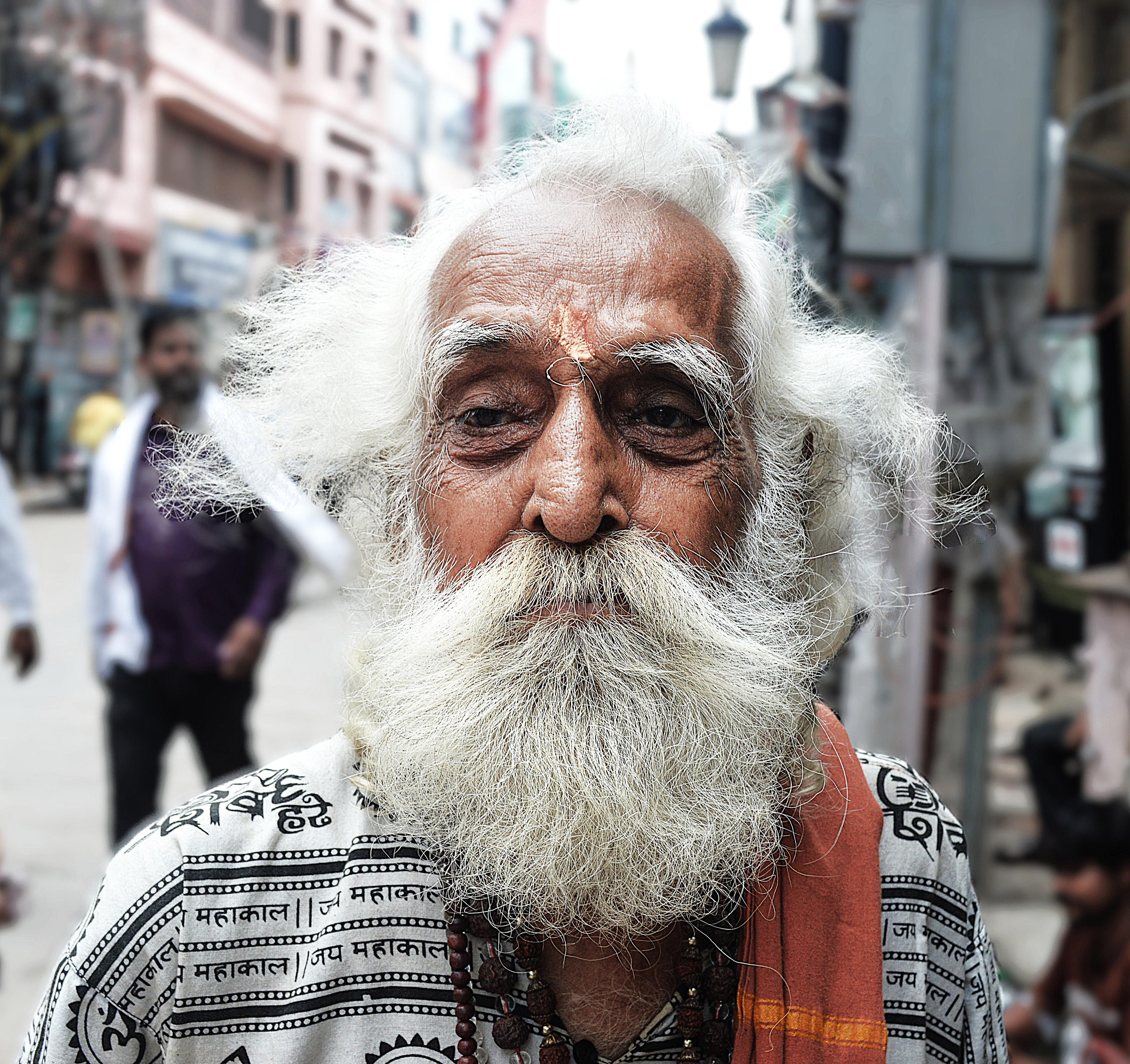
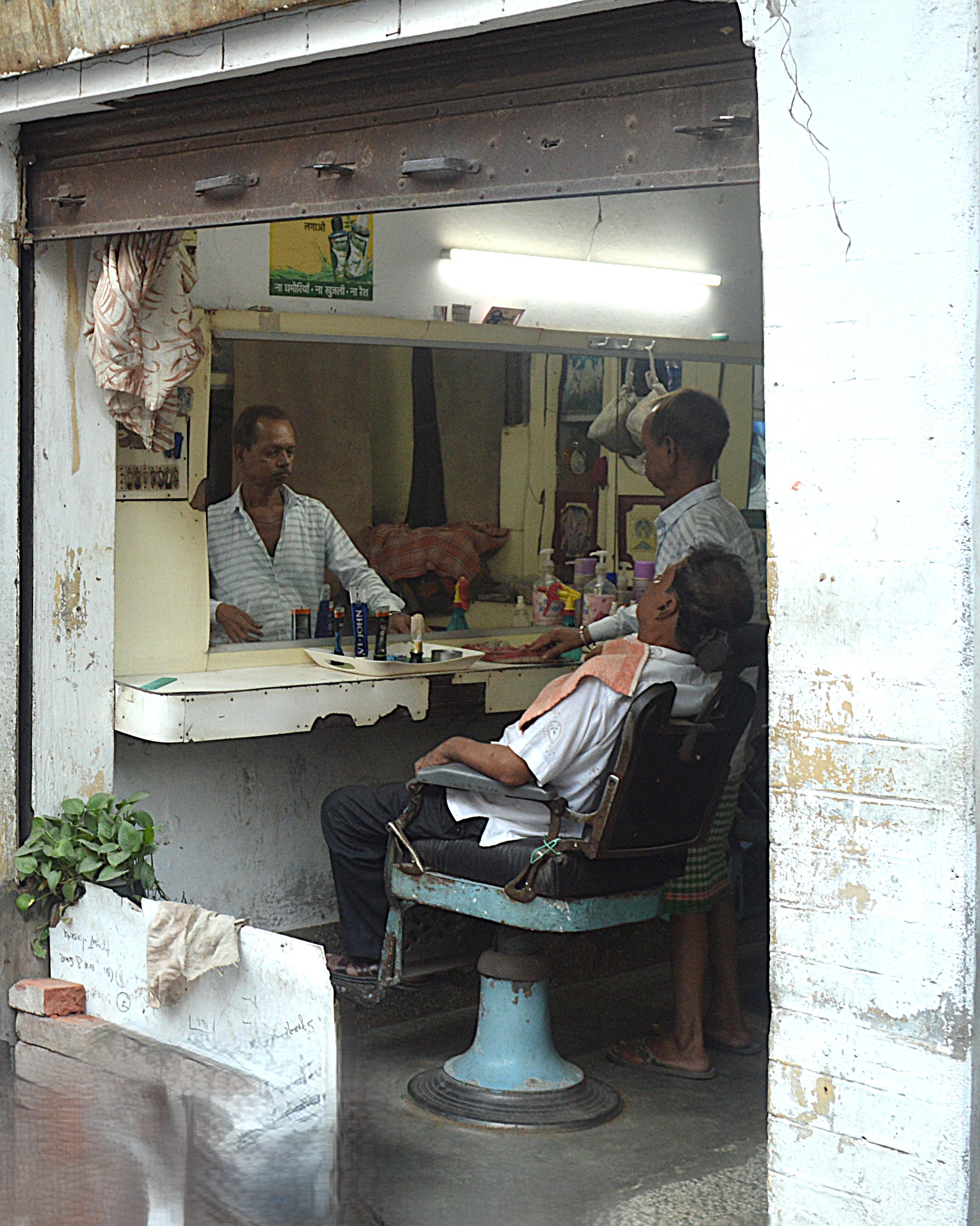
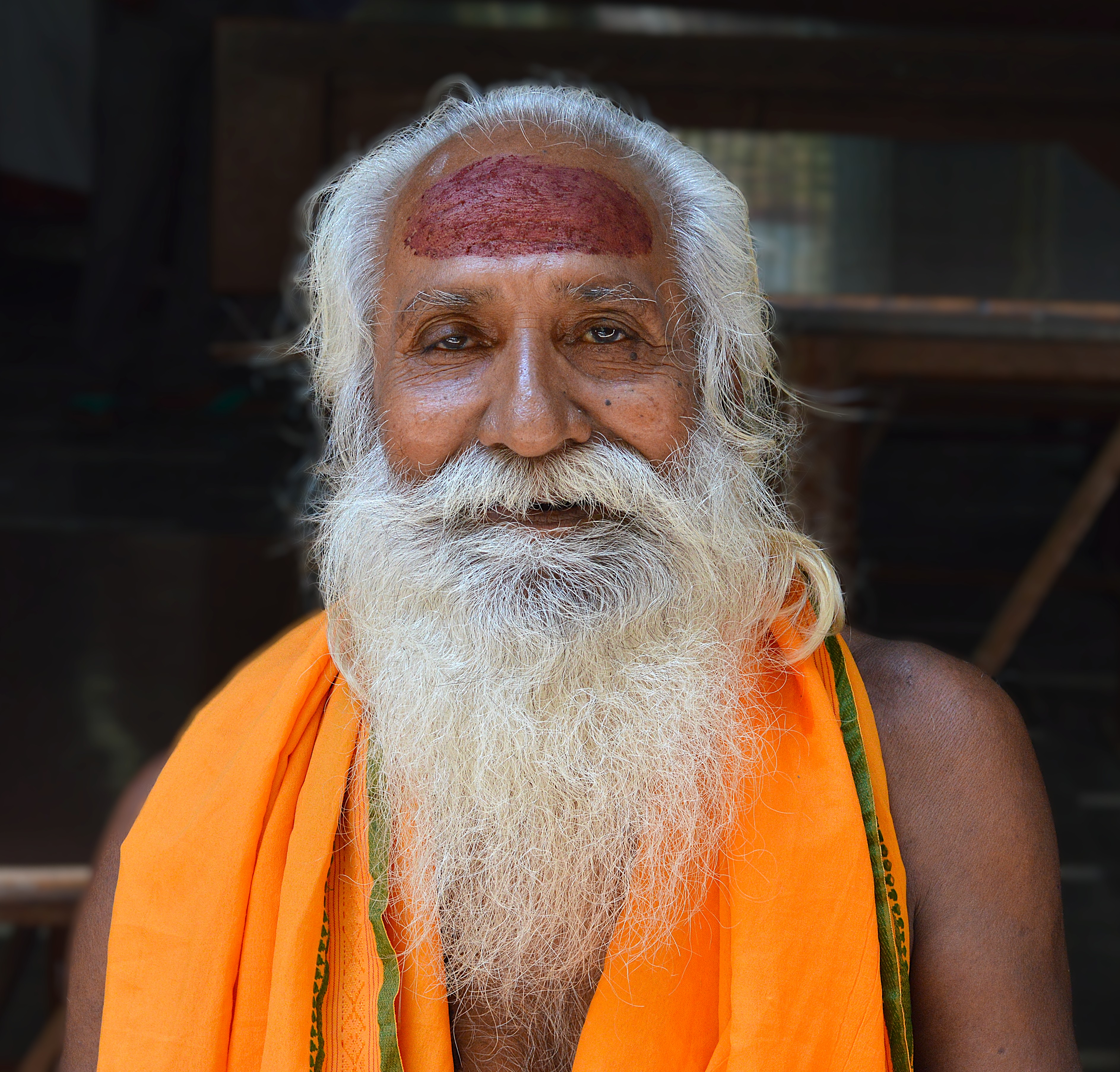
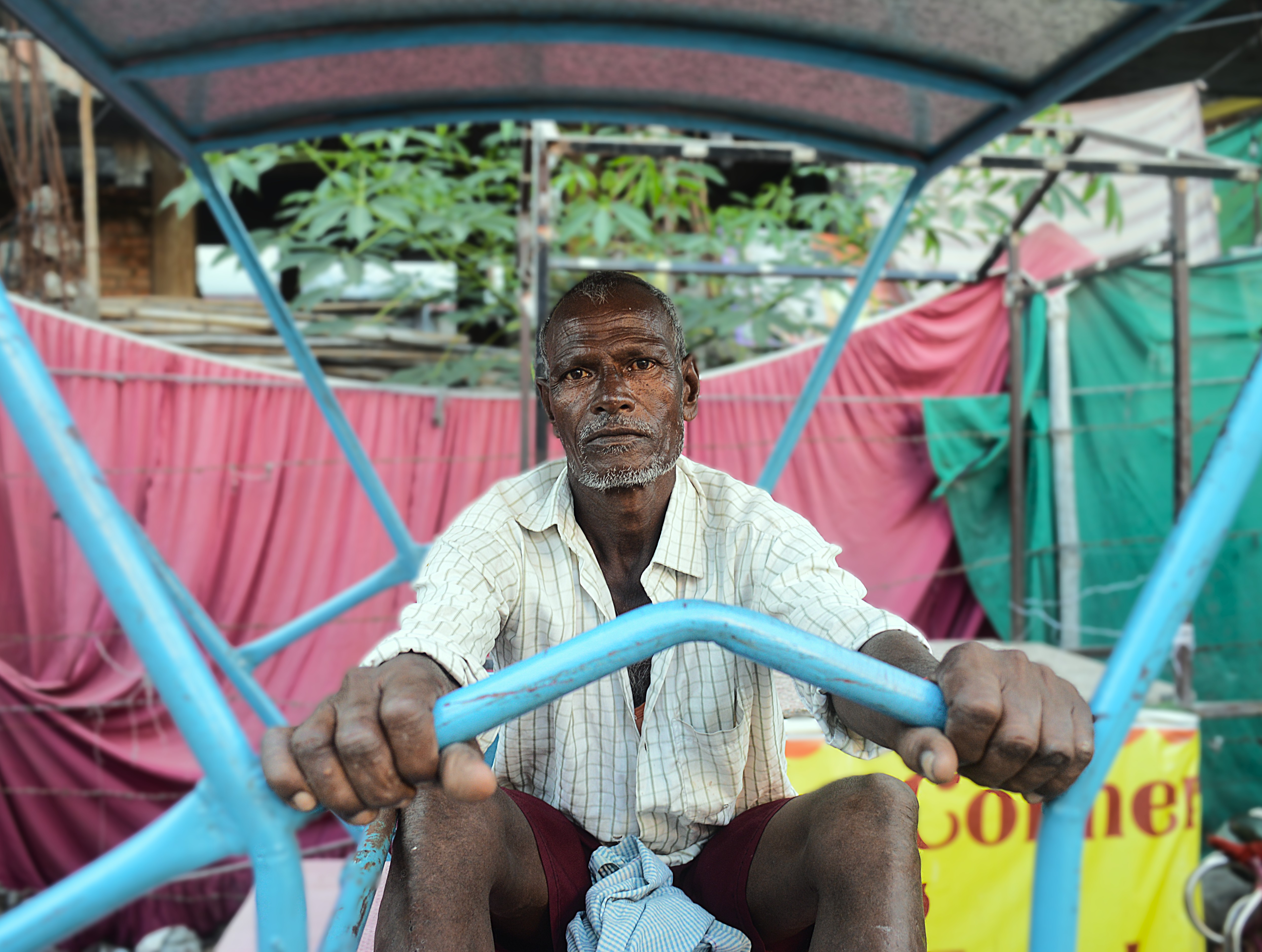
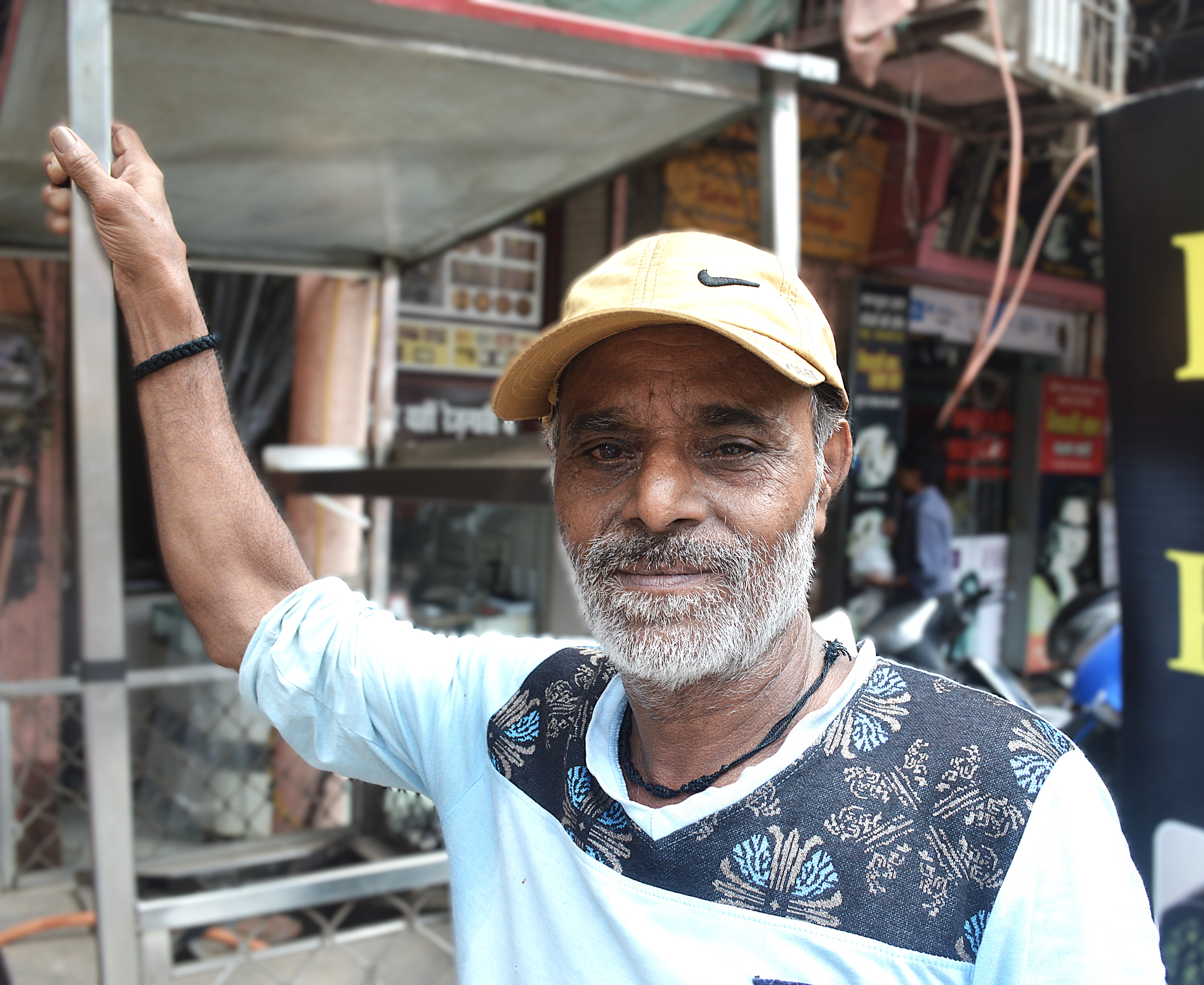
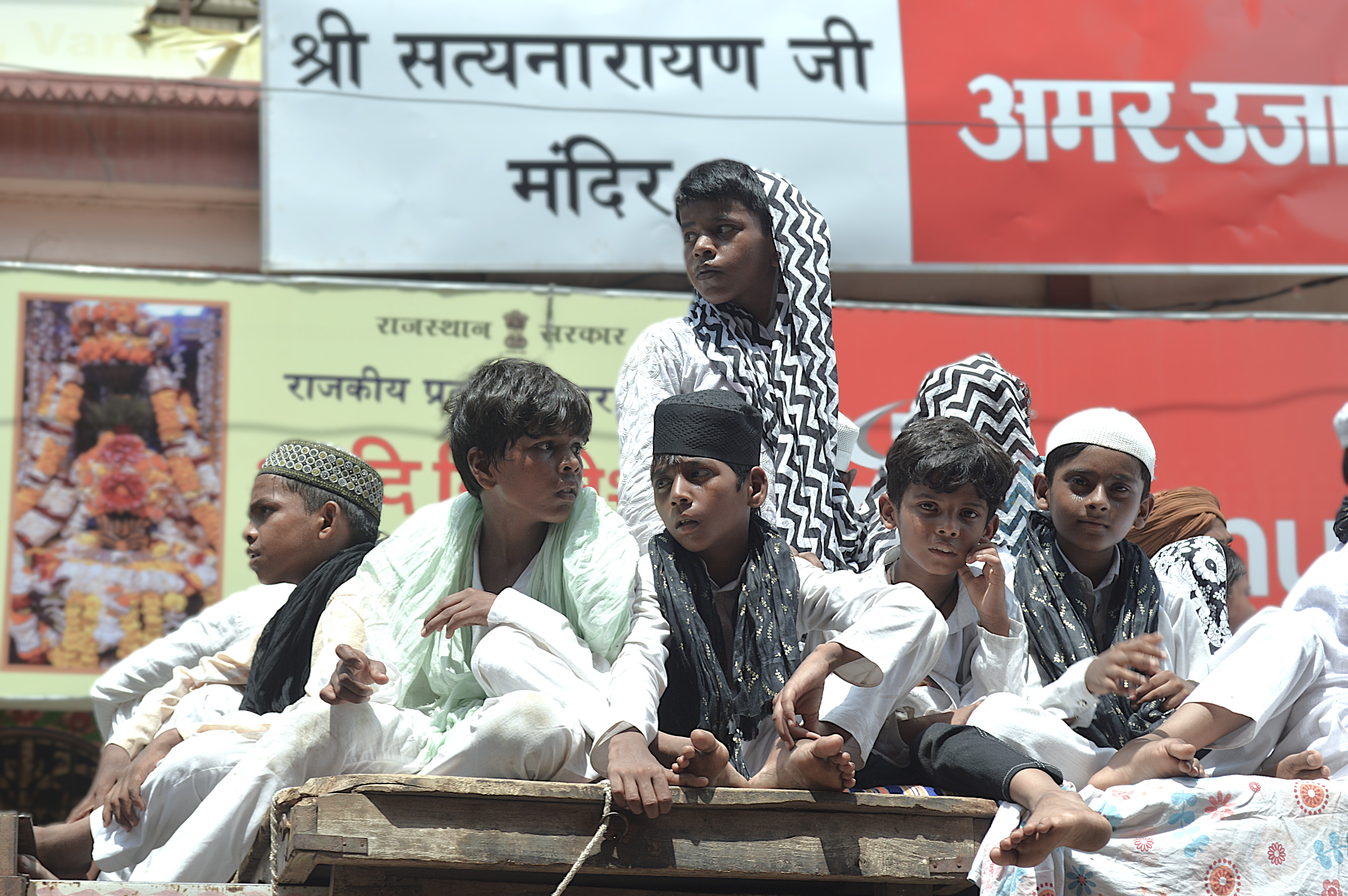
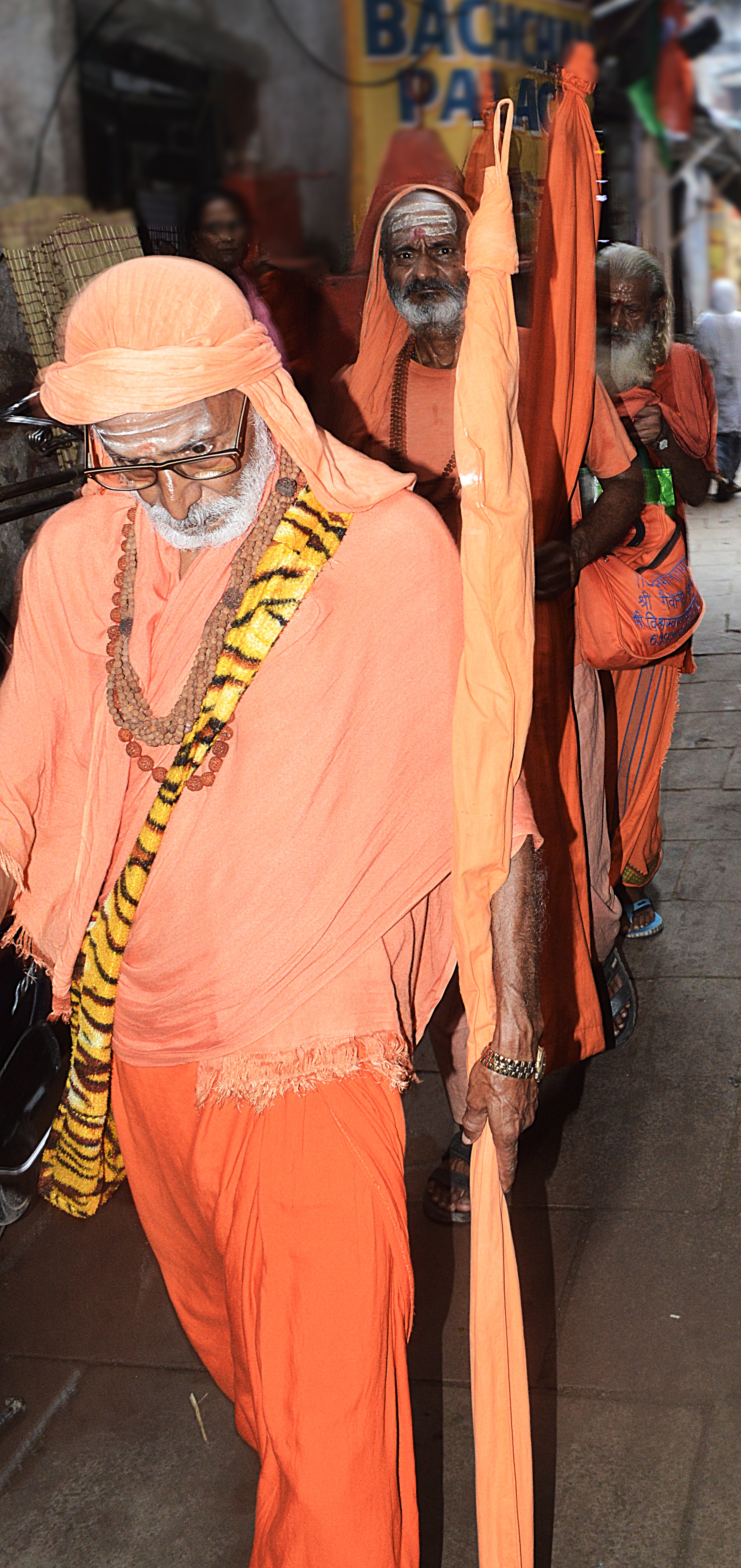
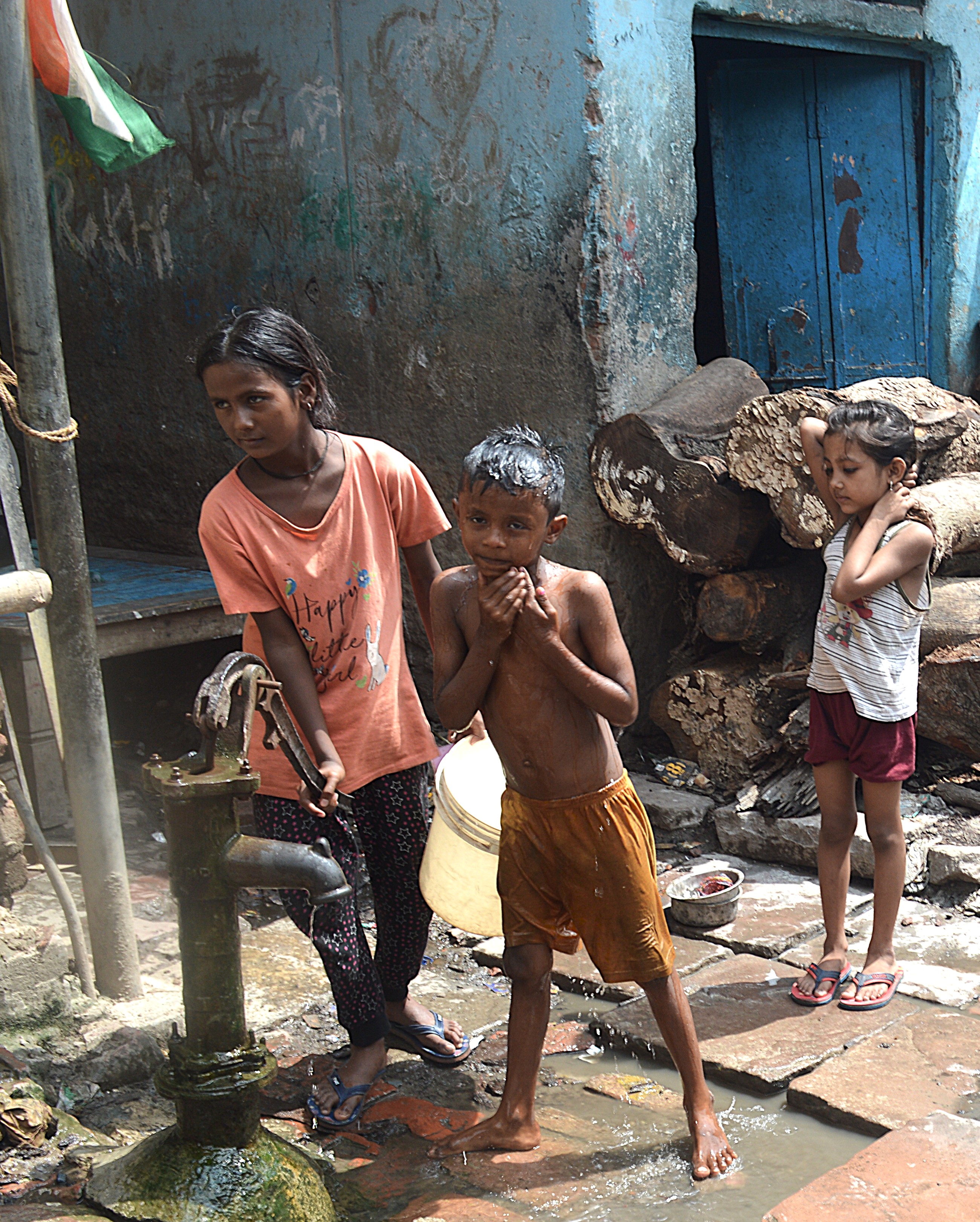
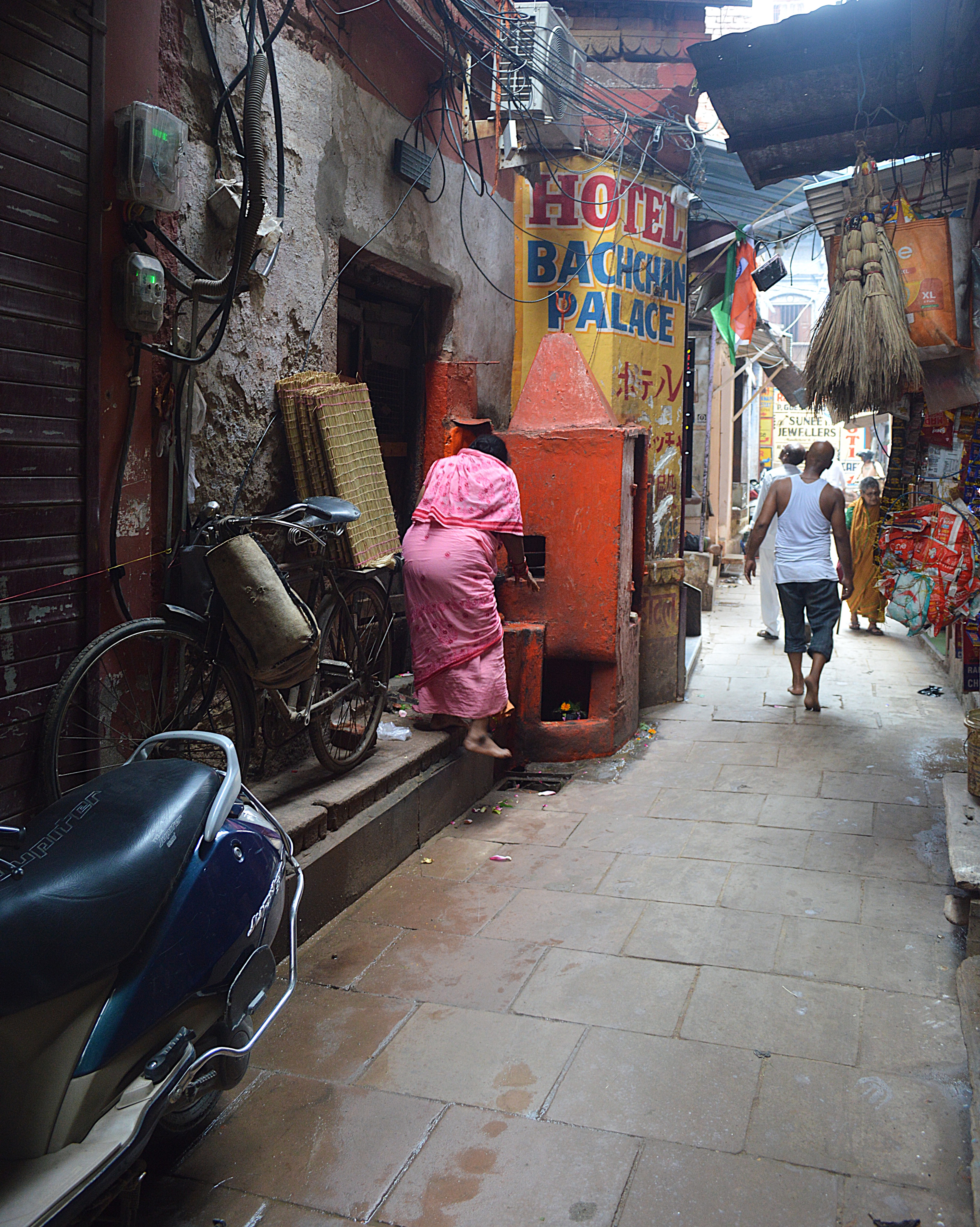
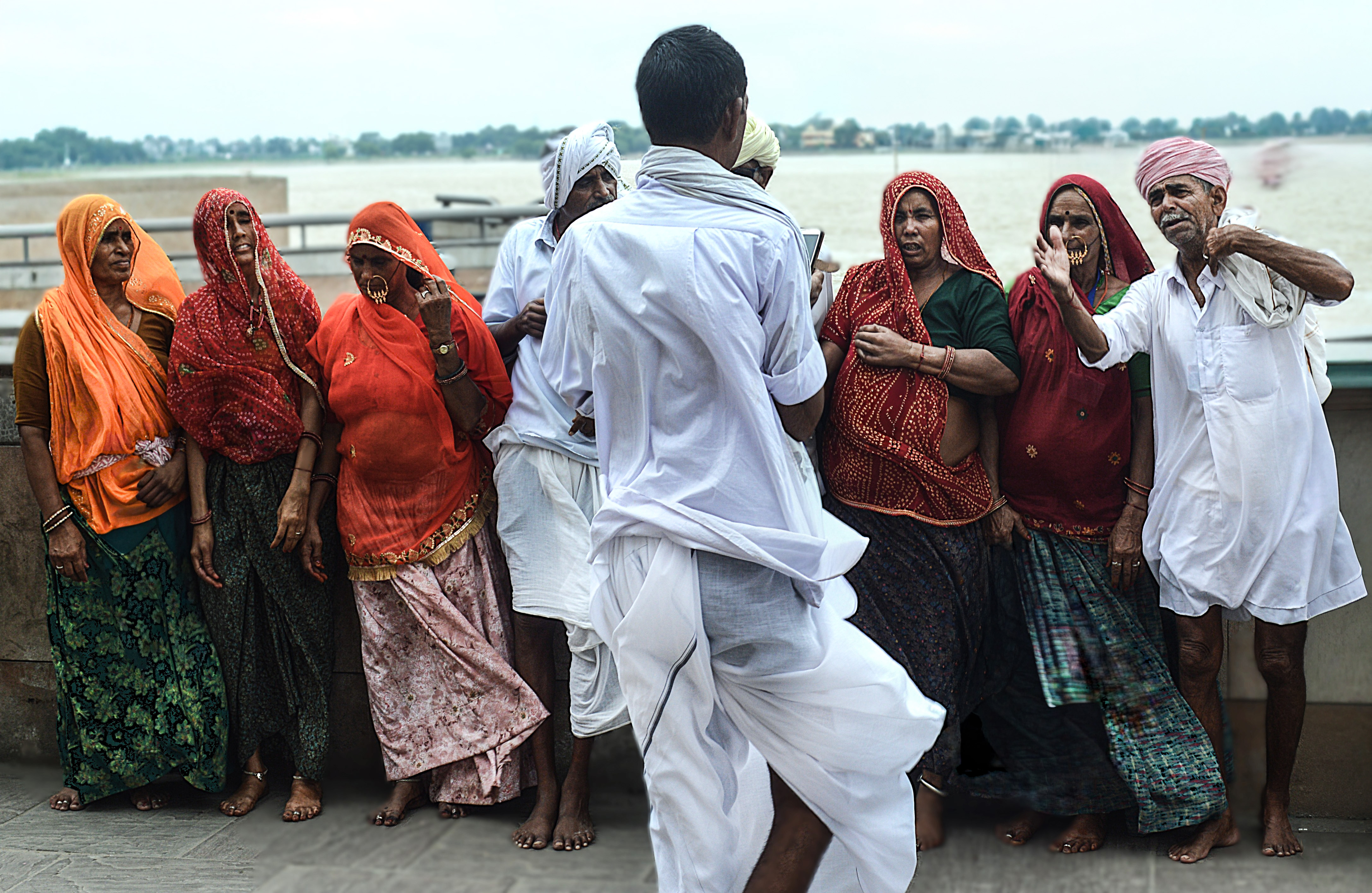
Just a few glimpses of Delhi, photography wasn’t allowed in many places, so I had to rely on memory more than my lens. But the Swaminarayan Akshardham Temple truly stole the show. Its scale, serenity, and spirit moved me more than the Taj Mahal ever did. And honestly, the greatest treasure of India? The people on the streets. Their warmth, energy, and everyday grace made this journey unforgettable.
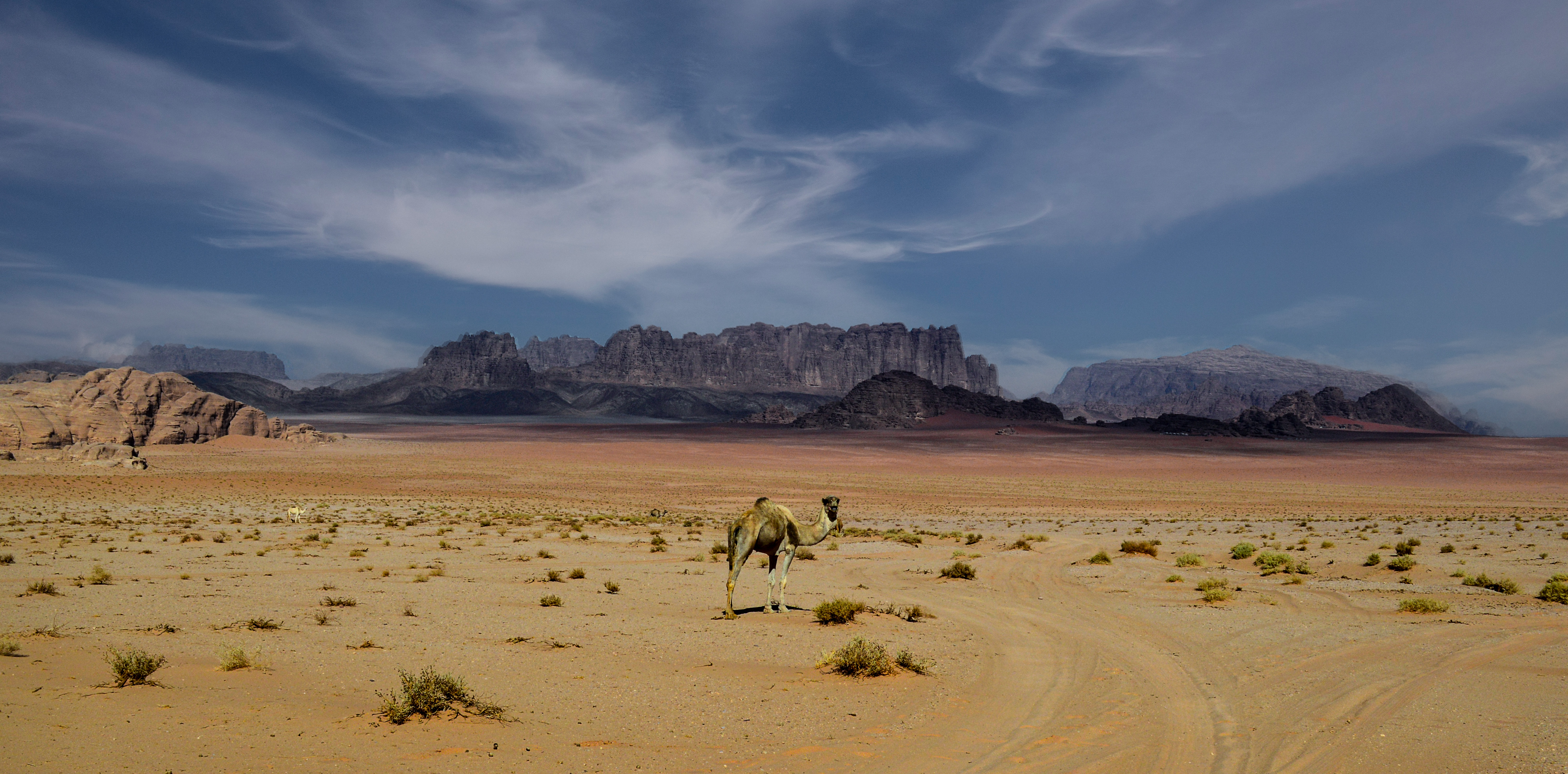
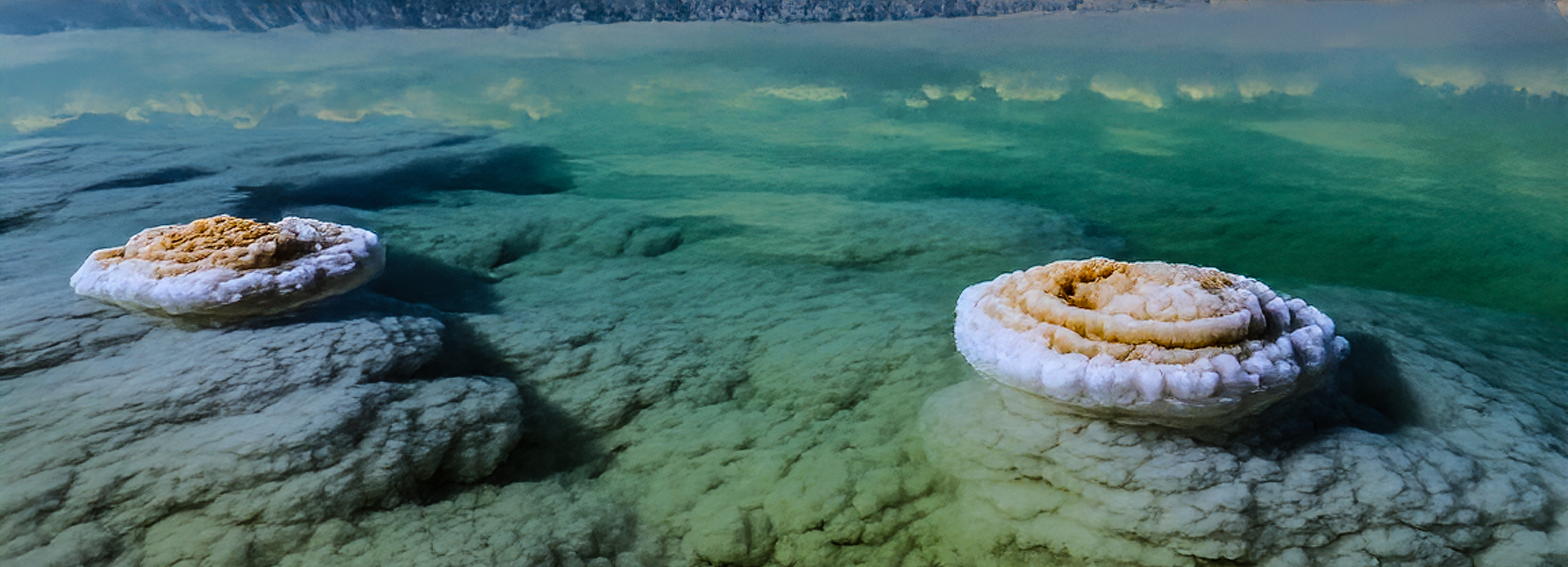
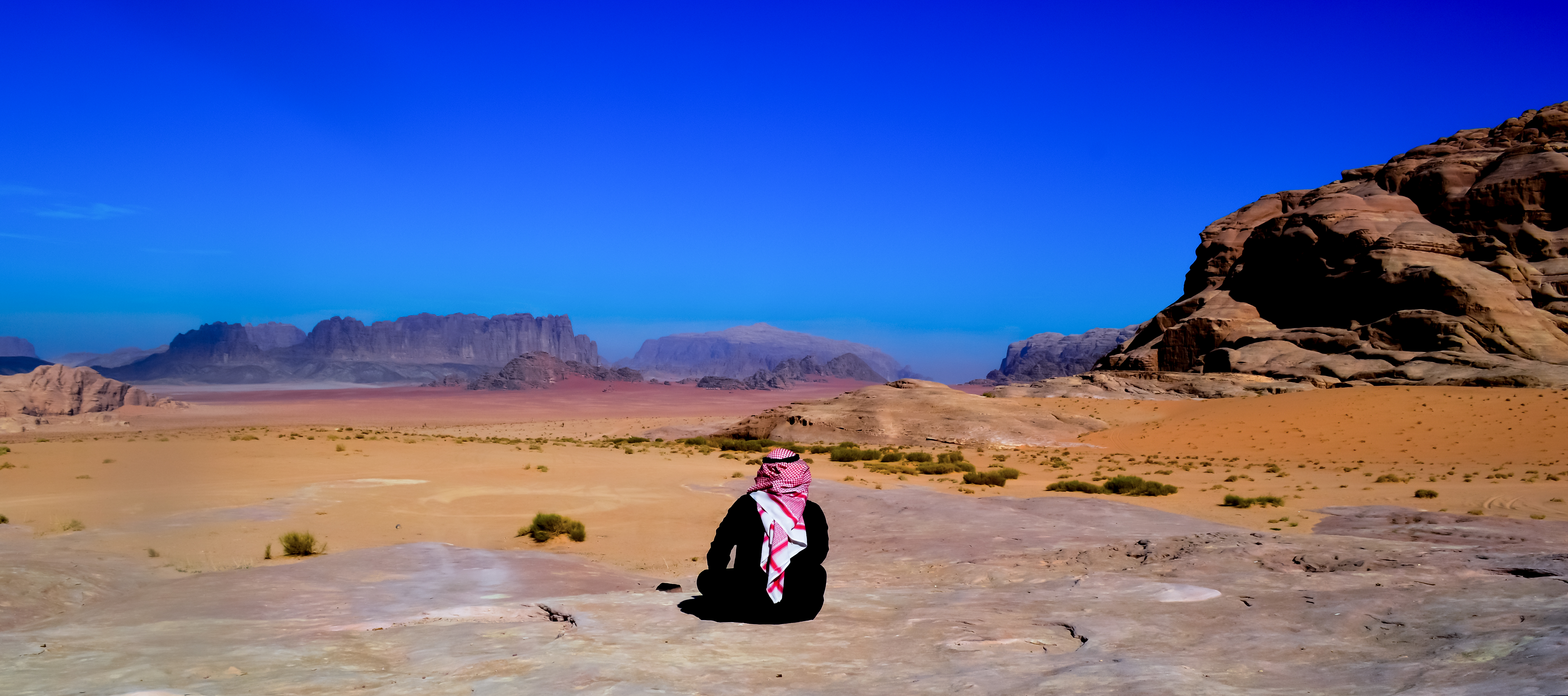
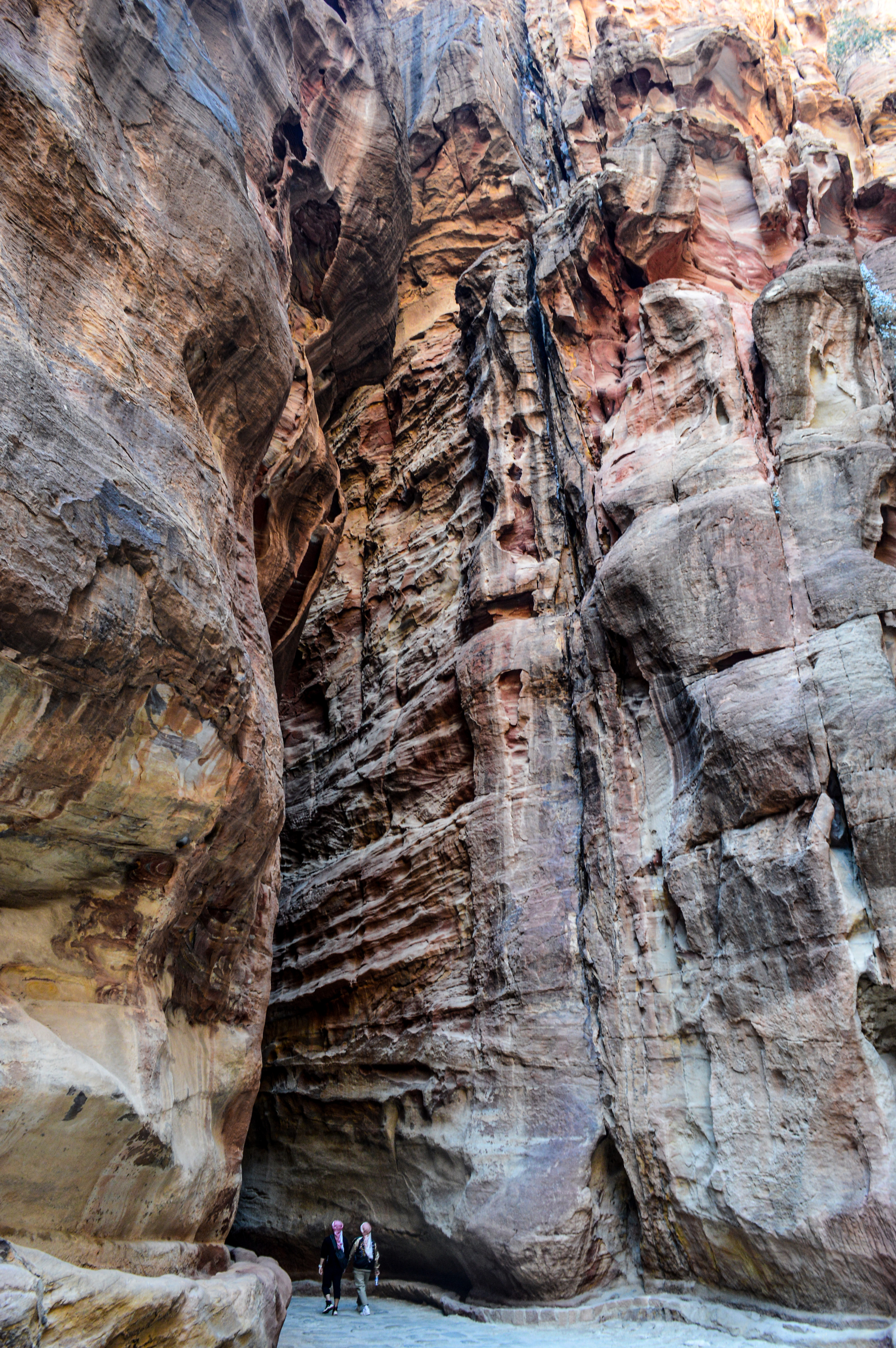
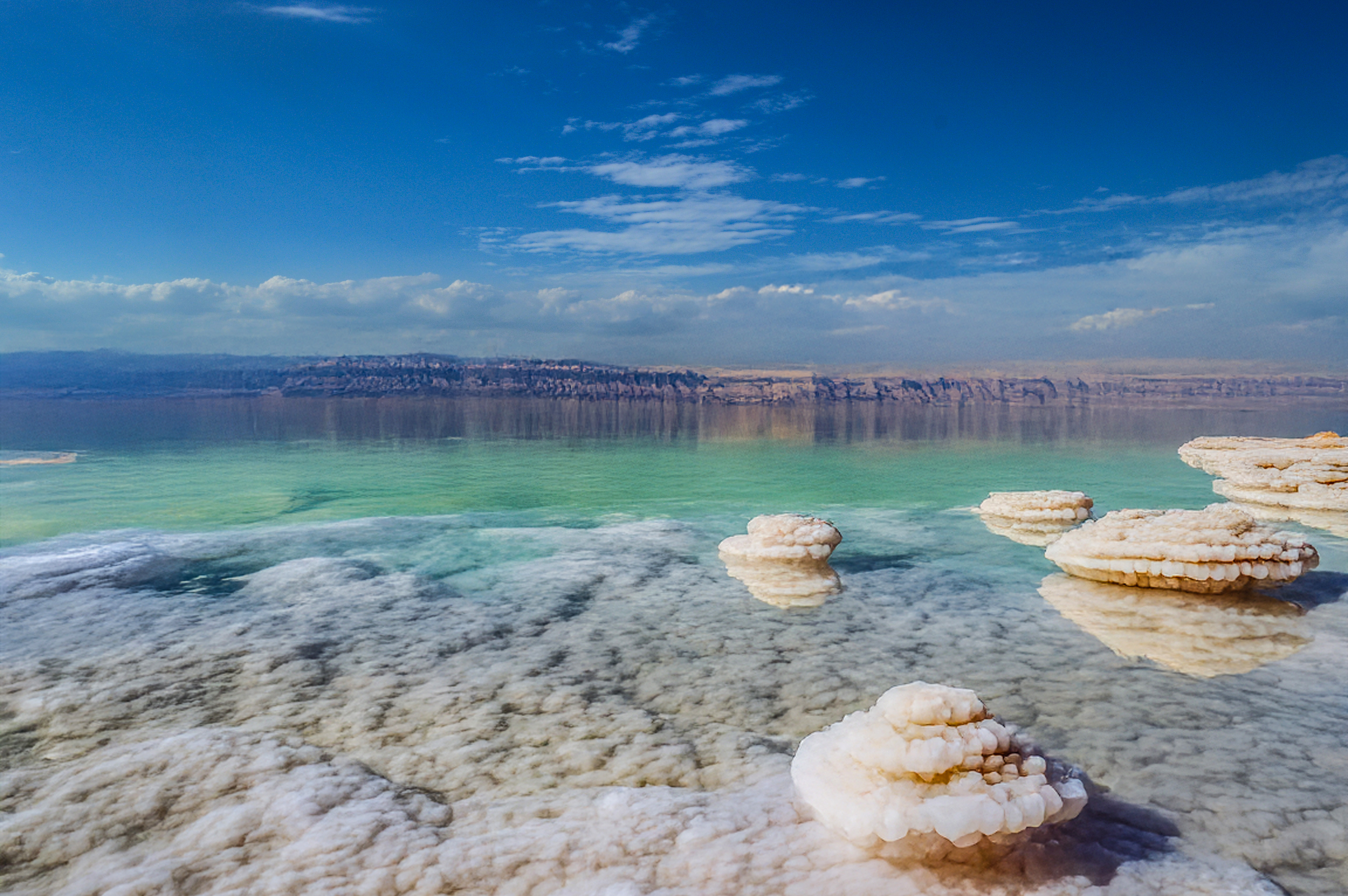
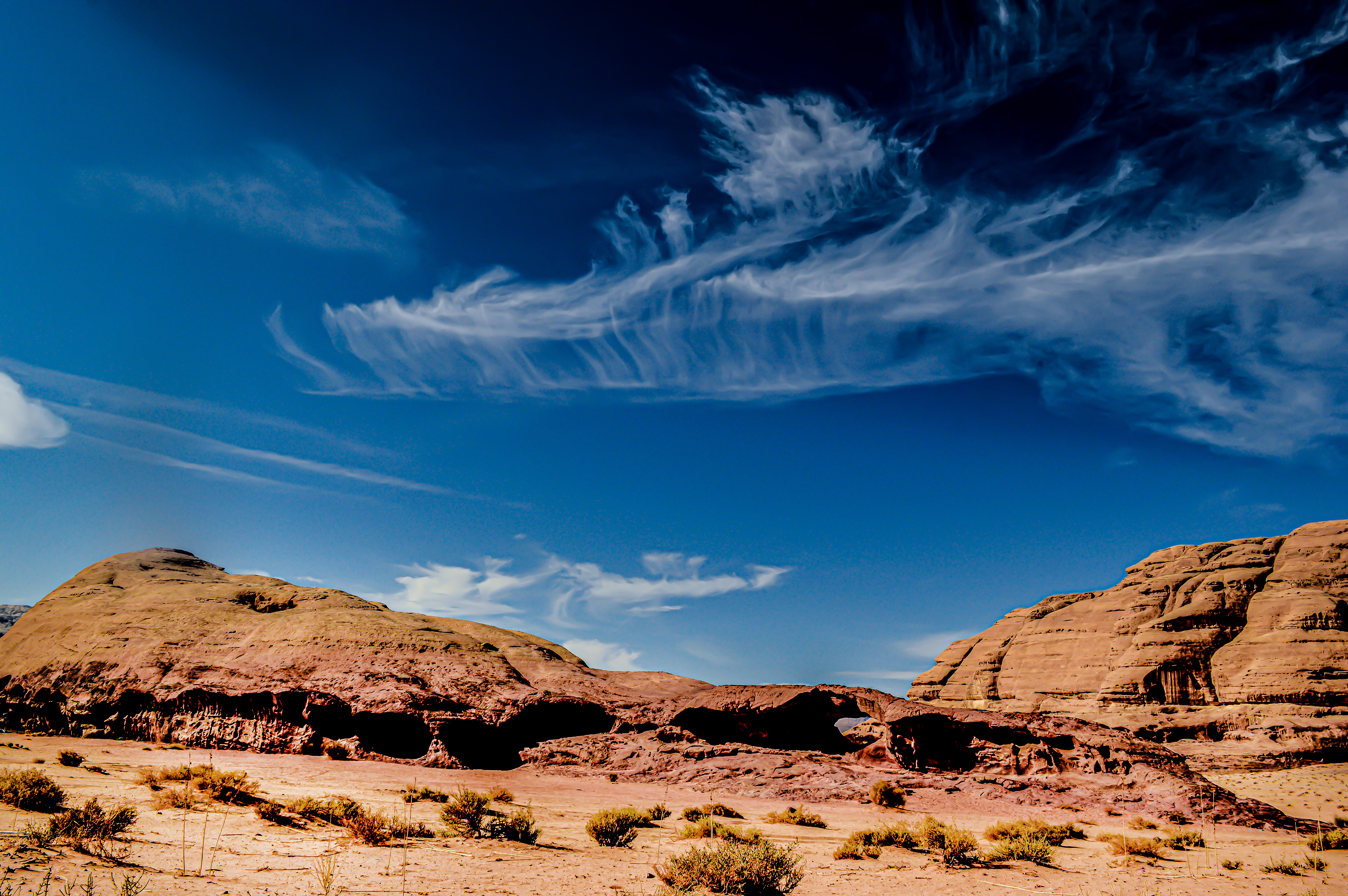
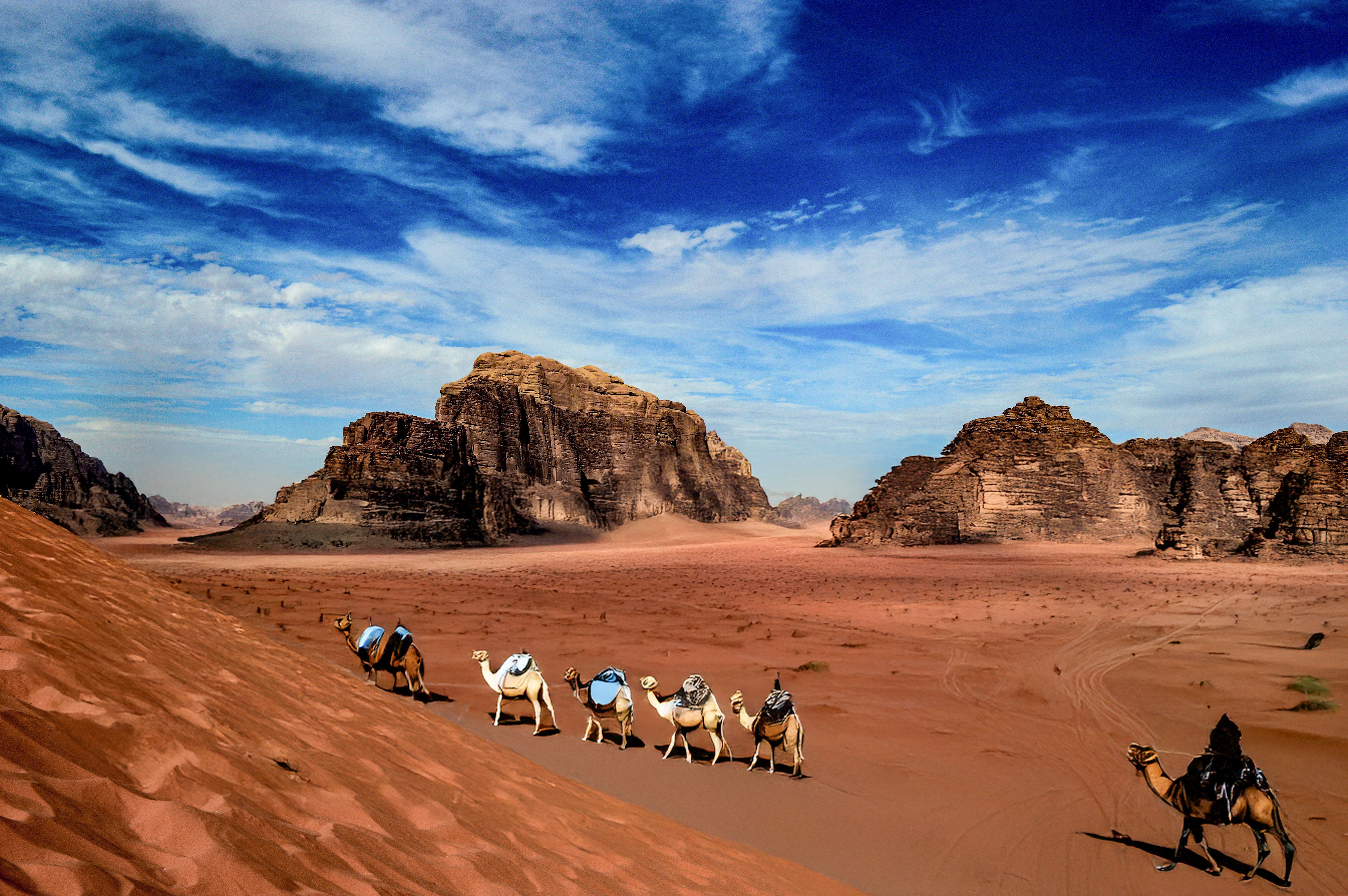
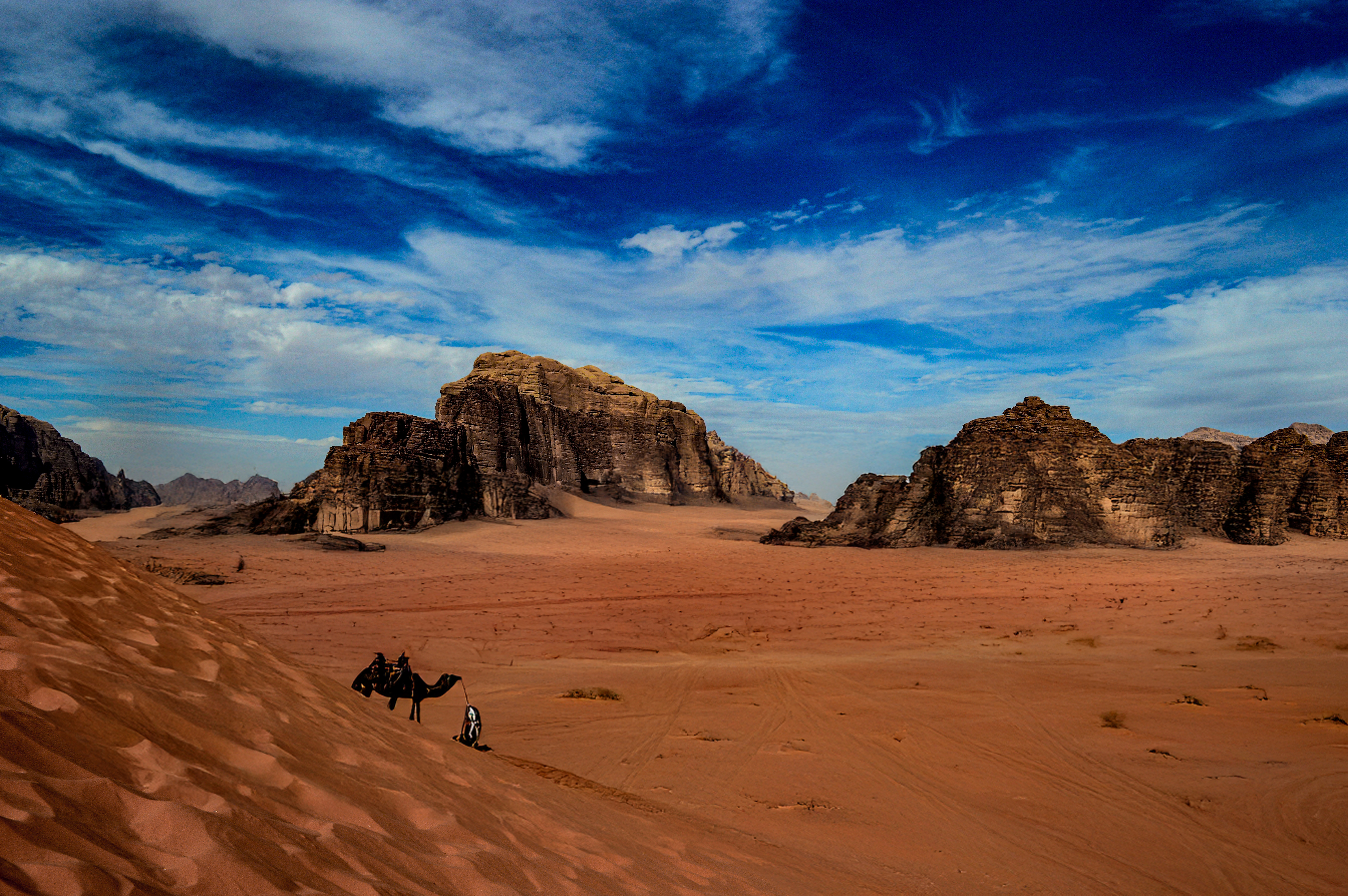
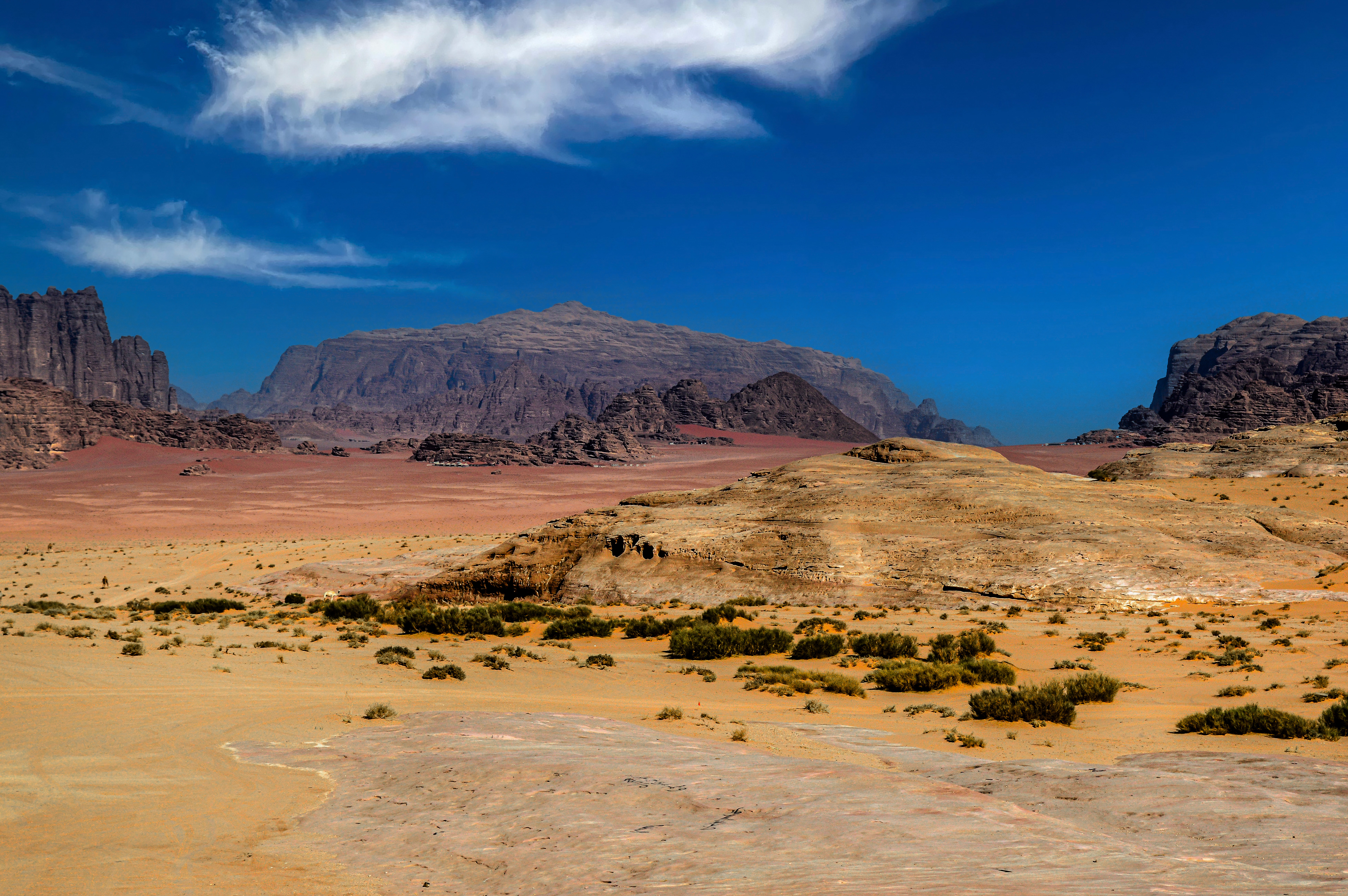
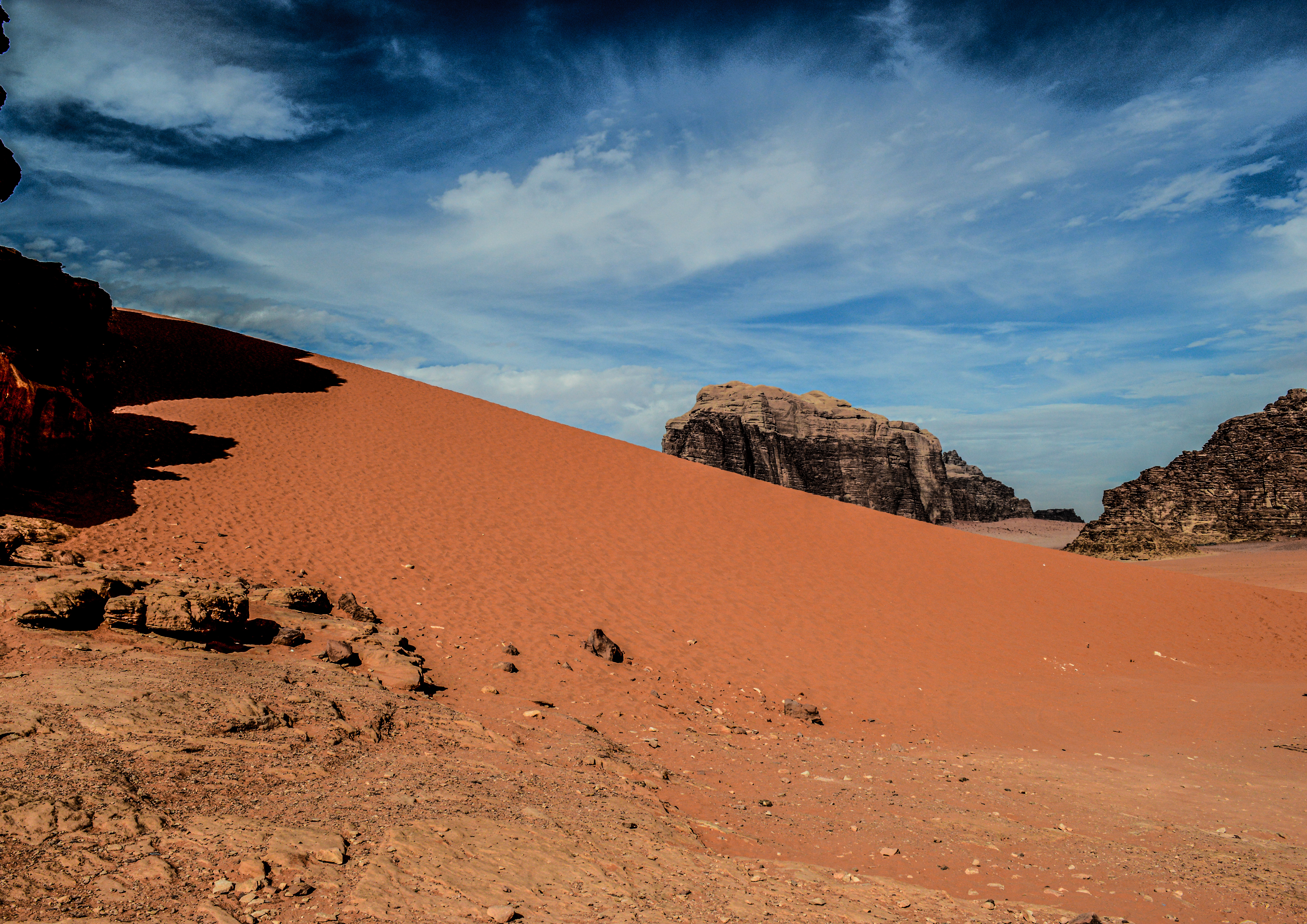
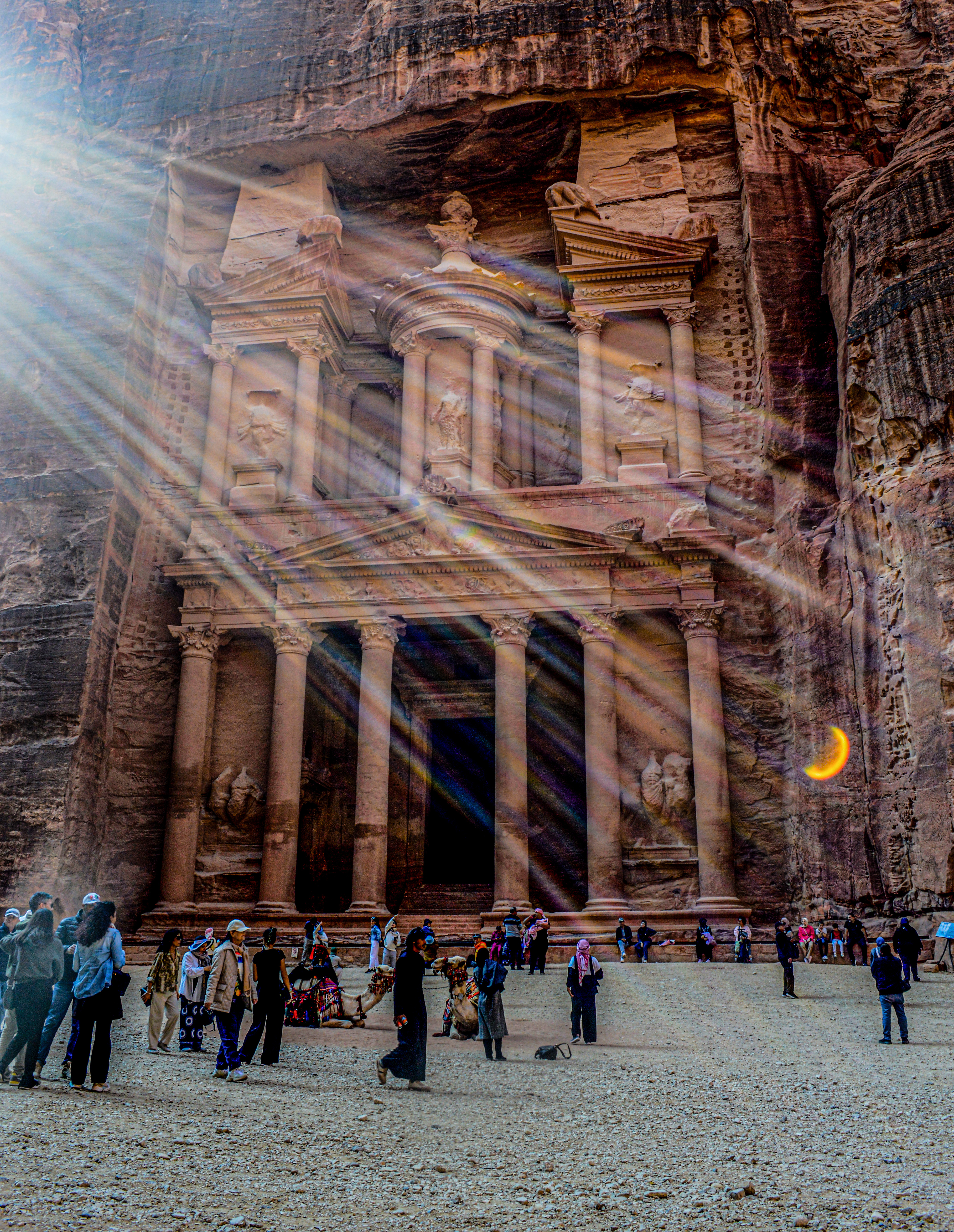
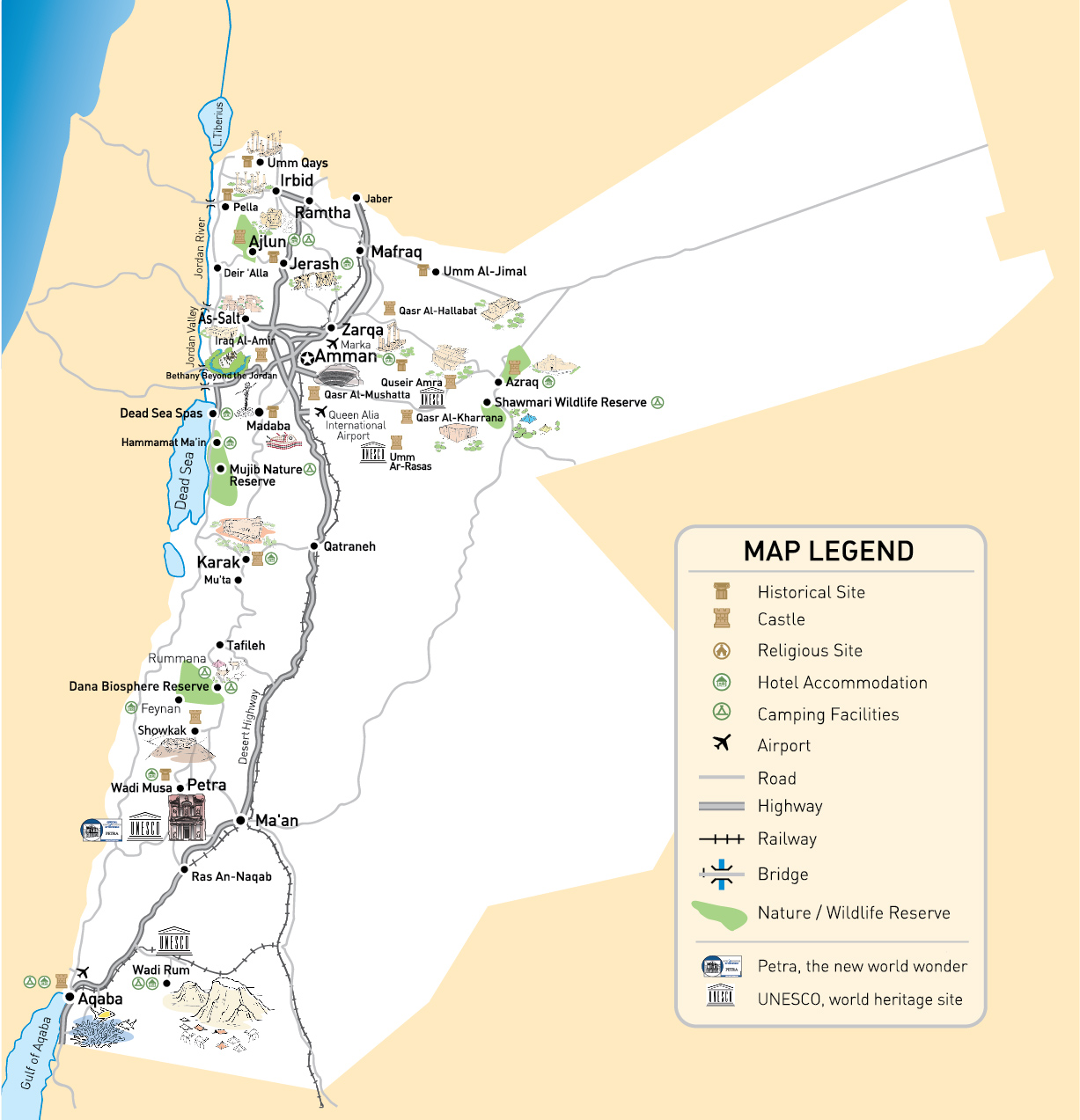
Such a cool place in the Middle East. Famous for Petra, the Dead Sea, and the desert vibes of Wadi Rum. Amazing mix of history and landscapes!
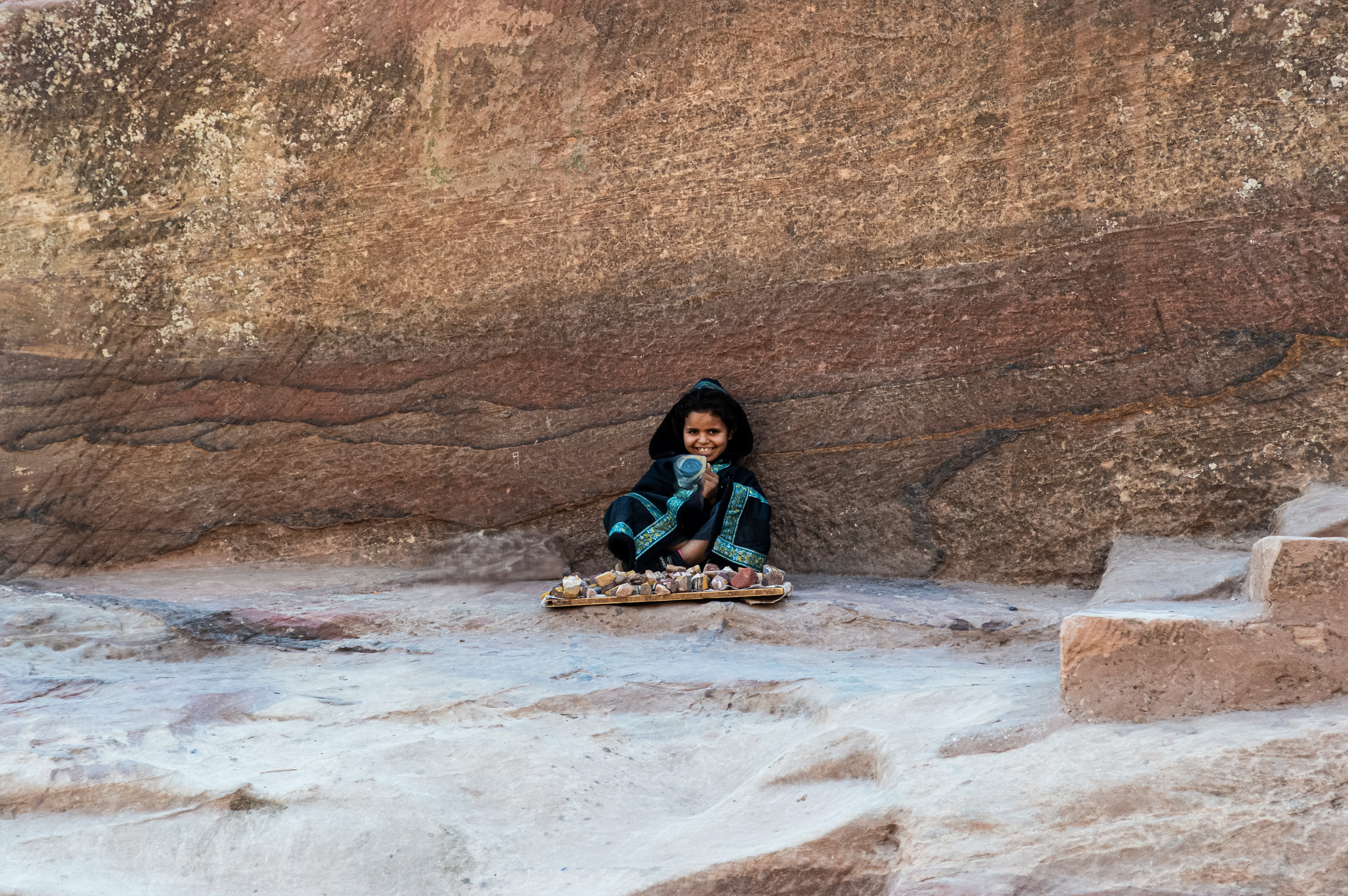
Bedouins are nomadic Arab tribes who traditionally lived in the deserts of the Middle East, known for their hospitality, resilience, and deep connection to the land.
The Bedouins know the Wadi Rum desert, which covers about 720 km², like the back of their hand. They told me they recognize the paths across the desert, and at night they navigate by the stars.
Their food is simple but full of flavor. One of the most famous dishes is zarb, meat and vegetables cooked in an underground oven. Too bad I didn’t take a photo, but they showed us how it’s done. Evenings with them by the campfire were amazing, they were so honest when we asked questions.
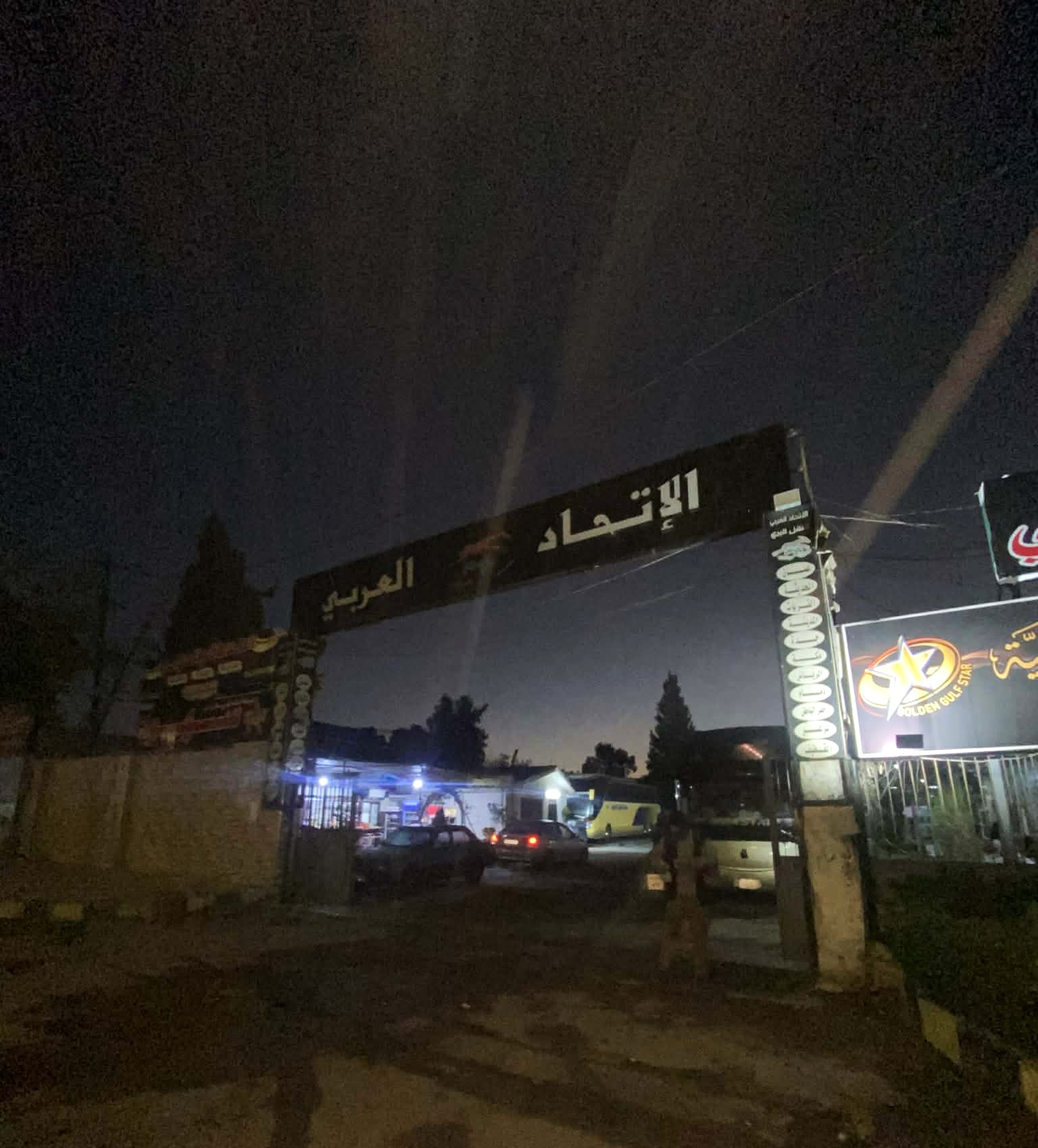
✔️ Departure: Buses leave from the station here starting around 7:00 AM to 7:30 AM.
✔️ Companies & Prices: There are several operators and prices vary, usually up to $20, depending on the company. I personally paid 15 JOD (21 USD) for a round trip Amman–Damascus–Amman.
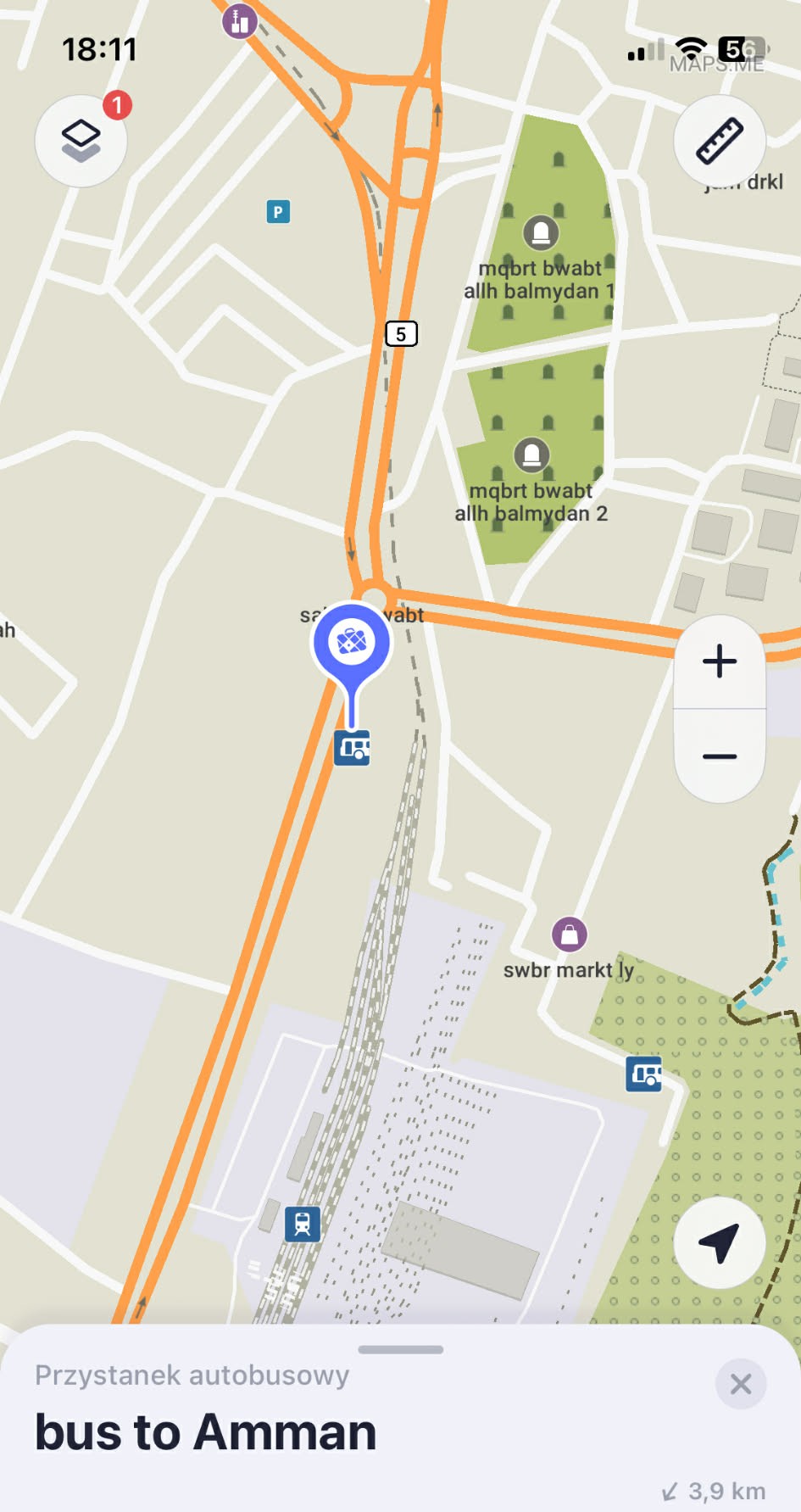
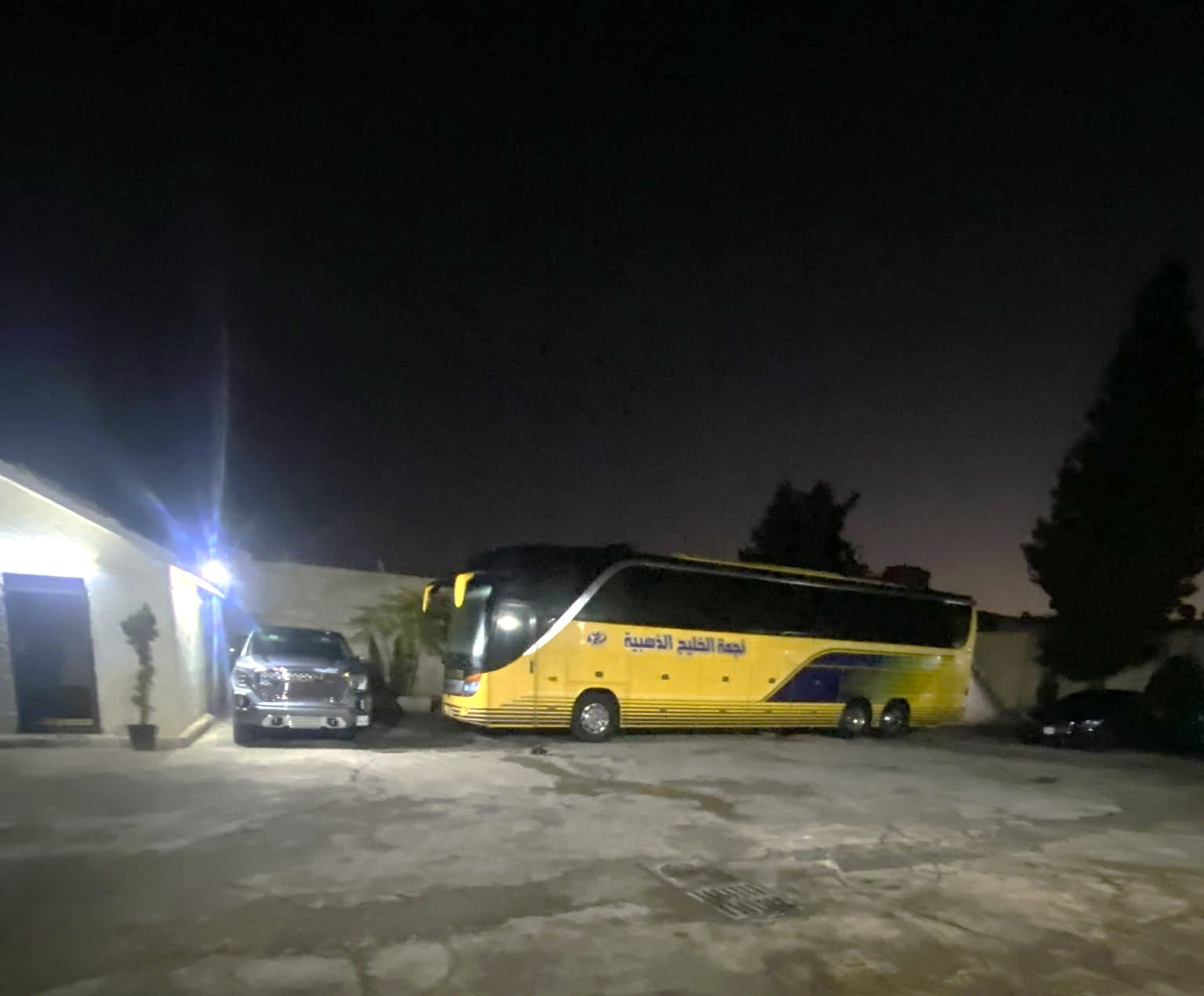
✔️ Arrival: In Amman, buses typically arrive at theInternational Bus Stationmostly. My bus stopped at here, and it was very convenient.
✔️ Duration: The journey takes about 8 hours, mainly because of long border procedures, around 6 hours of passport checks, searches, and scans.
I arrived very early, before 7:00 AM, and that turned out to be a great decision. At the station, I was directed to the first office on the right here exacly. I handed over my ticket and passport, and from what I understood, they told me the Jett bus wasn’t running that day. Instead, they pointed me to another bus. They took my ticket and passport, showed me the bus, and surprisingly it left at 7:15 AM. Just before departure, we got our passports back. I didn’t have to pay anything extra, my Jett ticket was accepted, though I still have no idea how that worked. Honestly, I was a bit stressed because I don’t like leaving my passport anywhere, but everyone had to do it for border control data collection. And off we went.
For the info on the bus from Amman to Damascus, click here.
✅ Where it departs from
The bus from Damascus to Amman departs from the bus station here. When I arrived, I was directed to the first office on the right after entering. I handed over my ticket and passport
✅ Timing
I had a Jett ticket for 8:00 AM, but arriving early (before 7:00 AM) was the best decision. Online sources say that buses from different companies usually leave between 7:00–7:30 AM. So I strongly recommend being there before 7:00, even if your ticket says 8:00. In my case, the alternative bus left at 7:15 AM.
✅ Price
I didn’t have to pay anything extra, my original Jett ticket was accepted, even though I ended up on a different bus. I purchased my return ticket at the Jett office in Abdali, Amman for 15 JOD (21 USD) for a round trip Amman–Damascus–Amman. More about this in my post here.
Prices can go up to 20 USD, depending on the company.
✅ Stops on the way
The bus made a few stops between Damascus and the border to pick up additional passengers.
✅ Border experience
At the border, our passports were checked around 8 times, the bus was searched twice, and all bags were scanned like at an airport. The whole process takes time. We had two stops of around 30 minutes each: one to stamp out, and another to get a visa in the office. Just follow the crowd or ask the border officers, they will guide you.
On the Jordanian side, go first to the cashier to pay for your visa or to activate your Jordan Pass. They will give you a receipt, and with that you can join the queue for your entry stamp.
Important: There is no exit tax when leaving Syria.
For Jordan VISA:
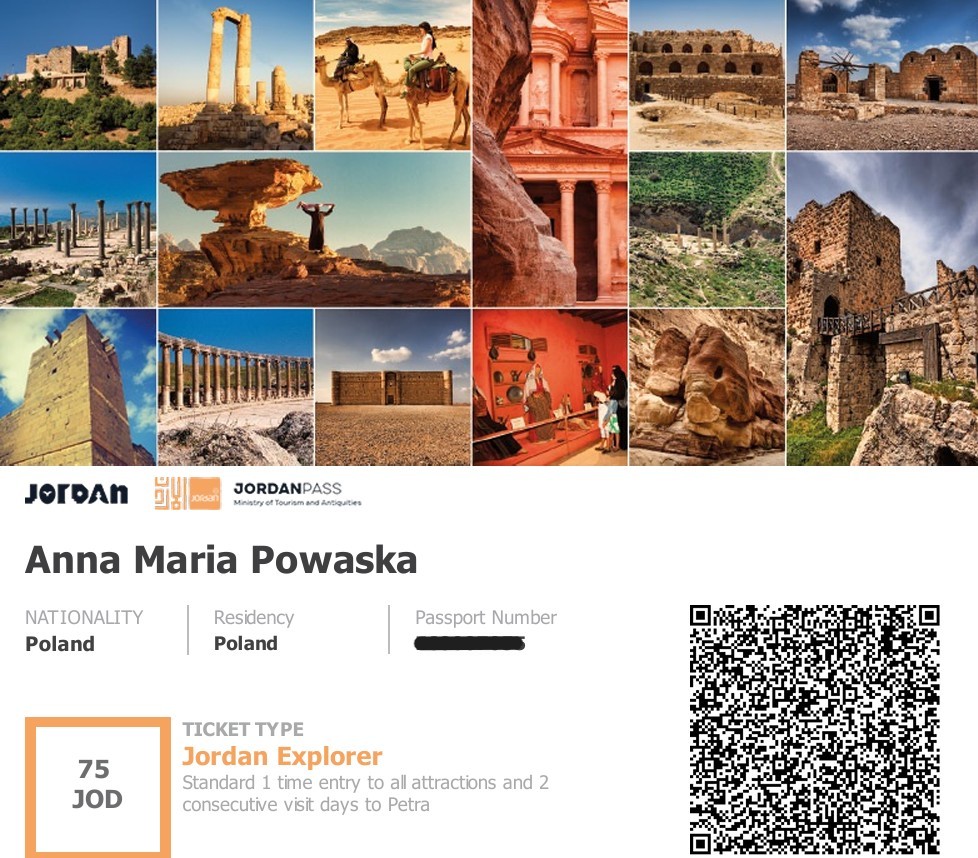
I had a Jordan Pass, so my visa was included. If you plan to visit Petra, it’s much cheaper to get the Jordan Pass, as it includes both the visa and major attractions.
Otherwise:
1) Single Entry – Visa 40 JOD Valid for 1 month. Available on arrival at most borders and airports
2) Double Entry – Visa 60 JOD Valid for up to 3 months. Not available on arrival, must be obtained at a Jordanian embassy
3) Multiple Entry – Visa 120 JOD Valid for up to 6 months. Also only available at an embassy
Jordan Pass options (all include visa if you stay min. 3 nights):
Jordan Pass Wanderer – 70 JOD (1‑day Petra) + entry to 40+ attractions (Jerash, Wadi Rum, Amman Citadel, Roman Theatre, etc.)
Jordan Pass Explorer – 75 JOD (2‑day Petra) + entry to 40+ attractions (Jerash, Wadi Rum, Amman Citadel, Roman Theatre, etc.)
Jordan Pass Expert – 80 JOD (3‑day Petra) + entry to 40+ attractions (Jerash, Wadi Rum, Amman Citadel, Roman Theatre, etc.)
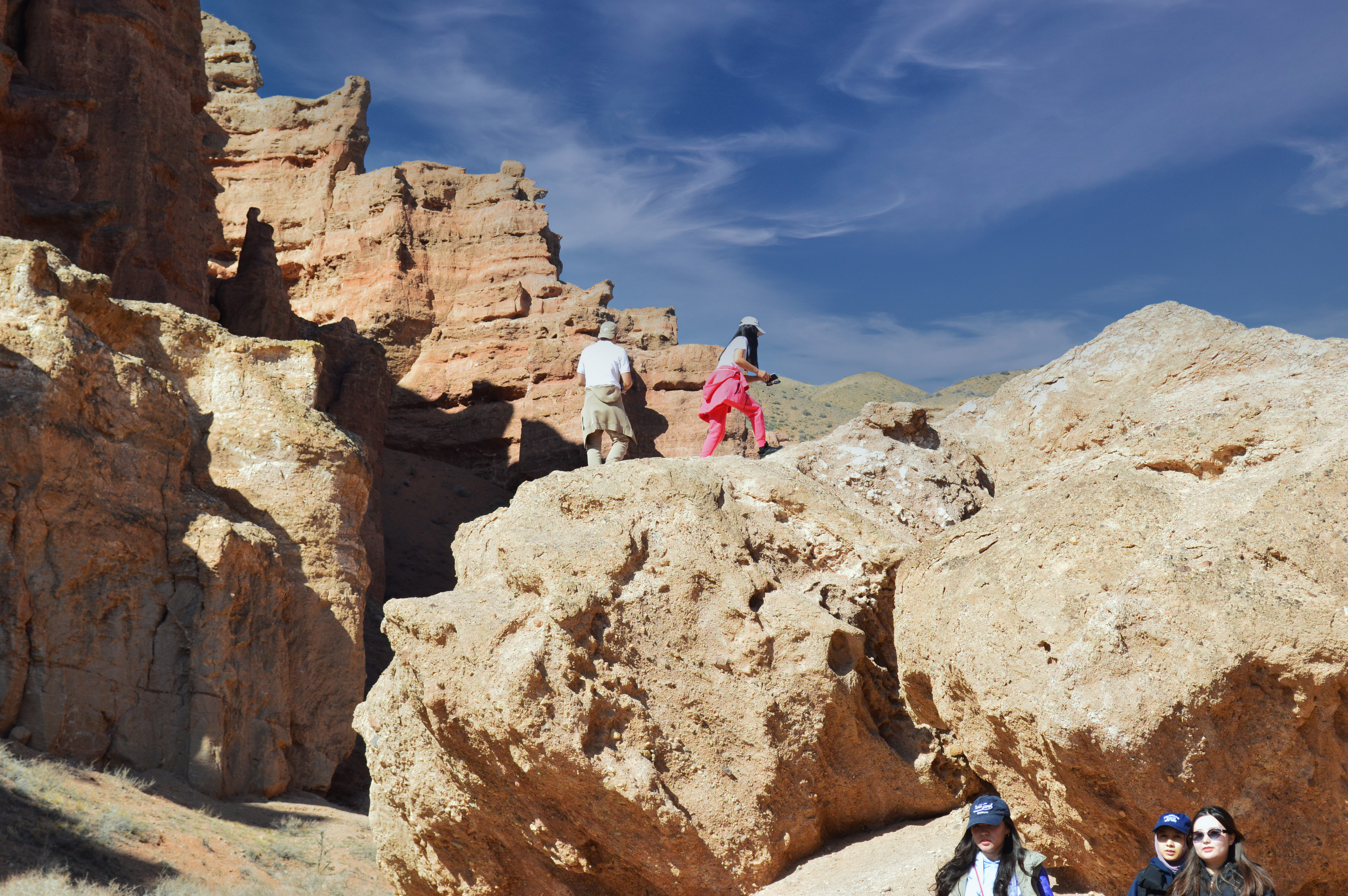
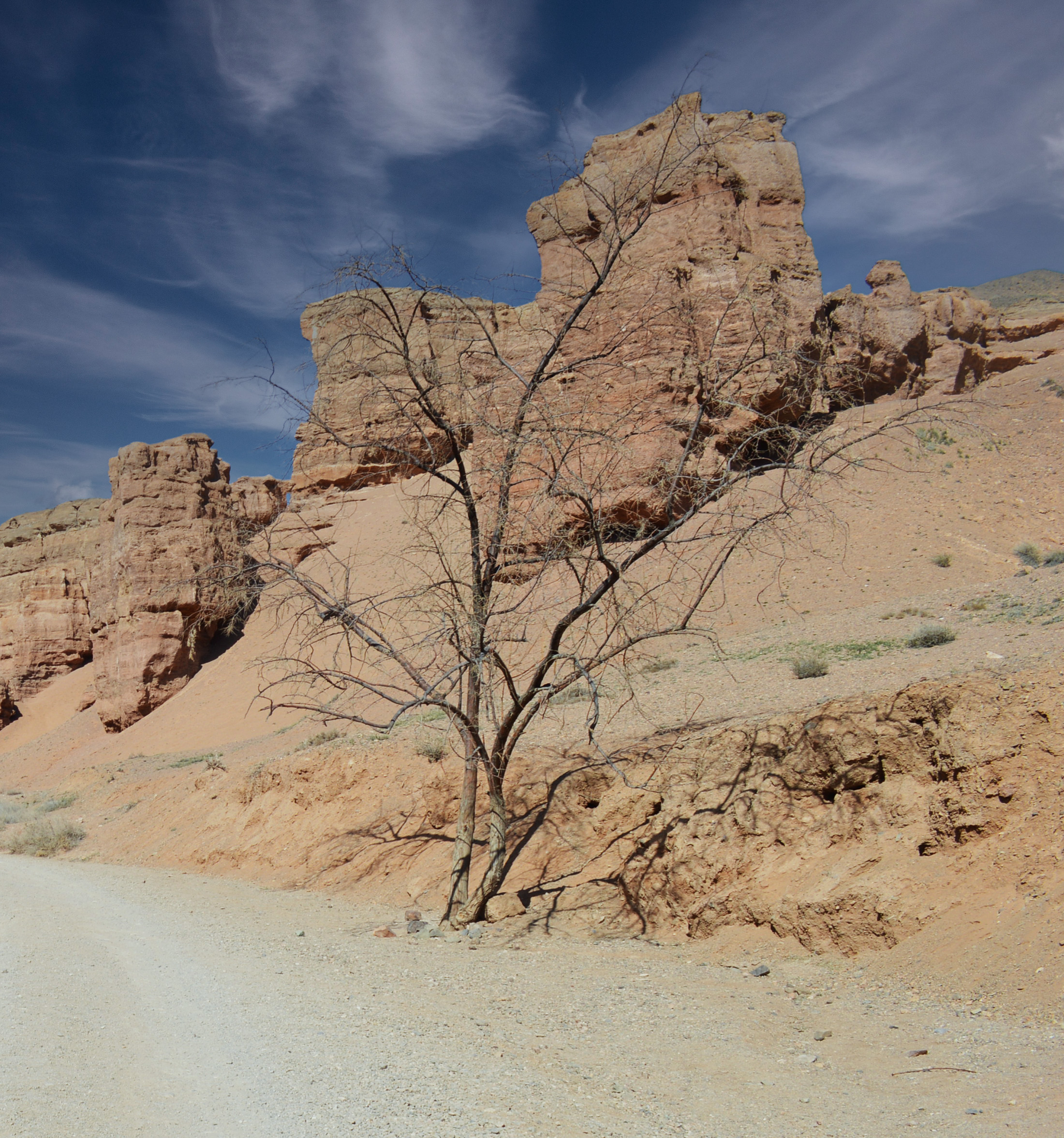
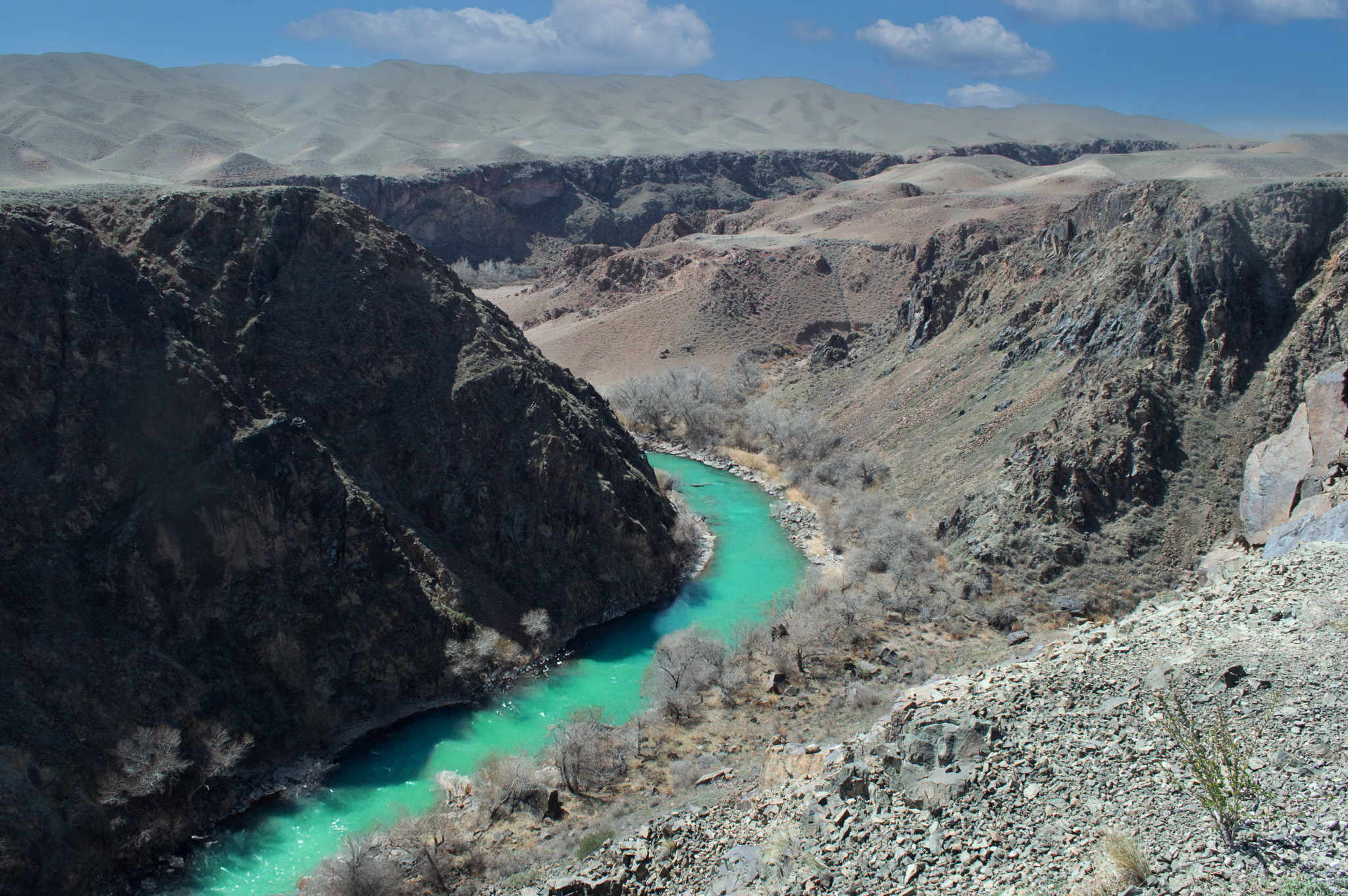
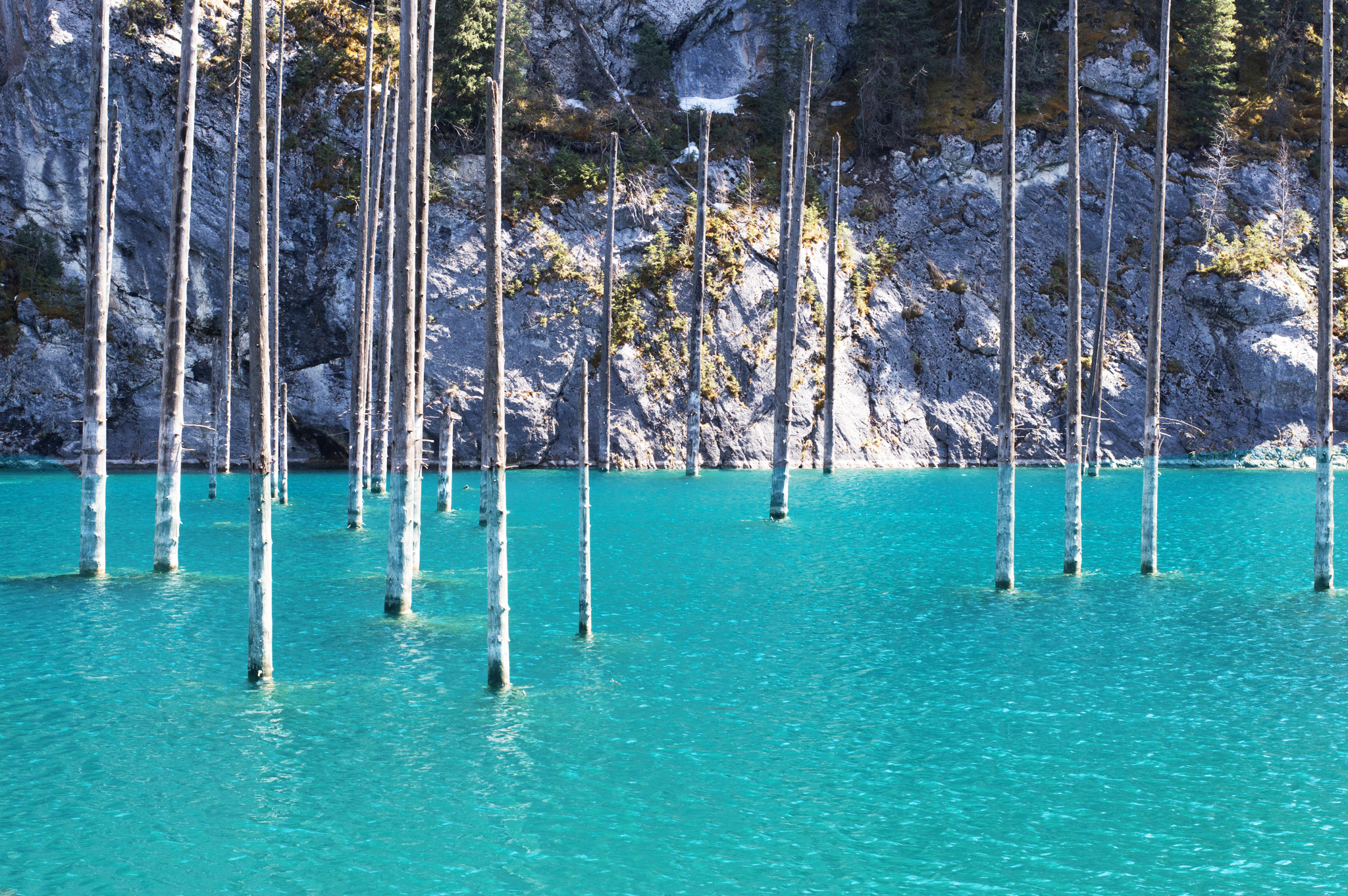
I am actually not going to write anything, just gathered some photos from different trips. Monday morning makes me want to travel, so it is either this, or crying and eating pizza.
Head to Chișinău’s Central Bus Station, next to the buzzing market stalls. Exact spot on map here. Look for signs (or people shouting “Tiraspol!”). And here’s the golden tip:
The ticket booth is literally 2 meters from the marshrutka – you can’t miss it unless you’re distracted by roadside plums.
They run very often (every 20 minutes or so) from 6.00 am till late.
Cash preferred, but card payments were accepted on my trip. Cost: 57 Moldovan lei, confirmed by photo – no guessing!
Say “Tiraspol?” with confident curiosity – locals respect head-tilts.
🍚 The Most Important Tip (More Important Than Your Migration Card)
Inside the market next to Chișinău’s Central Bus Station, hidden among stands and shouting sellers, there’s a food stand: A man who serves Uzbek plov that’s straight-up 10/10.
No fancy sign.
Location: Inside the market hall , follow the scent. Price: Budget-friendly, but you’ll pay in loyalty, because you’ll come back daily. Quantity: Measured in kilograms (not exaggerating, I did exactly that)
Border Crossing into Transnistria
Yes, Transnistria has its own de facto border, but no visa needed.
At the checkpoint:
You’ll receive a migration card (white paper with Soviet-style fonts) – guard it like treasure.
The border officers are neutral, almost theatrical in their seriousness – no drama if you keep calm.
Your driver usually collects all passports on the way back and returns them after inspection – strange but normal. But on arrival, you go trough the office for the card and passport check.
Want to stay overnight? Tell the officer! Otherwise, you might get a same-day transit permit.
Returning from Tiraspol – The Escape Plan (but make it casual)
If you’re ready to head back to Chișinău after exploring Lenin, nostalgia, and beach vibes by the Dniester – don’t panic, the marshrutka is always waiting here (exact spot of the stand), by the train station.
Return ticket? Buy it at the railway station in Tiraspol – look for the kiosk next to the waiting area. I paid in Molvodan leu with no problem. It’s got that time-stood-still aura and the staff are surprisingly efficient.
Departures: Marshrutkas leave every ~20 minutes, give or take a philosophical pause. No need to book in advance, just show up, say “Chișinău?”, and hop in. Ticket price should match your arrival fare: ~57 MDL
Tip: If you liked the plov in Chișinău, you’ve got just enough time to crave it again by the time you’re back.
Language, Currency & Vibe
Everyone speaks Russian
Local money = Transnistrian rubles – they’re plastic coins, like arcade tokens from a Soviet theme park
Leu isn’t widely accepted – change money in Tiraspol
“It’s Moldova, but not Moldova. It’s legal, but not official. It’s chill, but politically confusing.”
Why Tiraspol (Without Saying “Why Tiraspol”)
This is a country that never made it to the UN. Tiraspol is strange, safe, quiet and mildly cinematic – perfect for those who enjoy layered maps and unexpected detours. No bucket list hype, just curiosity, Cyrillic and clouds of cold-war nostalgia.
Traveling during the off-season has its unique charm – tranquility, less crowded routes, and authentic views of places that, in peak seasons, attract huge crowds. If you plan to journey from Bishkek to Toktogul when fewer tourists are on the roads, it’s important to know how to adjust your plans according to changing conditions and available transport options. In this post, I’ll share several proven methods to ensure your journey goes smoothly, without any unpleasant surprises.
Please note that marshrutkas (Bishkek – Toktogul) do not run off – season (they start usually in may ) due to the snowy roads through the mountains.
Please also note that Western Bus station is closed now (not sure if permanently or just for renovation). I can’t be sure for 100% if all the buses departs now from the New Bust Terminal, but I should arrive at the Western bus station (written on the ticket even) from Almaty, but I ended up at the New bus station…so it might be the replacement. I marked the new terminal on the map below.
New Bus Terminal: WJVV+2Q3, Leninskoe, KirgistanHERE
Transportation Options IN SEASON Season
1. Shared Taxis TO AND FROM TOKTOGUL
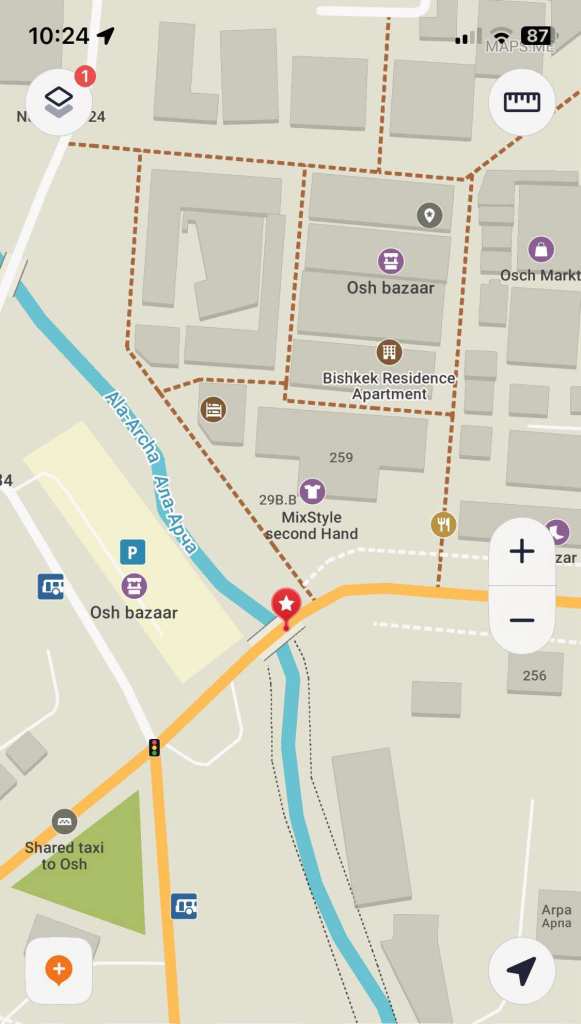
In Kyrgyzstan, a popular way to travel is by using “shared taxis”. It’s advisable to arrange a pickup time and location in advance to avoid unnecessary waiting. You can catch them at south of the Osh Bazaar by the bridge (see below). The Price is around 800 Som (9,18$), but 1000 Soms for the front sit next to the driver. Its around 4.5 – 5 h ride with one stop for WC on the way.
To go back to Bishkek (or go to other city/town) you can catch a shared taxi from the corner marked as star below. The drivers usually shout Bishkek and they will leave once car is full.
2. Rent a Car or Use a Private Taxi Service Directly from Bishkek
If you value independence and travel comfort, renting a car or ordering a private taxi is an excellent alternative.
Car Rental: This option allows you to stop at scenic spots along the way and adjust your route to current road conditions. While traveling in the off-season, you might enjoy a more intimate atmosphere on the road. However, make sure to check that the roads around Toktogul are not closed due to inclement weather.
Private Taxi: Though generally more expensive than the bus and taxi option, a private taxi provides direct transport and flexible departure times, which can be especially valuable during unpredictable off-season conditions.
Practical Tips for Off-Season Travel
Check the Weather Conditions: In the off-season, weather can be more capricious – snow, fog, or rain may affect travel times and road conditions. Be sure to review the weather forecast before you leave and allocate extra time for possible delays.
Be Flexible: Both marshrutkas (that runs in-season) and shared taxis often depart only once they’re full, so it’s a good idea to arrive at the station early and be prepared for potential waits.
Negotiate Prices: Off-season prices may be more flexible. Don’t hesitate to negotiate fares, especially when using local taxi services or shared taxis.
Safety First: Always let someone know about your travel plans, and before hiring a service, check reviews or ask for recommendations regarding the operator. Also, make sure that the vehicle is properly prepared for the road conditions.
Enjoy the Views: Off-season travel offers you a unique opportunity to see Kyrgyzstan in its authentic, rugged atmosphere. The picturesque landscapes, frozen lakes, and quieter towns can make your journey truly unforgettable.
Conclusion
Traveling from Bishkek to Toktogul during the off-season isn’t just a logistical challenge, it’s also a unique opportunity to immerse yourself in a less-touristy, yet more authentic, side of Kyrgyzstan. Whether you choose the classic bus-taxi combination, decide on renting a car, or opt for a shared taxi, proper preparation, flexibility, and openness to unexpected adventures along the way are key.
I hope these tips help you plan a comfortable and exciting journey. Would you like additional advice on specific stages of the route, attractions in Toktogul, or more detailed information about local operators? Traveling is a fascinating dialogue with the unknown, and I’m more than happy to provide further insights to make your adventure even more memorable!
Year has pass, and yet, no new trips, no new photos. Luckily, still got many memories from the past. Here, just some of the captures from a very cool trip I did with just my niece and nephew to the south of Poland. Zakopane offers many easy and beautiful trials around lakes, to and from the tops of mountains, around valleys and more. This makes this place as a great option to visit with young ones.
Name “Dead Road” definitely does not come in a first place to any mind as a casual attraction. Originally named Yungas Road became well-known as a silent killer of thousands. Famous for being most dangerous road in the world that contributed to many deaths of drivers in the past and some cyclists in recent years. All as a result of how and where the road has been constructed. A combination of a single track road, 900m high cliffs, rainy weather, limited visibility, rockfalls, waterfalls and lack of guardrails participated in all death. Luckily, and finally, Yungas road was modernised to include two driving lanes, asphalt pavement, drainage systems and guardrails. New road has been opened in 2009, as an alternative of a must choice, replacing the dangerous 64 km stretch. All traffic being diverted to the new road. I am really glad motorists can now travel from La Paz to Coroico without fearing the journey may be their last. New road, apart from the fact that has already saved hundreds of life, left Bolivia also with one of the coolest, adrenaline giving and very adventurous tourist attraction in this country. People from all around the world visit this part of Bolivia to cycle down trough the original way. I did too.
Some statistics to give you the idea
“200 to 300 estimated death drivers yearly along Yungas Road and as late as 1994 there were cars falling over the edge at a rate of one every two weeks.”
“One of Bolivia’s most tragic road accidents happened on July 24th 1983 when an overcrowded bus veered off the side of the road and into a canyon killing more than 100 passengers.”
“Even with these improved conditions, Yungas Road shows no mercy. Nowadays, the death toll is limited to local workers and daredevil backpackers still using the infamous road. It is believed that more than 22 cyclists have lost their lives on Bolivia’s “Death Road” since 1998.”
To do or not to do
The answer for me is definitely YES TO DO. I wasn’t thinking even for a minute whether I should do it or not. It was surely one of the coolest thing I did in South America. However, it really is not for everyone. Most agencies will not be very honest with you, as they just want loads of people to sign for it for the profit. There is no limit of age, fitness etc, but since I have done it, I can set some average requirements. Here they are:
Dead Road is suitable for confident cyclists to, of course, experts. A bit higher than average fitness and above. In particular for everyone aged 16 and more, but mostly done by younger group of people, usually at the age gap of 20-30. I did have two people at the age of 50-60 in my group. They both were fit and did well. Having said that, our group was one of the fastest, starting last, finishing first, so I am sure it can be done by not perfectly fit people, but maybe get some advice on best company to go with, if that’s the case for you.
Most of the road is very stony and dusty. The whole road is 64 km long, and, thought, you mostly going downhill, you have to be a good cyclist with some experience to keep up with the group.
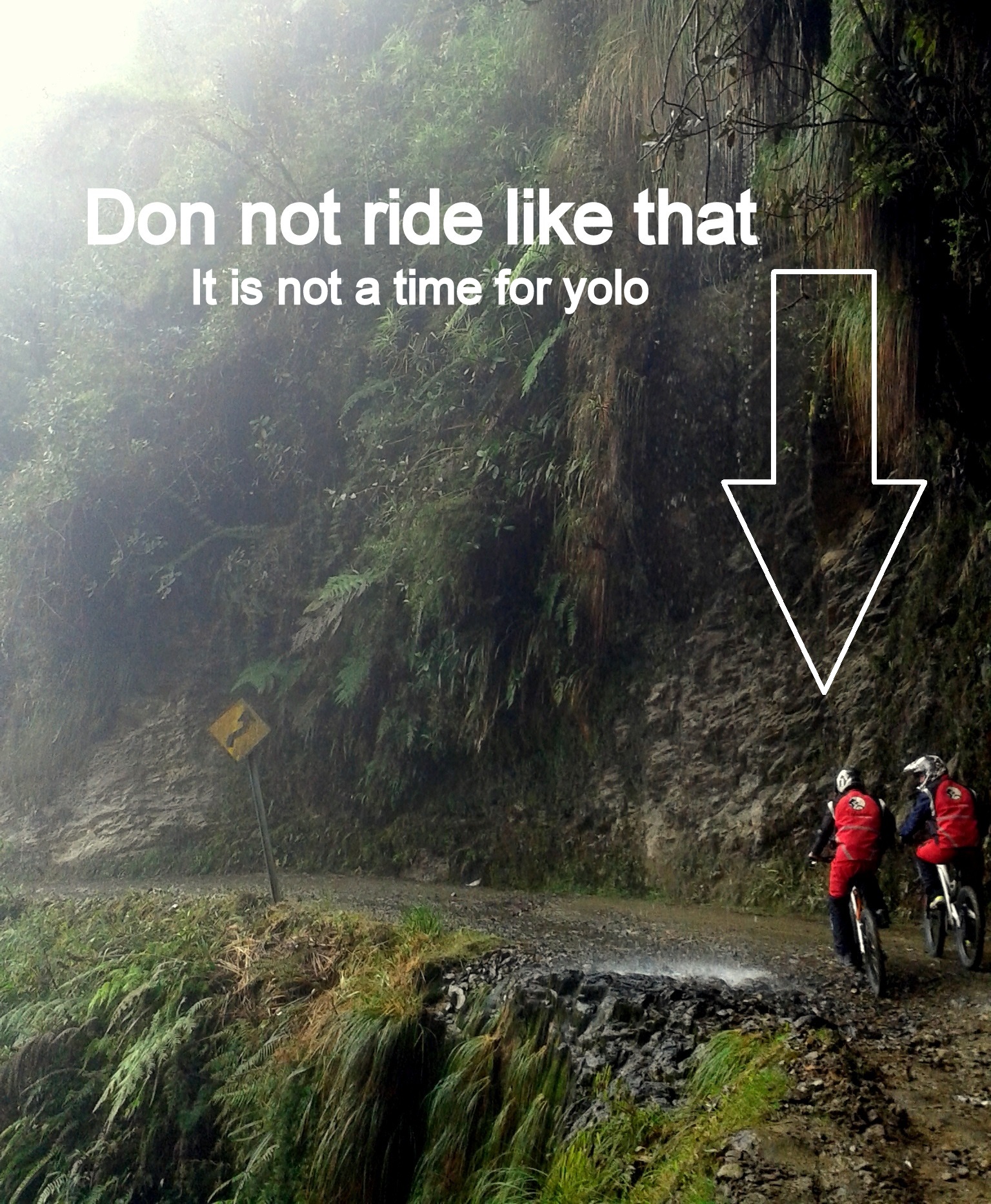
You have to be very very careful, you need a perfect eyesight. The whole road is mostly thin and going via many waterfalls. Mentioning good eyesight meant to warn you that at the beginning road is extremely foggy, and it is difficult to navigate. Waterfalls are very tricky, as the group do not stop to pass them, you will go trough them at your max speed.
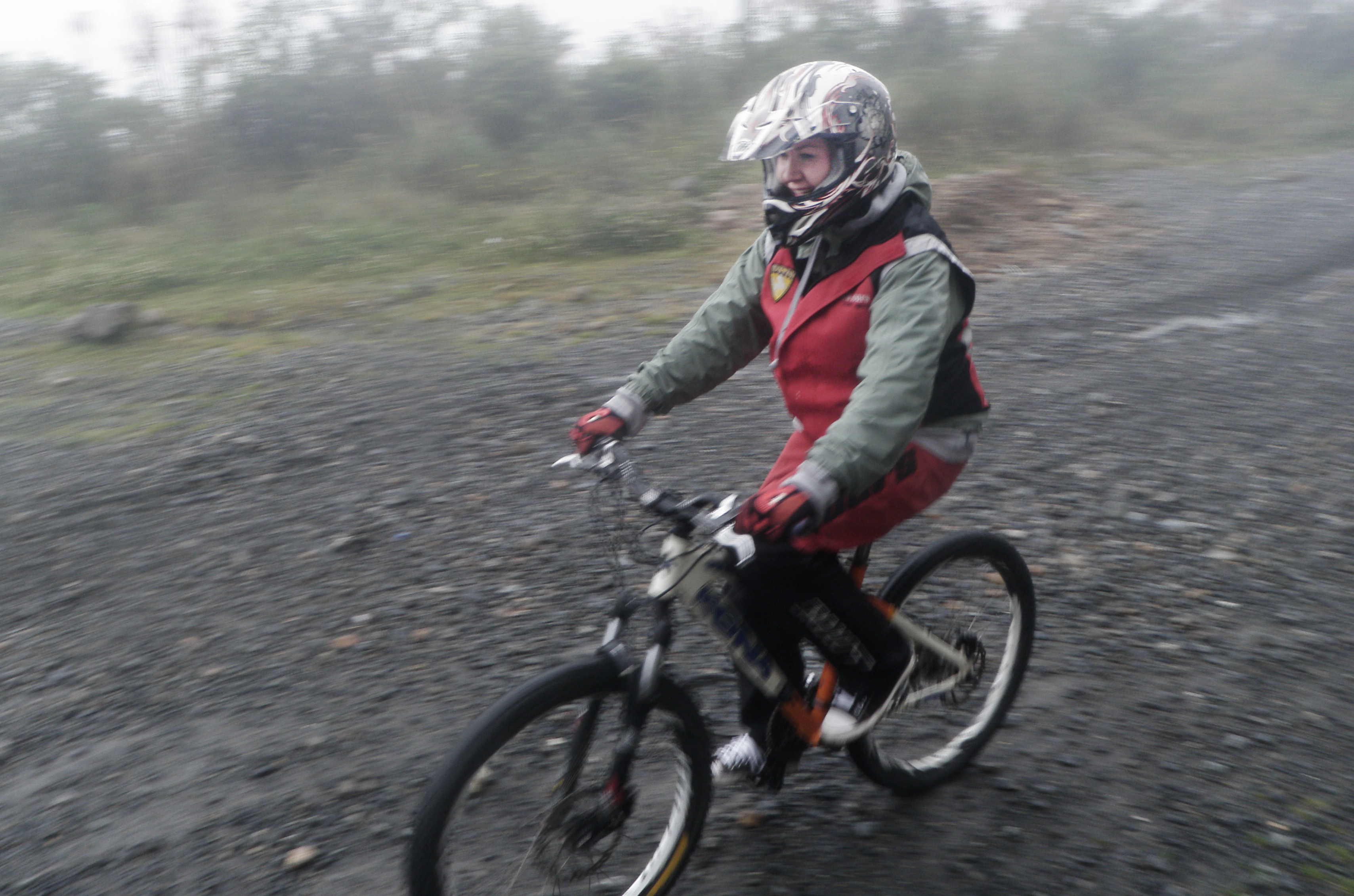
Keep in your mind that it is pretty much “fast and furious” activity. You do not have a choice, but just go at max speed, well…at least my group was fast. So think twice if you want to do this. Trust me, I felt on my head, destroying the helmet, having an open wound on my left elbow, that got swollen as well. Yet, I still had 30 kilometers to go….gosh that was painful. Another guy broke his leg too.
Cycling will last 5 hours, at high performance. Road is approximate downhill: 90% (one section contains a few small uphills). You have to be ready for sore hands.
The drop in altitude means travelers experience both chilly conditions in the Altiplano highlands and hot humid conditions in the rain-forests below. Your body needs to be ready for it. Highly not recommended for people, that already feeling light-headed at the high of 2000m.
Once the answer is yes
Even that you will be provided with food and water, take an extra bottle with you. You will start in very cold environment, but once half way trough, you will be surrounded by tropical hot weather, and that`s the time when your body will need some extra hydration, so you will drink loads at the end.
Take a good waterproof jacket, as is usually raining near the top.
As the temperature will be going up, proportionally to the distance cycled downhill, have something under to wear after, preferably with long sleeve, unless you will be provided with elbow protection.
Take maybe old cloths. I thrown away my shoes after.
Have some wet tissues, your face will be constantly covered with mud.
Lucky you if you own GoPro, you can record the whole way by attaching your camera to the bike or helmet. Few of my group-mated done it.
Do not book you trip if you just landed in La Paz. You body needs few day to adapt to the altitude. Yungas Road climbs to around 4,650 meters, from where you will start.
Check the weather for the next day. No worries, you can book a trip just one day before, even before 17.00 pm. The bottom line is not to rain that day!
Have a phone in your pocket. Thought you will have just quick breaks, you will have few chances to take some photos of this absolutely outstanding landscape and scenery.
Remember! 21 cyclists and 5 guides have died since the road had been opened for mountain bike trips. It might not be the most dangerous road in the world anymore, but it is still the Death Road. Don`t be to cocky on the road.
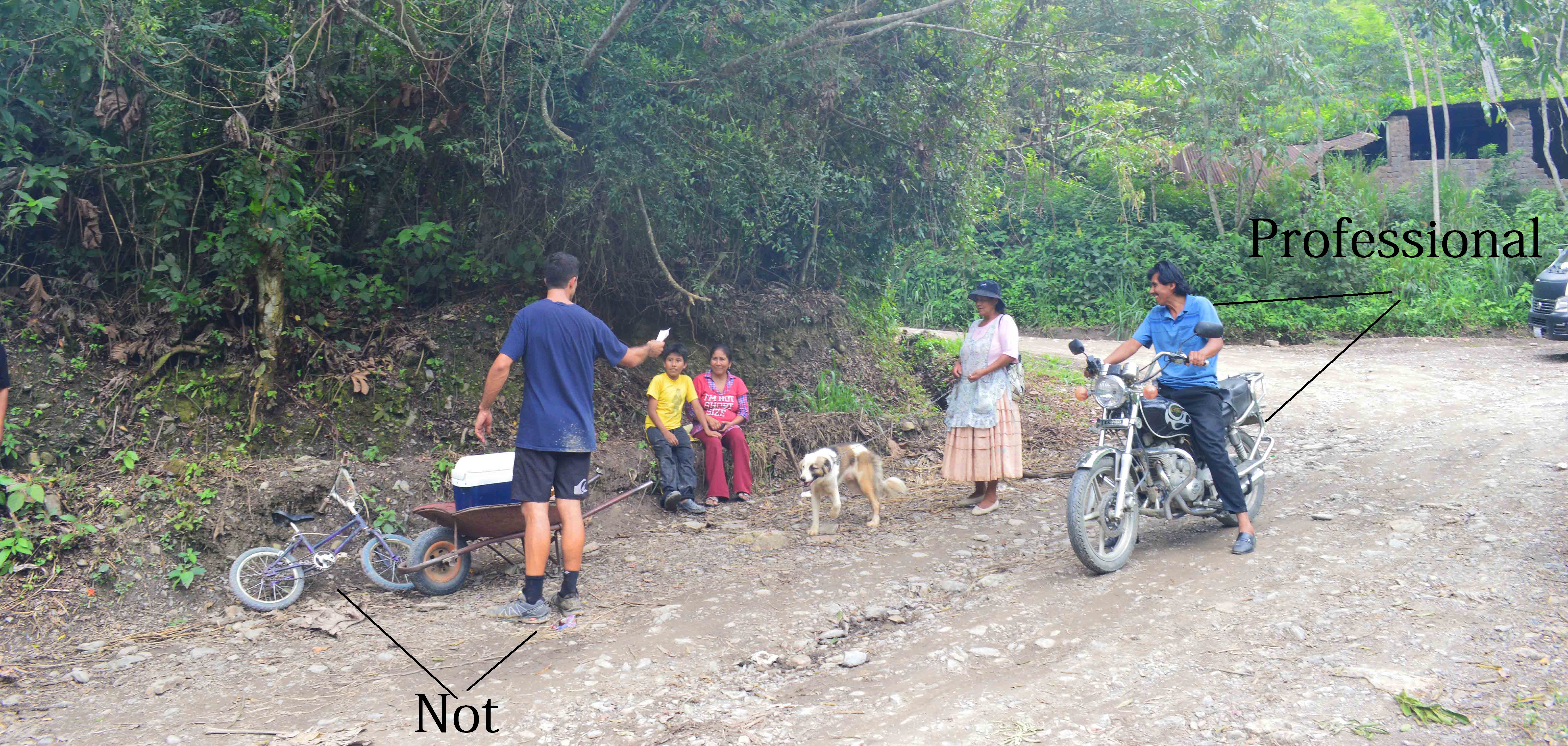
Most likely your agency will not cover the entrance fee for riding a bike. it is 50 Bs now – 25 Bs at the start and 25 Bs at the end of the road.
You really should be covered with medical insurance for this!
OLYMPUS DIGITAL CAMERA
OLYMPUS DIGITAL CAMERA
OLYMPUS DIGITAL CAMERA
OLYMPUS DIGITAL CAMERA
OLYMPUS DIGITAL CAMERA
OLYMPUS DIGITAL CAMERA
Prices and booking
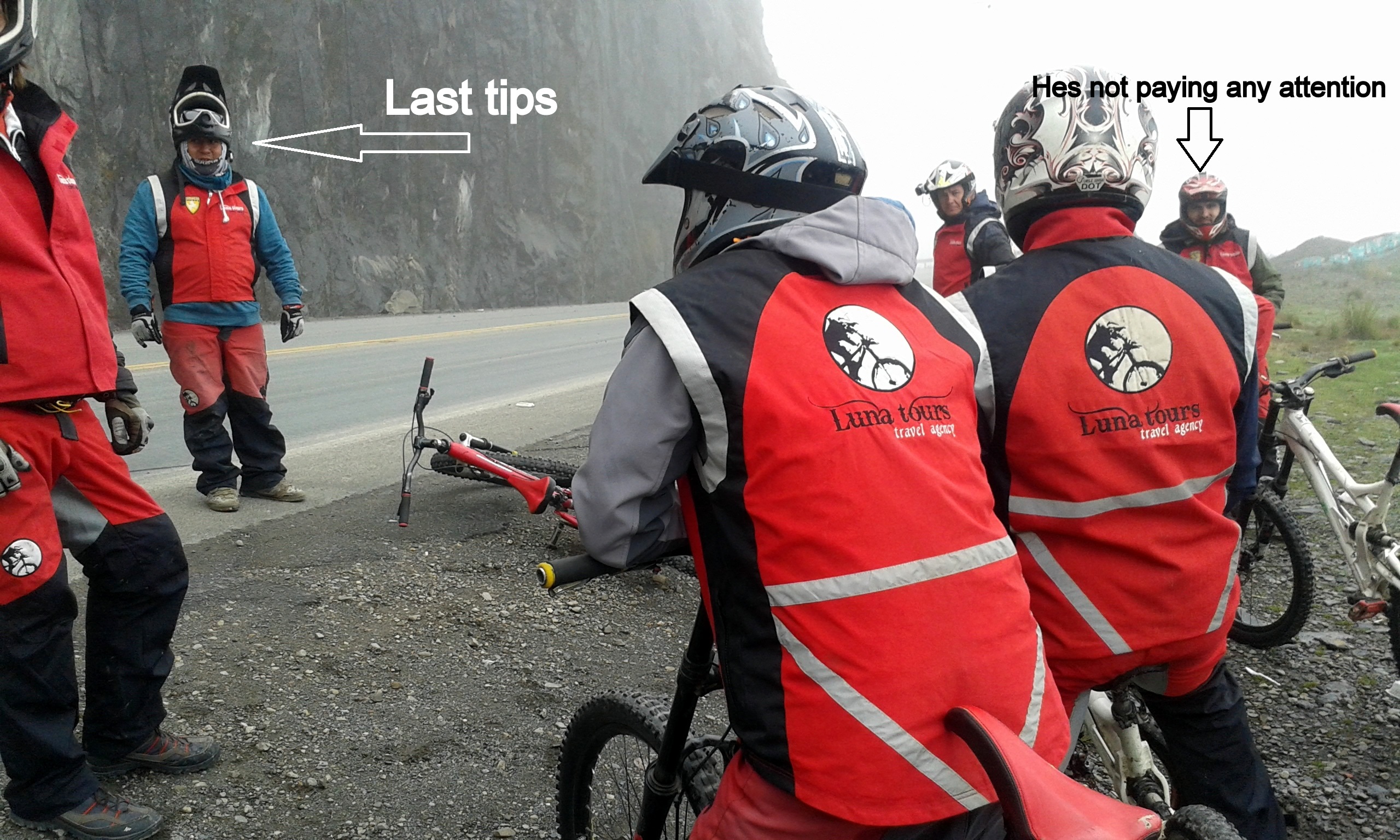
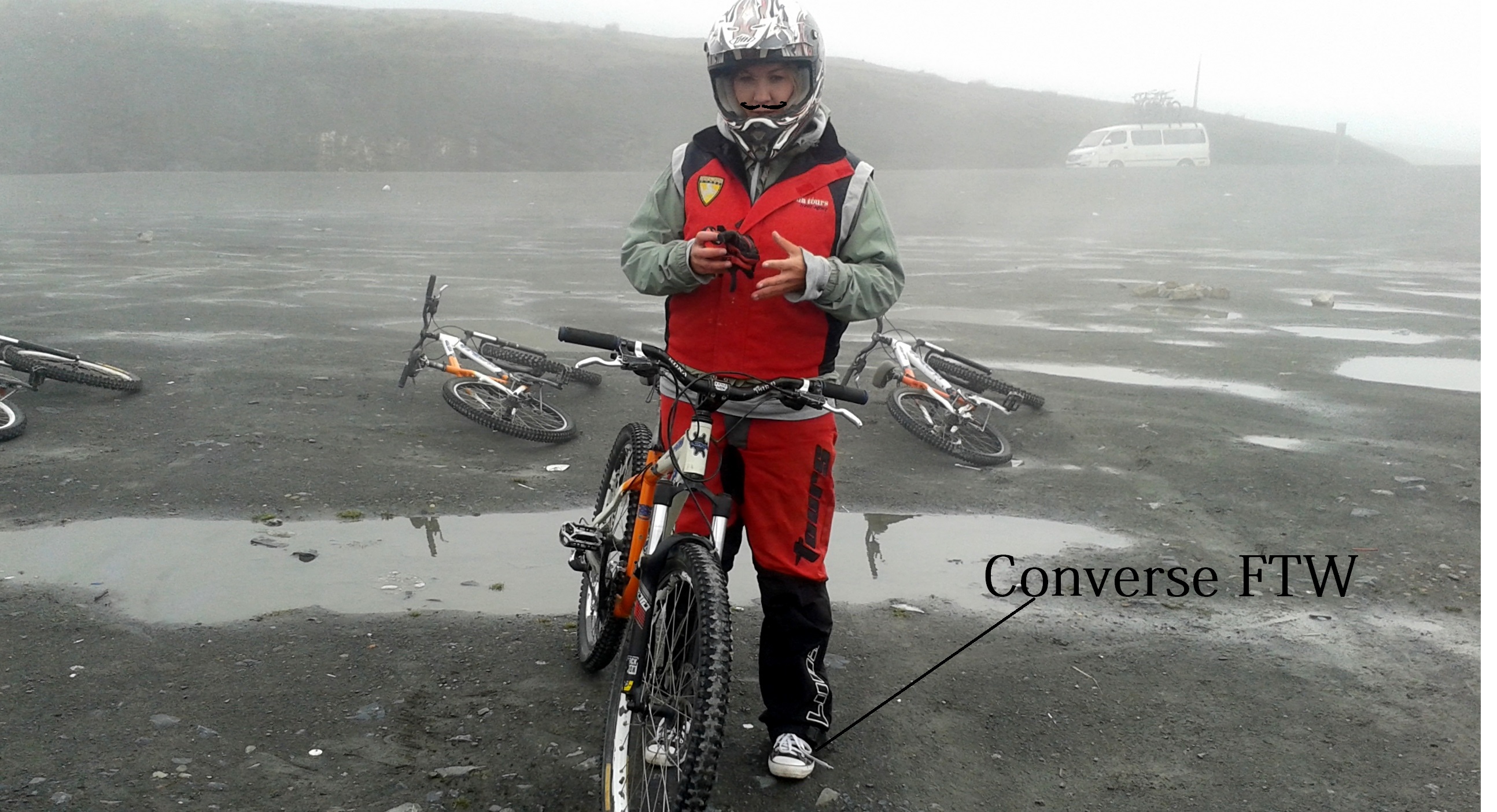
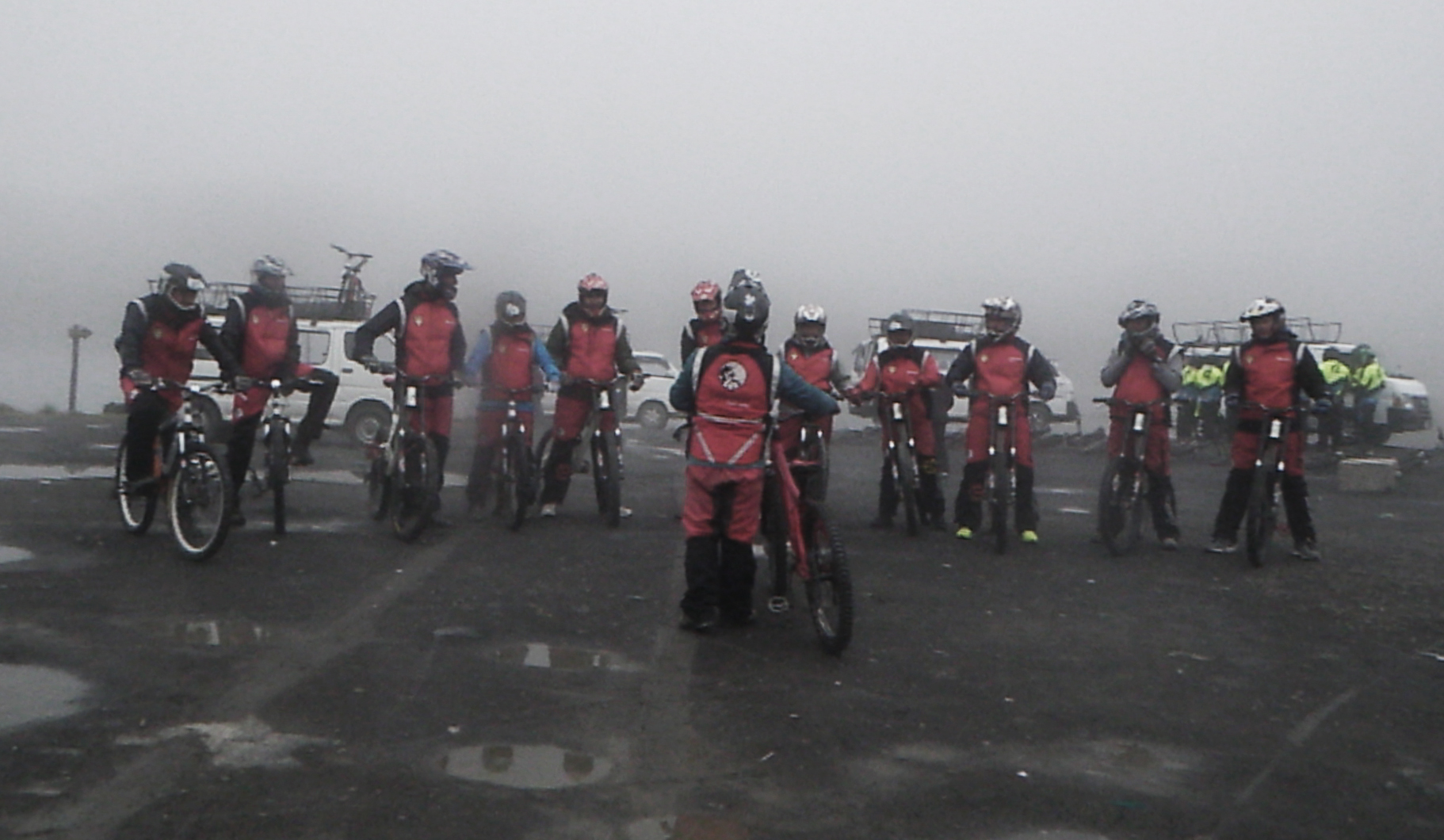
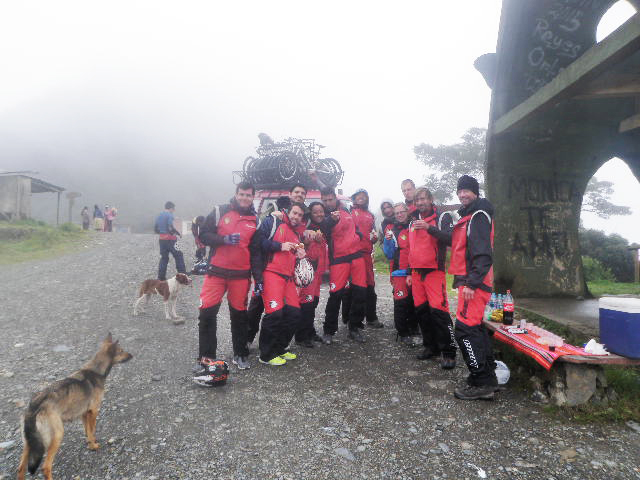
Dead Road is usually done from La Paz, the city in Bolivia. There are loads of agencies to provide you with their service, especially around city center area. Every single hostel and most hotels can book you in too. It really isn’t a problem to buy this trip. It is relatively cheap. Prices depend on agency and mostly the kind of the bike, you will be provided with. It will be between 50-100$, as of 2016. I rented the worst bike, and I think being cheap about the bicycle is not the best idea. Get a double suspension one and from a good agency. Never go with Luna Tours agency (see photos above to recognise uniform and logo). I went with them and was promised to be provided with photos and movies of us while cycling. They did film a lot, took loads of photos, and at the end agency provided us with CDs where all media suppose to be. After few moths, when I came back home exited to show movies to my sister and her kids (to show how cool is their aunt), I discovered that there is no photos or movies of us!!! Just old movies to promote agency. I was extremely disappointed and angry, I have only few photos from my phone.
Brief overlook of the day trip to do the Dead Road
My meeting point was at the cafe in La Paz at 7.00 am where we had a breakfast, and we briefly discussed the plan for the next 10 hours. Please note that some agencies can pick you from the hotel.
At 8.00 am our bikes got uploaded to the top of the van, we sat in, and we went off from La Paz, which is at a height of 3,600 meters (11,810 feet), to the foot of the Andes Mountains towards the summit, which was at 4,700 m.
Approx at 10.00 am we arrived at the starting point of La Cumbre Pass. We then proceed to get the specialized equipment for each of us. The guides make recognition of our teams. We were also explained of all the rules at the road, how to sign with your hand, and what our schedule will be.
We were fitted into our gear that was: a jacket, pants with knee pads to put under, gloves, and a full-face helmet. Then we tested our mountain bikes: breaks and sit high. Our guide rechecked all again to make sure all is safe, and we went off.
Starting the adventure at around 11.00 am.
First 20 kilometers is via new asphalt road to Coroico. Actual Dead Road will start after that length. In this bit we can get used to the bikes and enjoy the road before difficult part.
Quick break for a snack before getting in to actual Yungas Road.
Dirt road begins at a height of 2,700 meters (2,953 feet) above sea level. In the beginning of the Bolivian jungle. Exactly where the paved road ends begins the most dangerous road in the world.
Keep cycling through rivers, waterfalls, along with the wide variety of beautiful flora and fauna with few breaks to keep the team together.
At 15.00 finishing and arriving at the bridge, congratulating each other. At the end of the road, you will get a well deserved beer or coke and a t-shirt. I picked coke…hmmm, I must have being still in shock after my fall :D.
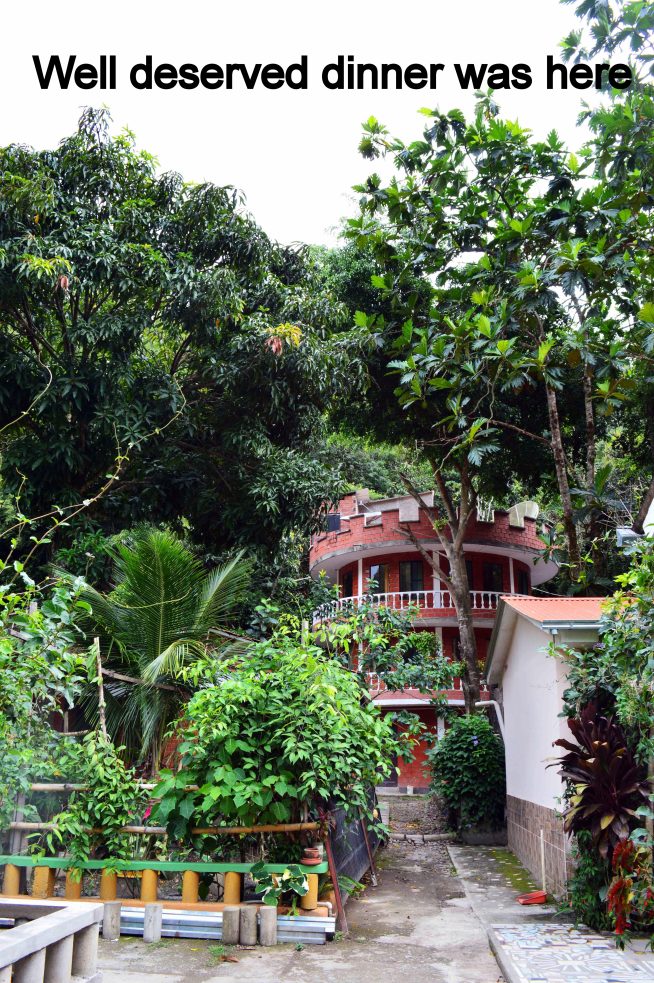
After a little rest heading off for a well deserved dinner with swimming pool on the side and showers to refresh.
At approx 16.30-17.00 heading back to La Paz, arriving at around 18.30-19.00.













































































 Solo female traveller
You must be logged in to post a comment.