sdfsdfsd

Central America in numbers-cost of accommodation, transport and food

Similarly to my blog post about cost of traveling around South America, I will compare prices of each country in Central America. Hopefully this will help you to plan your backpacking trip better trough this beautiful part of the world. Please note that it is just a basic info, as we all have a different style of traveling. Some like to explore more and spend more money on it, some have a very tight budget and can spend daily way less than stated in this blog-post. I, for example, traveled around Central America from Panama up to Mexico City for 2 months, and I have spent around 3.600$, excluding all my flights. That is around 50-55$ a day. However, I stayed mostly in hotels, and I was always going out with people, if there was a party going on, spending a lot on drinks and street food. In expensive Costa Rica I was even going out everydayโ€ฆ.what can I say. Apart from that, I visited most of the worth seeing places, and I did solo activities combine with organized tours. Having said all that, if you will stick just to hostels, not going out as often as me, you can easily do it at 25-30$ a day (including buses to travel from A to B). Anyway, let’s have a look at costing.


Belize

Overlook: Third most expensive after Costa Rica and Panama, thought not too pricey for such a popular tourist destination with one of the most beautiful Caribbean cost line.
IMG_2578

Accommodation: In most expensive places hostels start at 12$, hotels at 35$ (Caye Caulker). Belize City offers expensive hostels from 15-20$ only because not so many of them around. Hotels start at 20$ there.

Transport: Affordable in general.

    Buses: Public buses are very affordable and start from 3-4$ for 1h of journey. Chicken buses are the cheapest at 1-2$ for an hour of journey. Loads of  private, expensive companies available to choose too.

    Public: Cities and towns in Belize are very small with 8,000 living in the capital, so the public transport is not as complex and include only buses and taxis. In Belize City is probably best to use a taxi, thought Chicken buses can start from 0.50$ for a journey.

    Taxi: No official data, but I paid 7$ for around 8 minutes of ride in Belize City (from docks to bus station).

Food: Not so cheap in restaurants, but rich range of street food available to pick. Caribbean chicken, rice and salad can be found from 4$ on the street in Belize City, but in very touristic Caye Caulker from 6-7$ as cheapest option for lunch. Restaurants offer a dinner from 10-12$.

Daily budget: Can start at 25$-35$ a day.


Costa Rica

Overlook: Most expensive in Central America. Accommodation is affordable, but food is one of the most expensive in the world, with the cheapest 1.5L bottle water from 2$, and cheapest sliced toast bread from 2-3$. Aldi sayโ€ฆโ€ฆwhaaaaaat???? ๐Ÿ˜‰

Accommodation: Hostels in San Jose starts at 6$, hotels at 16$. By Caribbean Coast, hostels starts at 9-10$, hotels at 20$.

Transport: The best bus company I found, was Tica Bus. Very comfortable with toilet and wifi, but expensive to travel from Costa Rica. This company operates trough the whole Central, starting from Panama, all the way up to Mexico. Chicken buses operates between cities and towns at very affordable price.

    Buses: Again, Tica Bus was my best option to travel around, especially between capitals. Ticket from San Jose to Tegucigalpa cost 56$, so a bit expensive, but there is not many companies to choose between anyway. For bus from Puerto Viejo (town by Caribbean Cost in Costa Rica) to San Jose, the capital, I paid just 10$ (5h of journey), so domestically is very affordable to travel.

    Public:  For most city buses fares range between 0.35-0.70$, to be paid in cash, as a general rule. Costa Rican bus drivers will pick you up anywhere, so just stick out your arm and flail wildly when you see your bus.

    Taxi: Taxi starts (normal tariff) from 1.14$ with 1.16$ for 1 km after in San Jose.

Food: Very expensive to buy food even in discount shops. Meals at restaurants start at 15$ as the cheapest to be found, but street food can be more affordable, starting from 5$ for a take away small lunch-snack.

Daily budget: Can be done from 25$, but only covering own cooking and cheapest possible accommodation, no activity and transport, otherwise be ready to spend 34-55$ a day.


El Salvador

Overlook: Very cheap in all fields: eating out, hotels, transport. Possible to fully enjoy and indulge yourself.

Accommodation: Hostels start at 6$, hotels at 15$ (San Salvador). Santa Ana is just a little bit more expensive, hostels from 8-10, hotels 15-20$.

Transport: Buses are very affordable, especially domestically between towns and cities.

    Buses: Buses that operate between cities and towns are very cheap. I think it can starts from 0.50$ for one hour of journey. I paid around 1$ to travel from San Salvador to Santa Ana (2h of journey) in a Chicken Bus. Tica Bus from San Salvador to Guatemala City, in Guatemala, costed me less than 35$.

    Public: Public buses are very cheap and relatively easy to use. They do have stops, but you can get off anywhere you like, just tell the driver to stop. The ticket costs around 0.15-025$, depending on the length of your travel.

    Taxi: Taxi starts (normal tariff) from 5$ with 3$ for 1 km after in San Salvador. Please note, this is an official info. However, I do remember they were way way (third) cheaper than presented data.

Food: Very very cheap to eat out. Possible to grab a good breakfast with coffee from 1-1.5$. Good big lunch can start from 2-3$. No point to waste your time to cook. Fresh fruits and veg on the street at a very low price too. Mercados are the best places to shop.

Daily budget: It can be well possible at just 20$ a day, easily can be done cheaper.


Guatemala

Overlook: Very similar to El Salvador, nice and cheap, so we love it!

Accommodation: Hostels start at 5$, hotels at 16$ (Guatemala City). Touristic Flores, from where travelers do biggest Mayans side (Tica) luckily at the same prices, if you will book in advance and look well before, otherwise hostels start from 7$.

Transport: Very similarly to El Salvador, Guatemala offers a very cheap local and international bus transport.

    Buses: Few choices to pick, starting from the cheapest chicken bus that can cost as little as 0.50$ for an hour of journey. Shutter service available in most areas, especially touristic. Tica bus from Guatemala City to Tegucigalpa in Honduras costs 44$.

    Public: Chicken bus starts from 0.20$ to get around the city.

    Taxi: Taxi starts (normal tariff) from 3.40$ with 0.68$ for 1 km after, in Guatemala City.

Food: No point to cook anything. Ready made delicious food is very cheap. You can grab a breakfast for 1$ and lunches start at 2-3$, but from street stands. Restaurants can be very cheap too. Mercados offer cheapest and best fruits, veg, cheeses and meat.

Daily budget: Same like El Salvador, can start from 20$ a day, possible at 15$-17$ as the lowest.


Honduras

Overlook: Can be affordable, just tiny more expensive than El Salvador and Guatemala, especially Caribbean islands and coast.

Accommodation: Hostels start at 7$, hotels at 13$ in Tegucigalpa. Most popular Roatan Island offers hostels from 8$, hotels from 18$.

Transport: From very cheap chicken buses to expensive shuttle transport.

    Buses: Very affordable to travel between towns domestically in chicken buses and vans which cost around 1-2$ for an hour of journey. International Tica Bus cost 44$ from Tegucigalpa to Guatemala City, in Guatemala.

    Public: One way ticket bus cost 0.48$ in Tegucigalpa.

    Taxi: Taxi starts (normal tariff) from 2$ with 3.69$ for 1 km after in Tegucigalpa. Again, like in San Salvador, Honduras is relatively cheap, and I do think taxis are way cheaper than what is stated in official info.

Food: A little more expensive than Guatemala and El Salvador, yet still very cheap. Lunch can be found from 4$. Loads of discount shops to choose as well, as mercados, with fresh range of food. Street food stands offer snacks from 0.5-1$.

Daily budget:  Can start from 20$ a day in cheaper places to 25$ in touristic areas like Roatan.


Mexico

Overlook: Probably the cheapest on my list. Nice break for our purse when coming from Belize, like myself. Well possible to fully enjoy, even for a budget backpacker. Apart from traveling and discovering, it is very cheap just to relax at massage center, spa, etc.

Accommodation: In Mexico City hostels start at as little as 3$, hotels at 10$. In very touristic Caribbean cost town, Cancun, hostels start at 7$, hotels at 14$.

Transport: Very cheap for short distance travel between towns, more expensive with a greater distance, as buses are more exclusive, and you have less companies to choose from.

    Buses: Can be very affordable, but distances are great in Mexico, and bus tickets can cost around 90$-100$ for 22h of journey (Chetumal-Mexico City for example). Good to do some research, as sometimes is cheaper (and more comfortable) to buy a plane ticket.

    Public: 0.28$ for public transport in Mexico City.

    Taxi: Taxi starts (normal tariff) from 0.55$ with 0.29$ for 1 km after (Mexico City).

Food: Very cheap. No point to cook anything (from breakfast to supper). 5 tacos can cost as little as 1.50$. Big burrito, with loads of cheese, even for 2 people, can be found at 3$. Portions are usually very big and satisfying.

Daily budget:  Can start at 20$, but well possible even from 15$.


Nicaragua

Overlook: Nicaragua is a very cheap, again, place to travel around. Eating out is the best option. Breakfast (rice, eggs, meat, beans plus coffee or tea) can start at just 1$, lunches from 2-3$.

Accommodation: In Managua (capital) hostels start at 8$, hotels 18$. In a very touristic Granada, hostels start at just 7$, hotels at 12-15$.

Transport: Vans and chicken buses are the cheapest, probably best to pick when traveling short distances. Longer journey is more expensive, as the buses offer a better comfort and sits.

    Buses: Vans and chicken buses cost around 1-2$ for an hour of journey domestically. International Tica bus from Managua to Tegucigalpa in Honduras costs 30$.

    Public: Public transport costs 0.25$ in Managua.

    Taxi: Taxi starts (normal tariff) from 1.01$ with 1.02$ for 1 km after in Managua.

Food: Very cheap to eat out. Loads of stands on the street that offer a good lunch for as little as 2$, a snack or small lunch cost around 1$.

Daily budget: Can start at 20$.


Panama

Overlook: Panama City is a very expensive place, especially restaurants and bars. however, 1-2 nights is enough to explore it and move to the next location. Caribbean coast can be affordable, especially when it comes to accommodation.

Accommodation: In Panama City hostels start at 8$, but they are far away from the city center. In the city center hostels starts at 11$, hotels starts from 14$, but from 23$ in the center. Most popular Bocas del Toro offers hostels from 10-12$, hotels from 18-20$.

Transport: I think it is a bit pricey comparing to the rest of Central America, especially between Panama and Costa Rica. Bus is the cheapest option as flying can be very expensive.

    Buses: International Tica bus costs 40$ from Panama City to San Jose. Bus from Panama City to Bocas del Toro (Caribbean island) costs around 27$, plus 5$ for water taxi.

    Public: 0.25$ for a single ride in Panama City, but you need a card to use it. You can also pay to someone to swipe you in. 

    Taxi: Taxi starts (Normal Tariff) from 2$ with 2$ for 1 km after in Panama City.

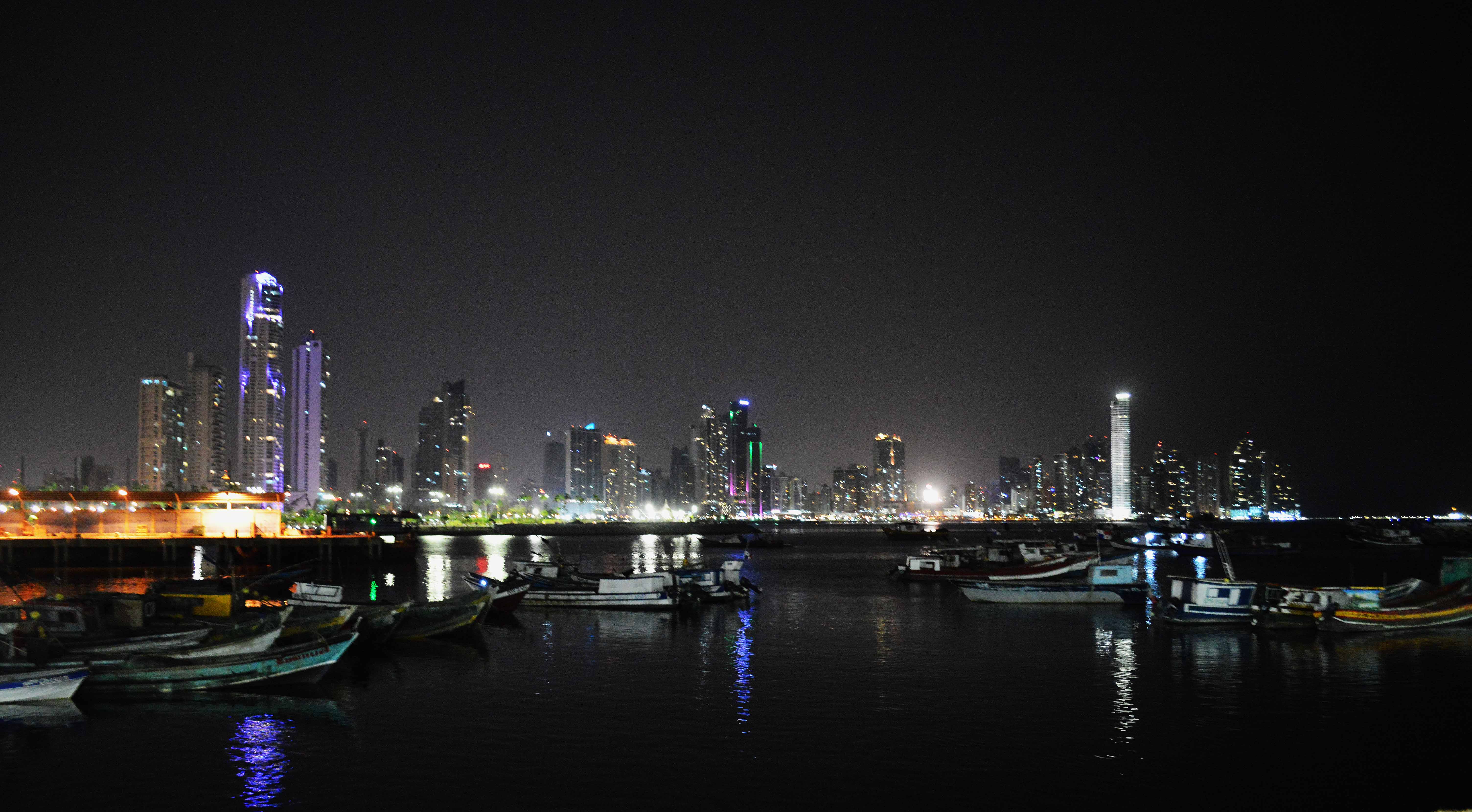
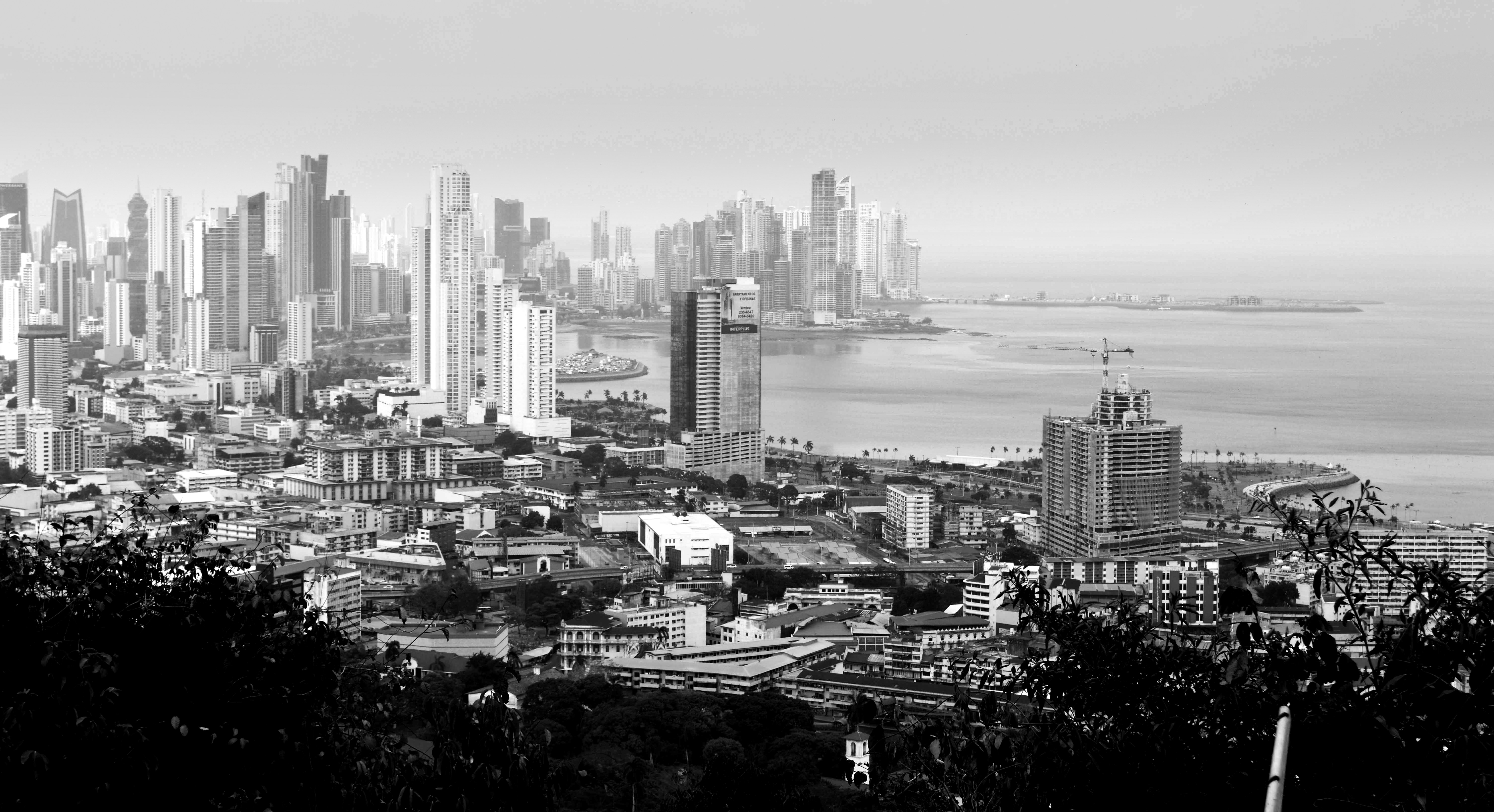
Food: Eating out can be very expensive, especially in the capital. Lunches starts at 15$ in the cheapest restaurants. Sea food cocktails at fish market starts from 10$. Street food stands can be found, but not around Avenida Balboa (business center with skyline).

Daily budget: Can start at 35-38$.

Walking in Marrakesh

ย After traveling around the Europe it was finally a time to cross the continent. I always loved Africa most, so it came to me as a natural decision to go there first. I pick Morocco, but not so sure why, as I’ve never heard much about this country before. I bought a ticket first, and then I started to plan my journey there. It was only for a week, so I canโ€™t say it was too difficult, but I`ve had a major problem with my safety as for solo female. I remember, even the day before, when I wasnโ€™t even sure if I will catch that fly or not. Luckily I did, and it turned to be one of my first and truly amazing visit to a new continent.

Few tips to have a peaceful stay

ย  So starting from the beginning, as I mentioned, I was a little bit concerned about traveling to Morocco. Well, mostly because of a general opinion, I read on the internet. That was first and the last time I was reading such a things. Of course you should always be intelligent while planning where to go, and general political knowledge about the situation in the area is essential, but thatโ€™s pretty it.

Everywhere will be dangerous if you will act stupidly. I consider Marrakesh as 100% safe place to be for solo travellers. Just remember to: appreciate and respect the culture and the people around you, whenever you are, don`t wonder alone at night in non touristic areas, and keep an eye on your belongings as of thieving. Drinking alcohol in public places is not a good idea too, nobody will arrest you, but you may upset some Moroccans, as it is forbidden in most places, especially in front of mosques. Morocco is a Muslim country (98.5% of the population), so please do wear respectfully. Donโ€™t show too much, whether you are a female or male. Even if you will decide to wear a short skirt nobody will do anything to you, but you might be harassed from time to time. Morocco really is a safe place. Tourist police is on every corner in all main areas, and they do speak perfect English, as it is one of the requirements to become one. They are very helpful, you can always ask them about directions, or you can report any problem. They are there for you. Moroccans speak good English in general anyway, especially males, as they use it for trade, so you wont be lost in translation at all.

ย 

Public transport is very poor in Marrakesh, probably due to the tiny roads around. Locals just get around on motorbikes and scooter everywhere, so watch out! However, bad city communication is really not a great problem, as taxis are very cheap. I would say the price range from 3-4ยฃ for going from the south to the north (from the airport is way more, I am afraid). But thatโ€™s if you’re in rush, walking around Marrakesh is truly a delightful experience. Seems like there is always a new astonishing thing around the corner, whether itโ€™s a building, market or a little tea shop.

Itย  seems like the best idea to discover the area is just to get lost a bit and wander around. Names of the streets are in Arabic, so it’s not very helpful, but every now and then there will be a sign pointing the direction to Jemaa el-Fnaa, and from there it will be easy for you to find your way around. That is also another reason to book a hotel around that area.

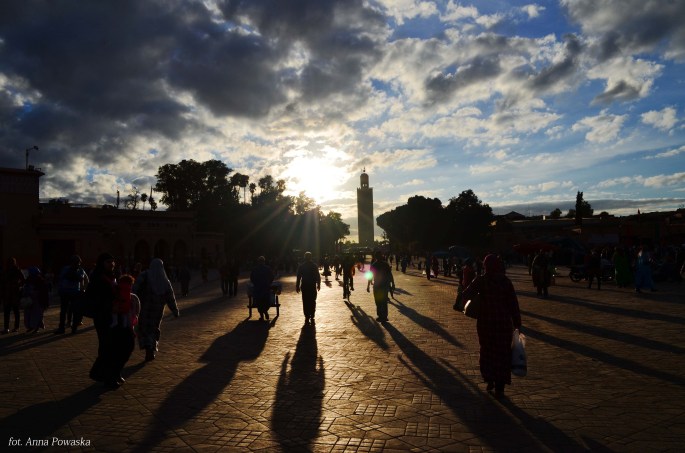
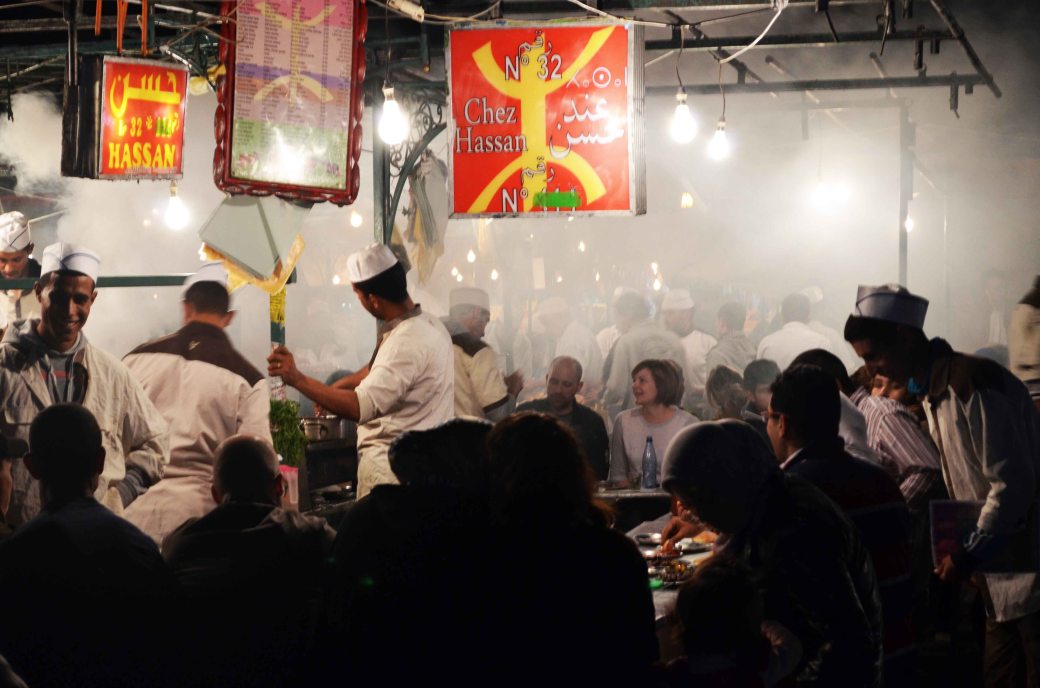
ย  When it comes to accommodation, try to stay in the city center, called Medina. I pick a hotel just 10 meters from Jemaa el-Fnaa, probably the best place to stay. And the reason for that is because itโ€™s the most lively, colorful area that comes to life in the evening. Its seems like Moroccans sleep all day long to enjoy the lights, atmosphere, music or just a musk of a chilly wind of night. CSC_1105.jpgAll shops are open till late, till people and tourist are still around. You will find everything you need in this maze. Thought, main food stands are way too touristic for me, as they serve the same dished in every single stand, try to look around, especially in small streets. The food is more traditional, way more delicious, and its likely that you will sit with locals. During the day time try to always eat on the roof, most of the restaurants in the center got one. The view on High Atlas range is just exceptional with the unique city architecture, palm trees and Mosques. That will change your meal time to majestic and magnificent experience. Donโ€™t look for alcohol, they donโ€™t sell it anywhere there….sorry.

ย  If you love shopping then you are in the right place. I truly hate doing that back home, but even there I could walk around markets for hours! Everything is astonishing and very unique: clothes, shoes, hats, bags, tea pots, food dishesโ€ฆjust everything. I think, I will have to especially highlight bags.

The quality is incredible, with the big range from very small ones to very big. You can be sure that if you will get one, it will be outstanding back home, whenever you’re from. It was also the only place, so far, I have seen so many spices to buy around. I bought loads of them, especially saffron as It’s very cheap there. If I only knew before, I would arrive there with an empty bag, to be able to carry all that back home. Oh, I almost forgot to mention how important is to negotiate the price. Whatever you will hear, you have to divide in three and start, maybe even in four… especially when it comes to silver. If you see that the seller is loosing an interest, when you’re suggesting a very low price, higher it a bit. You both will always come to a good agreement.

ย  At the end, just quickly, I want to mention that Marrakesh, thought touched by a mass, booming tourism now, is still managing to keep their truly Moroccan spirit. Culture is present everywhere. It felt like in Bolivia for me, where people still proudly wear their traditional clothes, selling them in the shops, instead of going for more modern and commercial ones. I loved the fact that they do enjoy Medina a lot too. You can really see that. When there is someone singing, playing an instrument or just doing a fire show, locals are all around. Well, the only thing I did not like was when pushy sellers were all over you, but please note that you can just say no, walk away, it really isn’t a great problem. Mostly they were very nice and helpful. I did visit many countries, but I really don’t have loads on my list I want to visit again. Marrakesh is definitely one of them. So what are you waiting for? Check the flight now and book!

That very western city with a great twist. 3 days in Panama City

 Nova-days travelling and backpacking style breaks out of the old frame of commercial accommodations as non-alternative places to stay. Couch surfing gets more and more popular among, not even always young, travellers. There are loads of other options too. On a farm, while working, in own tenth, loads… That is how Panama came for me too, as a little sample of that new popular way. Though, maybe not so obvious, luckily, I got invited to stay at my friend’s house in Panama City. Yes, kind Clari, my friend I have met on a scent of Machu Picchu in Peru, took me for few days under her wings to provide me with a real Panamanian hospitality, and to show me this stunning modern capital of small, however packed with beauty, country. That what traveling is all about for me: discovering world wonders and meeting great people. Clari, as Panamanian born and raised, became to be the best guide to show me around. Apart from a good time with a friend, I was able to discover all the hidden secrets of this magnificent city. The city filled by tropical nature and surrounded with a skyline bigger than Miami, but at the same time still full of history to learn about. I am aware that Panama City is globally mostly famous for its canal, but there is still so many things to do and see while there. So what are these things?

Fish Market

DSC_0480

  I guess it is odd to start with the Fish Market as a first of the sight-seen, but apart from the big range of fresh and delicious sea food you will be able to spot the amazing panorama of the city from there. It can be as a good start. Market is located by the cost, very close to the Casco Viejo area, which makes it a very popular place to sit, eat and chill, especially in the evening, for locals and tourists. You can taste loads of cocktails made from all different ingredients. You can pick the ready one or just create your own. You might think it`s a bit pricey, but I have been told that all the stands offer the freshest, best sea food in Panama. 

Casco Viejo

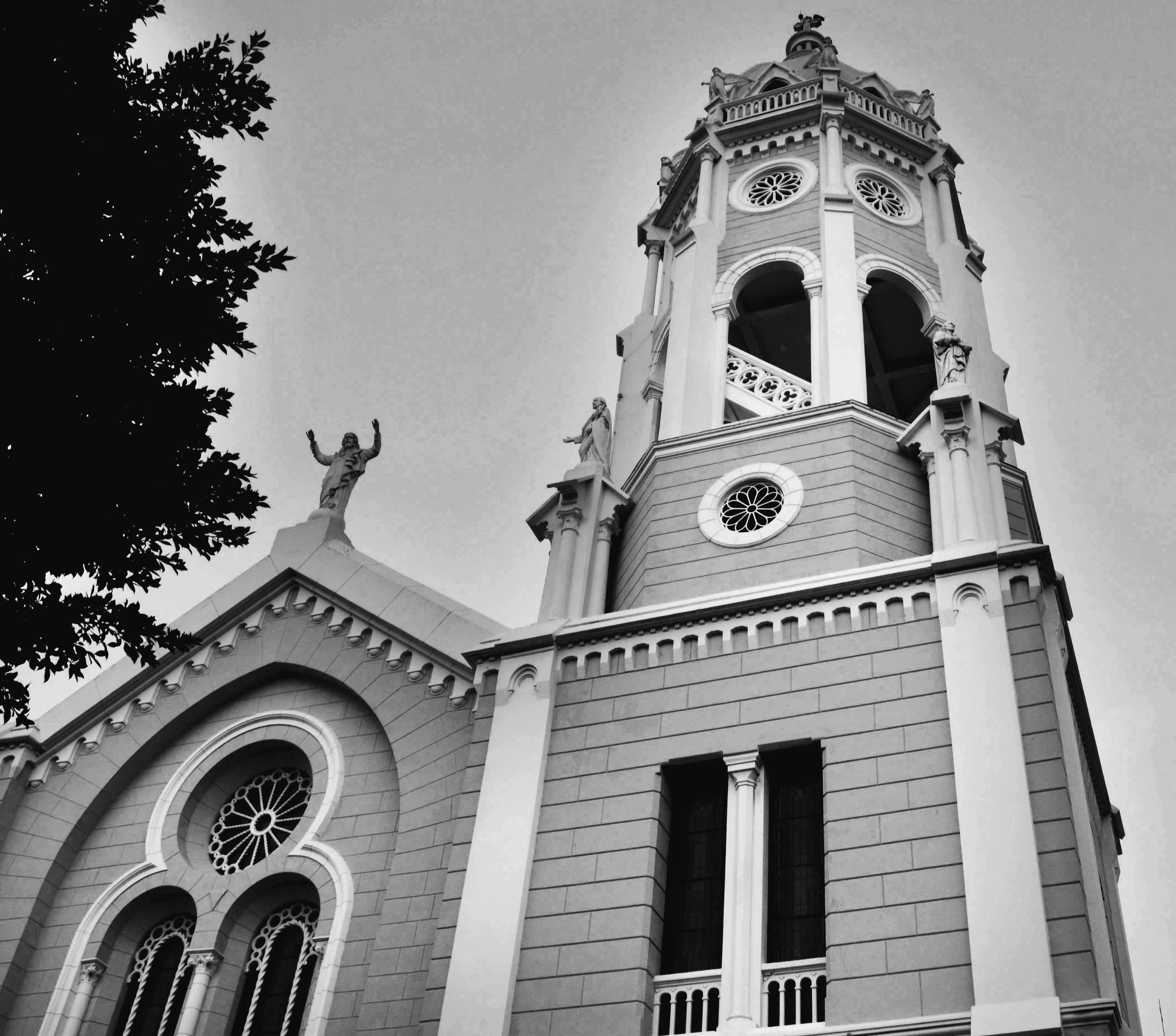
  Casco Viejo, located in the center of Panama City, brings back the history and spirit from past centuries to this modern city. It is an old town dated back to 1673, after the original town of Panama Viejo got destroyed during the pirate attack. After some time it got left out when the modern trade-style era arrived to Panama City, among with the skyline architecture. Casco Viejo got renew a century ago, when Panamanian decided to bring back some history to this Miami-like city and restore the buildings around there. The location of this Spanish colonial quarter can be easily named as most cultural place now. The narrow streets of the place stands as foundation for many churches (some even 300 years old), squares, colonial buildings and statues. you can just go to wander around with no map, and you will find something magnificent on very corner. The area is full of hotels, restaurants, souvenir shops and bars. The last ones, I mentioned, are usually very crowded at night, as Casco Viejo is a popular destination for night life lovers. Actually, that would be my suggestion, to visit this place late afternoon to get a good look at architecture around, and in the evening to spot the panorama of bright lights, flashing from the great sky line building on the other side.

Panama Canal

   I have noticed that Panamanian are very proud of the canal. Almost seems like they think Panama holds the key to the one of the most important water gates in the world. Canal, that is a passage between the Atlantic and Pacific Oceans and North and South America, dates back to 1515. It is worth to see it, but I don`t feel like you have to get inside to see the presentation, movie and museum. I did, but it definitely wasn’t my highlight. You can just see it from outside and that should be fine. The entrance fee is 15$.

Panamรก Viejo

   Panamรก Viejo, as a remaining part of the old Panama City and former capital of the country, is located at the edge of the modern city. Its been named as a World Heritage Site since 1997. You can see there structures dated back to 1519. Well worth to discover and entrance fee starts at 6$.

Mi Pueblito

  Good glimpse of the various Panamanian cultures & traditions. This site is a collection of housing and artifact replicas of the various cultures (old and modern) of Panama. While simple, it gives you a good idea that this relatively small country is formed by various ethnicity and traditions that survive to this date. The entry fee for foreigners is 3$ USD and you get a free guide (optional), 1$ for locals.

Ancon Hill

dfdf

  A hill in the heart of Panama City from where you can seen the wonderful panorama that include the canal, modern skyline and old Casco Viejo. Climbing is relatively easy and should take around 2 h, there’s no entrance fees. Apart from diverse panorama you will get surrounded by, you can see or read about loads of rare species of animals, that lives only there.

Avenida Balboa

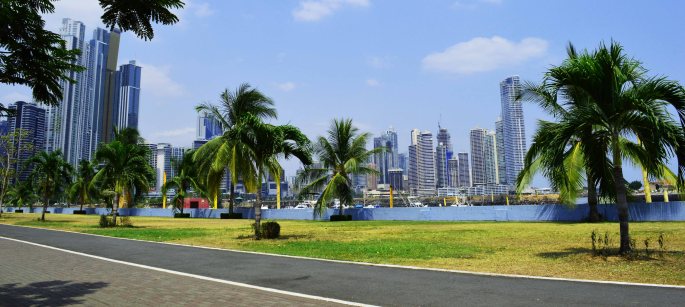
   The avenue stands as a major financial district for Panama and the rest of Central America. Best known as one of the most expensive roads in the world, It is home to several very high building and points of interest including. The skyline at night is particularly beautiful as it is illuminated with the lights from these tall buildings.

Extra shot of adrenaline at the Dead Road in Bolivia

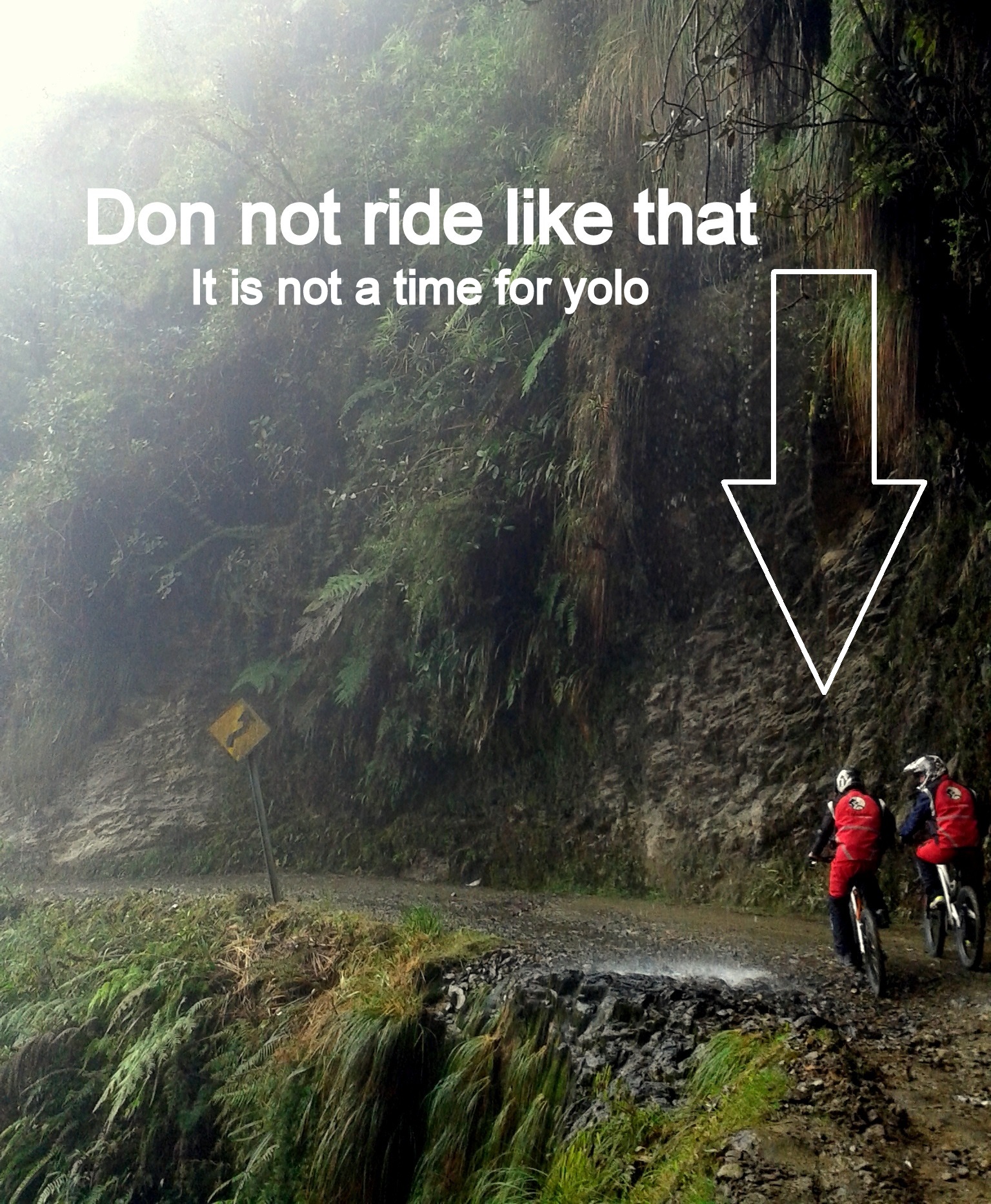
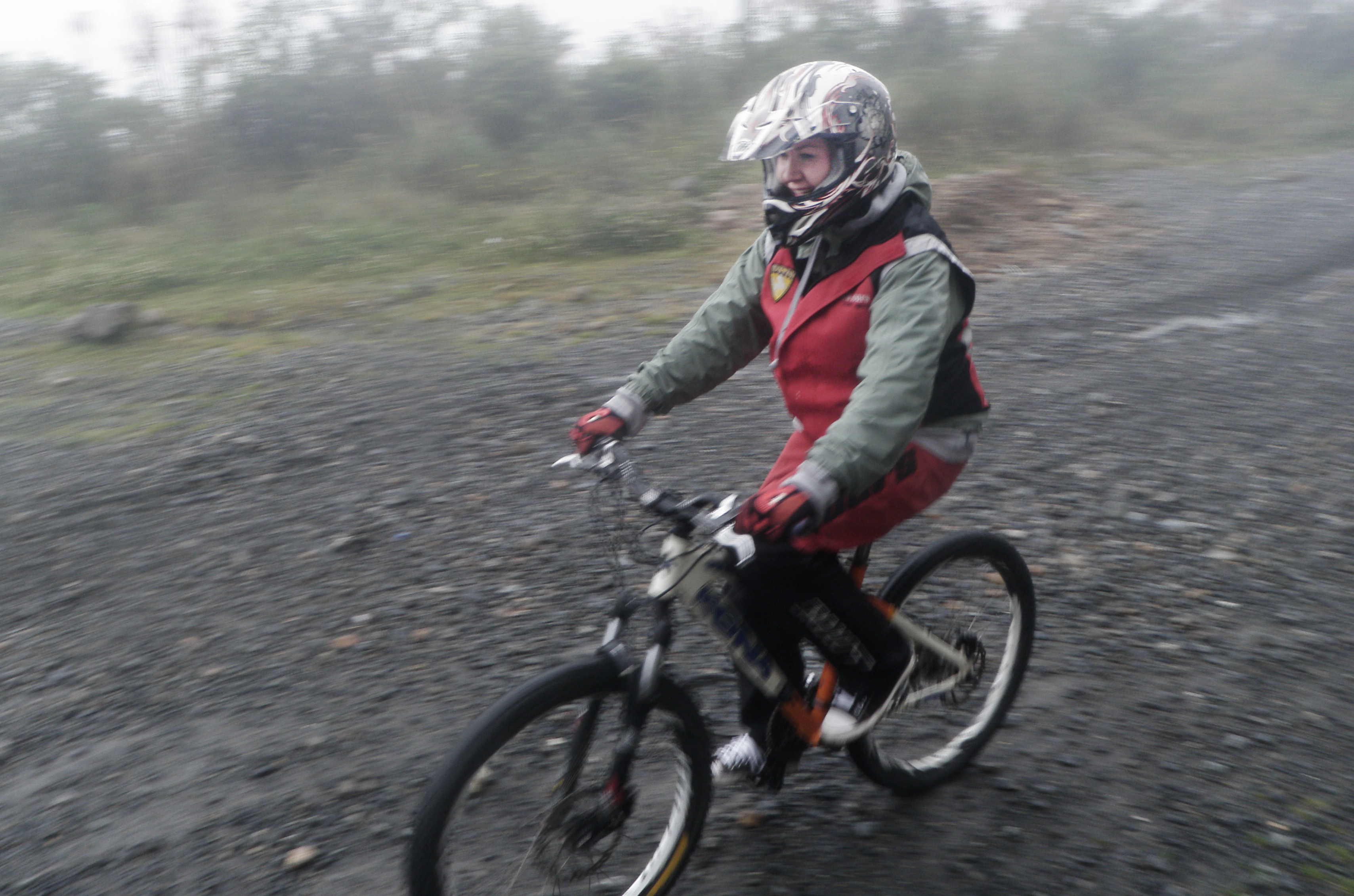
Name “Dead Road” definitely does not come in a first place to any mind as a casual attraction. Originally named Yungas Road became well-known as a silent killer of thousands. Famous for being most dangerous road in the world that contributed to many deaths of drivers in the past and some cyclists in recent years. All as a result of how and where the road has been constructed. A combination of a single track road, 900m high cliffs, rainy weather, limited visibility, rockfalls, waterfalls and lack of guardrails participated in all death. Luckily, and finally, Yungas road was modernised to include two driving lanes, asphalt pavement, drainage systems and guardrails. New road has been opened in 2009, as an alternative of a must choice, replacing the dangerous 64 km stretch. All traffic being diverted to the new road. I am really glad motorists can now travel from La Paz to Coroico without fearing the journey may be their last. New road, apart from the fact that has already saved hundreds of life, left Bolivia also withย one of the coolest, adrenaline giving and very adventurous tourist attraction in this country. People from all around the world visit this part of Bolivia to cycle down trough the original way. I did too.ddfdfdfd

Some statistics to give you the idea

“200 to 300 estimated death drivers yearly along Yungas Road and as late as 1994 there were cars falling over the edge at a rate of one every two weeks.”

“One of Boliviaโ€™s most tragic road accidents happened on July 24th 1983 when an overcrowded bus veered off the side of the road and into a canyon killing more than 100 passengers.”

“Even with these improved conditions, Yungas Road shows no mercy. Nowadays, the death toll is limited to local workers and daredevil backpackers still using the infamous road. It is believed that more than 22 cyclists have lost their lives on Boliviaโ€™s โ€œDeath Roadโ€ since 1998.”20160202_101011

To do or not to do

The answer for me is definitely YES TO DO. I wasn’t thinking even for a minute whether I should do it or not. It was surely one of the coolest thing I did in South America. However, it really is not for everyone. Most agencies will not be very honest with you, as they just want loads of people to sign for it for the profit. There is no limit of age, fitness etc, but since I have done it, I can set some average requirements. Here they are:

  • Dead Road is suitable for confident cyclists to, of course, experts. A bit higher than average fitness and above. In particular for everyone aged 16 and more, but mostly done by younger group of people, usually at the age gap of 20-30. I did have two people at the age of 50-60 in my group. They both were fit and did well. Having said that, our group was one of the fastest, starting last, finishing first, so I am sure it can be done by not perfectly fit people, but maybe get some advice on best company to go with, if that’s the case for you.
  • Most of the road is very stony and dusty. The whole road is 64 km long, and, thought, you mostly going downhill, you have to be a good cyclist with some experience to keep up with the group.
  • You have to be very very careful, you need a perfect eyesight. The whole road is mostly thin and going via many waterfalls. Mentioning good eyesight meant to warn you that at the beginning road is extremely foggy, and it is difficult to navigate. Waterfalls are very tricky, as the group do not stop to pass them, you will go trough them at your max speed.20160202_122240
  • Keep in your mind that it is pretty much “fast and furious” activity. You do not have a choice, but just go at max speed, well…at least my group was fast. So think twice if you want to do this. Trust me, I felt on my head, destroying the helmet, having an open wound on my left elbow, that got swollen as well. Yet, I still had 30 kilometers to go….gosh that was painful. Another guy broke his leg too.
  • Cycling will last 5 hours, at high performance. Road is approximate downhill: 90% (one section contains a few small uphills). You have to be ready for sore hands.
  • The drop in altitude means travelers experience both chilly conditions in the Altiplano highlands and hot humid conditions in the rain-forests below. Your body needs to be ready for it. Highly not recommended for people, that already feeling light-headed at the high of 2000m.

Once the answer is yes

  • Even that you will be provided with food and water, take an extra bottle with you. You will start in very cold environment, but once half way trough, you will be surrounded by tropical hot weather, and that`s the time when your body will need some extra hydration, so you will drink loads at the end.
  • Take a good waterproof jacket, as is usually raining near the top.
  • As the temperature will be going up, proportionally to the distance cycled downhill, have something under to wear after, preferably with long sleeve, unless you will be provided with elbow protection.20160202_094517
  • Take maybe old cloths. I thrown away my shoes after.
  • Have some wet tissues, your face will be constantly covered with mud.
  • Lucky you if you own GoPro, you can record the whole way by attaching your camera to the bike or helmet. Few of my group-mated done it.
  • Do not book you trip if you just landed in La Paz. You body needs few day to adapt to the altitude. Yungas Road climbs to around 4,650 meters, from where you will start.
  • Check the weather for the next day. No worries, you can book a trip just one day before, even before 17.00 pm. The bottom line is not to rain that day!
  • Have a phone in your pocket. Thought you will have just quick breaks, you will have few chances to take some photos of this absolutely outstanding landscape and scenery.
  • Remember! 21 cyclists and 5 guides have died since the road had been opened for mountain bike trips. It might not be the most dangerous road in the world anymore, but it is still the Death Road. Don`t be to cocky on the road.
  • Most likely your agency will not cover the entrance fee for riding a bike. it is 50 Bs now โ€“ 25 Bs at the start and 25 Bs at the end of the road.
  • You really should be covered with medical insurance for this!

Prices and booking

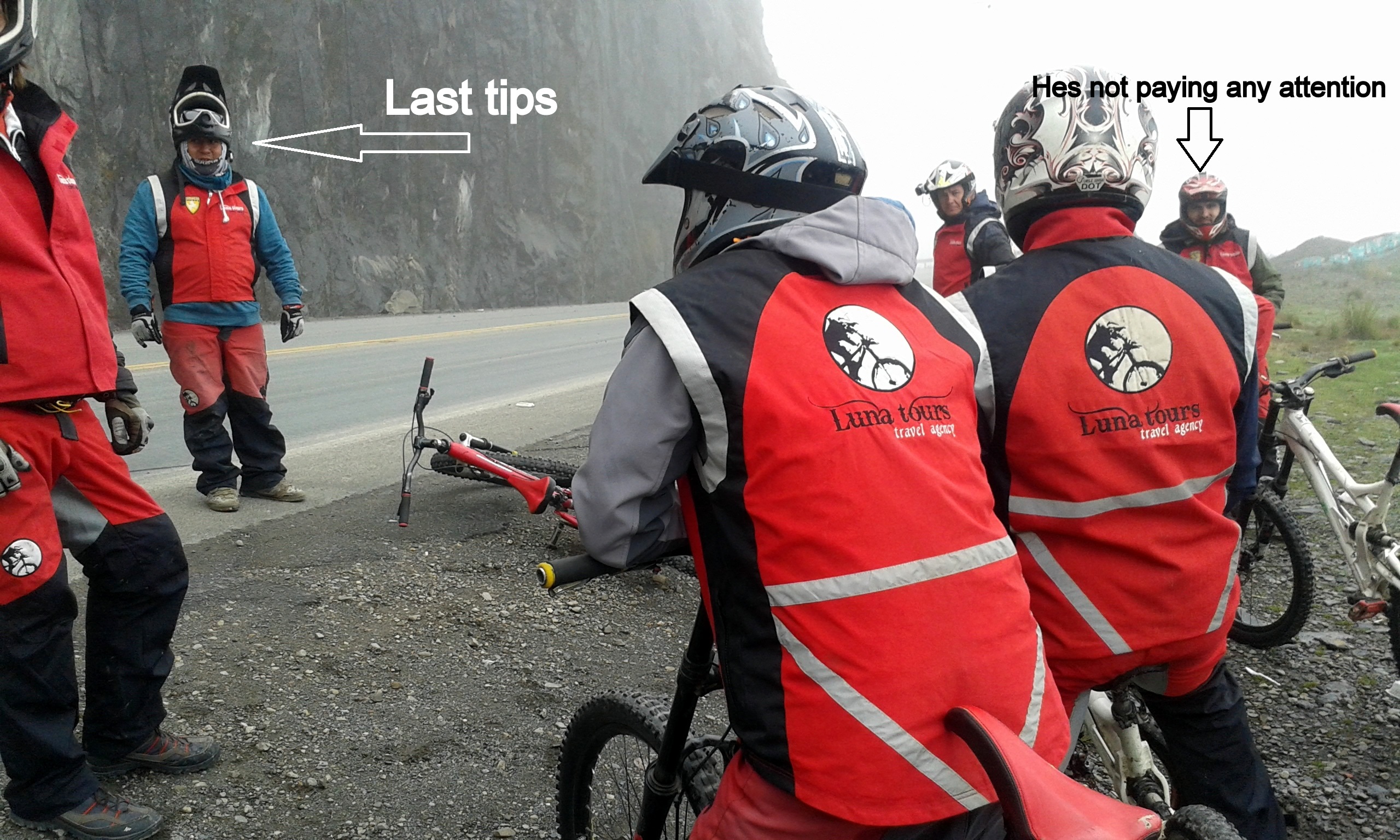
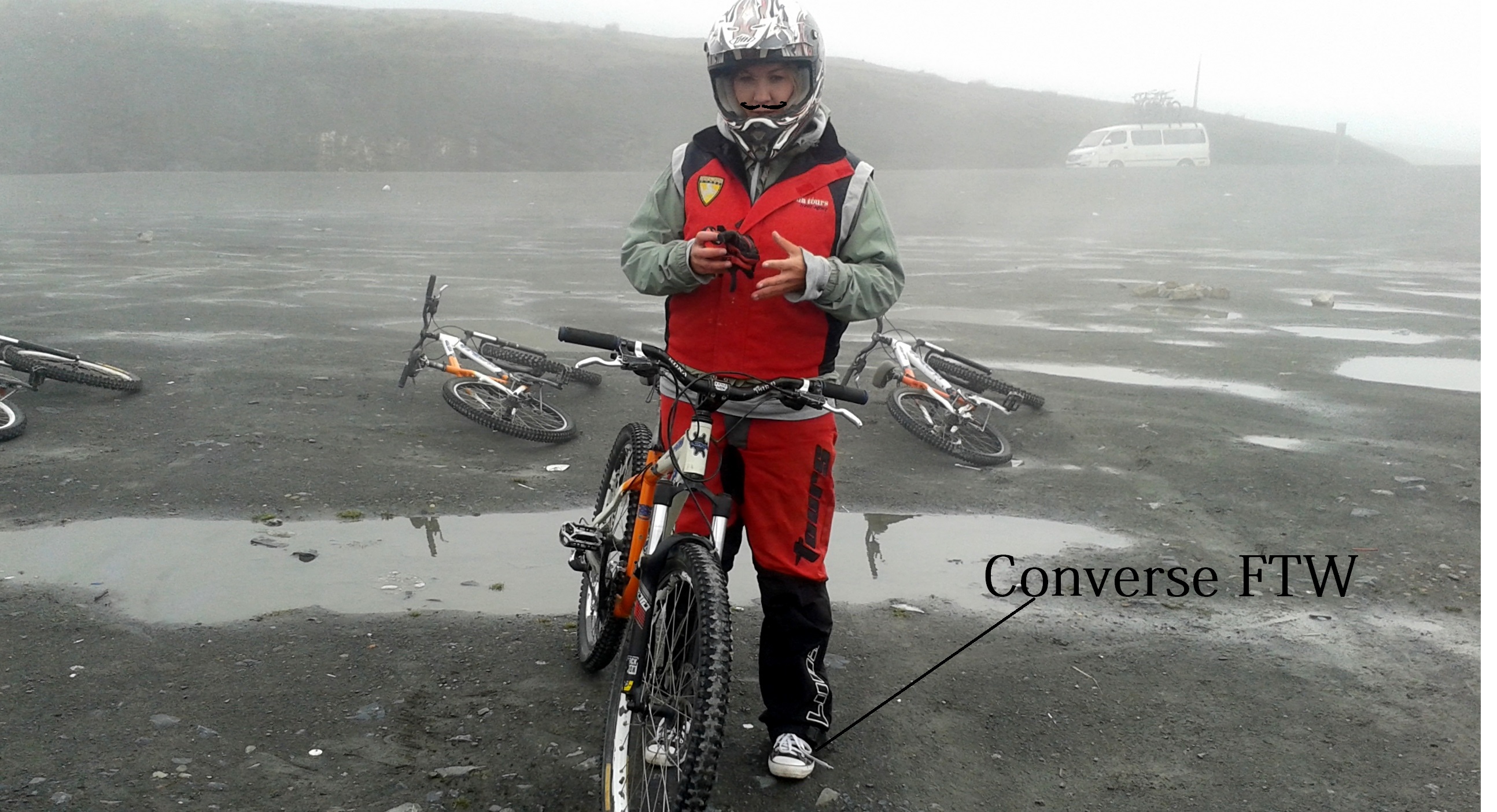
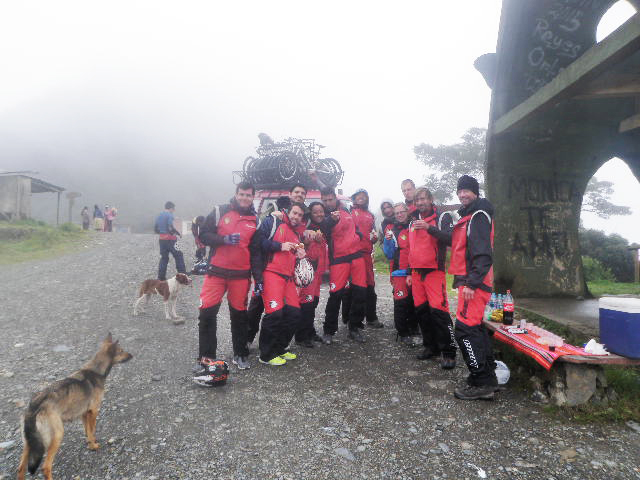
Dead Road is usually done from La Paz, the city in Bolivia. There are loads of agencies to provide you with their service, especially around city center area. Every single hostel and most hotels can book you in too. It really isn’t a problem to buy this trip. It is relatively cheap. Prices depend on agency and mostly the kind of the bike, you will be provided with. It will be between 50-100$, as of 2016. I rented the worst bike, and I think being cheap about the bicycle is not the best idea. Get a double suspension one and from a good agency. Never go with Luna Tours agency (see photos above to recognise uniform and logo). I went with them and was promised to be provided with photos and movies of us while cycling. They did film a lot, took loads of photos, and at the end agency provided us with CDs where all media suppose to be. After few moths, when I came back home exited to show movies to my sister and her kids (to show how cool is their aunt), I discovered that there is no photos or movies of us!!!ย  Just old movies to promote agency. I was extremely disappointed and angry, I have only few photos from my phone. DSC_0830.jpg

Brief overlook of the day trip to do the Dead Road

  • My meeting point was at the cafe in La Paz at 7.00 amย where we had a breakfast, and we briefly discussed the plan for the next 10 hours. Please note that some agencies can pick you from the hotel.fdf.jpg
  • At 8.00 am our bikes got uploaded to the top of the van, we sat in, and we went off from La Paz, which is at a height of 3,600 meters (11,810 feet), to the foot of the Andes Mountains towards the summit, which was at 4,700 m.
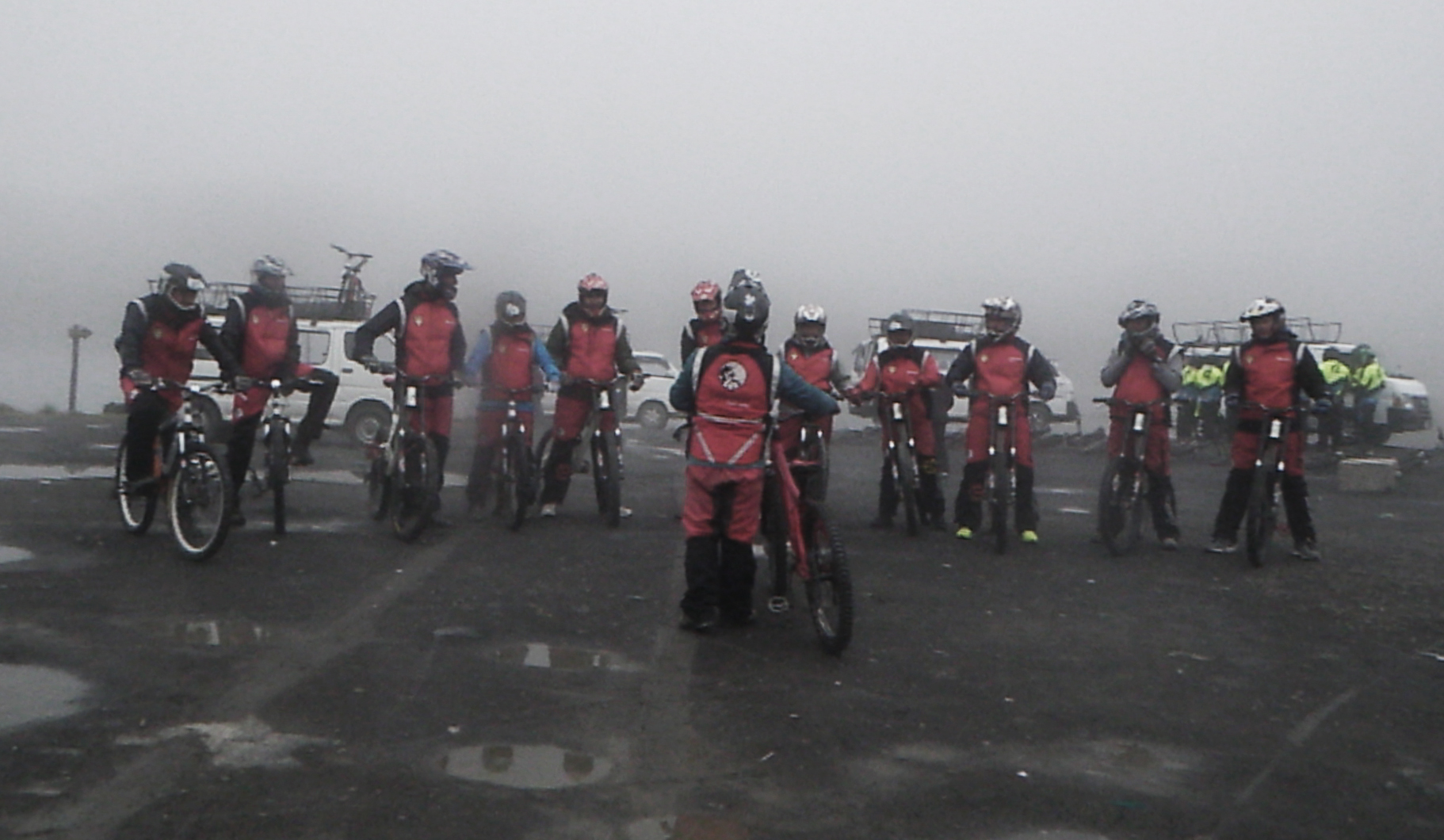
  • Approx at 10.00 am we arrived at the starting point of La Cumbre Pass. We then proceed to get the specialized equipment for each of us. The guides make recognition of our teams. We were also explained of all the rules at the road, how to sign with your hand, and what our schedule will be.
  • We were fitted into our gear that was: a jacket, pants with knee pads to put under, gloves, and a full-face helmet. Then we tested our mountain bikes: breaks and sit high. Our guide rechecked all again to make sure all is safe, and we went off.
  • Starting the adventure at around 11.00 am.
  • First 20 kilometers is via new asphalt road to Coroico. Actual Dead Road will start after that length. In this bit we can get used to the bikes and enjoy the road before difficult part.
  • Quick break for a snack before getting in to actual Yungas Road.
  • Dirt road begins at a height of 2,700 meters (2,953 feet) above sea level. In the beginning of the Bolivian jungle. Exactly where the paved road ends begins the most dangerous road in the world.
  • Keep cycling through rivers, waterfalls, along with the wide variety of beautiful flora and fauna with few breaks to keep the team together.
  • At 15.00 finishing and arriving at the bridge, congratulating each other. At the end of the road, you will get a well deserved beer or coke and a t-shirt. I picked coke…hmmm, I must have being still in shock after my fall :D.
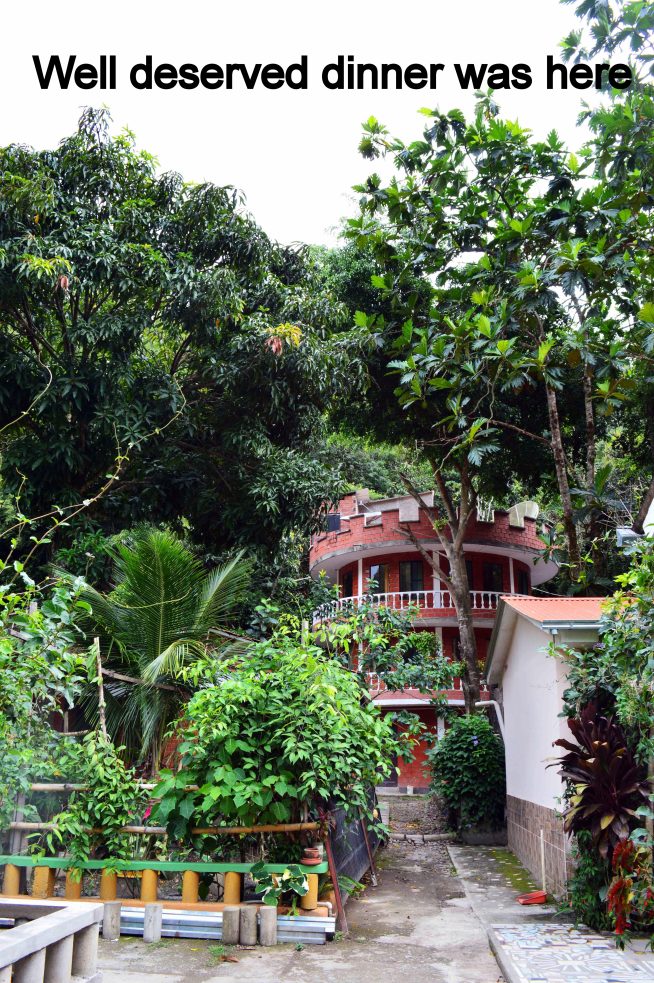
  • After a little rest heading off for a well deserved dinner with swimming pool on the side and showers to refresh.
  • At approx 16.30-17.00 heading back to La Paz, arriving at around 18.30-19.00.

Finding some peace in Pokhara

ย Arriving, even trough a tiny roads between Himalayas and wild rivers, from a busy streets of Kathmandu to a calm and peaceful Pokhara almost seemed like a way to nirvana for me. You can find there everything that`s missing from the capital. Not overcrowded streets are surrounded by a beautiful mountain range with deadly Annapurna looking at you from every single corner, yet seems like she gives your mind a great piece of a rest.

ย ย Pokhara is located 200 kilometers west of the capital. Could be a surprising fact to learn that by occupying the area of 464.24 km2ย this city stands as larger than Kathmandu, 18 times larger than Lalitpur and 2.5 times larger than Bharatpur. Because of its popularity and itโ€‹s touristic nature, as of many available activities to choose from, this area is packed with hotels, hostel, restaurants, travel agencies, and anything visitors really need. Itโ€™s well known mostly as a gateway to the Annapurna Circuit, a popular trail in the Himalayas to hike. However, when it comes to the city, it is not only about the highest mountain range in the world. Pokhara`s landscape consist of a beautiful and the second largest lake of Nepal, called Phewa, with clear green waters that is an absolutely stunning thing to enjoy. On a sunny day when the sky is clear, you can even see surrounded range as a reflection on a smooth surface of the lake. Inviting waters, apart from being the main resource for fishing, offers load of activities from kayaking to just lazy ride on the boat through the lake. Or how about just simple walk around where you can sit and enjoy in one of restaurants, coffee shop or a smoothie making stands. That could be an option as well, wouldn`t it? This seems like a popular thing to do, as there are always loads of tourists along with locals around the shore too.

Cycling around the area, even up to the top of the Sarangkot, seems like a very popular activity. Alternatively, you can hire a scooter or motorbike to discover the area a bit further and see more lakes, as name โ€œPokharaโ€ means the valley of the lakes itself (derived from โ€œPokhariโ€ which literally means a lake). There are eight of them in total. Apart from the most popular inside the valley, previously mentionedย Phewa, others are: Begnas, Rupa, Maidi, Khaste, Gunde, Dipang and Kamal Pokhari. Phewa, Begnas and Rupa are definitely three lakes worth visiting. Apart from beautiful calm surface of them, surely is wort experiencing a wilder nature of waters as rivers and waterfalls, which Pokara is famous for. The Seti River is much popular among the tourists. It runs through deep channels in the conglomerate rocks from Bagar to Sita Paila, and in some places it flows through the narrow gorge. Going through by the river sides below the hills, we can see several beautiful and dashing waters falling downhill and finally flowing to the rivers. You can even enjoy them just by passing the highway to Baglung thatย consist few of them on the way. The city itself also has a beautiful waterfall, and it is known as Davis Fall (In Nepali: Patale chango).

It truly is aย breath-takingย experience just looking at the Davis Fall in Chorrepatan.ย The water flowing in this fall comes fromย Fewaย lake, and the fall is worth visiting during the rainy seasons as it possesses its maximum velocity.ย But lets not get stuck there for too long, there is way more to see around. Absolutely magnificentย cave is just two minutes walk from there. Basically the wholeย Pokharaย valley is rich in cave system, and it almost seems like a vision of a city hidden under the ground. Mahendra Cave, for example, is located in the city ofย Pokharaย and can be easily accessed by the visitors in just walking distance (few kilometers), taxi ride or just by public buses.ย It is named after the late king Mahendra Bir Bikram Shah Dev. The cave itself is amazing and you can witness many natural shapes and images of the various Hindu gods and goddesses on the stone made of the lime. Literally just a ten minutes walk from this cave there lies another one named the Bat Cave. In Nepali language it is also called Chameri Gufa. You can guess correctly who residence inside, the name suggests it well. It is called after the habitats of the bats over the cave’s wall and the ceilings. Above all caves you can find a dense forest with a stream flows, ending as a sparkling waterfall tumbling into a mysteriously hidden world of darkness. In total Pokhara is renowned for ten mystical caves. Nevertheless, right now, only nine of the caves can be visited as the Eastern Power Station cave has been badly damaged and buried, as it is under a huge landslide, leaving its beauty only for few lucky one.

ย  Near by Sarangkot hill is a must hike place as well. It is very popular to cycle or just walk all the way up, however, bus, taxi and scooter is an option too. Once there, you can enjoy absolutely outstanding panorama of the surrounded valley underneath and the magnificent view of the mountains.ย In to the northern direction we can see Dhaulagiri in the far west. Annapurna range is visible when the weather is clear on the same side. On the southern direction the village overlooks the city of Pokhara and its lake on the north-western outskirts of the city.ย Sarangkot is only 5 km from lake side, Pokhara,ย and is the highest view-point for a sunrise at just 1592 m high, but the temperature drops already 5 degrees cooler than the city. The hill can be done easily by 45 minutes car ride to the top from Pokhara and then 45 minutes hike up to the main view-point. Many tourists come to Sarangkot for sunrise view and go back after few hours, but it will be good if you will get a chance to stay there for one night and enjoy the way city light outshine from there. Paragliding is a very popular activity that can be done from that area too. You can book that at one of many agents in Pokhara, or one at the top.ย 

Paragliding is a good way to start with when it comes to more adventurous side of this area. The cityย offers everything from ultralight flying, skydiving and ziplining to a bungee jumping, developing a complete holiday package for aย perfect vacation to all kind of tourists. But there is a last, but not least, thing worth mentioning. Remember to also visit the old side of the city where you will be able to experience and feel cultural side of Nepal along with all old temples, statues and buildings around. Old Town is a real treat for the people who love to discover a new place from its roots and history. Best explored on foot, Old Town in Pokhara offers an unmatched view of the new parts of the city in the morning, before the traffic and daily chores take over the landscape. Once there, you will come across a marketplace selling locally produced items; Bhimsen Temple, an old shrine dedicated to the Newari god of trade and commerce with Bindhya Basini Temple, dedicated to goddess Durga. You can find a good range of delicious street food as well. Its is a place to observe locals on a daily life too, getting on their daily routine. Thought, not so overcrowded as Kathmandu, you will meet loads of Nepalese to chat to, talk to. You wont be disappointed with the way they will interact towards you.

ย  At the end I would like to mention that I arrived to Pokhara from Kathmandu, where I was during the earthquake. I spend 48 hours at the ground, sleepless, wet, tired. I did not only found a peace, but a shelter. I felt safe there, as aftershocks were hardly noticeable, and the whole city did not get damaged as a capital. It will always stay as a very special place for me. But for you guys, I think it enough to know that it is a magical, adventurous place you just can not miss while in Nepal!

Guide on Lisbon with entrance fesses and directions (May 2025)

ย  This time spearing you some hassle to read, and me some trouble to write, a brief description about Lisbon to start with, I will take you straight to must see places once in this very capital of Portugal. Thought, there are many free tours available to pick, with a schedule offering almost any possible time and many places to start from, somehow there are travellers, like myself, who always prefer to do everything alone in their own time. This kind of a “extremely social and normal” group of people, again like myself, may find my guide useful. If you are planning on spending some time there and visit loads of places, I would suggest getting a Lisboa Card that can get you a free admission to many places, along with free use of Lisbon’s metro, buses, and trams. Anyway, so what is worth seeing in Lisbon then?

Mosteiro dos Jerรณnimos

This imperious 15th-century Manueline monastery was built to commemorate Vasco da Gamaโ€™s โ€œdiscoveryโ€ of India. It is also his resting place. The main attraction is the delicate Gothic chapel that opens up on to a grand monastery, in which some of Portugalโ€™s greatest historical figures are entombed.ย 

Address: Praรงa do Impรฉrio, Belem. You can take a tram 15 from the city center.

Entrance fee:

Jerรณnimos Monastery

    • Regular ticket: โ‚ฌ18
    • Youth (12-25 years old): โ‚ฌ9
    • Children under 12: Free
    • Seniors (65+): โ‚ฌ9
    • Lisboa Card holders: Free
    • Free entry on the first Sunday of each month.
  • Opening Hours: 10:00 AM โ€“ 6:30 PM (Mayโ€“September), 10:00 AM โ€“ 5:30 PM (Octoberโ€“April). Closed on Mondays, January 1, Easter Sunday, May 1, June 13, and December 25.
  • Tram Number: Tram 15 connects the city center to Belรฉm.

  • A monument to sea exploration

    The 50 meters highย Padrรฃo dos Descobrimentos (seen under) was built to markย 500th anniversary of Henry the Navigatorโ€™s death โ€“ one of Portugalโ€™s greatestย sailor. You can also get a nice view of the mouth of the River Tagus.ย 

    Address: Avenida de Brasilia, Belem.ย Accessible by tram number 15 from the city center.

    Entrance fee: free

    • Opening Hours: 10:00 AM โ€“ 7:00 PM (Marchโ€“September), 10:00 AM โ€“ 6:00 PM (Octoberโ€“February). Closed on January 1, May 1, December 24, 25, and 31.
    • Tram Number: Tram 15 is the best option.

    ย 

  • Torre de Belรฉm

    UNESCO world heritage site and one of Portugalโ€™s most famous monuments. Perhaps a great suggestion to start with. Very close to the city center and harbour, Gothic towers dates back to 1500. It is very close to Jeronimos Monastery, just further to the west.

    Address: Belรฉm Tower, Av. Brasรญlia, 1400-038 Lisboa, you can take a tram 15 from the center.

    Entrance fee:

    • Regular ticket: โ‚ฌ15
    • Youth (13-24 years old): โ‚ฌ7.50
    • Children under 12: Free
    • Seniors (65+): โ‚ฌ7.50
    • Lisboa Card holders: Free
    • Family ticket (2 adults + 2 youth): โ‚ฌ12
  • Tram Number: Tram 15 serves this route.

  • Castelo de Sรฃo Jorge

    Towering dramatically above Lisbon, the mid-11th-century hilltop fortifications of Castelo de Sรฃo Jorge sneak into almost every snapshot. Roam its snaking ramparts and pine-shaded courtyards for superlative views over the cityโ€™s red rooftops to the river.

    Address: Castelo de S. Jorge 1100ยบ 129 Lisboa. The nearest metro station is Rossio (Green Metro Line), but involves a 20 minute walk. Mini bus service 37 goes directly to the main entrance, while the tram 28 is more enjoyable option, but also does require a slight walk.

    Entrance fee:

    • Adult: โ‚ฌ15
    • Youth (13โ€“25 years old): โ‚ฌ7.50
    • Seniors (65+): โ‚ฌ12.50
    • Children under 12: Free
    • Persons with Specific Needs: โ‚ฌ10.50
    • Lisboa Card holders: Free

    ย 

    • Opening Hours: 9:00 AM โ€“ 9:00 PM (Marchโ€“October), 9:00 AM โ€“ 6:00 PM (Novemberโ€“February).
    • Tram Number: Tram 28 or Mini Bus 37 can take you close to the entrance.

  • Take a tram 28

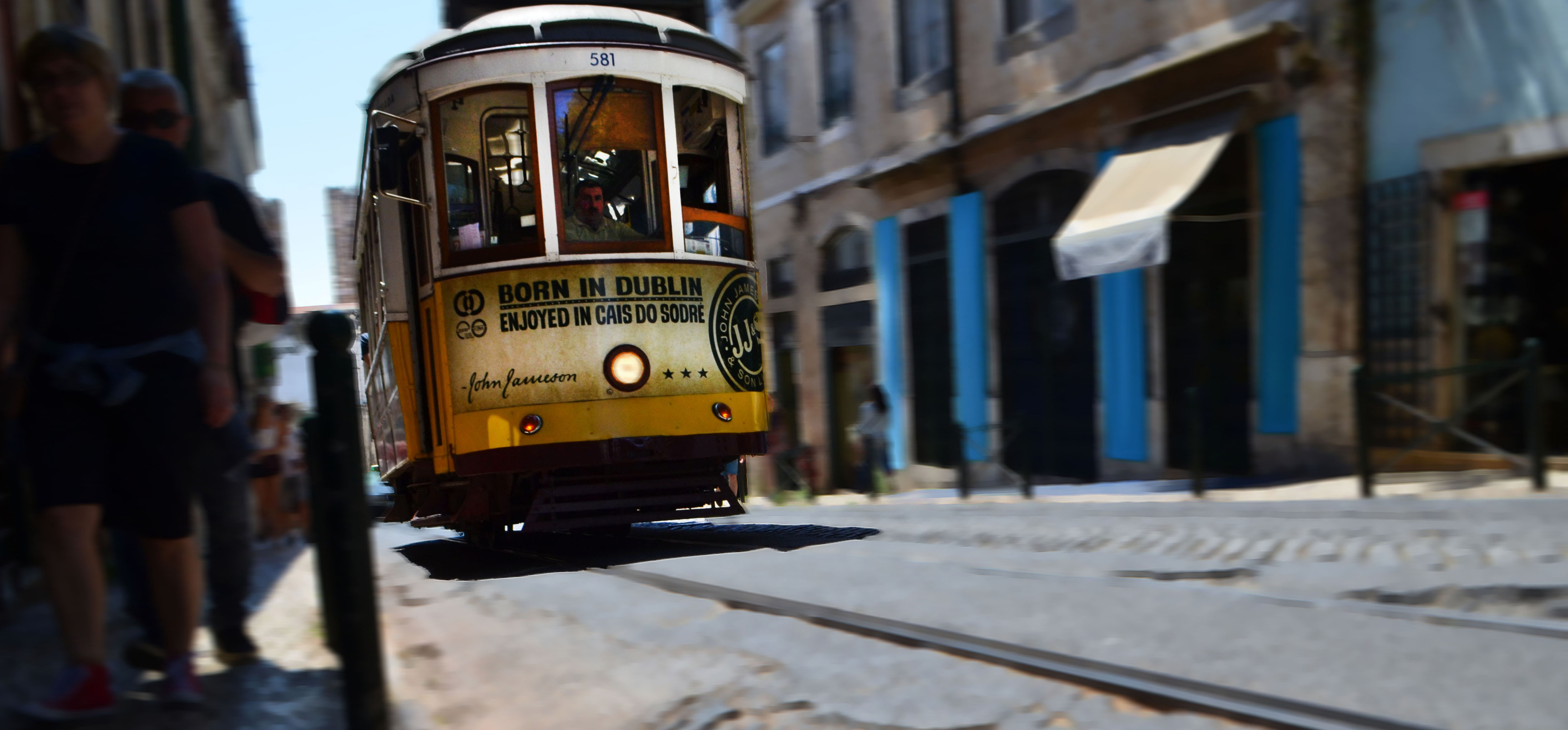
    The Remodelado tramsย wereย built in the 1930s, and I do recommend the veryย prettyย Tram 28ย route.ย You can jump off and explore one of the passing neighborhoods, or use it as a way to get up the steep hills. Highly recommended to do so, to explore the city. The route screeches through the hills of Alfama before passing through downtown Baixa and on to the Estrela basilica.

    Entrance fee: Single ticket for this 40 minute tour of Lisbon costs now 2.85โ‚ฌ whether you buy from the driver or ticket machine.DSC_052.jpg

  • Elevador de Santa Justa: An Antique Elevator With City Views

    A very odd-looking Santa Justa Lift, a neo-Gothic elevator and the most eccentric and novel means of public transport in the city, creates a very interesting panorama next to surrounded buildings. It was built as a means of connecting the Baixa with the Largo do Carmo in the Bairro Alto neighborhood, a trendy area of the city. At first glance, its riveted wrought-iron frame and battleship-grey paint conjure images of the Eiffel Tower in Paris, and there is a connection: the French architect Raoul Mรฉsnier du Ponsard, an apprentice of Gustave Eiffel, designed the elevator, which was inaugurated in 1901.

    Address: south east of Praรงa Dom Pedro IV (Rossio Square) in the Baixa district and the closest metro station is Rossio. In the city center.

    Entrance fee: A return ride cost โ‚ฌ5.15 and included in the fare is the entrance to the viewing platform, which costs โ‚ฌ1.50. Ride on the lift is included in the 24-hour public transport ticket that cost โ‚ฌ6.30 and can be purchased from any metro station.

    • Opening Hours: 7:30 AM โ€“ 11:00 PM (summer), 7:30 AM โ€“ 9:00 PM (winter).
    • Entrance fee:ย 
    • Round trip ticket: โ‚ฌ6.00 (includes access to the observation deck).
    • Observation deck only: โ‚ฌ1.50.
    • Lisboa Card holders: Free access to both the elevator and the observation deck.
    • Tram Number: Tram 28 passes nearby.
  • Main square in the city isย Praรงa do Comรฉrcioย 

    The main square in the city isย Praรงa do Comรฉrcio, a lively place with restaurants on both sides.

  • Cool down on the beautiful beach in Cascais

    Close by Cascais can be a perfect place for a break from the busy streets of the city. The beach in very beautiful and it is only 30 minutes away from Lisbon, so could be a perfect one day trip to rest, swim, get a sunbath and just relax.

    Train ticket: A single ticket from Lisbon to Cascais costs:

  • Adult: โ‚ฌ2.40 (single ticket)
  • Child: โ‚ฌ1.20 (single ticket)
  • Return ticket: Not available; you need to purchase two single tickets (โ‚ฌ4.80 for adults and โ‚ฌ2.40 for children).
  • 24-hour public transport ticket: โ‚ฌ6.30 (includes unlimited travel on trains, buses, and metro).

There are no return tickets so the price of a return would be โ‚ฌ4.50/โ‚ฌ2.30 (two single tickets).

During daylight hours there is a departure every 20 minutes. The first train departs at 5.30 from the main train station (Cais do Sodre). The last trains of the night depart from both Cascais and Lisbon at 0:30am, 1:00am and 1:30am. Here is a current timetable.

.

  • Sรฉ: Lisbon’s Imposing Cathedral

    Cathedral is a wonderful ancient complex that is steeped in history and no holiday to Lisbon is complete without visiting this magnificent monument.DSC_0553.jpg

    Address: Sรฉ Lisbon is situated on the main road from Baixa to Alfama. The nearest metro station is Rossio (Green Metro Line) but involves a 20 minute walk. Mini bus service 37 goes directly to the main entrance, while the tram 28 is more enjoyable option but does require a slight walk.

    Entrance fee:

    • Adult: โ‚ฌ5
    • Children (7โ€“12 years old): โ‚ฌ3
    • Children under 6: Free
    • Group visits: Prices vary; contact the cathedral for details.

    The ticket includes access to the High Choir, the Museum of the Treasury, and a walk through the naves and deambulatory of the church

    Open:

    • October to March: 10:00 AM โ€“ 6:00 PM (Monday to Saturday).
    • April to September: 9:30 AM โ€“ 7:00 PM (Monday to Saturday).
    • Sundays and Holy Days
  • Take the Lavra funicular to Miradouro de Sao Pedro de Alcantara as 2 in 1

    This is one of the most attractive viewpoints, with a pleasant garden and the castle standing on the opposite side. It is especially beautiful at night when the city is lit up below. Best to take the iconic Lavra funicular to climb up the hill of mirador.

    Address: Largo da Anunciada – Rua Cรขmara Pestana for Lavra funicular, then the viewpoint is just on a right hand side.

    • Entrance Fee: โ‚ฌ4 for a one-way ticket (โ‚ฌ2 for children aged 4โ€“10). A return ticket costs โ‚ฌ5.40 (โ‚ฌ3 for children).
    • Opening Hours: 7:00 AM โ€“ 10:45 PM daily, except Sundays when it opens at 9:00 AM.
    • Tram Numbers: The funicular itself is the Elevador da Glรณria, and nearby tram 24 also connects to this area.

    This funicular not only provides a convenient ride but also leads to one of Lisbon’s most beautiful viewpoints, perfect for enjoying the city’s charm.

    ย 

Best cycling routes around Atacama from San Pedro

ย  Cute little village, called San Pedro de Atacama, lies on a high plateau of Andes in the northern part of Chile. The area around creates the most outstanding landscape on the planet that includes deserts, volcanoes, geysers, hot springs and salt flats found only in this part of the world. Surroundings make the scenery around San Pedro to be worth seeing at least once in your life. Together with Easter Islands and Patagonia, stands as the top place to visit once in Chile. The area is known to be one of the driest places in the world which leads to the fact that there’s not much green around, yet the unique geology structure createsย there something so beautiful that is beyond anything, anything I saw so far. Not even mentioning that you can also easily see a magnificent milk way at night too.

ย Small town San Pedro,ย with population just under 4,000, tends to be a very popular destination, so it`s packed with hotels, hostels, restaurants, shops and anything travelers need really. Please be aware that beds are always in high demand, so you really have to book your stay in advance. I did not know about it, and I had to stay longer in Santiago to spend my new year there, not in San Pedro as planned. It happened because all was already booked up. I got there on 3.01.2016, and it was still full of tourists. Once you’re lucky claiming your accommodation, go to look around. Village is very small and feels very cosy. Whoever decided to name the streets wasn’t really in his clear mind, so you can get lost very easily at first, but after some time you will know your way around well. In the center you can have a good meal or just a nice coffee. You can buy some clothes, hats or a tasty local alcoholic drink, called pisco (actually Peruvians are a bit angry, as this drink has been made first by them…or so they say). The prices around main street are not so high, but clearly set for tourists. I have found a very cool little area to eat, in far east that travelersย don’t know about (you’re welcome). Meals there costย around 4$, are very local and very tasty.ย There are a few small restaurants (if you can call it like that) next to each other, and every single one got something different to offer. There`s one internet cafe in the center too, if you needed, and broadband is really not as bad as backpackers complain about! Apart from that, main street is loaded with tourist agencies. You can book loads of amazing trips there at a very affordable price. Please note that you need some spare Chilean pesos with you, as there is always something extra to pay on your trip (usually entrance fee). It’s good to book few. However, for me, the highlight of my stay turns to be cycling around Atacama Desert. Except for 3 days tour I took around all lagoons, geysers and salars, but that was on Bolivian side, so I will writeย about it in section about that country.

ย ย Cycling. You can hire a bike literally on every corner in San Pedro. They are in a very good condition, and you are getting an extra gear with them too (spare tube, helmet, pump and map). Prices are not so high, andย they do depend on length of time you are planning to rent your bike for, and the quality of your vehicle. You can hire it fromย an hour up to 48 hours. Loads of hotels do this service too, which makes it easy to return it and just to go straight to your room after. I used one agency to rent and once my hotel, and prices were very similar. As far as I remember, it was around 6-8$ for the whole day. So, as I mentioned, you will be given a map with routes you can do. It really is easy to find your way around, but please keep your map with you, as you wont be meeting loads of people on the way to ask for directions. Take also loads of water with you. It’s a very hot area, and climate is extremely dry. Stuck up on some snacks too, shops are only in San Pedro! The fieldย is elevated, so better to use sunglasses and sun protection cream. Now…AGAIN! I have lost all my photos from this beautiful place. I realized that while writing this blog. I was devastated, and I almost cried. I really captured such an amazing moments, areas, friends, and I took really great photos! This place is so so special for me. I have only few from my phone left. It is the same situation, Iย have had with my photos from Mexico and Belize when 2/3 of my pics just disappeared from my SD card, just like that.ย Did anyone got the same problem? Can I fix it? I still got all my SDs,ย and they are full, so photos are there, somehow. Help me readers, you’re my only hope!

Routs

  • Valley of the Moon

ย  ย Valley of the Moon, or Valle de la Luna, as a part of theย Salt Mountain range, is one of the most visited places in San Pedro area.

The name,ย probably, came from the fact that the place really looks like from different planet. The whole plateau does! The valley isย accessible from the town by car or bike. It is only 10 kilometers away, and you will get there via main road. There are loads of signsย on the way pointing directions towards valley, so you will easily find yourย way. You could walk too, but the whole area of the valley is quiet large already, so you might get tired a bit. The valley also got a spot where you can do a sun-boarding. The entrance fee is just 3,000 Chilean pesos, that’s around 4.5$. The groundย around is so dry that there are no any living creatures. So again, remember to take plenty ofย water with you. Well, as far as I remember, there is a little shop by the entrance too, in case you will run out of drinks. With your ticket you will get a map with all highlights on it, so even with no guide you wont miss anything. I don’t even want to start here how things are looking around there, because I know I already use word “amazing” way to often here. Basically, you will see few beautiful canyons, sandy desert, unusually structured rock formations, snow looks-like a ground (minerals under the soil are responsible for the white cover) and caves.ย Here, I have to say that after the earthquake in Nepal, I was a bit scared to go trough that tiny little dark caves, but I got over the fear while half way trough there. With the tour, you will end your trip watching the sunset over the amazing valley. So, as you know by now, I did book my tour to see the valley, but I also got there one day on a rented bike. Two ways of doing so got pluses. With tour you will go with a nice group and a tour guy. He will take you in some caves too.ย Butย while cycling thereย alone, you will be very flexible.

You will stop anywhere you like, and you will lose loads of calories, as there areย loads of hills to climb. The big minus is that after the sunset its dark, and you will have to cycle back like that. The climate, like geological structure, is diverse too, so as soon as the sun is gone, it`s getting very very cold very very quickly. To be honest, sunset over the valley is something you can’tย  miss. Well, anyway, you will decide! I guess it is worth doing it twice in both ways, if you have a spare time there. Why not to see the magnificent scenery twice.

  • Devils Throat

ย Devils Throat is the name ofย a cycling path around another stunning valley. The entrance is just little bit further from Pukara de Quitor, on a right hand side. The trialย is 18 kilometers long, so with the road back it`s 36. Everyย company, you will hire your bike from, will give you the map with the road on it. It is a very easy and pleasantย path, a bit rocky at times, butย mostly flat. Just in few places you will faceย some hills, but they are not so high at all. The land around is a bit green, with the little river that will accompany you trough the whole trail. You can see some houses on your way (watch out for angry guarding dogs :).

It really is amazing that people lives in such a peaceful and remote area. Just to warnย you, that there will be no phone signal, so cycle carefully please. I did this trial with my lovely friend, I’veย  met on the top of Pukara de Quitor, Dorit. So anyway, because I was not alone, we let ourselves a bit, and we went way further than the Devils Throat trial. We crossed the river three times, holding our bikes in hands, and we got, probably, where not many tourists go. And really, again, watch your way around. I still have a big scar on my knee as a souvenir from there ๐Ÿ˜€ The whole experience was amazing, and the hills around your way will make you breathless. Me and my friendย both had shoes and pants wet, but who cares. The area is so dry, nothing stays wet for too long. Dryer is definitely not needed for locals there.

  • Pukarรก de Quitorย ย ย ย 

ย  So what stands behind this funny name? An archaeological site just north of the town. It is so close (3 km from San Pedro) that you can easily do it with Devils Throat in one day. The side is looking interesting even without the ruins. But they do add the ancient vibe to the area. It`s known that it has been structured by precolombian Atacameรฑo people as a fortress against Inca people.ย The road there is very straight forward, and even I remember it by now, a year after. Just cross the river on the north-east area, to take the road along the bank of the stream. Then after some time, you should already see the signsย pointing the direction. The entrance to the park is very affordable at just 3,000 CLP. You can find there also a small museum with some artifacts that have been found in the area, and a brief view of the history of the place and people who lived there and created it. There is also a place to lock your bike. The ruins are all over the little hill,ย you will hike. To be honest, it is not so spectacular as rest of the valley, but you can learn loads of interesting facts by reading all the descriptions. Once you’re done with it, please hike a bigger hill just next to it. At the top you will find a mirador (viewpoint), that will give you the opportunity to look at beautiful valley beneath. The road to the top, again, is not difficult, takes around 30 minutes, and its build ofย rocky steps. At the top you can find a little structure and some faces sculpted in the rock. They look pretty cool. When your eyes feel satisfy with the surrounded view, you can start heading back to San Pedro for a tasty lunch to satisfy your stomach now :p

Few days in vibrant Kathmandu

ย  ย Itโ€™s amazing how well I always knew what kind of areas in the world I would like to see in the future. Nepal was on my list as a very first country to visit since I was very young. Something was always telling me that it is probably one of the most fascinating and astonishing places in the world. What I wasnโ€™t sure about was the wonder, if I will ever be able to go there. Fortunately, I did get a chance to visit this truly diverse land with the highest mountain range in the world. I wasnโ€™t mistaken at all, as I found there everything, I always imagine I wouldย find. Even that I was in Kathmandu during the earthquake didnโ€™t change my experience in any way. I witness how Nepalese truly helped each other during and after the disaster. For this, and loads of other reasons, I consider Nepal as a small Asian country with the big-hearted people.

Landing in Kathmandu and getting around

ย  When it comes to the international airport, it is probably one of the oldest and smallest Iโ€™ve ever seen, but then the size makes it easier to find your way around. I arrived in April from not so warm Europe, so the heat struck me straight away. After 2 hours in the long queue to get a visa, I was finally able to see the other side. I picked my bag from the floor somewhere, and I left happy and glad it didnโ€™t get missing. Stepping outside, I quickly spotted how overcrowded and chaotic this city is. Thisย helped me to make a quick decision on not trying to work out how buses run, but just to take a taxi. The situation on the road can be really shocking for someone who has never been in Southeast Asia before. The jam, noise, unclear driving rules and no traffic lights makes you wonder how on earth Nepalese getting around on a daily basis there. The car or motorbike can drive everywhere where it fits, even through a tiny tiny streets, so better have your eyes around your head. Watch out also forย what locals transport on their motorbikes or bikes, as It can be something four times of a vehicle size, so be aware of the situation around you to avoid being knock down by something. I wouldnโ€™t recommend walking while listening to your music either to avoid any accidents.ย I would definitely suggest to get your accommodationย in Thamel. It is the most touristic area in Kathmandu. I am always trying to stay away from this kind of places, but thereย is just way different. You can meet loads of amazing backpackers, trekkers, travelers and volunteers to talk to, to share your experience with. Locals are very friendly too, so you definitely wonโ€™t get bored or lonely there. Shops and restaurants are on every possible corner, but always have cash with you. Itโ€™s very unlikely to pay by card, maybe just in posh hotels and restaurants. Also if you will see a cash machine, use it. Thereโ€™s not so many of them around. Some of them may not work and some may not accept your card. Iโ€™ve had a Visa and MasterCard, and I wasnโ€™t always able to use the first one, but with the second Iโ€™ve had a better luck.ย 

Food

ย  Try to sample as many new things as you can. For me everything was very delicious and packed with wonderful flavors. It is a heaven for Asian cousin lovers, like myself. People who sell meals on the streets really mastered theirย cooking skills. They make it very local, very unique, always fresh, and usually made in front of you.ย I have to add that I’ve met few travelers that complained about experiencing someย stomach problems after, but not me. So maybeย try to find a golden line between cleanliness and vibe of authentic local street food. Momo`s are definitely must eat there. They are very traditional and you can have them with many different fillings and sauces.

I am from Poland, and they do remind me of our dish called pierogi. I wonder if thatโ€™s how they came to us through the Russia first.ย  Apart from them, rice and noodles are probably most popular. Itโ€™s like a fusionย of Indian and Chinese food. They all come in good vegetarian range too. If you like a late meal you will get even a better choice, as loads of street stands are open only in the evening. Itโ€™s good to have a supper around that time, as you will meet loads of travelers around. The only problem there is lack of the streets light, so visibility depends only on shops and restaurants neons. It could be a problem sometimes, as often on some streets, Iโ€™ve had to walk in total darknessโ€ฆ.alone…brrr.

Transport

ย  If there are loads of things you want to see in one day, hire a motorbike. It really is very cheap, around 10ยฃ for a day, and can save you loads of time. You can get a bike too, but it can be difficult to ride it on all these small streets full of people. Otherwise, not much for me to say about public buses in capital, as I haven’t used it at all, relying just on my private transport – my legs. However, three main bus station are present with buses that connect cities and towns in Nepal. All a little bit chaotic, but by keep asking, you should eventually find the one you need. No worries if you will take a wrong one, everything is worth seeing in Nepal :D. More or less, Nepalese are good with English and always happy to help! First bus station (also called the Kathmandu Bus Terminal, or simply โ€˜new bus parkโ€™) is located at Ring Road, Balaju. It is basically for all long-distance buses, including the one to Pokhara and destinations in the Terai. Kantipath bus station (if you can call it like that, as buses are just parked on the side of the street) seems less confused (but still a bit!), and is located very close to the Thamel area on Tridevi Marg Kantipath, the main road running north-south at the junction where the Garden of Dreams is. There`s not so many buses leaving from there, so makes it easier to find your way around. I took my bus from there to Pokhara that leaves everyday around 7 am. You do not need to book in advance, but can be busy sometimes, so you may, just for the peace of your mind. This bus station is only in use early morning. Later in the day there is zero buses around. Green Line Bus station is a private company that provides better comfort at higher price. Usually they operate minivans with aircon and include a meal. Terminal can be found at Greenline bus park opposite the Garden of Dreams on the edge of Thamel.

ย  If you are looking for some trekking experience or any other trips, you can find all you need in Thamel that is packed with agencies. You can book your bungee jump, see some caves, discover the areaย around Kathmandu Valley, book a plane to see someย of the 8000 high peaks. I did buy few, but they all been cancelled after the earthquake. Especially I am sad that I`ve missed a fly around the Himalayas. If you have a few spare days, go to see the Chitwan National Park, a World Heritage site since 1984. Its is a jungle with rich range of fauna and flora species, also a Bengali tiger. Loads of Nepalese, I’ve met, were pointing this wildlife areaย as a number one to see. You can stuck up on proper gear too there. If you like a good brand staff, they are a little bit cheaper in less touristic areas.

ย  For more about what to see in Kathmandu please click here, otherwise pack your back, book your fly, and off you go!

The capital of murder, my trip to El Salvador

ย  Writing blogs like this one gives me an amazing opportunity to achieve three important things. First, and probably most important, is that it will stay as way of a souvenir, to remind me places I was fortunate to visit. I recognize the second reason as a possibility to share my experience, tips, thoughts and observations with other travellers or readers. And last, but not least, is the fact that while writing all my memories, or at least most of them, they are coming back to me again like a wave, like a wind of all those things I saw, touched, felt and tasted, almost experiencing them again.

ย  ย Glad I finally can introduce, thought, just in a small part, El Salvador to you. Place that currently holds, said in a nice way, a very uninviting title of being one of the most dangerous country in the world. Somehow, yet again, from my experience, numbers can lie or twist the first impression. Salvador, the smallest country in Central America, where one person get killed every hour, became to be my favorite place in this part of the world. I guess the fact that I found locals to be the friendliest, along with the tropical beauty around, helped to crashed the general opinion in my head. Yet on another side, this Centro-american land is apparently well known for experiencing some of the highest murder rates in Latin America. It is also considered as an epicenter of the gang crisis, along with Guatemala and Honduras. Organized crime in El Salvador is a serious problem. It is estimated that around 36.000 of people belong to the gang. Efforts to understand or deal with this phenomenon have been insufficient. As mentioned, I am glad I visited Salvador. It really was a pearl while traveling around Central America. However, I had to start with cold information, just so you will research well areas you’re planning to visit. This should help you to prepare better for your trip and to stay safe.

ย  ย Probably not the best statistics to start with, and a breaking reason for many not to visit this country. But let me tell you something, I traveled around there as a solo female,ย staying even in a very rough areas of capital and Santa Ana, and I could not, literally, see any good reason not to visiting this country. I stayed in El Salvador for 2 weeks in April 2016, twice in capital and once in Santa Ana. I traveled only by public bus, always being alone. Lack of English-speaking people around could be a problem indeed for many of us, but just with very basic Spanish, like I’ve had, you will be fine. It is probably also good to mention that 95% of the deaths take gang members only and, I am afraid, police force too. Having said that, many youngsters are just simply forced to join the crime world. However, with good attitudes, like not walking after dark, or in some dangerous ares, you will be very safe, and you will love Salvador, like I did.

Reasons why I loved Salvador most in Central America

Locals

ย  Kind, generous and so helpful people, that I’ve met during my backpacking in Central America, I found mostly in El Salvador. Either it was in a hotel, on the street, in the restaurant or just in the bus, people were always smiling to me, trying to help, chatting. They were very interesting in me, wanted to know where I am from, why I came, and how on earth I am alone here. All these factors made me feel very welcome. I received loads of warmness from many true hearts. I just could not imagine a nicer nation, I think even in both Americas. I will always remember all those guards with shotguns on the street always calling me to wave and say: buenos dias Anna, como esta. I was probably one of a very few tourists they saw before, as I never stayed in a touristic area, yet they weren’t reserved in any way towards me. Police were always stopping and asking me, if I need a lift anywhere, people smiling all the time which make my whole experience just perfect.

Landscape

ย  El Salvador is the smallest country in Central America. It has 307 km of coastline along the Pacific Ocean and the Gulf of Fonseca, and it is situated between Honduras and Guatemala. The topography of El Salvador contain mainly mountains, but the country does have some narrow, relatively flat central plateau. The highest point in is Cerro el Pital at 2,730 m, and it is located in the northern part of the country, on the border with Honduras. Because El Salvador is located not far from the equator, its climate is tropical in nearly all areas, except for its higher elevations where the climate is considered more temperate. Lakes and volcanoes can be found in many areas too.

Rich range of a street food

ย  As a one of the poorest countries in Central America, gastronomy business creates some earning opportunities for many locals. You will just never get hungry in Salvador, as food stands are available on every single corner in every possible place. Vendors do offer a wide range of many meals from a very local snacks (pupusas – hand-made corn tortillas stuffed with various fillings such as beans; tamales-corn dough pockets that are served with different fillings like sweet corn, cheese, meat or dried fruits; pasteles-fried dough patties filled with meat like chicken, pork or beef and finely chopped vegetables; soups), along with more western options like chips (here eaten with mayo and cheese – see Germans, you’re not the only one:), burgers, pizzas; and finally finishing at any kind of shakes, natural fruit juices and many different sweets to pick. Any stomach will be satisfied in El Salvador.

Santa Ana Volcano

ย  One of the most amazing places I have seen in my life, definitely in my top five. For more info about volcano, and how to get there by public bus, please click here.

Cost line

ย  307 km of coastline along the Pacific Ocean contains a sandy beaches with beautiful tropical flora around. Coast is also well popular among surfers.

Cheap prices

ย El Salvador is one of the cheapest countries in Central America. You can travel on public transport in the cities for maximum of 0.25$. The bus from capital to Santa Ana (2h of journey) cost as little as 1$. Hotel`s bed with bathroom can be found from 10$. Breakfast or lunch found on the street from 1$. Good place to buy some clothes at a very low price.

Just remember to

ย  Please note, if you are planning on going to El Salvador, do some research on area you will be staying in. Most of them are just fine, but few are controlled completely by gangs and nobody can access them. Police is not welcome there, if a solo officer will go to that part of the town, he will get instantly killed.

ย  Never walk after dark and try to avoid not crowded areas. Do not flash with your valuables like phone or camera, as thieving is very common generally in whole Latin America. Eh, that’s the reason I don’t have many photos from there.

Understanding a daily life in San Salvador

ย  But please do understand that people of El Salvador struggle on a daily basis. As much asย  part “what I loved most” of this blog can sound as a fairy tale, we have to recognize that people of this country are in constant fear of being murdered or abuse in any way, especially young males. Here, I have to add that you as a tourist are very safe, way safer than locals. They are just not as fortunate as you are. Again, poorest people, like everywhere, are at greatest disadvantage that are forced to live in roughest areas where violence occur on a daily basis. A large percentage of the population lives under the poverty level, which means their chance for a decent standard of living is low. Their situation is so bad that many of them risk a dangerous trip up to the United States to look for better opportunities.

ย  Every private business have to pay a tax to one of the gangs that control the area or street. It is normal to see a dead body on the road sometimes, and that almost every shop got his own bodyguard with a shotgun, rifle or machine gun. Guns are visible pretty much everywhere, and are normal even for children. In western countries you can see a non-smoking signs, when in El Salvador no-gun sights are everywhere. Some people are forced to travel at night, which is a very dangerous thing. Many have witnessed a murder or are accused of snitching to authorities, while others have been evicted by criminals who wanted their home. Those with money or relatives in safer areas often seek refuge within El Salvador. Young girls tend to get pregnant at a very young age, just to avoid being claim by the gang members. It is well know that police and government is highly corrupted. Having said that, being a part of a force, is probably the most dangerous job to do as of war between gangs and the government. Fear is notable almost everywhere, buses are full of holes from bullets. Gang members are on every street, patrolling their territory, making sure money are collected from ย business owners, and the collectors are usually under 12 years old.

ย  So this is a daily life in El Salvador, the country I felt in love with. As much as I hope to visit again, I would love to see the improvement on many levels, especially in crime rate and economy. Yet again, please note that this is one of the most amazing countries in the world. With a proper attitude you will be just fine, and you will experience and appreciate the people and the land, like I did.