Funny things we have learned from backpacking

Alright, buckle up, buttercups, because we’re about to embark on a whirlwind tour of… well, travel! Prepare your funny bones and your passports, because this blog post is about to get as lost as your luggage.

Travel: The Art of Being Wrong in a Foreign Country (and Loving It)

So, you’ve decided to travel? Congratulations! You’ve officially signed up for a masterclass in miscommunication, questionable street food, and the eternal quest for a decent Wi-Fi signal.

First things first: Pack light. (Said no traveler ever.) Seriously, though, try to resist the urge to bring your entire wardrobe. You’ll end up lugging a suitcase the size of a small car, and trust me, that’s not a good look when you’re trying to navigate cobblestone streets.

Next, embrace the chaos. Getting lost is practically a rite of passage. Consider it an opportunity to discover hidden gems, practice your charades with locals, and maybe, just maybe, stumble upon the world’s best gelato. (It’s a real possibility, folks.)

Language barriers? They’re your new best friend. Learn a few basic phrases, butcher them with gusto, and prepare for a lot of laughter. The locals will appreciate the effort, even if you’re ordering “two pizzas and a goat” instead of “two pizzas and a Coke.”

Food: Be adventurous! Try everything! (Except maybe that suspicious-looking thing from the street vendor. Use your judgment.) You’ll discover flavors that will blow your mind (and possibly your digestive system).

Finally, remember to relax and enjoy the ride. Travel is messy, unpredictable, and often hilarious. So, go forth, explore, and make memories that will last a lifetime… or at least until your next Instagram post. Happy travels!

Buenos Aires-Uruguay by ferry

 It would be a crime not to pop in to any of Uruguayan cites or towns while in Buenos Aires, Argentina. Especially if you will fallow my way of thinking: “common, you may not have this occasion in your life again”. Visiting close by Uruguay is well easy and well possible, but that, of course, if you have some spare time. There are few available options of transportation to get there from Buenos Aires. Apart from the bus, that can take you everywhere in South America, you can fly (very expensive and a bit pointless) or just take a ferry. Here, we will look in to the last mentioned option, simply because I used it for my one day trip to Uruguay, to Colonia del Sacramento specifically. Ferry, apart from being nice option for a trip, can be a great way to move to your next location while travelling around South America. I guess buses are the cheapest option, and there is loads of info about timetables and prices online, so I will just concentrate on the water-path. The ship, as a way quicker option than bus, can be also a great break from bus traveling, as if you are backpacking, like I did, you will be spending loads of time in them, I mean looooads.

 So basically, you can choose between two kind of trips (places) you can reach by ferry. First one will take you all the way to Montevideo, capital of Uruguay. Second, to Colonia del Sacramento, a cute, quiet and small colonial town by the cost. As stated before, I took a trip to Colonia, but definitely would pick Montevideo over now. You can also see both, if you have time of course, as from Colonia you can catch a bus to capital that takes just 3 hours of journey. Please note that these companies do operate between other towns and cities, but Montevideo and Colonia are, in my opinion, best one to see.

Companies, service and routes

 The Buenos Aires – Montevideo or Colonia del Sacramento ferry route is currently operated by 3 companies. The Buquebus service runs up to 13 times per week, while the Colonia Express service runs up to 3 times per day. The Seacat company is the third option to choose from.

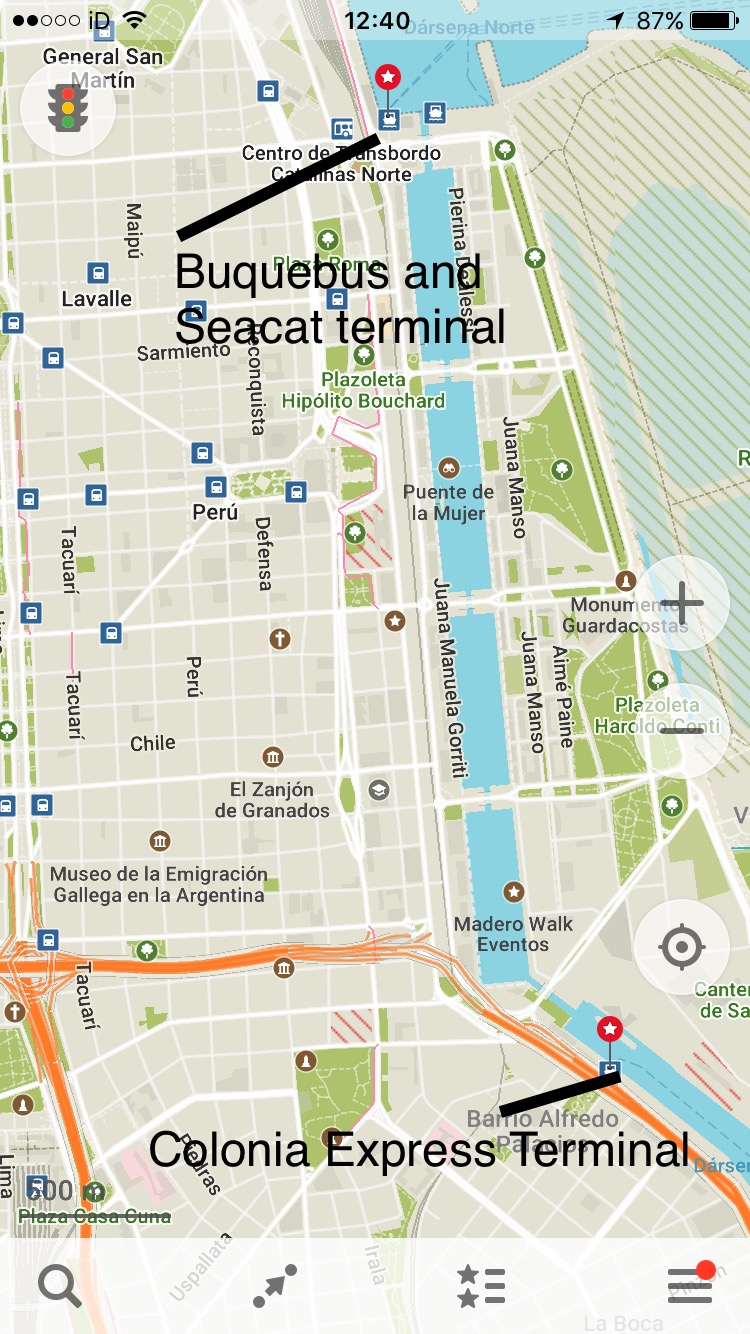
Buquebus provides two services to Colonia del Sacramento – one faster and more expensive, and the other is slower and therefore cheaper. The faster Buquebus catamaran ferry (1h15mins) is usually quite crowded with day tours and travel groups.IMG_2588 Cheaper prices are well possible to find when booking in advance and online. The fast boats have a free wireless internet. The slower boat takes about 3 hours, and it is the one I took. However, checking now the web page, I can no longer find this service. Shame, I really loved my 3 hours on the endless sea. Both kind of boats have a restaurant, cafe and an off duty shops. Buenos Aires to Montevideo service takes 2h15mins and arrives at the Ciudad Vieja district of Montevideo, situated very close to the downtown. Terminal (dock) is located at Antártida Argentina 821, Puerto Madero, Buenos Aires (same as for Seacat).

Colonia Express takes roughly 1h to reach Colonia and 3h45mins to reach Montevideo. There is no wifi provided, but there is a duty-free shop and a small bar selling snacks and coffees. Terminal (dock) is located at Av. Elvira Rawson de Dellepiane 155, Puerto Madero Sur, Buenos Aires.

Seacat ferry to Montevideo takes 4h15mins, to Colonia – 1h. Termina is located at Antártida Argentina 821, Puerto Madero, Buenos Aires (same as for Buquebus).

Prices as of July 2017

Busquebus (webside here) is the most expensive and offers one way economy class ticket to Montevideo from 93$. However, return ticket starts at 43$ (can’t believe I picked this company!). Day trip to Colonia cost around 80$ (same day return) economy class fast 1h15min boat, which doesn’t seems like a great discount, as a single journey starts from 47$.

Colonia Express (website here) offers a day trips (with return the same day) to Colonia that cost from 70$ (the cheapest) up to 115$, depending on time and day. One way to Colonia cost around 38$ in the cheapest economy class. To Montevideo, one way ticket cost around 45$ in the cheapest economy class.

Seacat (webside here) day trip to Colonia (return the same day) ferry cost from 75$ (economy), and it seem to be a steady price. Buenos Aires-Montevideo cost 43$ for one way cheapest economy class.

Buying a ticket

  It is not necessary to pre-book your ticket online, but it can save you some money, and it is a good idea during a holiday when loads of people travel on this route. Buying in advance can also save you some stress, as there might be a long queue to get a ticket just before the departure. As mentioned, you can purchase your ticket online, thought the web page for Busquebus is very poorly designed with a very misleading currencies in dollars. However, if you are not in Buenos Aires, it is best to book and buy online before the departure. My hostel was very close to the Busquebus terminal, so I just walked there, and I bought a ticket at the agent located inside. I can’t say stuff speaks well English, but we closed the deal without any major hassle. You can pay by cash or card, and as far as I remember, I purchased a day return the cheapest option to Colonia (3h of journey each way) and I paid around 70-80$ in total (December 2015).

Remember to check-in

  Please do remember that this is an international journey that required you to check-in at the doc with your passport and bag, if you have one. Same as at the airport, you will have to get in a queue lane towards your check-in desk. You should also be at the terminal at least an hour and a half before the departure for immigration purposes etc. Your passport will be checked, but you will get stamped after check-in, but before waiting area. I can’t remember seeing off duty shops there, but they are at the ferry, with a very good prices, especially for cosmetics. Liquor is also available to purchase.

Time change

 Please do keep in you mind that a time difference between Uruguay and Argentina, with Uruguay being ahead, is one hour. Important to know the proper return departure time. I wasn`t aware of it, and I arrived at the dock an hour ahead, when I could enjoy the Colonial old town longer.

Last tips

  • Argentinian pesos are widely used in Colonia. I paid in the restaurant by them for my bill.
  • Very cute touristic old town in Colonia by the cost is easily accessible just on food, so no need to take a taxi.
  • For a budget backpacker is better to get your own food and take with, as restaurants in Uruguay are very expensive, with pizzas and burgers starting at 10$, as the cheapest option. You can get a snack with you for the time of journey too, as again, restaurant inside the ferry is very pricey and, to be honest, not the best one.
  • 3-4 hours is more than enough to visit Colonia del Sacramento.
  • If you plan to pick Montevideo over Colonia del Sacramento, which I really think is a better option, you need to stay a minimum of one night in capital to do a proper city-seeing, unless going very early, returning with the last service.

  • Please consider buying a ticket in advance for weekends and the peak season (Christmas until the end of February).

Tikal, then back to the future

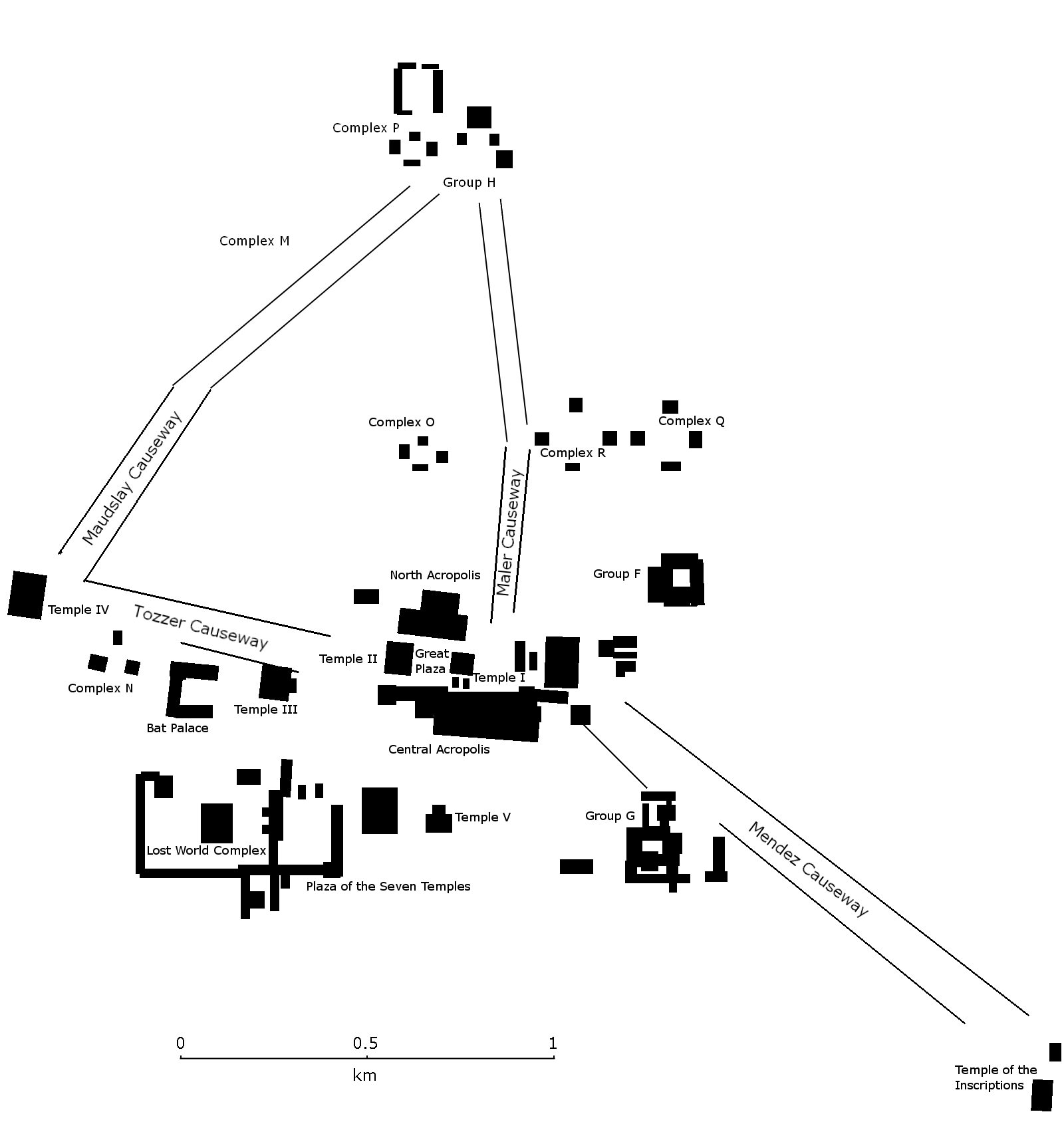
  Seeing three, planned just one. Who and how? Me to visit not one, but three major ancient remaining sides of a magnificent Mayans (Tikal), Incas (Machu Picchu) and Aztecs (Teotihuacan) empires. Pretty great thing for someone who always was interested in archaeology. As a great Star Wars fan too, along with discovering the ruins, I could put my foot on one of the locations used in Episode IV and Rogue One movie. Day tour to Tikal definitely was one of favourite days in Guatemala. Despite the fact that I took an organised tour, it still felt very adventurous walking in the jungle discovering structure by structure, temple by temple. Hiking some of them, and finally finishing the whole tour by watching the disappearance of the sun in to the rain forest above, from the highest Mayan`s construction on the side. Remainings, in combination with Tikal`s remote location, create a mysterious atmosphere that only few other Mayan sites possess. These temples signify are one of the most important Mayan cities that dominated much of the Mayas world politically, economically, and militarily for centuries. The impressive structures lie scattered around the area. Today, many ruins are still covered by jungle. Tikal is just spectacular with their mystery labyrinth of limestone structures. You can wander around for hours. From a grassy central plaza alone through palace courtyards and bedrooms, or scramble up the north acropolis, with its jumble of temples, stumpy, pillar-shaped altars and carved-stone stellar, some with hieroglyphs still visible.

 The side is best enjoyed as an organised trip. They are very affordable at just 10-15$ for a day tour to Tikal, and that includes transport and guide. The ticket to the side cost around 20$. Having a tour guide, in my opinion and in this case, is very important, otherwise you can miss on loads of information. It is also good to hear the history from local blood. You will be given enough time at area to properly look around and discover the park. Trip can be book in most of the hostels/hotels and tour agents. Flores is just full of them, and prices, as well as trips, are very similar, so no point to look around for too long. You can either book an early morning one, or an afternoon one. The first trip offers experiencing a raising sun over the park, but please note that it is watchable from the last and biggest temple, so I really think its best to leave it to the end. Not even mentioning that you will have to get up very early, and the price is also way higher. The afternoon option offers watching a sunset, so you will basically spend a time at the side, walking around the jungle, discovering loads of temples and structures, to finally finish at the biggest one, waiting for the beautiful time of even more beautiful sun disappearing in to magnificent panorama of temples and rain forest. I really suggest to book this trip, unless of course you have to rush. However, if you prefer to do it alone, you can catch a bus that goes there. Regular second class buses leave from the Santa Elena (located south from the Flores island) bus station to Tikal at 06:00, 06:30, 07:00, 08:30, 10:00, 11:30, 12:30, 13:00 and 15:00 arriving two hours later. It cost around 4$. A bus will stop in Tikal between 16:00 and 16:30 and continue onward to Uaxactún. The local buses do not run on Sundays. Beware about buying a round trip ticket from “Exploradores de la Cultura Maya” from the Santa Elena bus station as they may sell you a return ticket for a bus that doesn’t exist. The park’s main gate opens at 06:00, and officially closes at 18:00. Good advise is to take with you as much water as possible, 2-3 liters, before entering. I don’t think I have to explain you how hot is in this part of the world, not even mentioning that you will spend about 5-6 hours at the side, climbing some high temples. There are no shops inside, only, if you’re lucky, one man got a stand next to the highest, and last (!), temple with some drinks to sell. Whatever way you will choose, the main thing is to visit Tikal! It is a number one attraction in Guatemala, kind of a “Machu Piccu” of Central America. It is really amazing to discover how the pyramids were build, along with other structures, hidden in the jungle. To experience and access the ancient world. Its like going back in the past, but without DeLorean and a crazy doc.3101

Say hello to my little friend

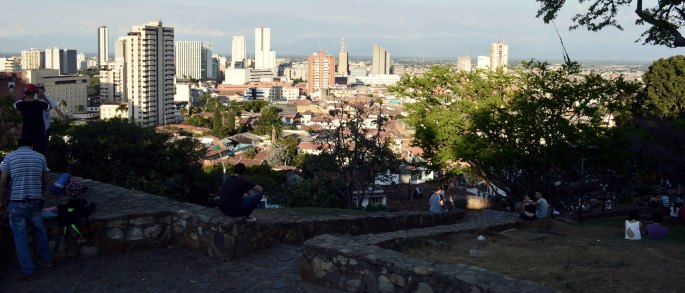
  Learning salsa, visiting places, meeting new people, chatting with locals, enjoying night life. My time in Colombia was definitely beyond my expectations and came as a highlight. I just wish I could have more time to spend there. As just of my 12 days slot before flying to Panama, I could only see Cali and Bogotá. Sadly, I had to skip Medellin, the city I always wanted to visit. However, I`ve had enough time to absolutely fall in love with locals. They charmed me with their kindness, passion for dance, music and general love for life. Thought, Latino are well known for being very enthusiastic about dance and music, yet they still managed to surprised me how much they really do love it, and how important it is in their lives. And here we are in Cali, the city where salsa is coming from. Walking around, high on a coffee, I was able to truly discover this, once one of the most dangerous in the world, city. I saw people enjoying their life, dancing on the streets, being always surrounded by the music that could be heard from cars, houses, phones, cd players, literally from every corner. You really have to try hard to find a quiet place there. So many things happen always around, leisure areas are usually full of people. This can be hardly found in busy western countries that seems so grey next to colourful and vibrant Colombia. I met loads of local friends there along with other travellers. Not surprisingly, they all said that Colombia was one of the best destinations of their backpacking trips. I am just hoping, I will go back to to this country. There is still so much to experience and discover for me. Hopefully one day…

My highlights

  • Enjoying live events in Parque Artesanal Loma de la Cruz.
  • Watching Colombians dance salsa on the street.
  • Lunch in mercado with just locals.
  • Late night in Salsa Club, where I learned to dance it.
  • Starting every morning with the best coffee in the world.
  • Chilling on the hill around San Antonio Church.
  • Enjoying rice and beans almost as good as in Brazil.
  • Hanging out with Manu Chao crew, as they stayed in my hotel during his tour.
  • Few scary night walks back to hotel.
  • White rum with Russian version of Jack Sparrow (hello Anton;).
  • Sweet bamboo juice.
  • Making loads of amazing friends.

Titicaca Lake, Copacabana vs Puno

  Holding the title of the highest navigable lake on the planet, as well as on my list of the most beautiful water basins in the world, tucked away high in the Andes between snow-covered peaks, Lake Titicaca is one of the most popular places to see in South America. Known for its unique panorama during the day and the night time, crystal-clear air and water, combine with mountain range around. Believed to be the birthplace of the first Incas, along with the sun, moon and stars, when creator came out of the lake.

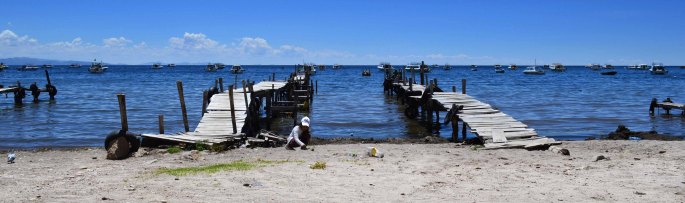
  The main two bases to explore Lake Titicaca (and other sites in the region) are Puno, in Peru, and Copacabana in Bolivia. I did visit these two mentioned towns, and I stayed a minimum of two nights in each, which gave me some time to look around and discover them. If you’re backpacking and having loads of time, you can stop in both to see the Bolivian and Peruvian side of Titicaca, as they are very different. However, if you’re rushing a bit, I would definitely suggest staying just in Copacabana in Bolivia. Why? Well, for few reasons really. From there, most tour operators run a day trips to the Isla del Sol, with a quick stop at the Isla de la Luna. Bolivian town is way smaller and cutter. Very touristic too, which I don’t always like, but can be handy when it comes to accommodation and organized trips. Lake is looking really amazing (way better) from this side as well, you can hike some mountains around to spot the stunning panorama of the pool and surrounded areas. In Puno the lake side can`t be really accessible properly, there is no beach to sit and enjoy, and there’s not so many hills from where you can get a good grip of Titicaca. Having said all that, I loved Puno for its truly Peruvian vibe. There is loads of street food stands around, loads of mercados to grab a very tasty local meal, stand with fresh fruits, vegetables, colorful ladies with coca leafs…everything really. 

This can not be found in Copacabana, I was really struggling there to find a proper local food, and once I even ended up ordering a pizza. Not so cool. However, It’s just a food, and I think exploring the lake is the reason we are there in the first place, so again, that points us towards Copacabana over Puno. There is also loads of hotels by the lake (I was lucky to be in one), when in Puno you can hardly find any so close to the water. So I think we have a winner at the end-Copacabana. However, again on another side, Puno hold a very strong argument of having a famous Floating Islands, a must see while there. Yet, I think the trip can be booked from Copacabana too. The other reason (to cheer you up really, if you cant do both) to stay at just one place is the fact that any route you will take to get there, you will be able to have another good look at the lake, as streets are usually around the lake. If you will come from  La Paz, like myself, to Copacabana, you will even cross Titicaca on the boat.

Verdict:

Just for the lake and islands Copacabana is a winner, but if you want to feel the true vibe, less touristic place, traditional food and real life more than lake, then Puno is definitely for you! 

Either way you will choose, the bottom line is not to skip this place. Trust me, Titicaca will stay in your heart forever.

DIY Machu Picchu as a must choice

 Machu Picchu. We all heard this name before. Most popular place in South America, maybe even in the world, that attracts thousands of visitors every week, and my biggest mistake ever.

 Arriving at Cuzco already gives you the idea on how many travelers, from all around the world really, do come to see this biggest remaining side of ancient Inca town. Streets of this Peruvian town are just packed with many agencies that offer an organized tours to see Machu Picchu, that include everything. Sounds nice and easy, why not? Well, no. As soon as I arrived at Cuzco, I went to the first agency, I spotted, to buy a 2 days trip. I did not plan on doing so, but as soon as I saw the price, I did. I paid only 95$, and in this price I`​ve had a transport, one night in a hotel, ticket to Machu Picchu side, lunch, dinner in the evening and an English-speaking guide. I did some research before on prices, and it was always coming as a 200$ all together, that`​s why as soon as I saw the price of 95$, I just booked a trip. The problem was that we have been given only max of 5 hours at the side. This is not enough! You need a whole full day to properly explore it! I did not hike the mountain, I did not go to see the Sun Gate. I didn`t even see the Aguas Calientes, closest village to Machu Picchu, properly. That is a big hole in my heart, and I just do not want you to experience it. Yes, maybe there are some agencies that do offer a 3-4 days trips, where you can spend the whole day at the side. Not a problem then, just book it. Otherwise never book a 2 days tour. Here, remembering planning on getting there myself, I will share with you how to reach Machu yourself.

 Step one and most important. Please do book your ticket for Machu Picchu side in advance. Thought, I bought a tour just 3 days before going, I`ve read that it is more difficult for solo visitors to purchase one. You can do it online, and you need your passport to process. Here is a link to click. You can also do it in the office in Cuzco and Aguas Calientes.


Option number one (cheap)

  1. Lets start from Cuzco, town in Peru, as a nice and easy option to begin, thought very beautiful itself. So take a bus from Cuzco to Santa Maria (towards Quillabamba) as early in the morning as possible. The bus will take 5-6 hours.
  2. Catch a collective from Santa Maria to Hidroelectrica (an hour of journey).
  3. From Hidroelectrica just walk following the rails to the town called Aguas Calientes. Shouldn’t take longer than 2.5 hours. Of course you can take a train, but the area around is way to beautiful just to do it.
  4. Stay minimum for two nights in Aguas Calientes (loads of dorms available).
  5. Start the scent of Machu Picchu early in the morning. I would say 4-5 am.
  6. Climb the steps to the entrance and wait in a queue to enter (have a passport with you). Climbing should take around 2 hours. You can also take a 20-minute bus ride that operates every 15 minutes starting at 5:30 a.m. (24$ adult round trip, 12$ child round trip, 12$ one way). Side is open from 6 am till 5 pm.
  7. Stay there till they will close the door and return to spend another night in Aguas Calientes.


    Option number two (most expensive)

  1. Take a train from Cusco straight to Aguas Calientes. It is quiet expensive, but if you can spare some money, it will be quickest and most convenient option that will take less than 5 hours (1h to Poroy+3.5h in the train). The so-called Cuzco train station is in the nearby town of Poroy. I will take an hour to get from central Cusco to the train station by taxi. Bus is an option as well.


Option number three (the cheapest)

  1. Take a van/collective from Cuzco to Ollantaytambo (less than an hour of journey).
  2. Take a van to the Kilometre 82 train station, a 30-minute journey from where you will start walking to Aguas Calientes.
  3. Walk 30 km to Aguas Calientes, following the rail line. You can take a rail too from there, but the whole path is just amazing, and it should take just less than 8 hours.


South America in numbers-cost of accommodation, transport and food

 Backpacking, as a new way of life for loads of us, or just as an episode, always requires loads of planning ahead. It is probably the fastest growing way of traveling nowadays, especially for young people. Costing, creating your trail and allocating the amount of time, you are planning to spend in each place, is something every traveler came across. ffffdd I know it from autopsy, especially from my 6 months trip in South America. Budget was as important to me as a discovery of every possible amazing place in this colorful continent. It is not easy to find this balance, but well possible. I, myself, spend more time in Bolivia and less in Argentina, to keep my finances in place. Luckily, Bolivia became as the highlight of my journey, and I found Argentina least attractive. Mathematics and rational thinking is laughing at as at this point, as of the fact that longer you are planning to travel, the cheaper it will get. I did my backpacking in 2015-2016, but I have rechecked the recent, as of May 2017, prices, to provide you with a very current information on Argentina, Bolivia, Brazil, Chile, Colombia, Ecuador, Paraguay, Peru and Uruguay. So where do we stand with the cost? Lets have a look.


Argentina

Overlook: Most expensive in South America and expensive in general. Difficult to fully explore and enjoy for a budget backpacker, but possible to survive.

Accommodation: Not as expensive as food and transport. Hostels starts from just 7$, hotels from 14$.

Transport: Extremely expensive as of South American pricing.

   Buses: Thought, the distances in Argentina are great, and you know you will need usually 10-20h to get from A to B, buses are still way more expensive than expected. If you are brave, try to hitchhiking. Otherwise expect to pay around 100$ for a 10-12h of a journey. I paid around 180$ for a fully recline chair from Puerto Iguazu to Buenos Aires, and it took 22 hours.

     Public: 0.40$ in Buenos Aires for a single ride. Please note that you need to buy a Sube Card, or you can pay to someone to swipe you in.

    Taxi: Since there is one official tariff, you are not going to be charged more. Relatively  cheap at 0.92$ for 1 km.

Food: Hot-dog and burger stands are on every corner in Buenos Aires, and usually cost 3$, but meal in restaurant is for 15-20$.

Daily budget: You can easily make it at 35$ a day, but this does not include traveling between cities, going and eating out.


Bolivia

Overlook: One of the cheapest countries in South America. Please do enjoy, buy organized trips, eat only out, stock up on anything you need (clothes, backpack, etc).

Accommodation: Hostels start at 4-5$, hotels at 8$.

Transport: Very cheap, especially between cities (but dodgy buses with no toilet), very cheap to travel around the city too.

    Buses: Depending on the comfort, 1-3$ for 1h of journey.

    Public: 0.15$ for micro bus for single journey, 0.40 $ for single ride in a minivan      (La Paz).

    Taxi: 1.43$ for 1 km, as official info, but it can be way cheaper!

Food: Main meal in the market (with drink) cost 1-2$. Soup 0.50$.

Daily budget: Possible to make it with just 15$ a day.


Brazil

Overlook: Not cheap, not expensive either. Buses tend to be pricey, but accommodation and food are affordable.

Accommodation: Hostels starts at 5$, hotels at 12$ (Sao Paulo).

Transport:

    Buses: 40-50$ as the cheapest sit for 11h of journey (Catarinense company).

    Public: 1$ for single journey by metro, 0.74-1.10$ for the bus (Sao Paulo).

    Taxi: 0.82$ for 1 km (Sao Paulo).

Food: Kilo shops are the cheapest, it is a buffet style restaurant where you dish the food yourself, and you pay for the weight of it. Approx 7-8$ for 1 kg.

Daily budget: Can start from 20-25$ a day.


Chile

Overlook: A bit more expensive then Brazil, cheaper than Argentina. Capital Santiago a bit expensive. Buses and restaurants are pricey, accommodation is not so cheap as well.

Accommodation: Hostels start at 9$, hotels at 25$.

Transport: Relatively expensive.

   Buses: Expensive, but you can save by buying in advance (around 20% cheaper). Around 90$ for 22h of journey (Santiago to San Pedro).

    Public: You have to buy a Bip card that cost 2.24$. Micros always cost 1$ per trip, and the metro ranges from 0.90$ to 1.05$, depending on the time. If you ride the bus then transfer to the metro within 60 minutes, you will just be charged the difference in fare.

    Taxi: 0.97$ for 1km. Please note that its normal to cheat on tourists. I did not watch the tariff, and I paid 35$ for 5 km!!!

Food: Expensive to eat out in a restaurant in Santiago, easily 15$ for a lunch for one person. Fast foods and food stands (hot-dogs, empanadas, churrascos, chips, burgers, pizza slices) are cheaper (2-5$) and can be found very often. There is a big, main mercado, where you can eat a big main meal for 5-6$ in Santiago.

Daily budget: Starts from 20-25$, and can be done for 20$ only when cooking by itself.


Colombia

Overlook: One of the cheapest countries.

Accommodation: Hostels starts at 5-6$, hotels at 10$.

Transport: Public, taxis and domestic transport is very cheap.

    Buses: 11h of journey starts at 25$ (Cali-Bogota).

    Public: 0.49$ for single journey.

   Taxi: 1.54$ for 1km. Please use only licensed taxis, ideally recommend by hotel

Food: Very cheap to eat out. Rice, beans and meat can be found at 1.5$.

Daily budget: You can survive at 15$ a day.


Ecuador

Overlook: Vary from very cheap (in less touristic places) to more expensive (Montanita, Banos).

Accommodation: Hostels starts at 5$, hotels at 10$ (Quito). Hostels starts at 10$, hotels from 25$ in very touristic Montanita.

Transport: Cheap in general.

     Buses: 1-1.5$ for an hour of journey.

     Public: 0.25$ for single ride (Quito).

     Taxi: 0.40$ for 1km (Quito)

Food: Loads of very cheap places to eat, but need to be found in less posh streets. Rice, meat, salad with drink can be found for 3-4$.

Daily budget: Can start from 20$ a day.


Paraguay

Overlook: Very cheap, the cheapest next to Bolivia when it comes to food, transport and accommodation.

Accommodation: Hostels starts at 5$, hotels at 8$.

Transport:

      Buses: starts at 1$ for 1h of journey.

      Public: 0.40-0.60$ for a single ride (Asunción).

      Taxi: 0.94$ for 1 km (Asunción)

Food: Very cheap, if not the cheapest in South America. Main meal can be found from 1.5$ in mercado area.

Daily budget: 20$ a day, but can be done from 15$.


Peru

Overlook: Peru is very affordable, just a little bit more expensive than Bolivia, cheaper than Ecuador. Cusco, from where you can do Machu Picchu, is most expensive along with Miraflores area in Lima.

Accommodation: Hostels start at 6$, hotels at 8$ (hotels at this price are in a very dodgy areas in Lima).

Transport:

     Buses: Can be found at very affordable price or for twice more for the same standard bus, so it is good to do some research. Starts from only 35$ from Lima to Mancora (18h of journey). Here I have to recommend a Civa bus company as of a cheap price and very good comfort.

   Public: Starts at 0.15$ for single ride (Lima).

   Taxi: 1.52$ for 1 km (Lima)

Food: Very cheap. In mercados possible to find a main meal for 1.5$.

Daily budget: Same as Bolivia and Paraguay starts at 20$, but can be done even from 15$.


Uruguay

Overlook: Expensive, just a little bit cheaper than Argentina, thought the size helps to explore it better.

Accommodation: Hostels starts at 12$, hotels at 16$.

Transport:

     Buses: Around 7$ for 2h of journey.

     Public: 1.10$ for a single ticket (Montevideo).

    Taxi: 0.74$ for 1 km (Montevideo).

Food: Very expensive to eat out, especially in the evening in the restaurant. Lunches starts at 8-10$, but as the cheapest one in a dodgy place.

Daily budget: Can start from 35$, very similarly to Argentina.

Bolivia in one finger

  Bolivia is, and probably always will be, one of the most diverse, colorful and simply amazing places I have ever visited. I felt in love with the landscape, people and atmosphere as soon as I crossed the border on the desert between Chile and Bolivia. It was one of the nine countries, I have visited during my six months backpacking trip through South America. Even planning this trip at home, I already knew that Bolivia will be my favorite destination. The one, I will remember forever. And it happened to be one indeed. In this section, I will briefly write you about my experience, but my main goal is to give you an overall look at prices, transport and food in this absolutely stunning country.

  Probably the hardest thing to deal with in Bolivia, and pretty much in every Latin country, is zero to minimum English-speaking people around. I have to admit that it was difficult at times with my limited Spanish. You really have to learn basics to travel there around, otherwise you may miss or lose on loads of things. Thought, in most hotels or hostels receptionists speak English, it’s not always guaranteed, and remember that they are not going to be with you everywhere anyway. But here’s something to cheer you up. Bolivia is one of the cheapest places in South America, I think only Paraguay is cheaper, so enjoy! That can also be handy in taking Spanish classes there. Sucre, capital, is most popular for it, with prices starting at just under a 5$ for a day long course. Apart from study, once there, if you need a new clothes, buy them. That’s the best place to stock up on anything you need. Don’t also waste your time in the hostel’s kitchen to cook. You can get an amazing main meal for just 1-1.5$ that comes usually with drink and sometimes even with a soup. Trips are very affordable, even that I prefer always to do everything on my own, I bought few, and I was very pleased with them. Plus, I have met other travelers too, while doing so. Prices depends on season, agency and your negotiation skills, but let’s say one day trip to the jungle can cost around 20$, including all meals, transport and guide. Ha, almost forgot to mention how important negotiations are. Try to do it if possible, especially while dealing with travel agents. You can always get a discount. I never done it while buying food or meals, simply as It was cheap already. I was even paying more, just as I felt that they deserved a little bit extra from us, tourists. But hey, do what you want!

  Transport.  When it comes to transport you wallet is happy, but your back not so. Buses are very cheap, but that reflects on the comfort you are getting. There is not much choice around too. Well, loads of companies, but with the same standard buses (as of Feb 2016), so there is no need to look around too much, check just few to get the cheapest price (they don’t differ that much neither) and buy a ticket. Average bus ride for 8h will cost you no more than 11-12$. 80% of the bused do not have a toilet, or there is one, but permanently closed to the public view. Don’t panic. Bus driver will be stopping very often next to the toilets, restaurants and shops, so you will be able to stuck up on food or use a loo. Your intake and outtake will be well taken care of on the road. You don’t even have to go to the shop really, there will be loads of colorful ladies popping in to the bus to sell all kind of food and drinks. From hot meat, corns (my fav, miss them with all my heart), vegetarian or meaty delicious pastry, to nuts, all kind of fruits and sweets. Try saltena, they are all homemade and extremely delicious!!! Anyway, even that I mentioned how uncomfortable buses can be, with minimum recline chairs and no toilet in, there will be nothing more amazing and beautiful than what you will see through the window on the road. Landscape is just breath-taking. You think you are getting from A to B, but what you’re really doing is having an amazing cheap trip thought the Andes, valleys and jungle.

  Now few worlds about city transport. Don’t hesitate to take a taxi if you need one. It’s very very cheap, but always remember to agree on the price before getting in. I am not saying they will try to cheat on you, as I found Bolivians more than fair, but just in case. For example 5km will cost you around 3$. Buses and minibuses are way cheaper…surprise, surprise ;). It is very difficult to get your head around, but once you will master that, just go for it! See yourself the real Bolivian transport system, extremely dodgy buses full of amazing people. For example, in La Paz you will be shock how buses do run, but they always have a destination shown on the front window, and they do go to the main “backpacker interest” places, so chill out. From minibus you can get off where you want, and get in where you want, just wave your hand or tell the driver to stop. They will cost you around 0.20$.

 Hostels and hotels are very cheap too. Usually I was paying max 8$ per night. In one of the best Hotels, with balcony and view on Titicaca lake in Copacabana, I paid 35$ (oh well, I need that from time to time), so you can see that good ones are affordable too. There are loads of places to stay around, and I mean it! It is like a backpacker`s dream land, so you will not look for too long to find a place you like. Bolivia is elevated, so the temperature range tend to be as the lowest in South America. That’s why in most hostels you will get a hot water, so enjoy till last, as in other countries that’s like a rare pleasure.

  At the beginning of my trip (in Brazil, Argentina and Chile), I was using a booking.com, but I quickly discovered that I am just paying more, as of booking.com fesses, so do look yourself or look online and then just go to your accommodation. There is hardly any hotel, hostel that is fully booked. As I mention before, it`s loads of them, especially in the city canter area and near all bus stations, so you won’t end up walking with your backpack for too long.

  Maps.me. Please do get a maps.me app. It saved my life many many times. You can use maps with no internet connection, and even, as because it uses a GPS, it will show you your location in most of the places. Plus, it has hostels, shops and all places of interest on it, which make it easier to find your way around.

  Food in Bolivia is like a dream. I loved it a lot. I guess, I still do, but it’s not a culinary side, so I will spare you writing much about it. However, it’s cheap, homemade, delicious and it’s available on every corner. Always go to the big markets (Mercados) to eat. Everything is there, and usually (at least in every place I visited so far) is divided in sections for stands selling fruits, vegetables, meat, clothes, cosmetics, and then there is that amazing food area, I am talking about. Oh, public toilets are there too. Well, to be honest, they are very dirty, smelly and not nice in general, but please don’t act with your nose up. It is a third world country. People live in this condition and often don’t have a choice. Think how lucky and fortunate you are. Use it, pay and leave. Anyway, coming back to my favorite topic, please do visit mercados and try the food there. Its traditional and made in front of you.

As I wrote above, the average price for the main meal and drink is 1.5$. Though, it’s not much of vegetarian range there, you can find something anyway. Otherwise you can have a delicious meat (chicken, beef) with salad and rice or potatoes. Pasta is very popular too. Dishes differ from very mild to very spicy. The most amazing thing is that you will eat with locals. They are all very nice, and they will always talk to you. I really would like to highlight places like that, as usually I was the only traveler there, and that gave me the chance to truly experience a daily life in Bolivia and atmosphere. Don’t be scared and don’t listen about food poisoning, upset tummy etc. For the whole 6 months (and trust me, I ate the cheapest street food, sometimes even sitting on my bum on the street..see pic under), and I’ve never ever experience anything like that!! Be brave and don’t act posh, but if you are like that, then Bolivia is definitely not for you!!

 Girls, now you can relax, finally. There will be non to minimum harassment from Latinos in Bolivia towards you. It’s very interesting about that place, and I still don’t understand why. People are very distant there, not pushy at all, but nice when it comes to interaction. I think Nicaragua and Salvador are on the top of the list, when sometimes I was wishing I could just give them a good old face palm. So, enjoy it and walk around without unwanted attention. At the same time, I felt like Bolivia is the safest place too.


Highlights of Kathmandu

 It will be very difficult for me to write about all must see places in Kathmandu, as I know most of them got destroyed during the earthquake. I was fortunate to see them all just days before it happened. I don’t know how temples look like now, two years after. Maybe some of them got restored. Definitely not a Durban Square, as I’ve heard from Nepalese that it won’t be fully possible, as of XII century technique they used to build it. More or less, Nepal is a highly spiritual country with strong Buddhism influence, you can see and feel all round. I’ve heard once a saying that there are more temples than houses, so I am sure you still will be able to discover loads of them undamaged. Here are some things I did during my stay there, before earthquake struck.sdsdsd.jpg

  • Durban Square

  It’s a number one must see place in Kathmandu. I couldn’t wait to see them while planning my trip back home. There are three of them: Kathmandu, Patan and Bhaktapur Durbar Square. All of them are fantastic and absolutely breathe-taking. Unique and diverse architecture, that include houses and ancient temples that belong to the periods between 12th and 18th centuries, will take you back in time. All three of them are the main cultural and spiritual places  in Kathmandu.fff I am afraid, I was one of the last people to see them as they were. I know, and I saw, that they  got completely destroyed. I still think it’s worth seeing  what remains now. The major Interesting things to see in Kathmandu Durban Square are: “Kumari Gar” (The Living Goddess), “Kastha Mandap”, Maru Ganesh, Mahadev Temple, Shiva Parvati Temple, Bhagwati Temple, Old palace, Saraswoti temple, Krishna Octangular Temple, Kal Bhairav, Jagannath Temple and Taleju Temple. In Patan I have to highlight: Patan Museum, Hiranya Varna Mahavihar, Mahabouddha, Golden and Krishna Temple. In the last one you will be able to view the stunning Golden and Lion`s Gate and four temples: Mini Pashupati, Vatsala, Nyatapola and Bhairava Nath. Yeah I know….loads of temples 🙂

  •  View from the Swayambhunath

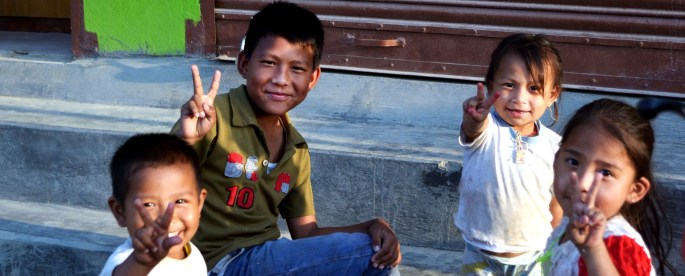
 After a wonderful walk with few local kids that kindly showed me the way to the Monkey Temple, even that I knew it anyway, I was able to see the great Himalayan range for the first time. You can already spot mountains from the bridge just in front of the entrance. Monkey Temple is an ancient religious complex situated at the top of the hill west of Kathmandu city center. It is very easy just to walk there from Thamel. I would say it will take just an hour of slow walk. After that you have to hike long stairway with 365 steps leading directly to the main platform of the temple. Up there you will face the beautiful view of the city. There`s loads of spiritual things to see around. Just watch out for the monkeys that can still anything you have in your hands, they really don’t give a…

  •    Walking with one local

I don’t usually like to walk with anyone, but I’ve met a student from India that came to Nepal to study Buddhism. At the very beginning he was honest, as he told me that he can show me around if I will buy a bag of rice after for him. I agreed, a bit skeptic, but it was so worth it. He showed me loads of places, I would never discover myself. It’s amazing how you can walk through one small door and see behind one of the most thrilling structures you have ever seen. The religion influence is present, visible and felt everywhere. You won’t be even able to count all the statues there. I am also pointing this to convince you guys to have a tour with local. Buying food would help those students too.

  •    Hospitality

 The Kindness and hospitality of Nepalese is just beyond anything you have experienced before. After all I have witnessed on the streets, shops, hotel, I was able to watch how they all helped each other in that extremely difficult time after the earthquake. I went to Nepal to see the landscape, Himalayas, nature, but I really felt in love with the people there. After visiting 50 countries, they are still my number one.