Blog

Photo-guide on best places to visit in Marrakesh

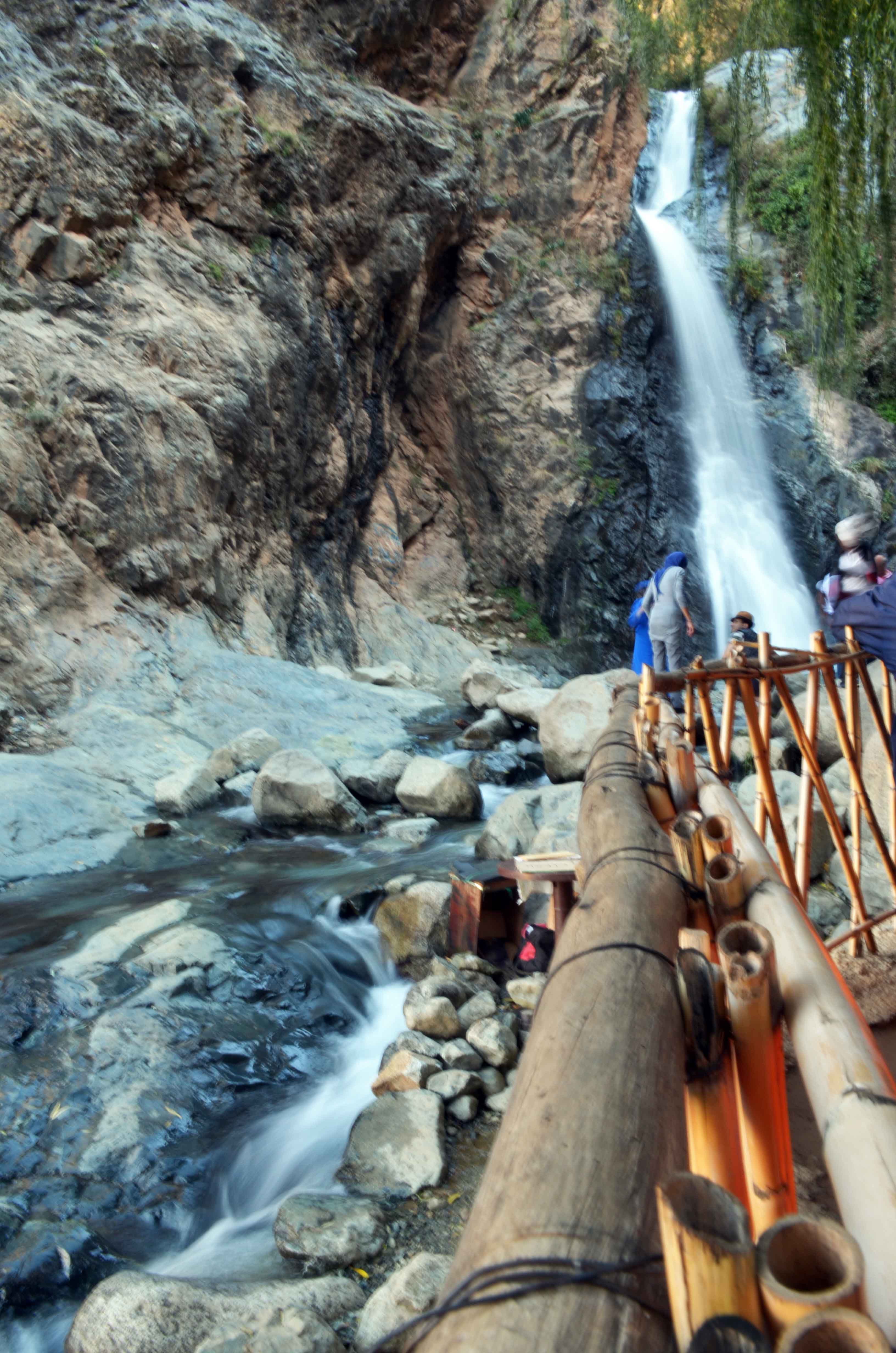
  As many flavours and spices are available in Marrakesh, as many things to see are there and around. Its just booming with richness of culture present on every corner, almost aggressively attacking your eyes, and dragging in to it, and that should be considered definitely as a positive. So if you have  a good week of staying in, you should definitely have a loads of time to discover all, and maybe even to buy a trip or two to see mountains or desert. Tours can take you to many interesting places in Morocco at very affordable prices. I bought one to see three waterfalls in High Atlas Mountains and one to see the desert. I am afraid, I don’t have a current prices, but when I was there in Nov 2014, I  paid around 25£ each. Well worth it. They both were for one day. There is loads of travel agents around to reserved your place, and they will usually pick you up from the place you`re staying or from agreed place close by. But coming back to our wonderful Marrakesh, apart from organised trips, it`s definitely worth to see:15795340395_c814a9b319_o

  • MEDERSA BEN YOUSSEF

It’s an Islamic college where pious clever clogs once came to study the Koran. These lucky scholars were able to look up from their manuscripts and see a physical glorification of God, with spellbinding patterns wrought in tiny mosaic tiles and carved cedar wood.

  • MARRAKESH MUSEUM

This museum is a window into Moroccan history through its collection of coins, pottery, jewellery, weapons and artwork.

  •  JARDIN MAJORELLE

Visit the stunning colourful garden, also known as Villa Oasis, to see a botanical paradise of flora and fauna with cute small turtles around.

  • EXPLORE THE RUINS OF EL BADI PALACE

The ancient ruins of the 16th century El Badi Palace that represent the wide courtyard and rock formations.

  • JEMAA EL-FNAA

A must see, must buy something there, must eat there place. Enjoy the vibrant atmosphere of the main square and the loud maze of traditional souks, narrow streets and amazing food.

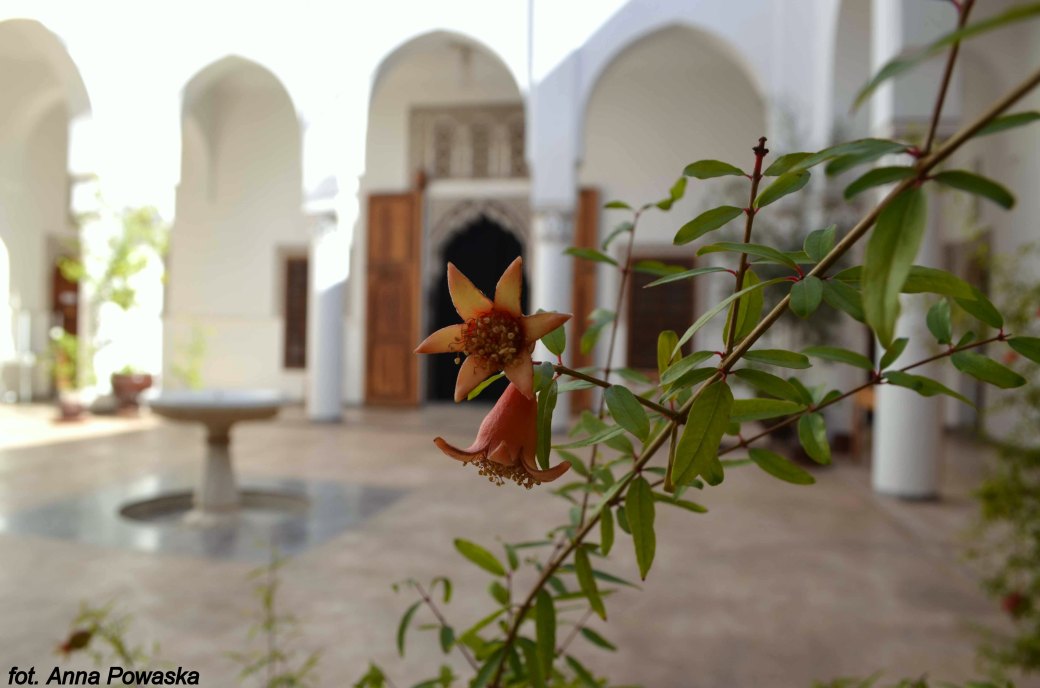
  •  BAHIA PALACE

The Bahia Palace is both a palace and a set of gardens situated in the medina of Marrakech, just along the northern edge of Mellah, also known as the Jewish Quarter. While the exact dates for the construction of this palace are not known, records indicate that it was commissioned between 1859 and 1873. It was completed in 1900.qa.jpg
  • MEDINA

Wonder and just get lost in the city center area through a tiny streets full of cafes, shops, restaurants. You can do shopping, try tasty traditional meal, have a henna tattoo and many many more experiences. It really is a delightful place. Especially magic at night.

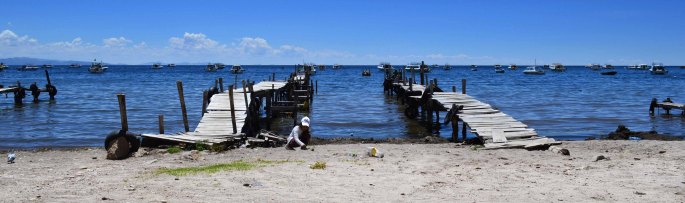
Titicaca Lake, Copacabana vs Puno

  Holding the title of the highest navigable lake on the planet, as well as on my list of the most beautiful water basins in the world, tucked away high in the Andes between snow-covered peaks, Lake Titicaca is one of the most popular places to see in South America. Known for its unique panorama during the day and the night time, crystal-clear air and water, combine with mountain range around. Believed to be the birthplace of the first Incas, along with the sun, moon and stars, when creator came out of the lake.

  The main two bases to explore Lake Titicaca (and other sites in the region) are Puno, in Peru, and Copacabana in Bolivia. I did visit these two mentioned towns, and I stayed a minimum of two nights in each, which gave me some time to look around and discover them. If you’re backpacking and having loads of time, you can stop in both to see the Bolivian and Peruvian side of Titicaca, as they are very different. However, if you’re rushing a bit, I would definitely suggest staying just in Copacabana in Bolivia. Why? Well, for few reasons really. From there, most tour operators run a day trips to the Isla del Sol, with a quick stop at the Isla de la Luna. Bolivian town is way smaller and cutter. Very touristic too, which I don’t always like, but can be handy when it comes to accommodation and organized trips. Lake is looking really amazing (way better) from this side as well, you can hike some mountains around to spot the stunning panorama of the pool and surrounded areas. In Puno the lake side can`t be really accessible properly, there is no beach to sit and enjoy, and there’s not so many hills from where you can get a good grip of Titicaca. Having said all that, I loved Puno for its truly Peruvian vibe. There is loads of street food stands around, loads of mercados to grab a very tasty local meal, stand with fresh fruits, vegetables, colorful ladies with coca leafs…everything really. 
This can not be found in Copacabana, I was really struggling there to find a proper local food, and once I even ended up ordering a pizza. Not so cool. However, It’s just a food, and I think exploring the lake is the reason we are there in the first place, so again, that points us towards Copacabana over Puno. There is also loads of hotels by the lake (I was lucky to be in one), when in Puno you can hardly find any so close to the water. So I think we have a winner at the end-Copacabana. However, again on another side, Puno hold a very strong argument of having a famous Floating Islands, a must see while there. Yet, I think the trip can be booked from Copacabana too. The other reason (to cheer you up really, if you cant do both) to stay at just one place is the fact that any route you will take to get there, you will be able to have another good look at the lake, as streets are usually around the lake. If you will come from  La Paz, like myself, to Copacabana, you will even cross Titicaca on the boat.
Verdict:

Just for the lake and islands Copacabana is a winner, but if you want to feel the true vibe, less touristic place, traditional food and real life more than lake, then Puno is definitely for you! 

Either way you will choose, the bottom line is not to skip this place. Trust me, Titicaca will stay in your heart forever.
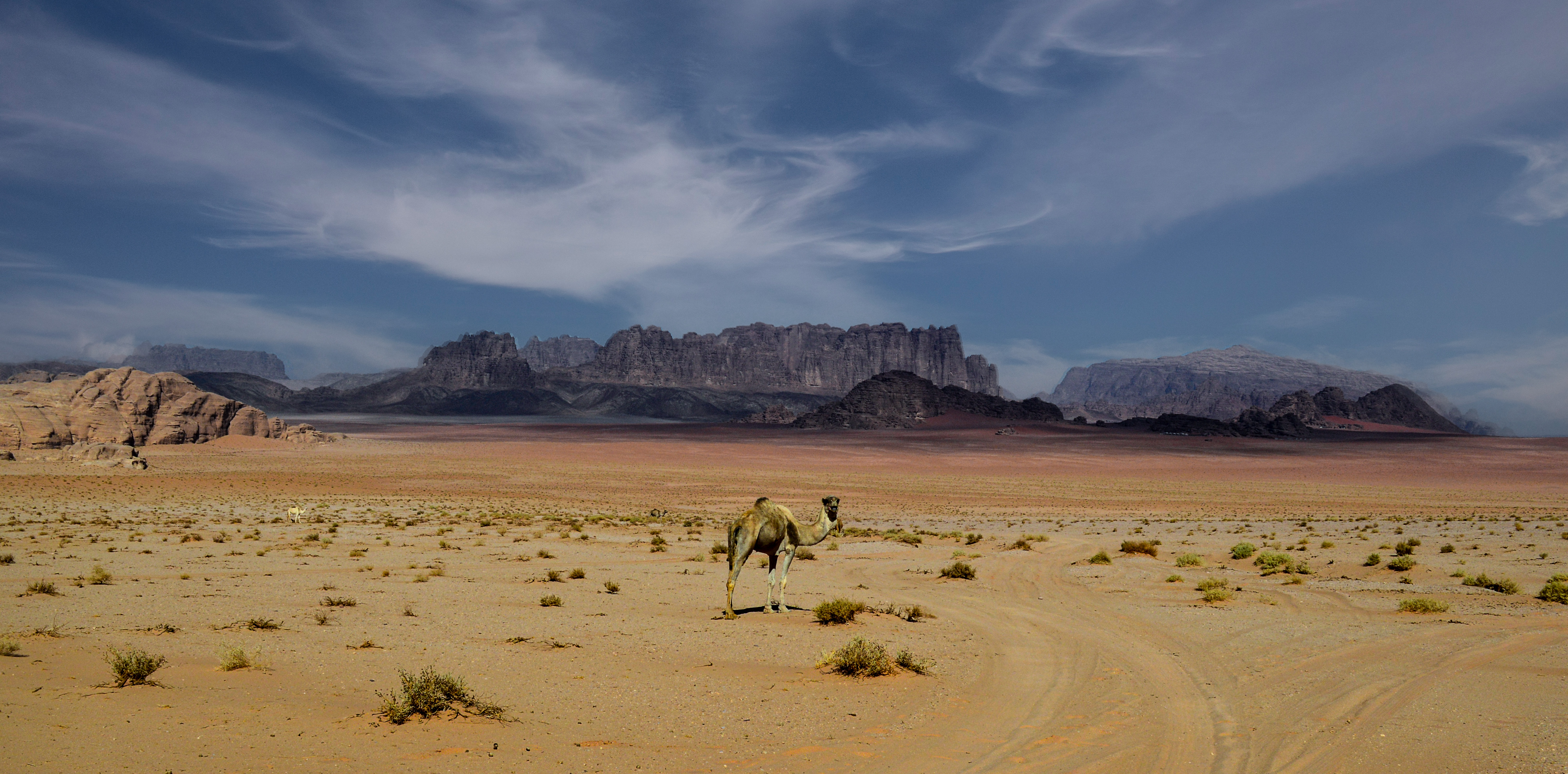
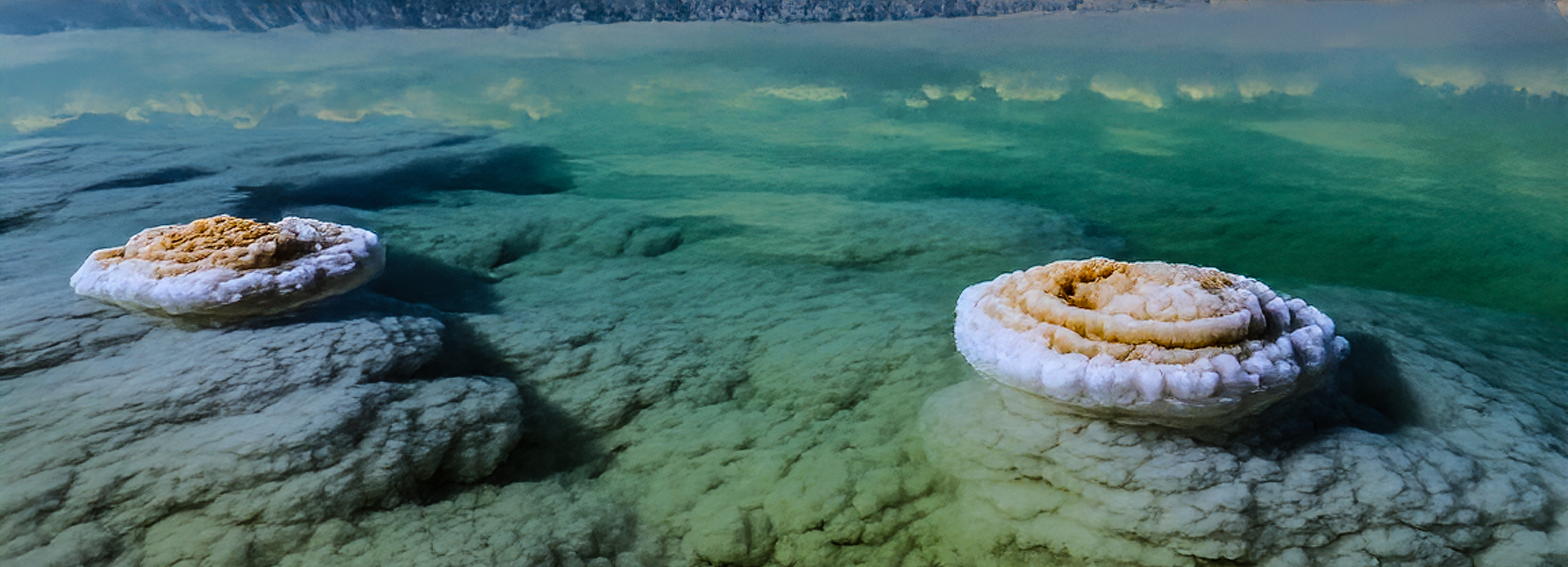
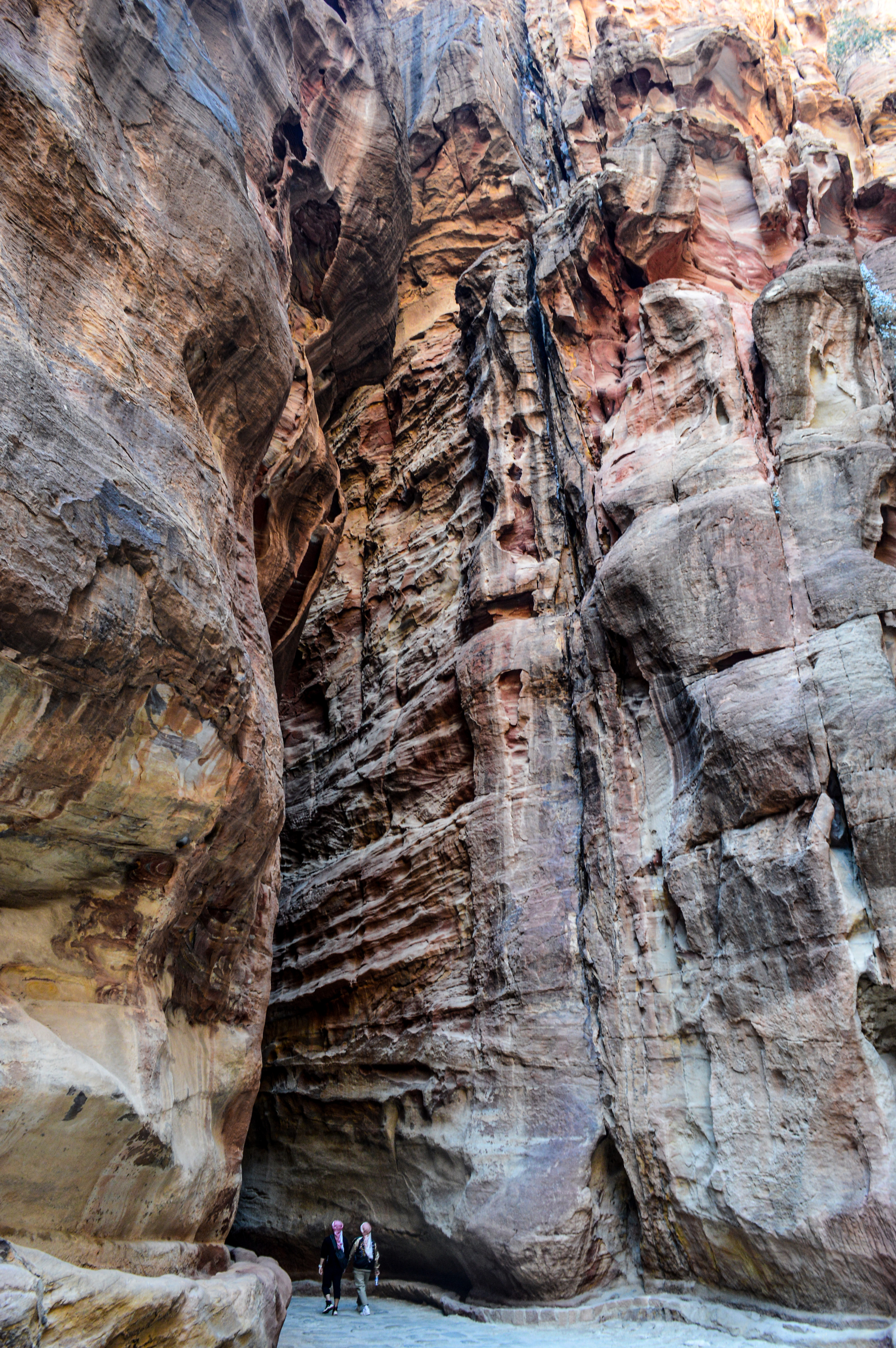
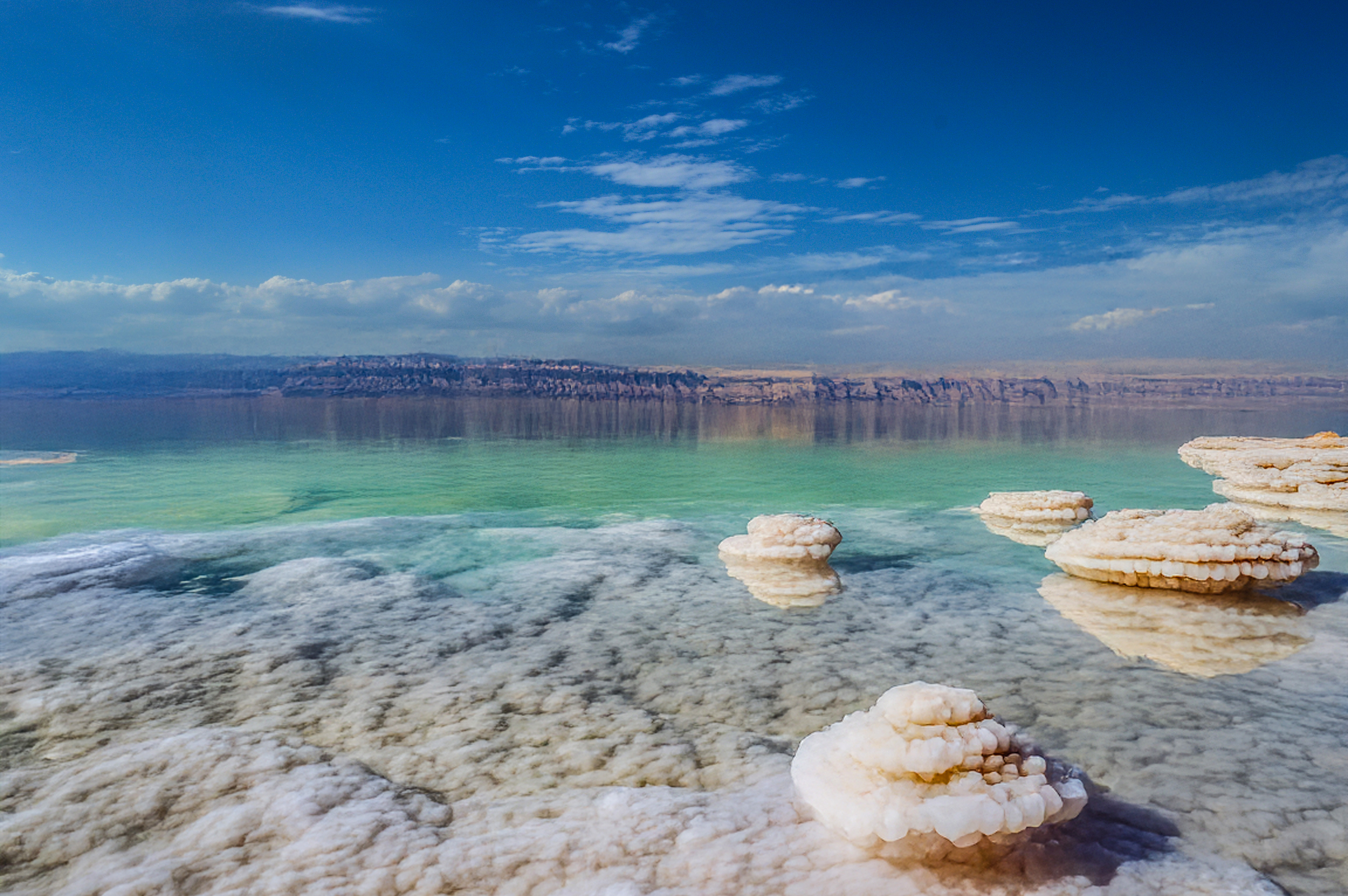
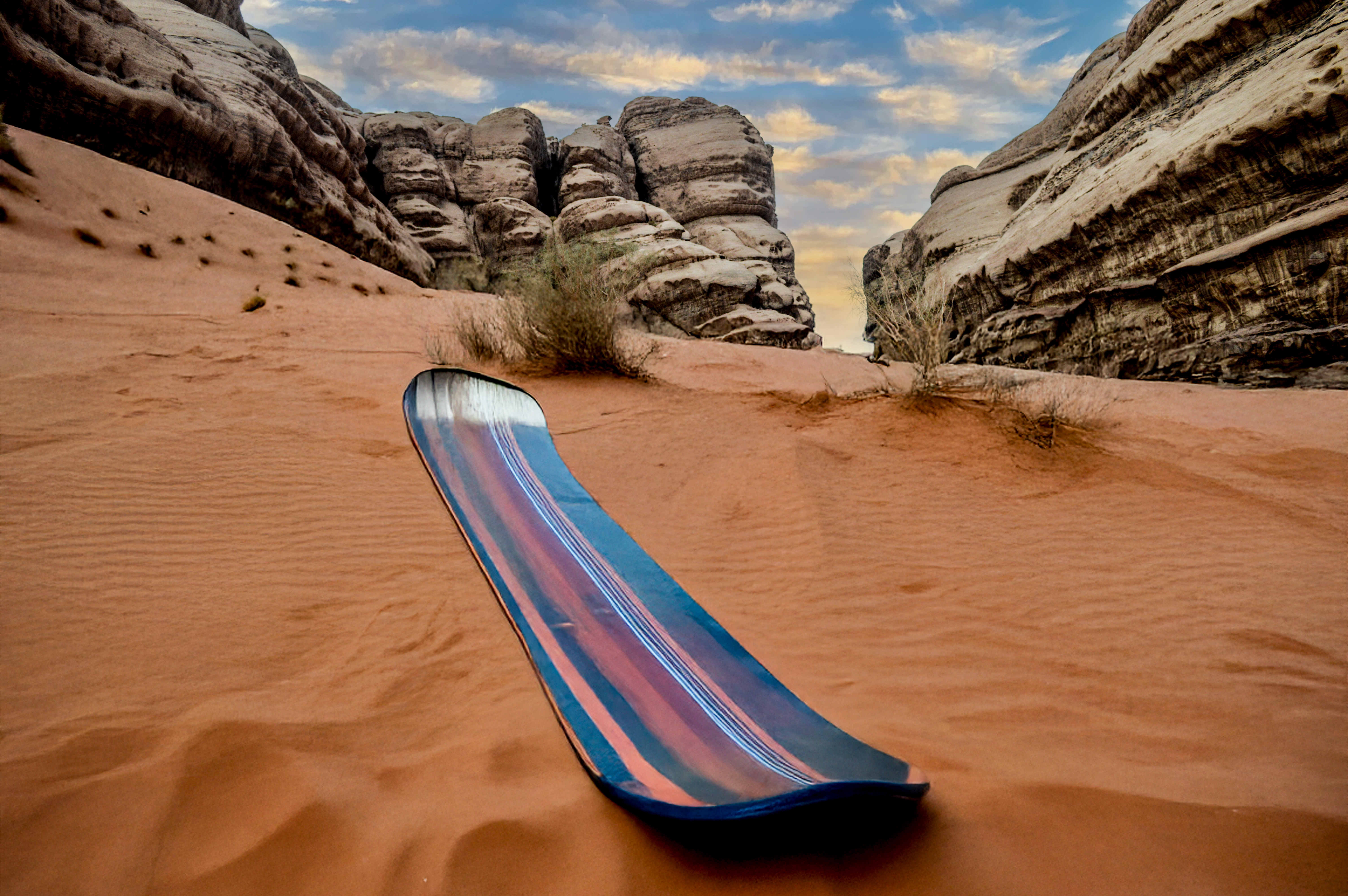
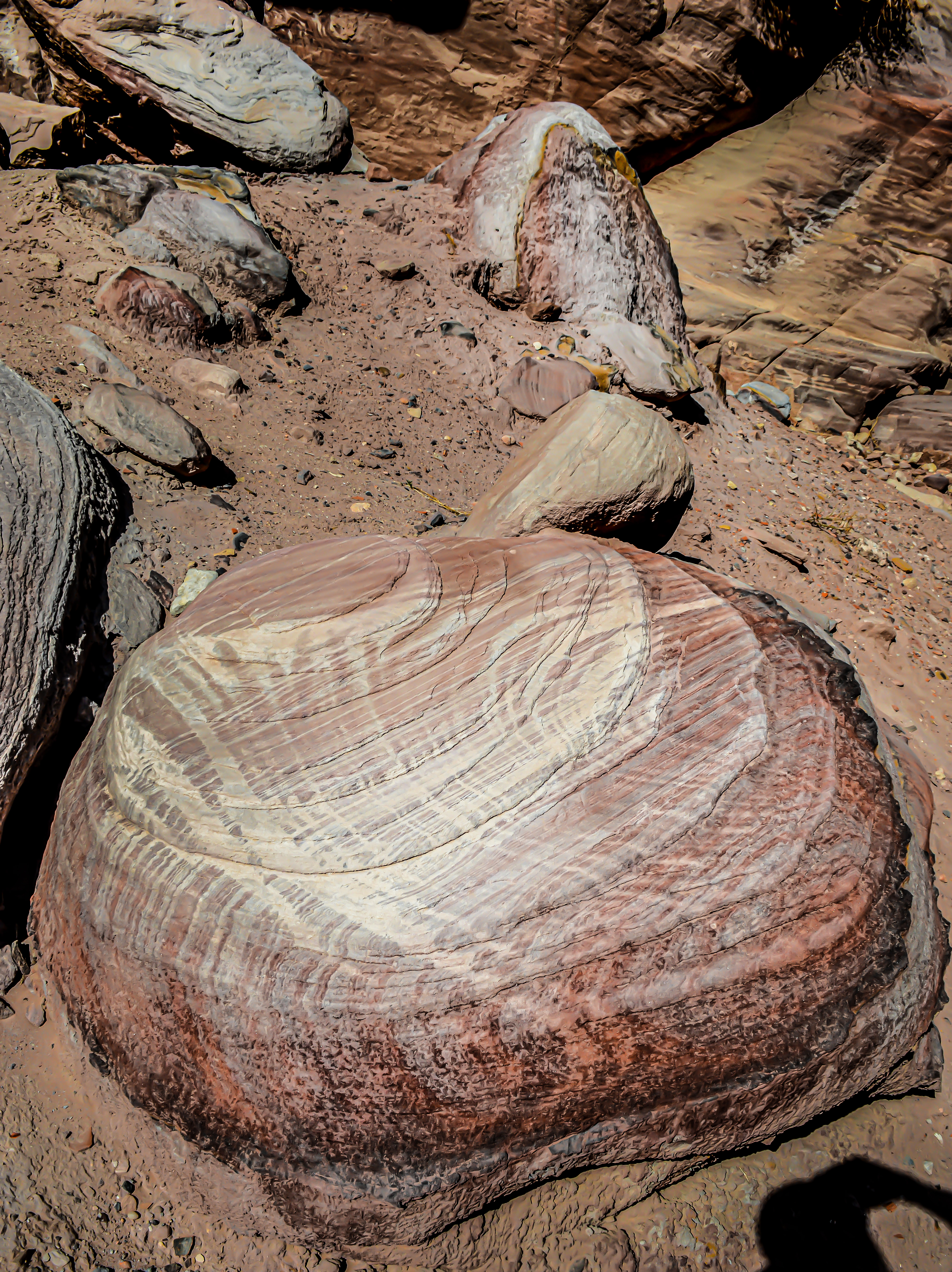
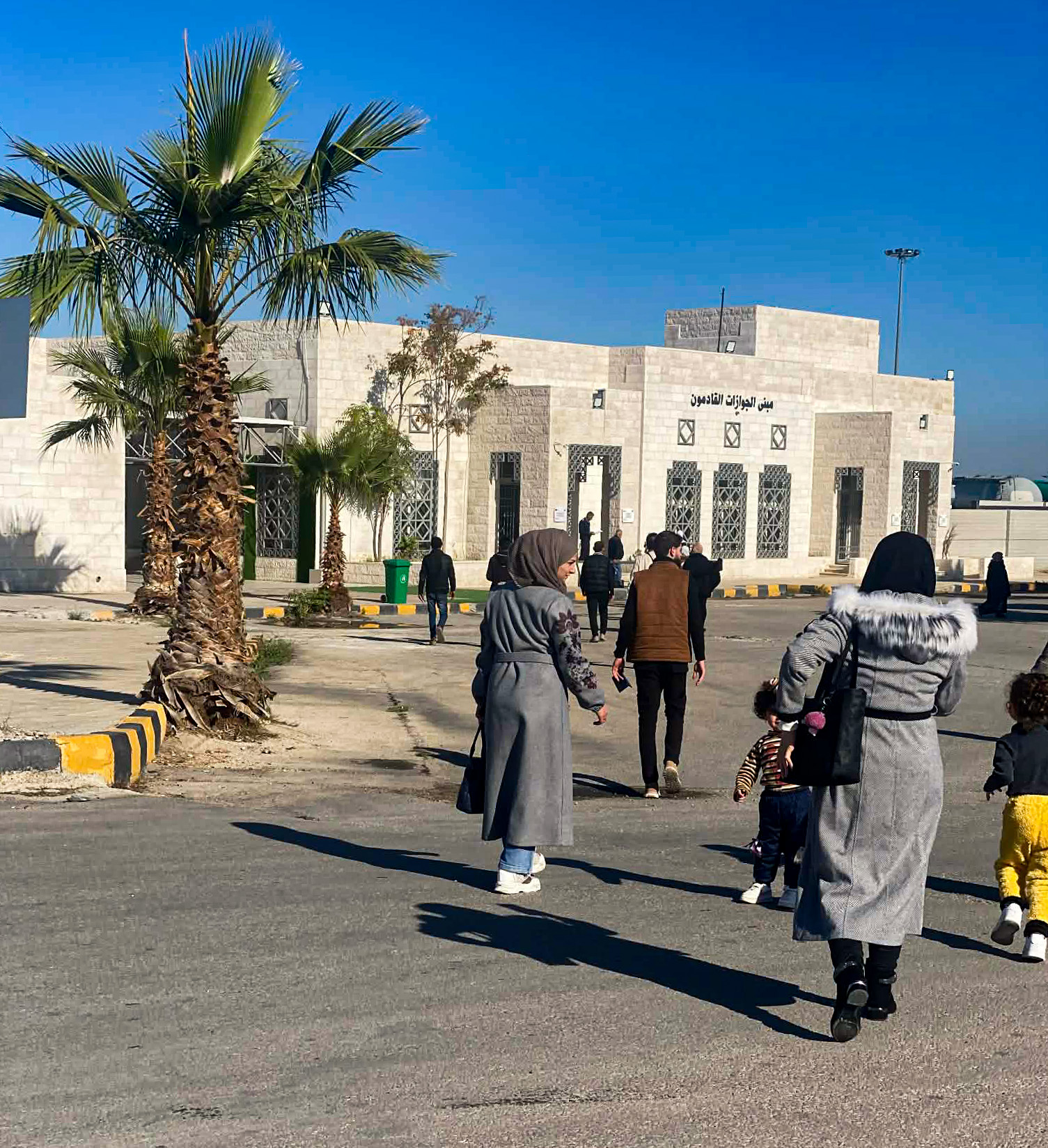
Jordan in photos

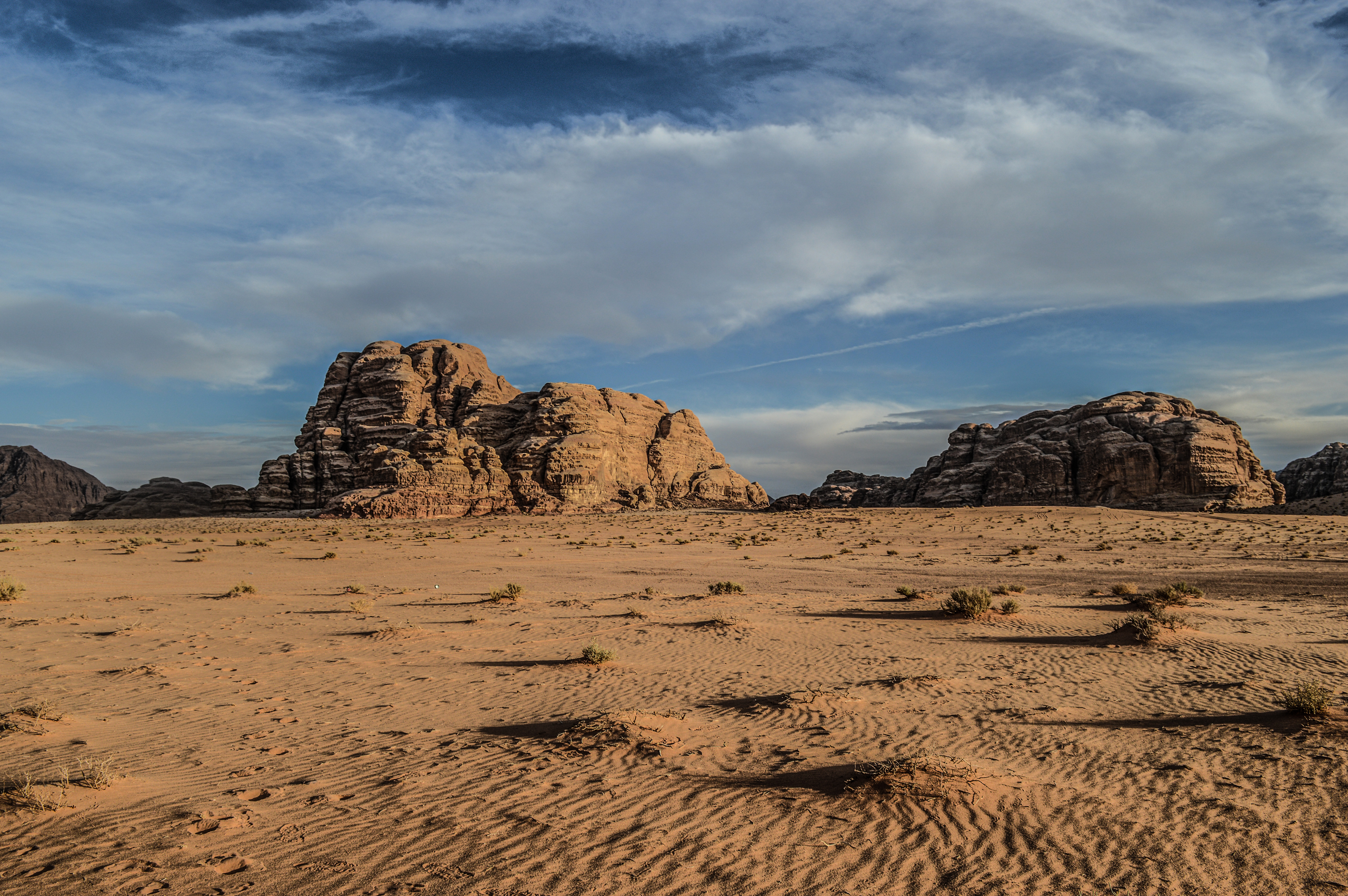
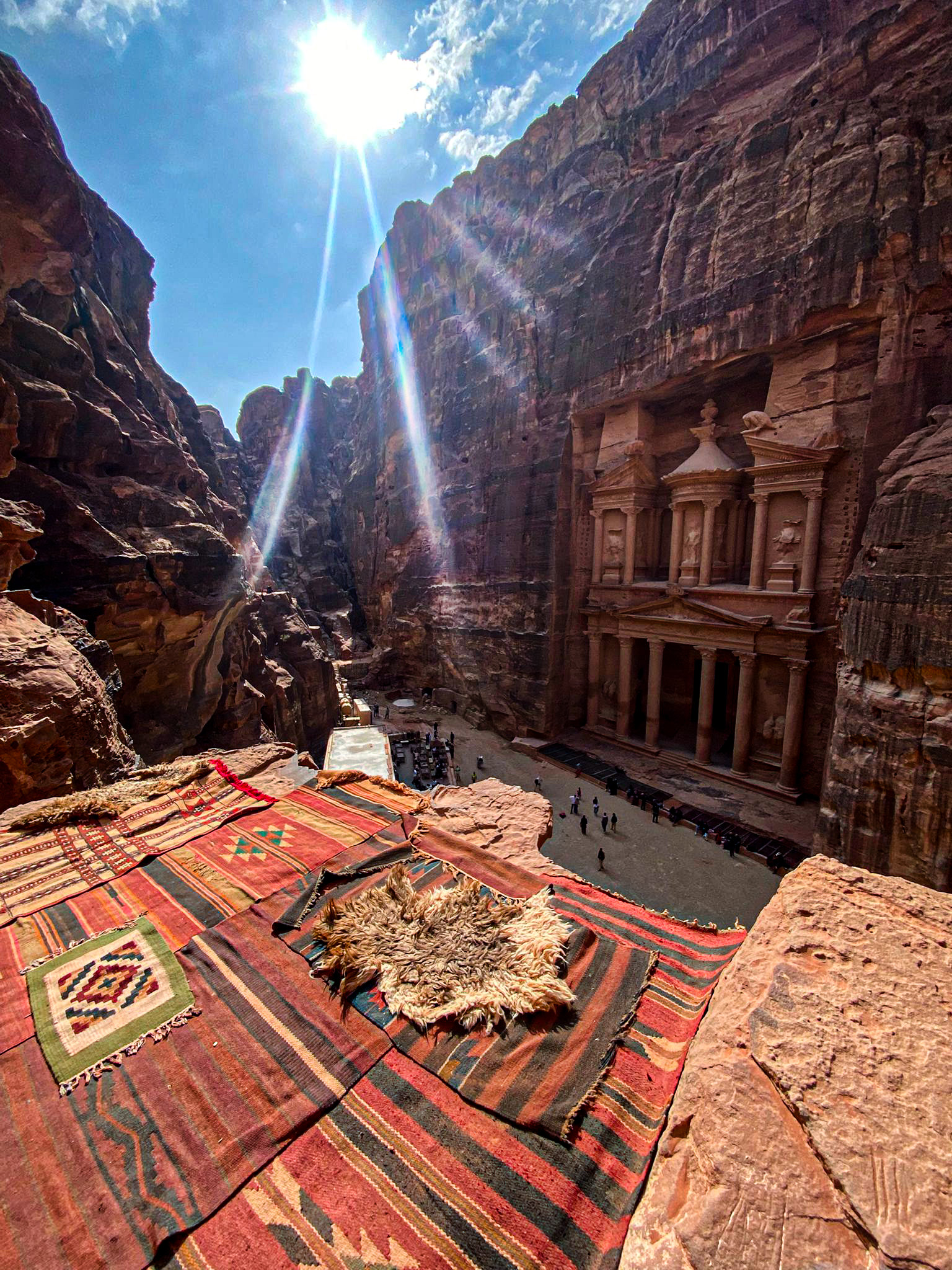
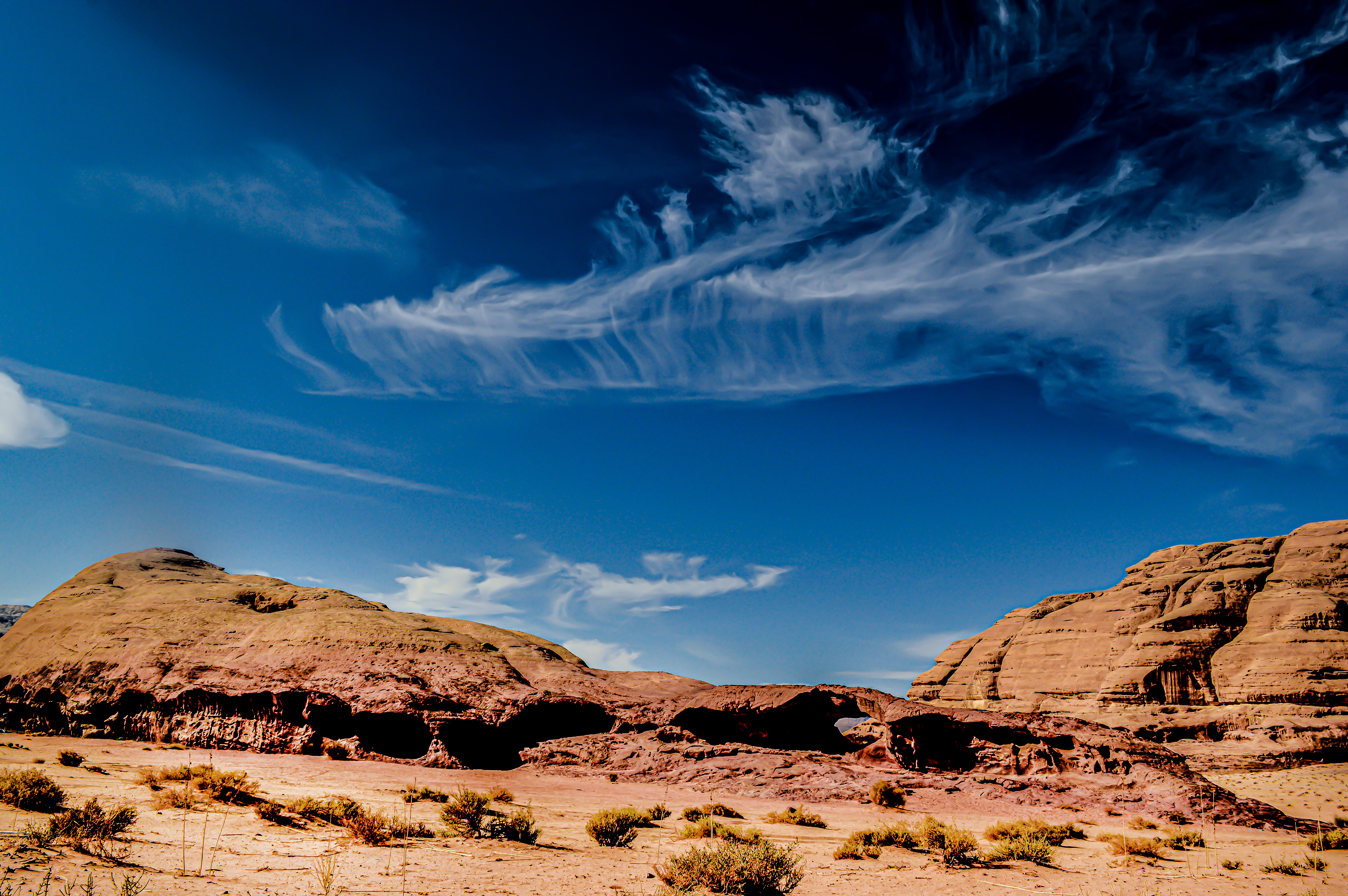
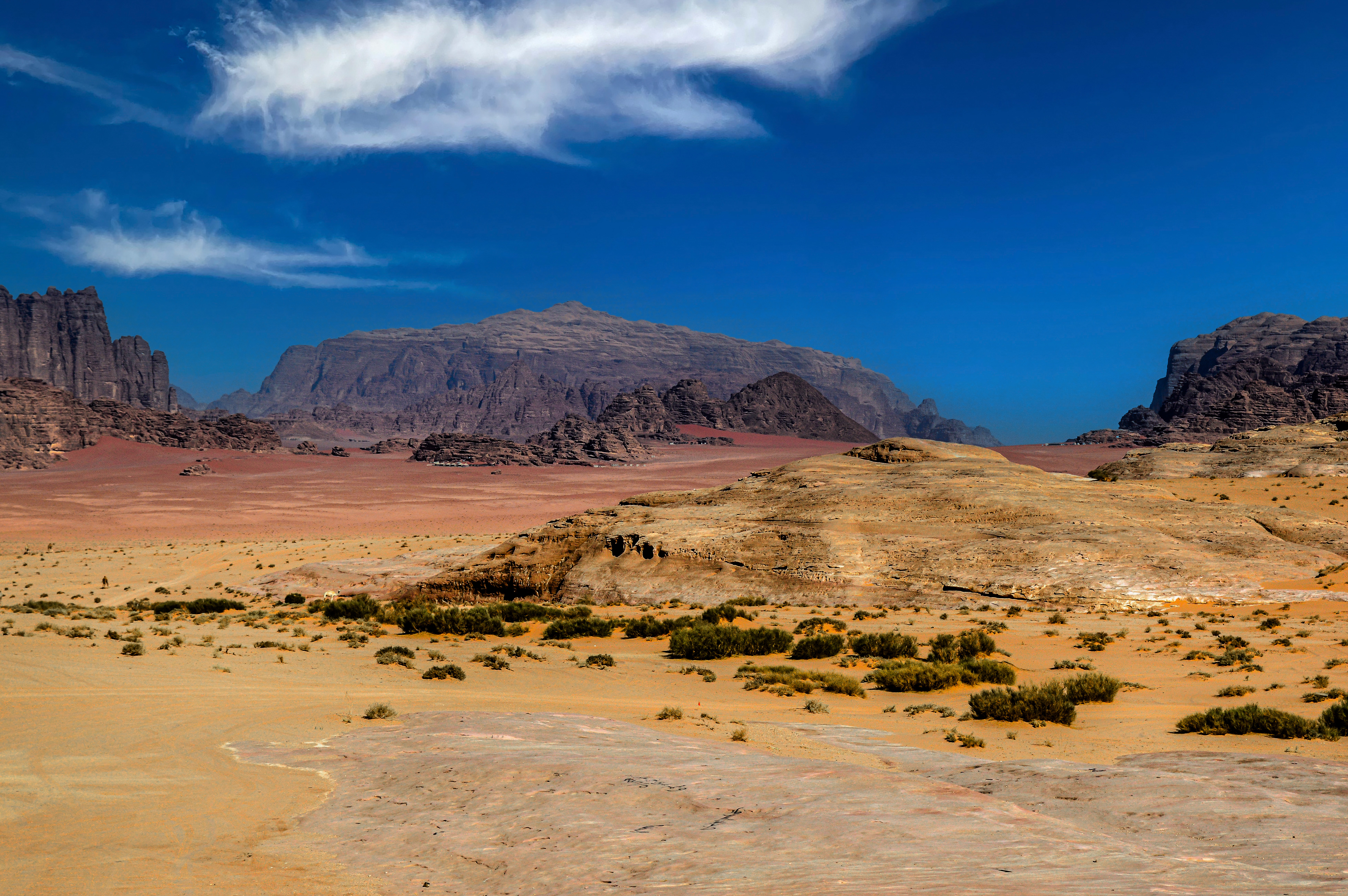
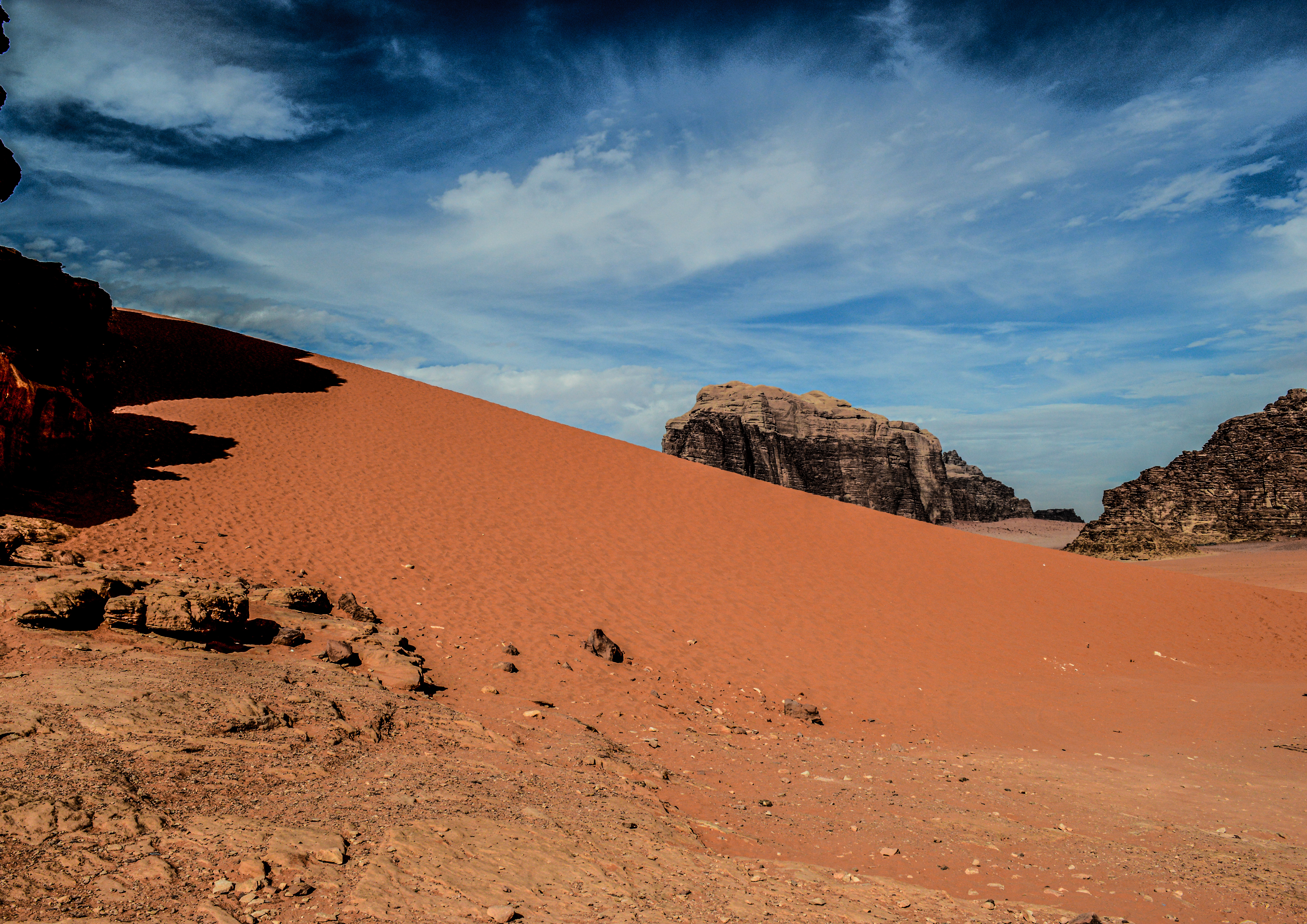
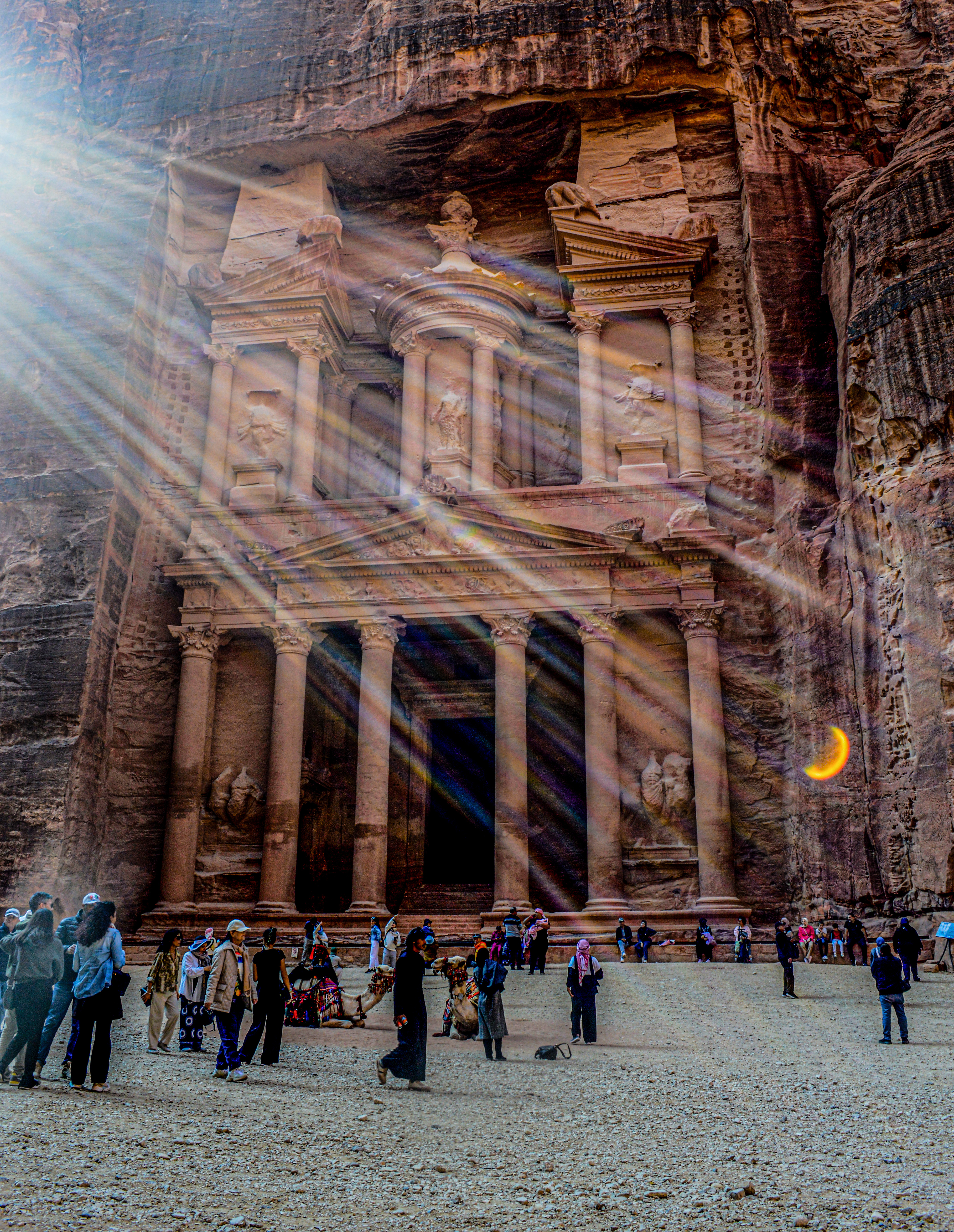
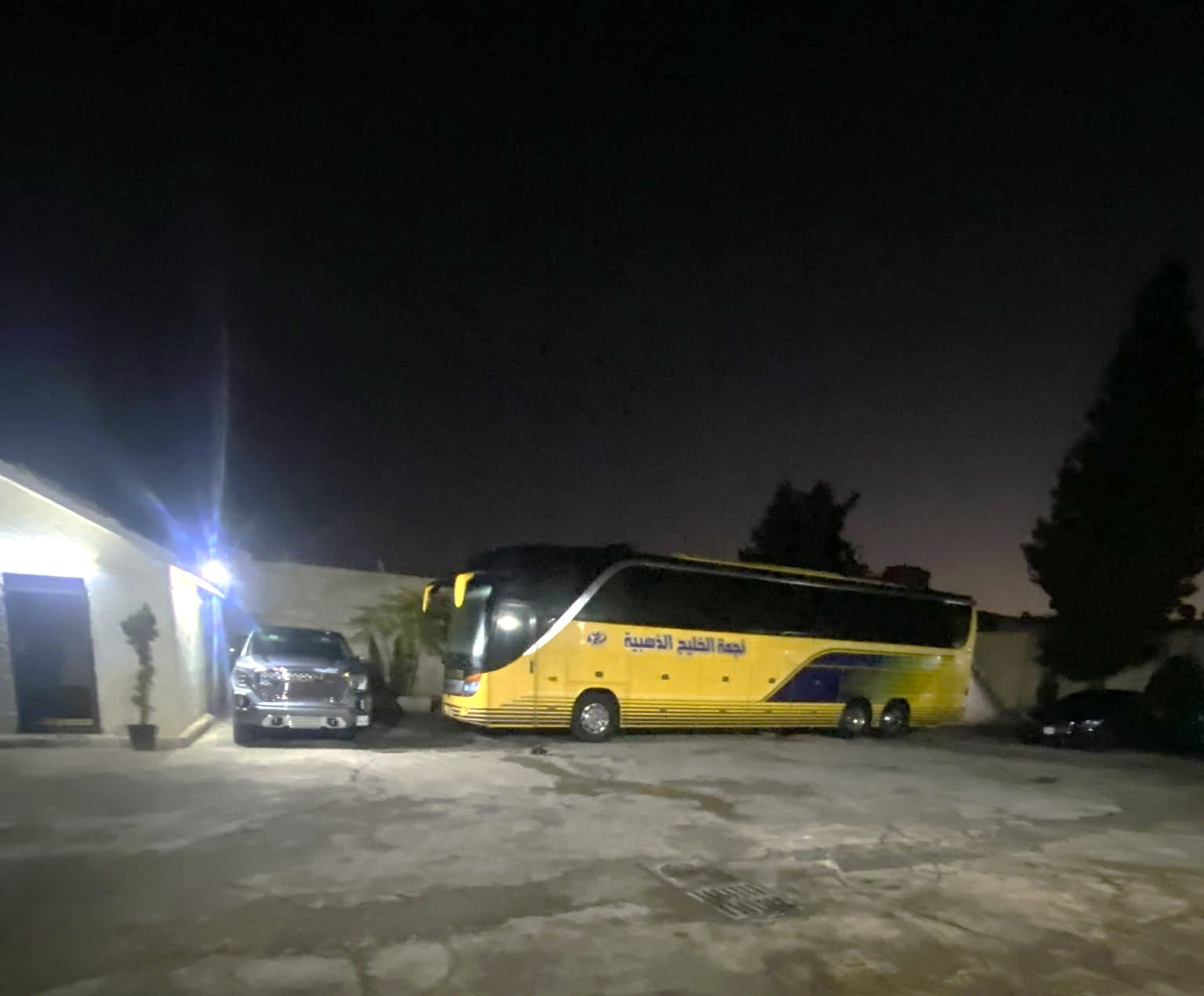
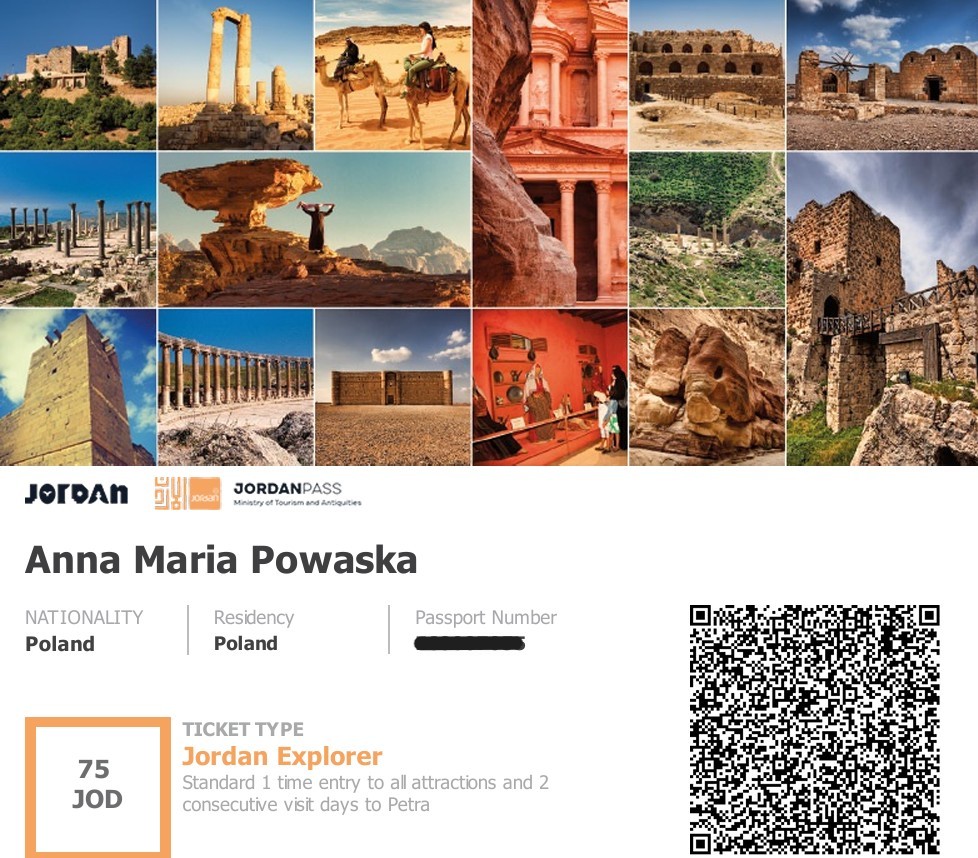
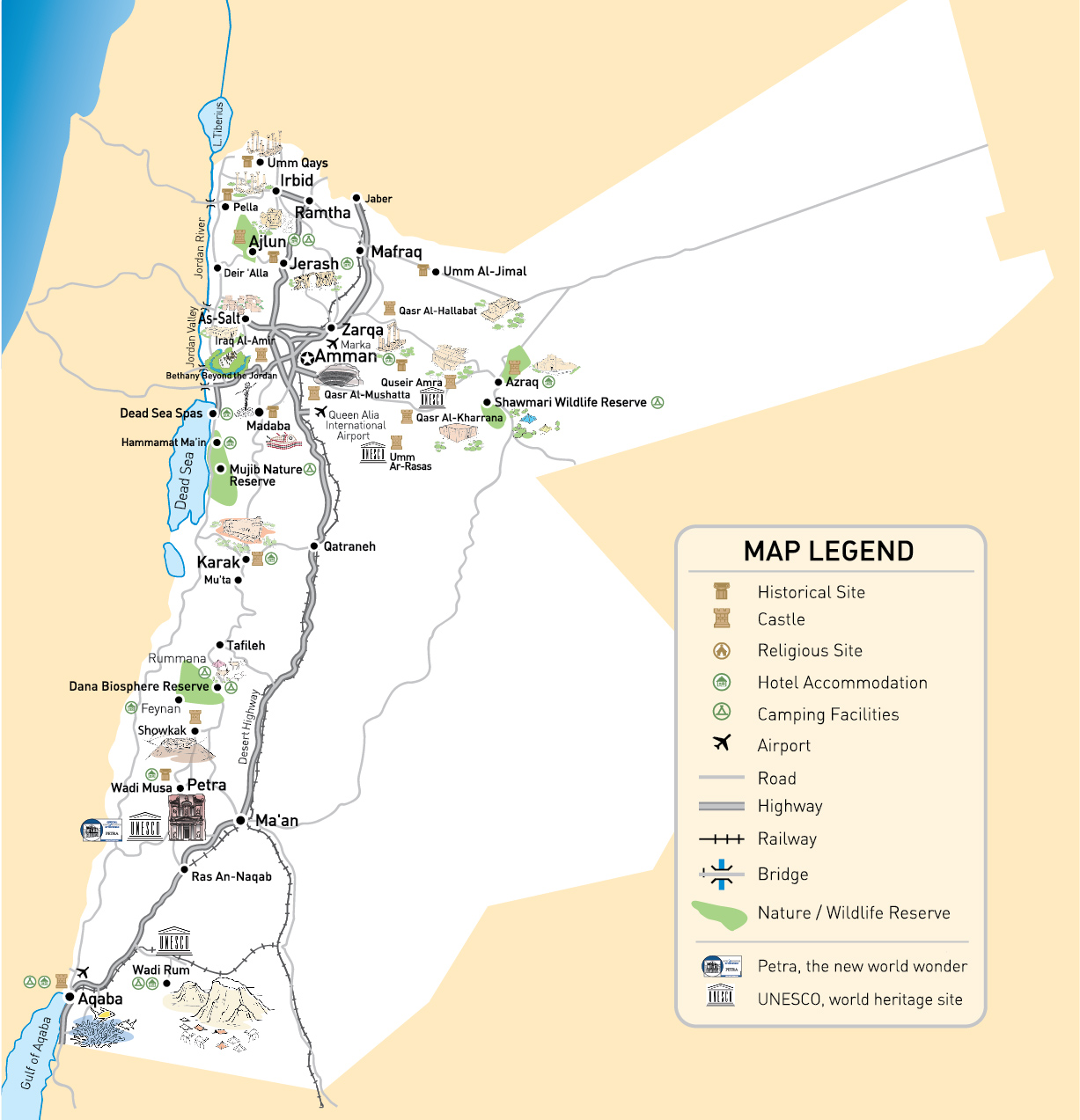
Such a cool place in the Middle East. Famous for Petra, the Dead Sea, and the desert vibes of Wadi Rum. Amazing mix of history and landscapes!

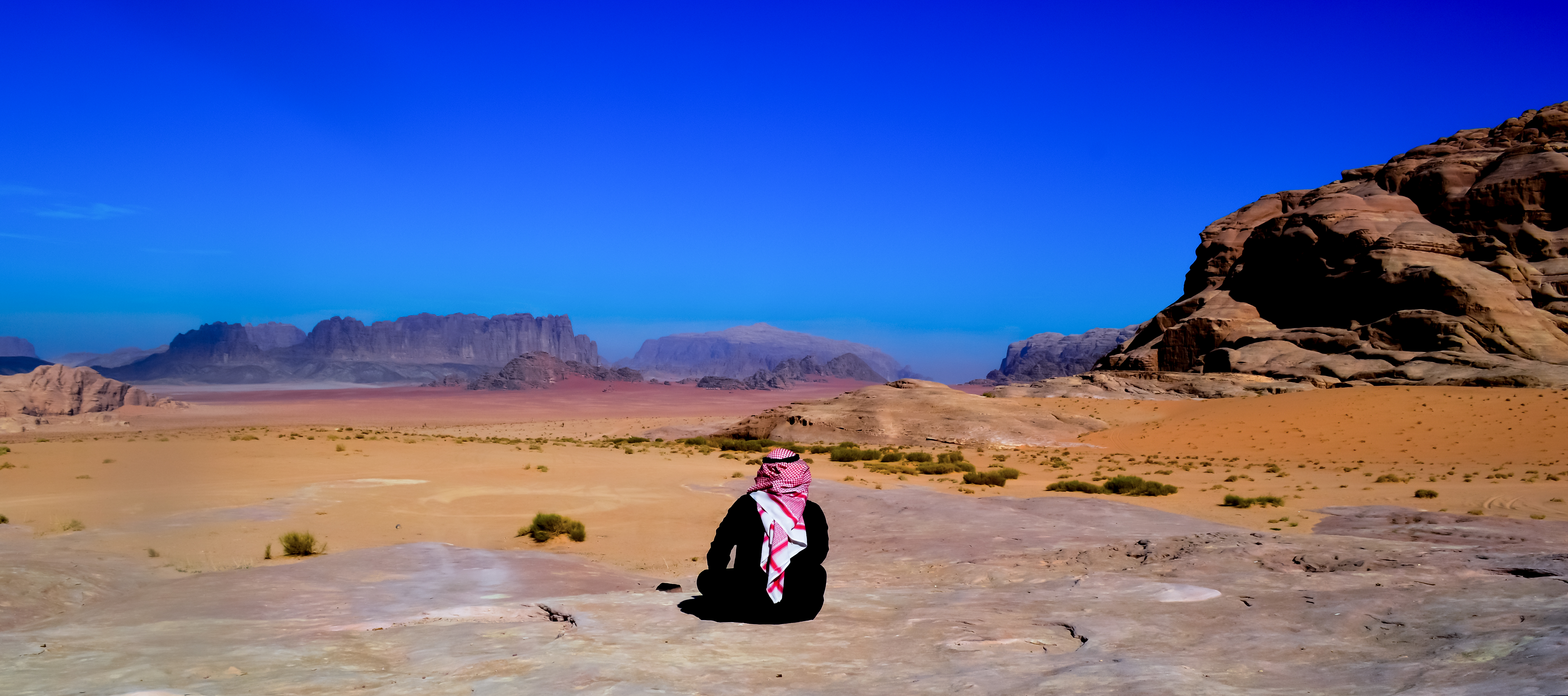
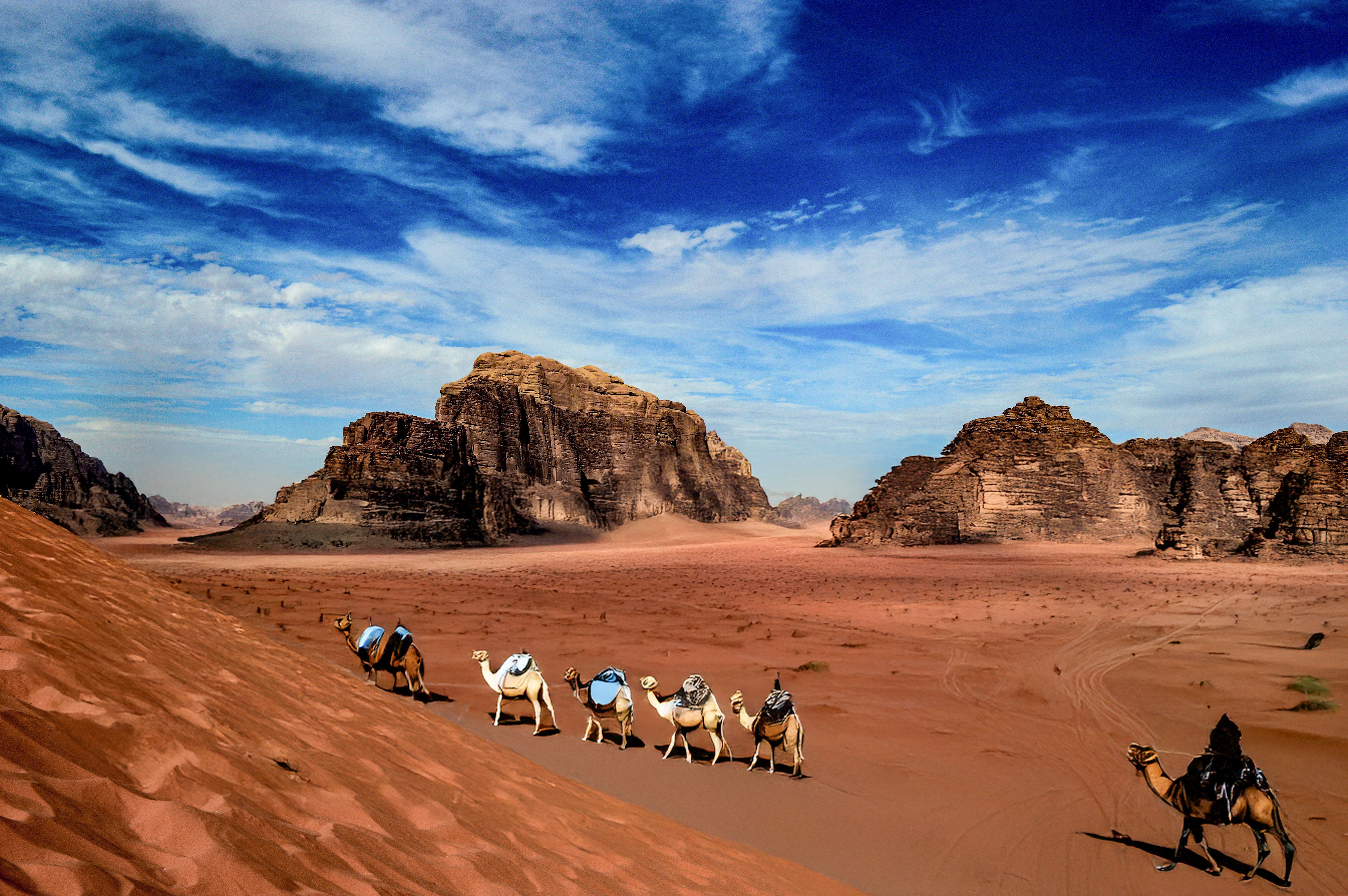
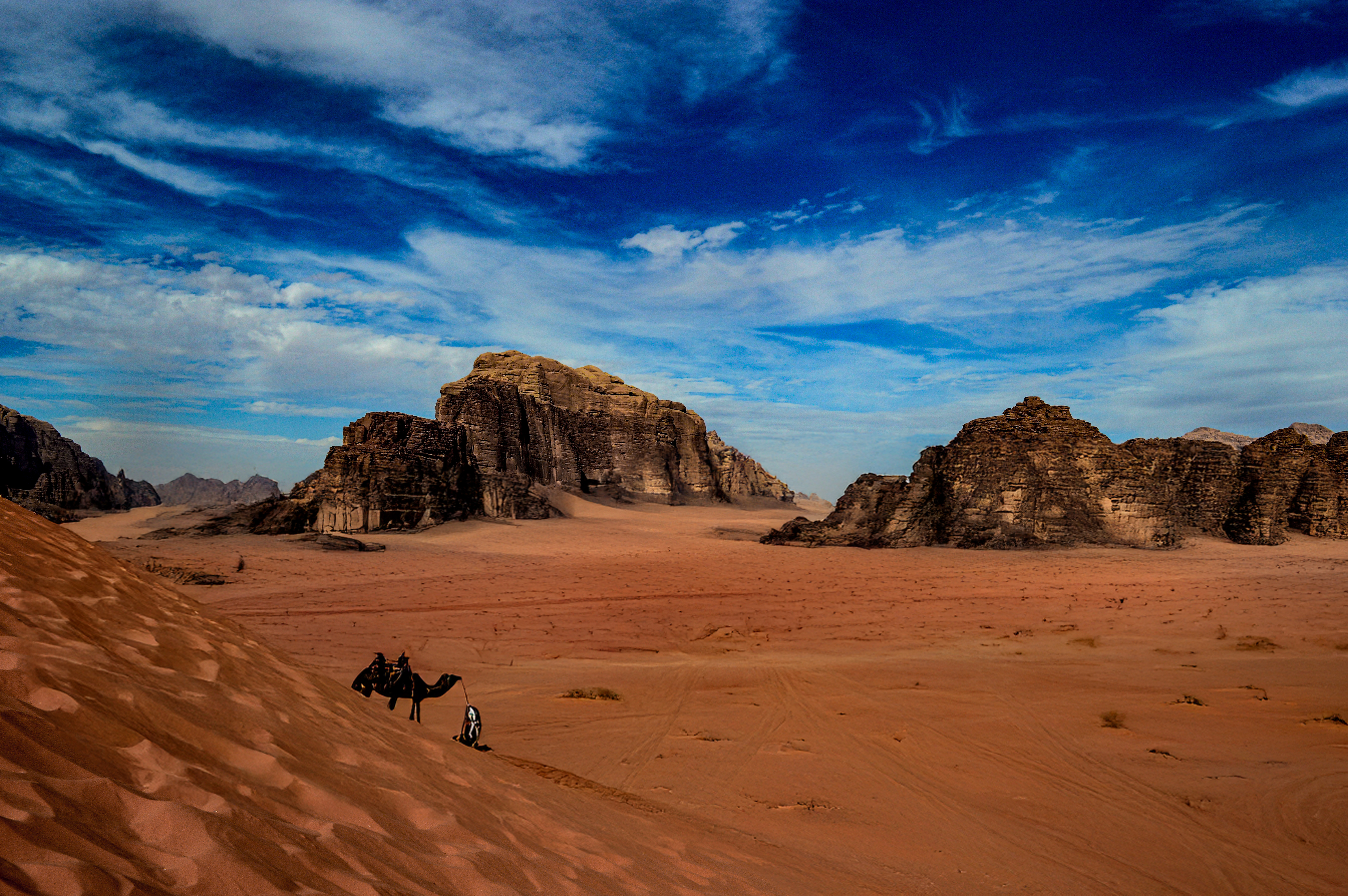
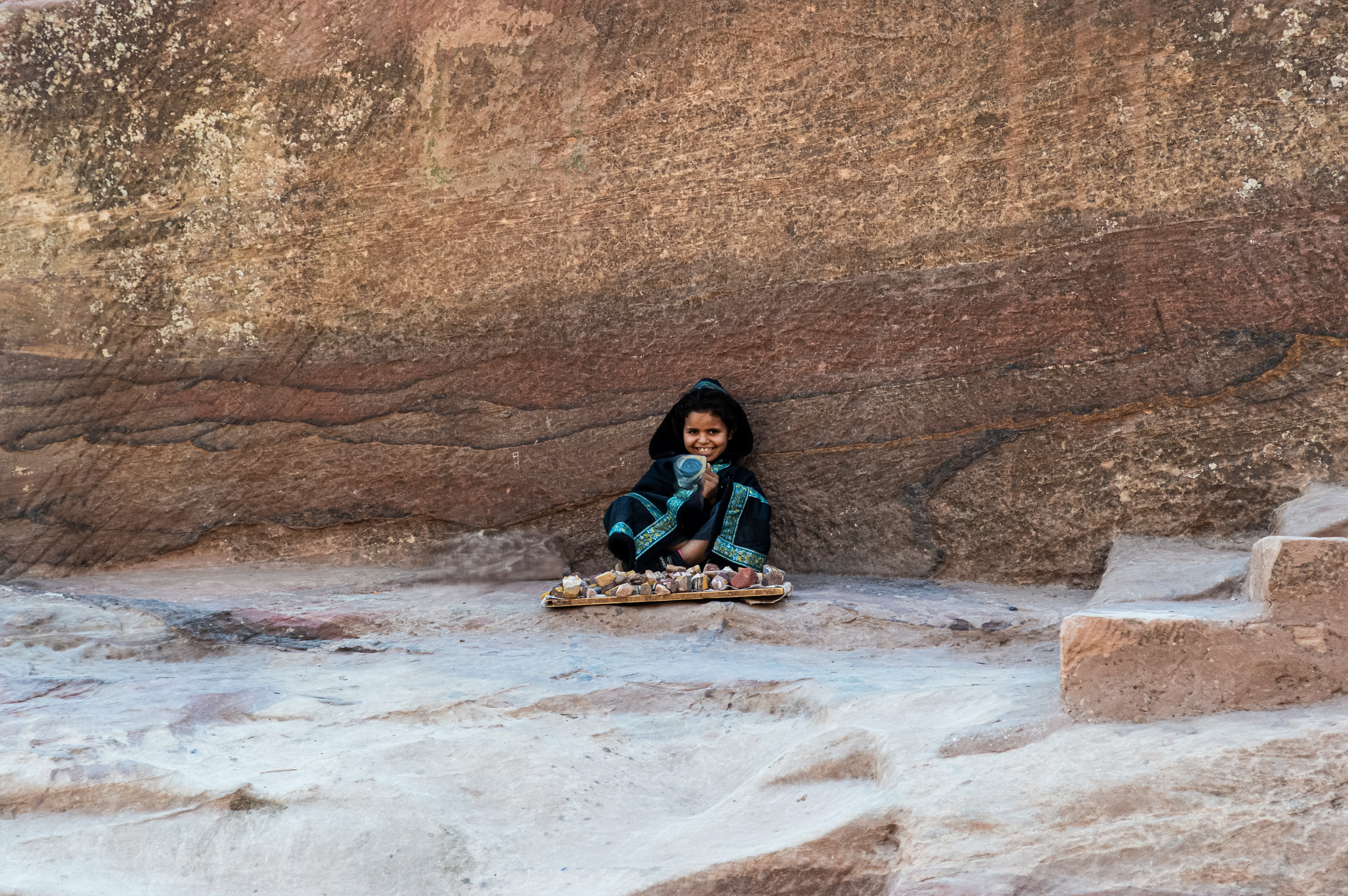
Bedouins are nomadic Arab tribes who traditionally lived in the deserts of the Middle East, known for their hospitality, resilience, and deep connection to the land.

The Bedouins know the Wadi Rum desert, which covers about 720 km², like the back of their hand. They told me they recognize the paths across the desert, and at night they navigate by the stars.

Their food is simple but full of flavor. One of the most famous dishes is zarb, meat and vegetables cooked in an underground oven. Too bad I didn’t take a photo, but they showed us how it’s done. Evenings with them by the campfire were amazing, they were so honest when we asked questions.

Delhi–Agra Express & Delhi–Varanasi Sleeper: Complete Train Guide 2025

My Train Booking Experience in India

You can technically buy tickets through IRCTC, the official Indian Railways website. But full KYC (KYC stands for Know Your Customer, it is a verification process used by banks, financial institutions, and online platforms like IRCTC or PayTM to confirm a customer’s identity and address) is now required for certain IRCTC features, especially bookings.

Instead, I switched to 12go.asia, which I can honestly recommend. The tickets are about 20% more expensive, but the process takes just two minutes: instant confirmation, and the actual ticket arrives a few days later.

Once you receive your ticket, it’s important to double‑check the departure time the day before. Go to the IRCTC website or ConfirmTkt , enter your PNR number (found on the ticket) and travel date, and you’ll get the updated schedule. That part works flawlessly – no glitches at all.

Railway stations – you can also buy tickets directly at the station. Expect queues, a bit of chaos, and sometimes limited English, but it works. For foreign travelers, there’s often a Foreign Tourist Quota counter at major stations like Delhi, Agra, or Varanasi.

⚠️ Be Aware of Scams at Indian Railway Stations

When you arrive at the station, you might encounter people approaching you with “helpful” advice. They’ll say things like:

  • “You need to come with me to a special counter for foreigners.”
  • “There’s a different queue for non‑Indians.”
  • “You can’t enter without my assistance.”

All of that is a lie.

Once you have your ticket, you don’t need anything else. You simply go to the platform and board the train exactly the same way as Indian passengers. There is no special cashier, no separate queue, no mandatory guide.

Taj Express → My Delhi to Agra Train Experience

On September 1st, 2025, I took the Taj Express (Train No. 12280) from New Delhi Main Station (NDLS) to Agra Cantt (AGC). The train departed at 06:55 and arrived at 09:25, covering 195 km in just under 2.5 hours. I booked a Second Sitting (2S) seat – confirmed, window side, and perfectly comfortable for a short morning ride. Return train was delay around 1h.

Booking Details

  • The train departed on time at 06:55 from Platform 13
  • Ticket fare: ₹110 + fees (total ₹128.66)
  • Coach/Seat: D1/54 – window side, confirmed (CNF status)
  • Once you receive your ticket, double-check the departure time the day before using your PNR number. I recommend ConfirmTkt – it works smoothly and updates are reliable.

Travel Notes

  • The train coach stopped exactly where the platform screen indicated – no chaos, no guessing. Just follow the signs and you’ll be right where you need to be (see the photos below).
  • My coach was packed – it was crowded, noisy, and absolutely wonderful.
  • I shared a tiny seat with a lady.
  • I ended up talking to almost everyone around me – it felt like a rolling living room full of stories and smiles.
  • No AC, but the windows were open and the breeze was enough.

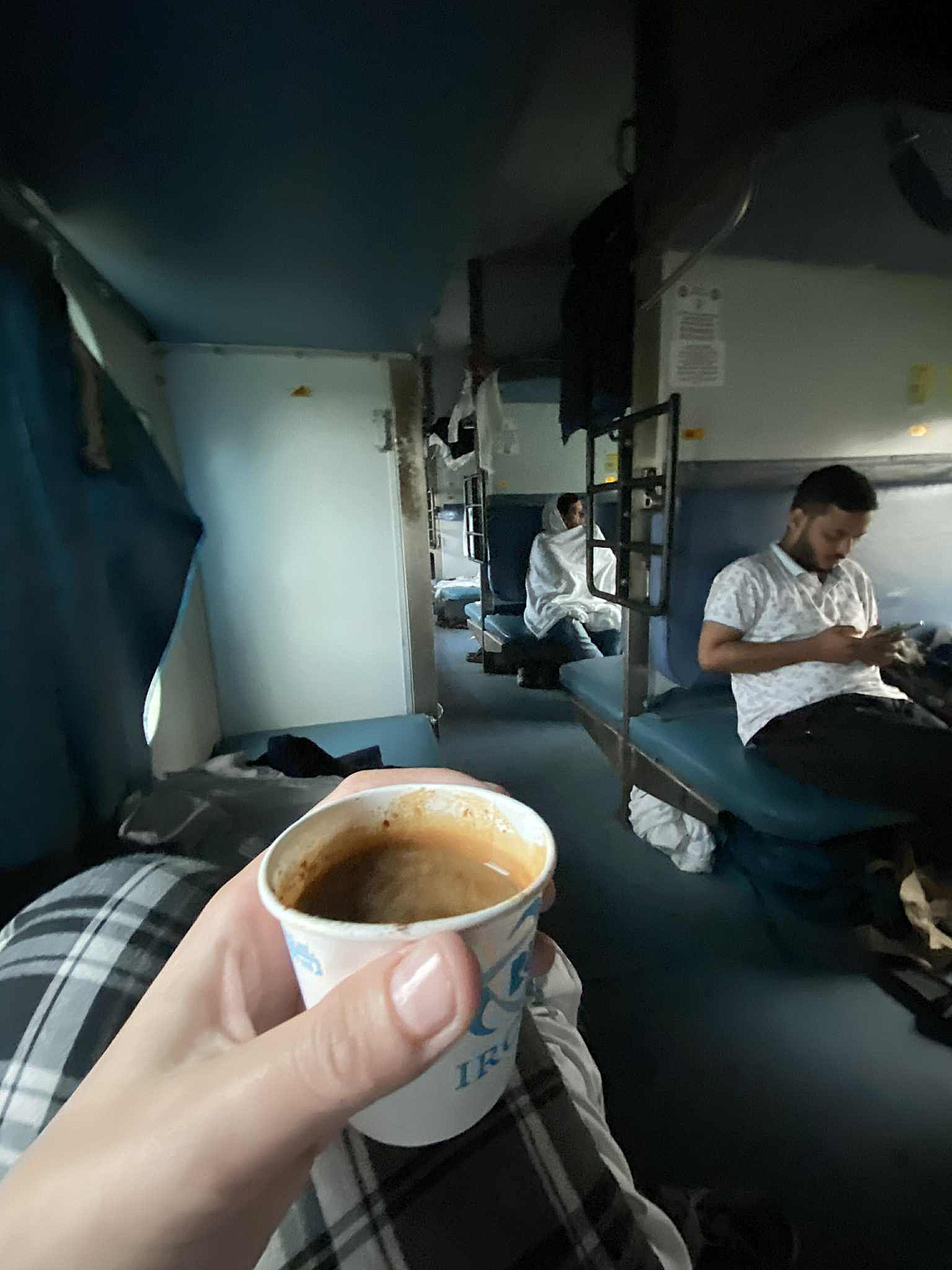
Delhi → Varanasi Sleeper 3A class– My Overnight Train Experience

On September 2nd, 2023, I boarded the Swatantrata Senani Express (Train No. 12562) from New Delhi Railway Station (NDLS) to Varanasi Junction (BSB). The train departed on time (21.15 in my case) at night from Platform 13, just like my Taj Express to Agra. The coach stopped exactly where the screen said it would – no chaos, no guessing.

My Experience

  • I had a confirmed sleeper berth 3A class in coach B2, and it was surprisingly comfortable. Bedding and pillow are provided.
  • I paid 1 469 INR ₹ (15 $) at 12go.asia.
  • I slept 8 full hours – no interruptions, no noise, just the gentle rhythm of the train.
  • The coach had AC, and charging sockets everywhere – both regular and USB.
  • There was an option to order meals, tea, coffee, which made the journey even smoother.
  • At night, everyone respected each other’s space – no loud talking, no chaos. Just quiet, shared rest.
  • On the return trip, it was exactly the same – peaceful, punctual, and respectful.

Booking & Practical Tips

  • This train is in high demand, so book well in advance – especially if you want a confirmed sleeper berth.
  • Use 12go.asia. It is much easier for foreign cards and no Indian numer needed.
  • Always check your PNR status the day before – ConfirmTkt is your best friend or IRCTC site.
  • Platform 13 again – same as Agra, and again the coach stopped exactly where the screen showed.

Most Popular Trains on the Delhi–Varanasi Route

  • Shiv Ganga Express (12560): Fast (~11 hours) and always in high demand.
  • Kashi Vishwanath Express (14034): Slower, but considered a classic choice.
  • Swatantrata Senani Express (12562): My pick – a traditional overnight sleeper.

Ticket Price Range

  • Sleeper Class (SL): from ₹743 ≈ $9
  • 3AC (Air‑Conditioned, 3‑tier): ₹1,200–1,500 ≈ $15–18
  • 2AC (Air‑Conditioned, 2‑tier): ₹1,800–2,200 ≈ $22–25
  • 1AC (Air‑Conditioned, 1‑tier): ₹3,000+ ≈ $35+

Lost and Found in Delhi

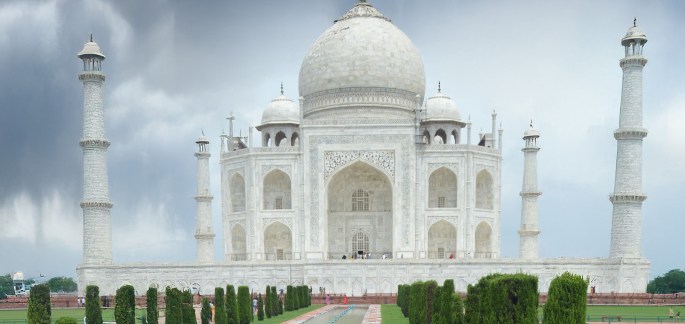
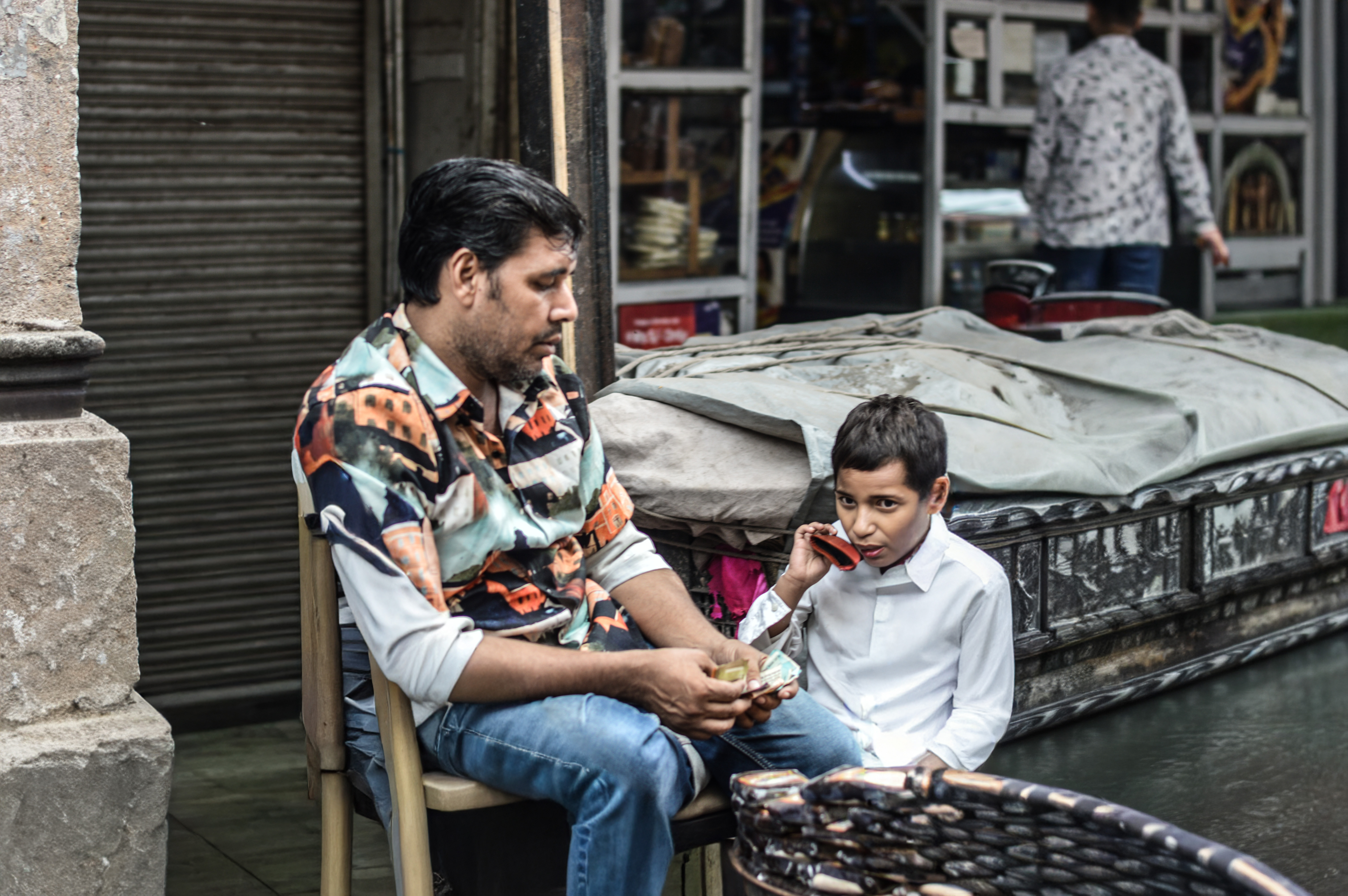
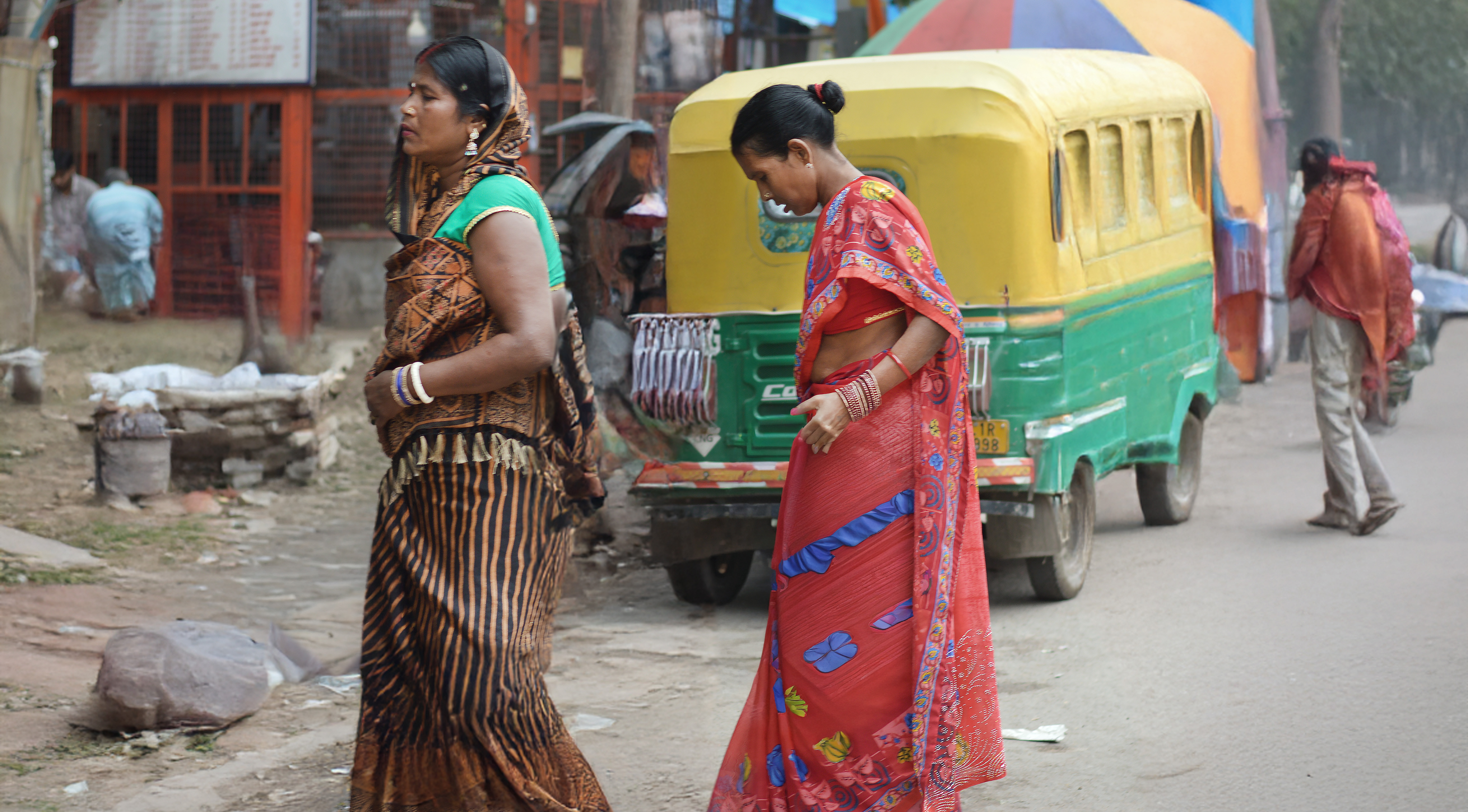
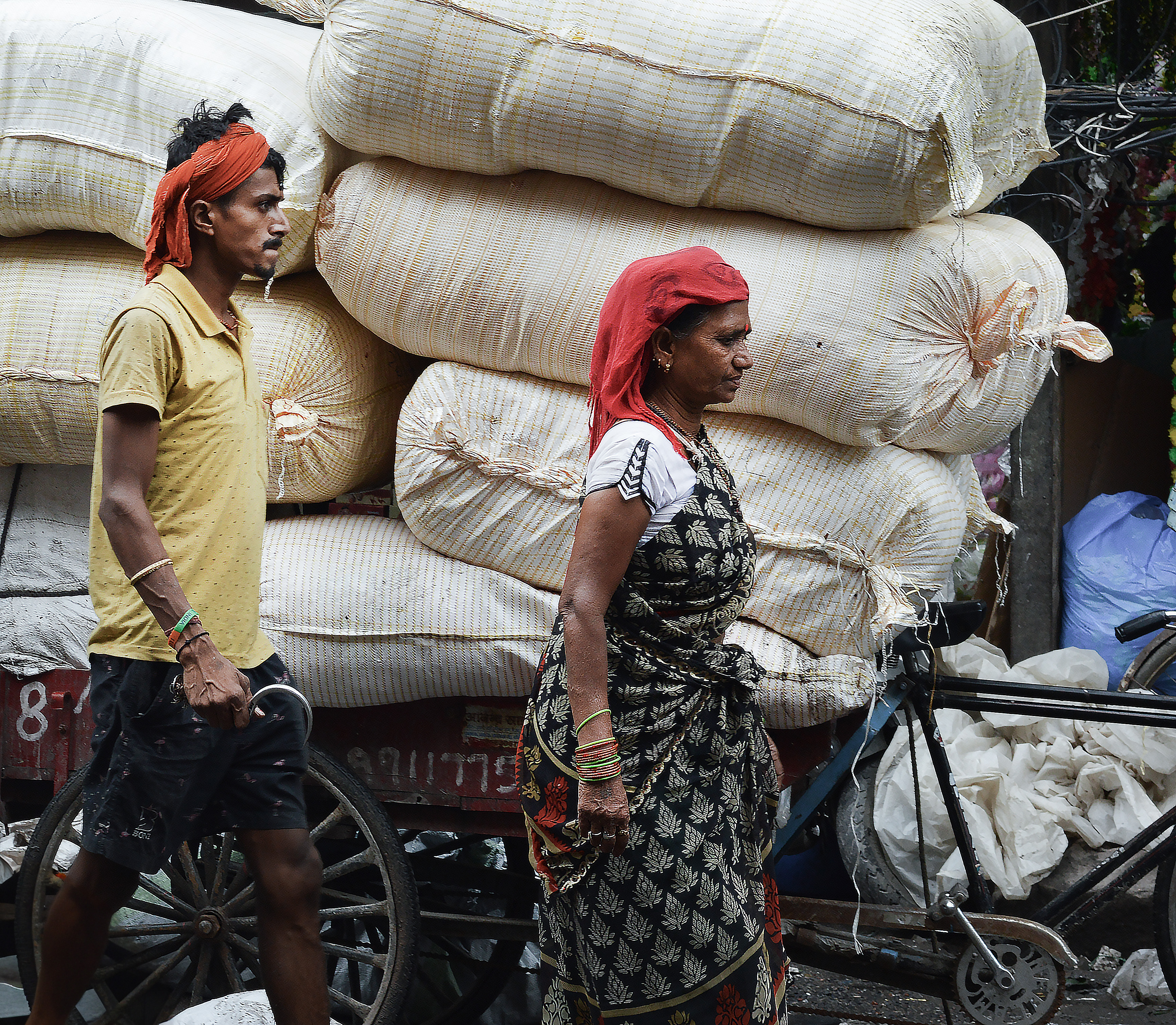
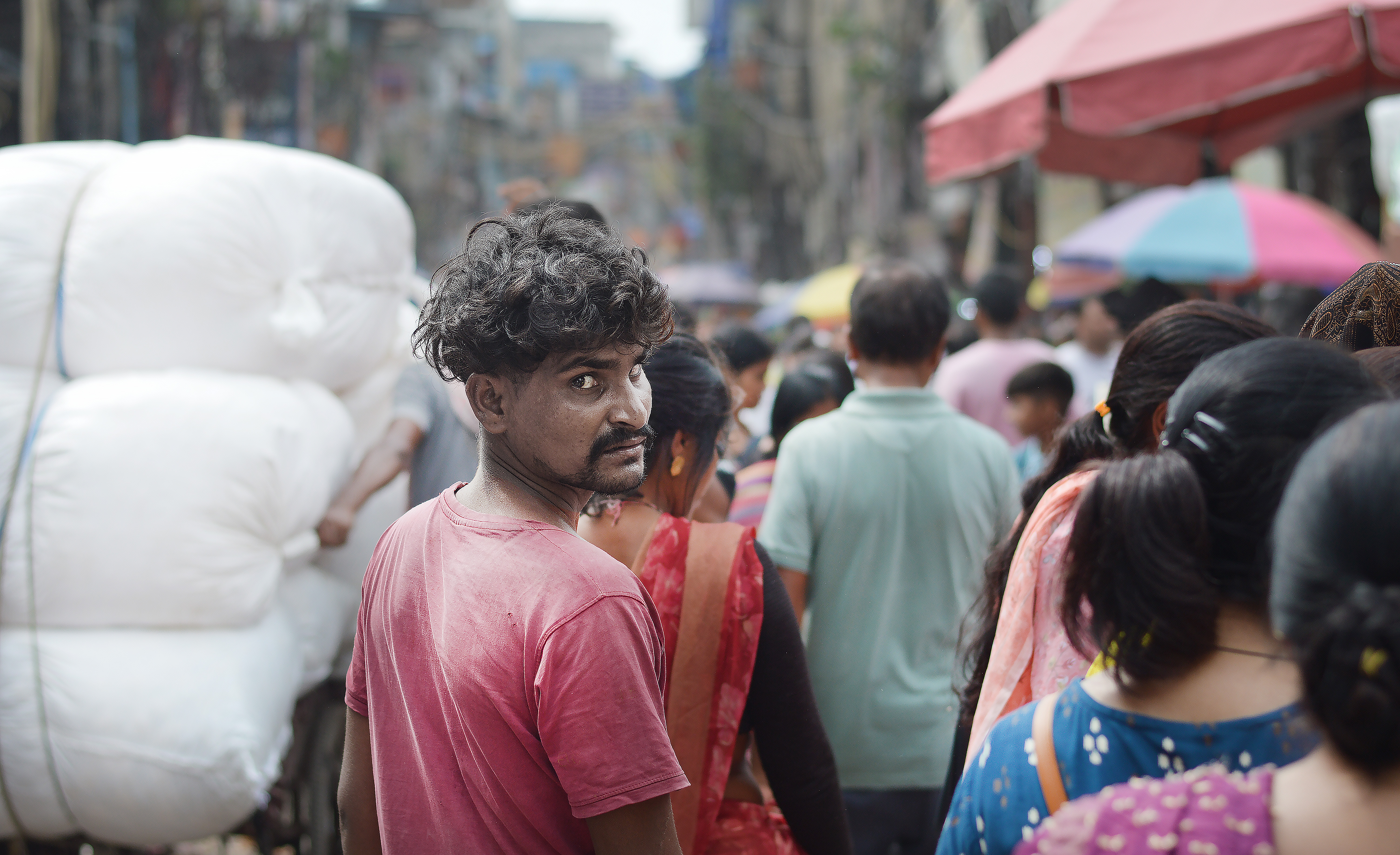
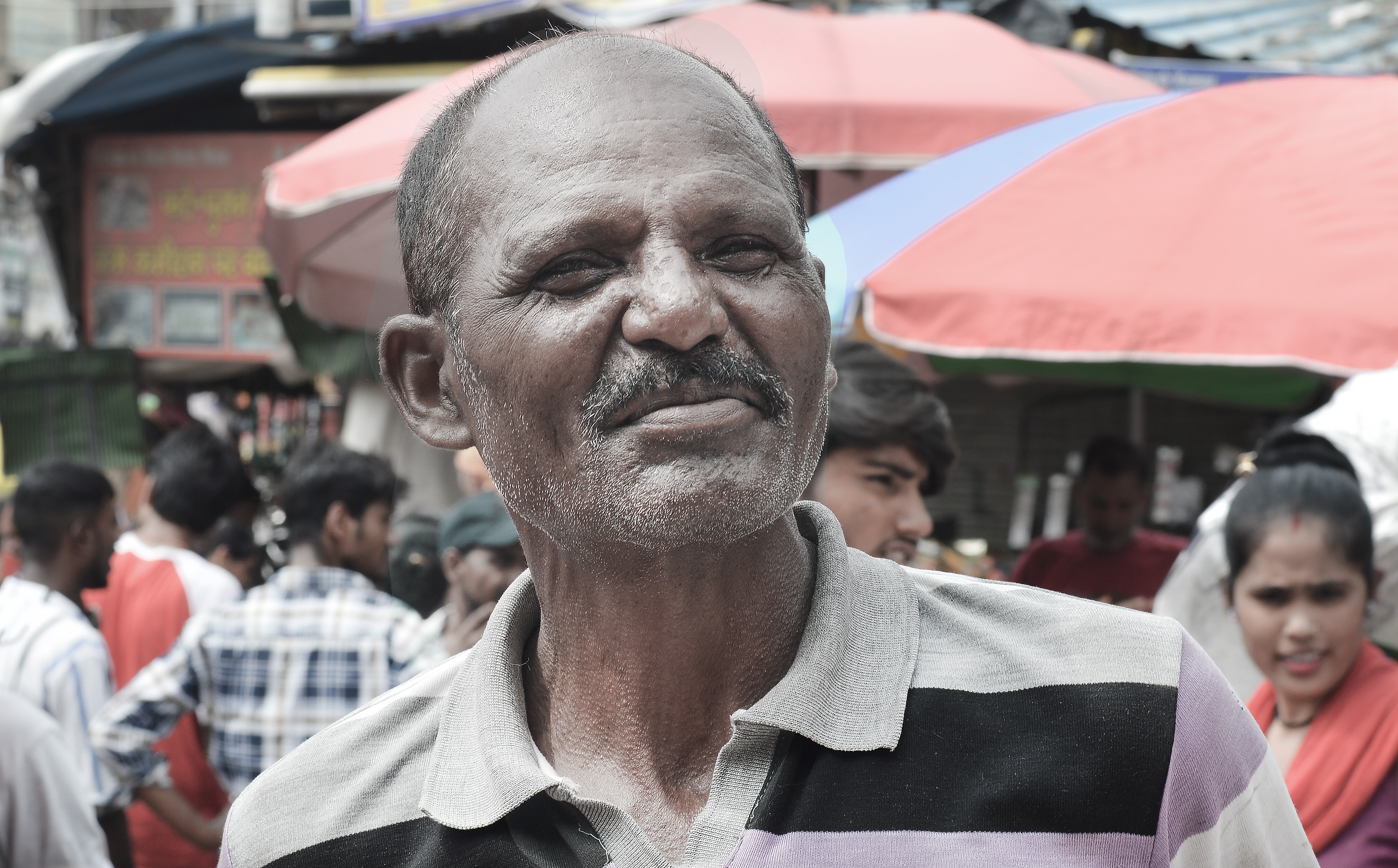
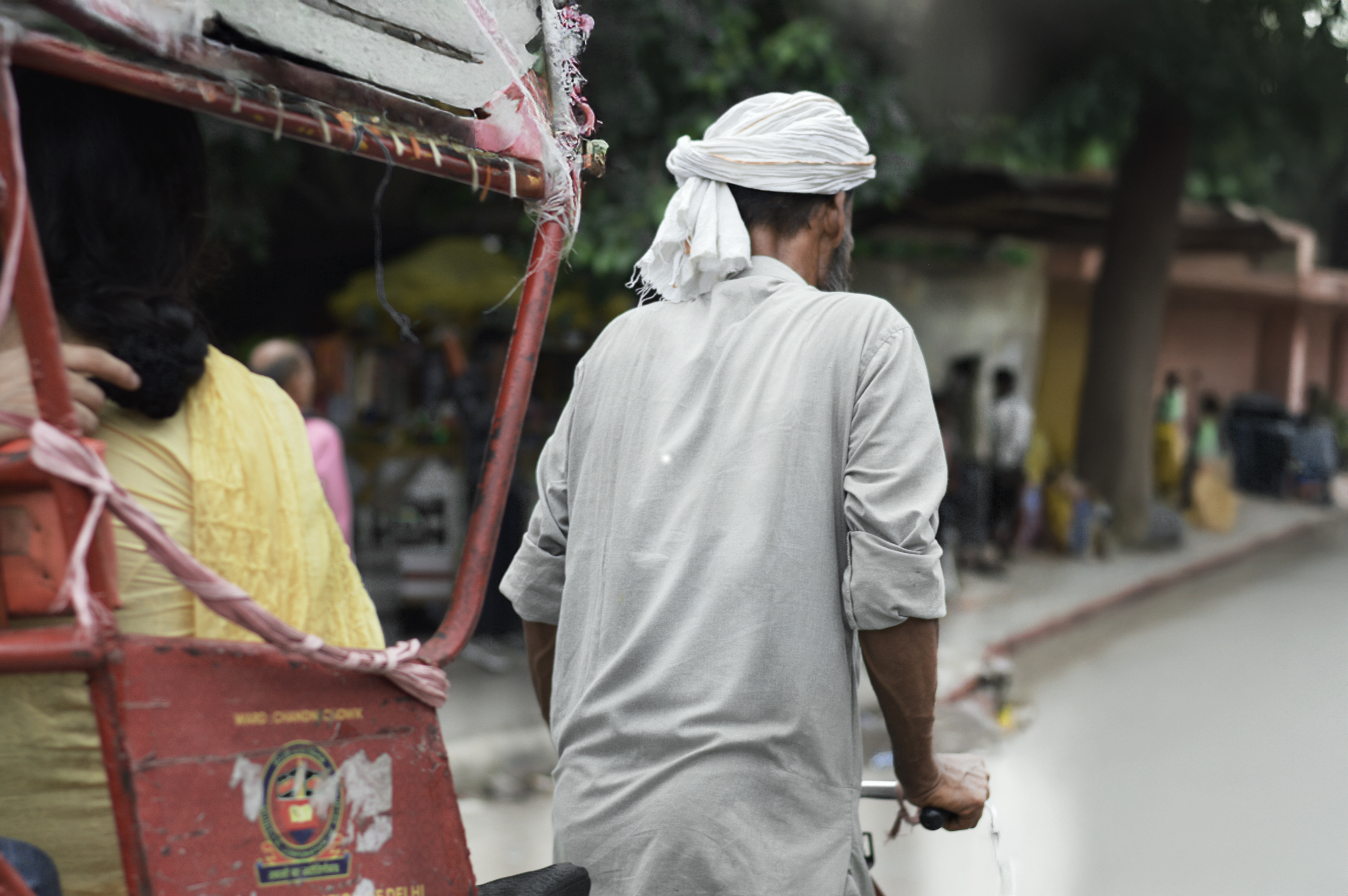
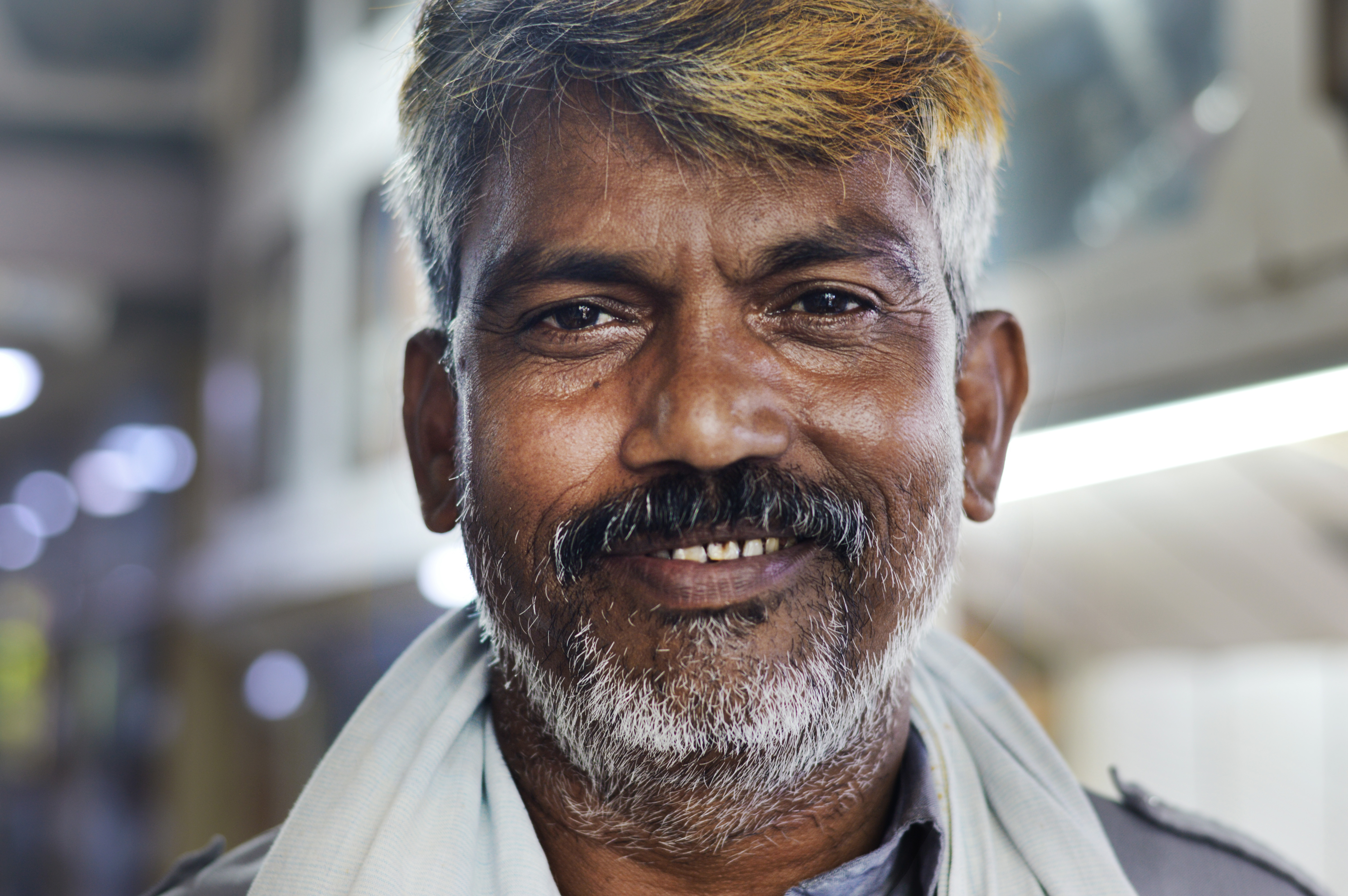
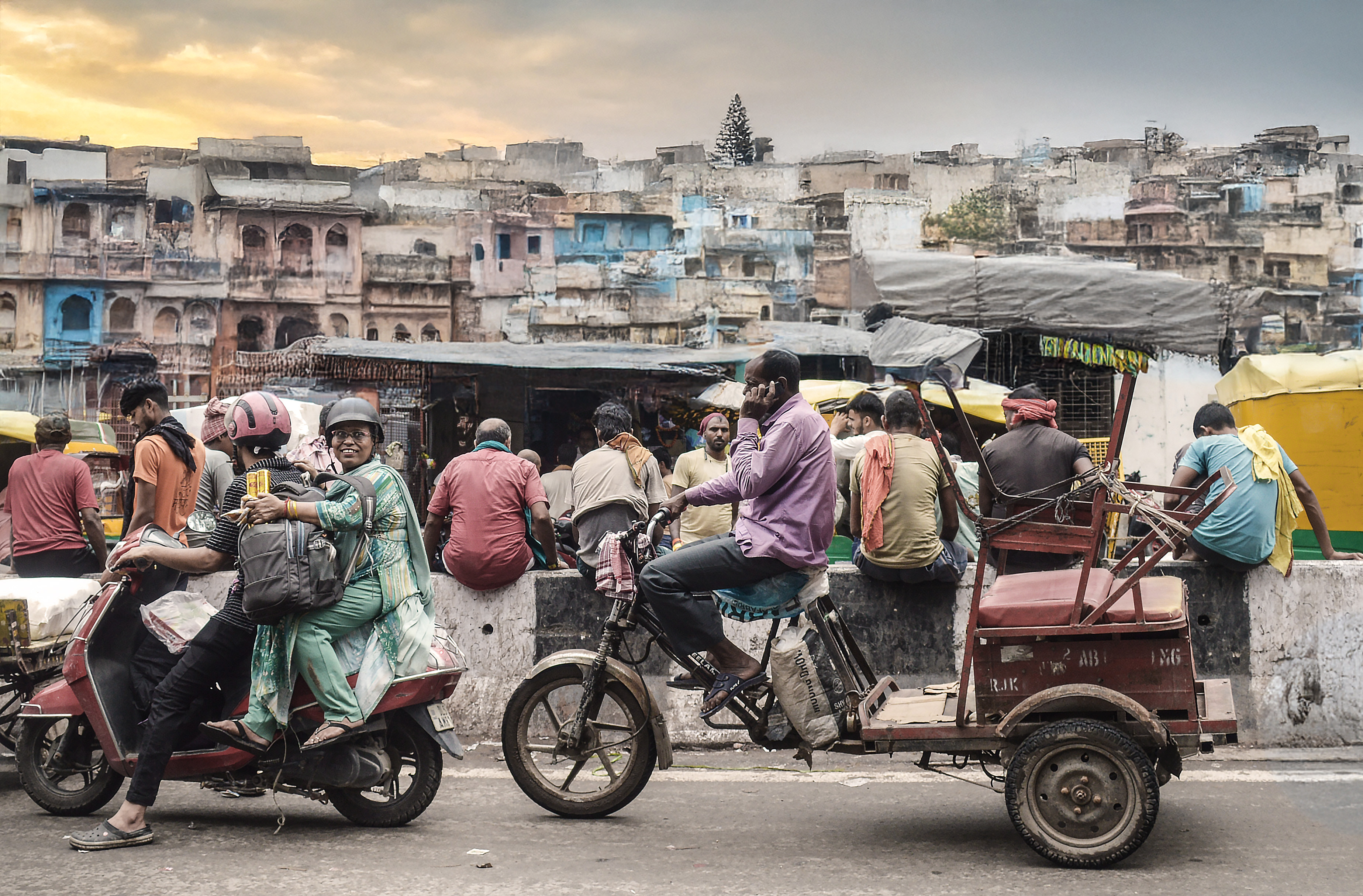
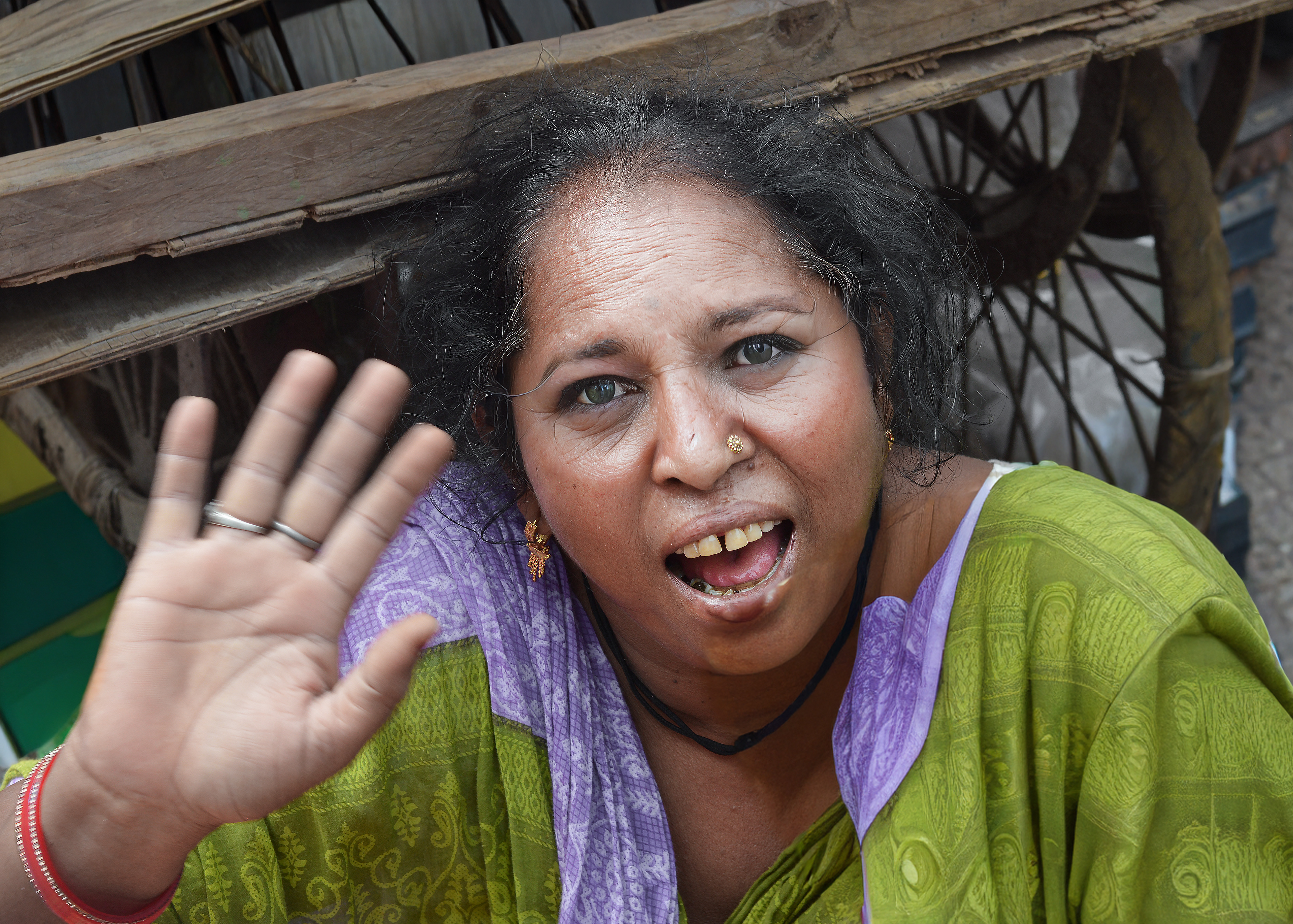
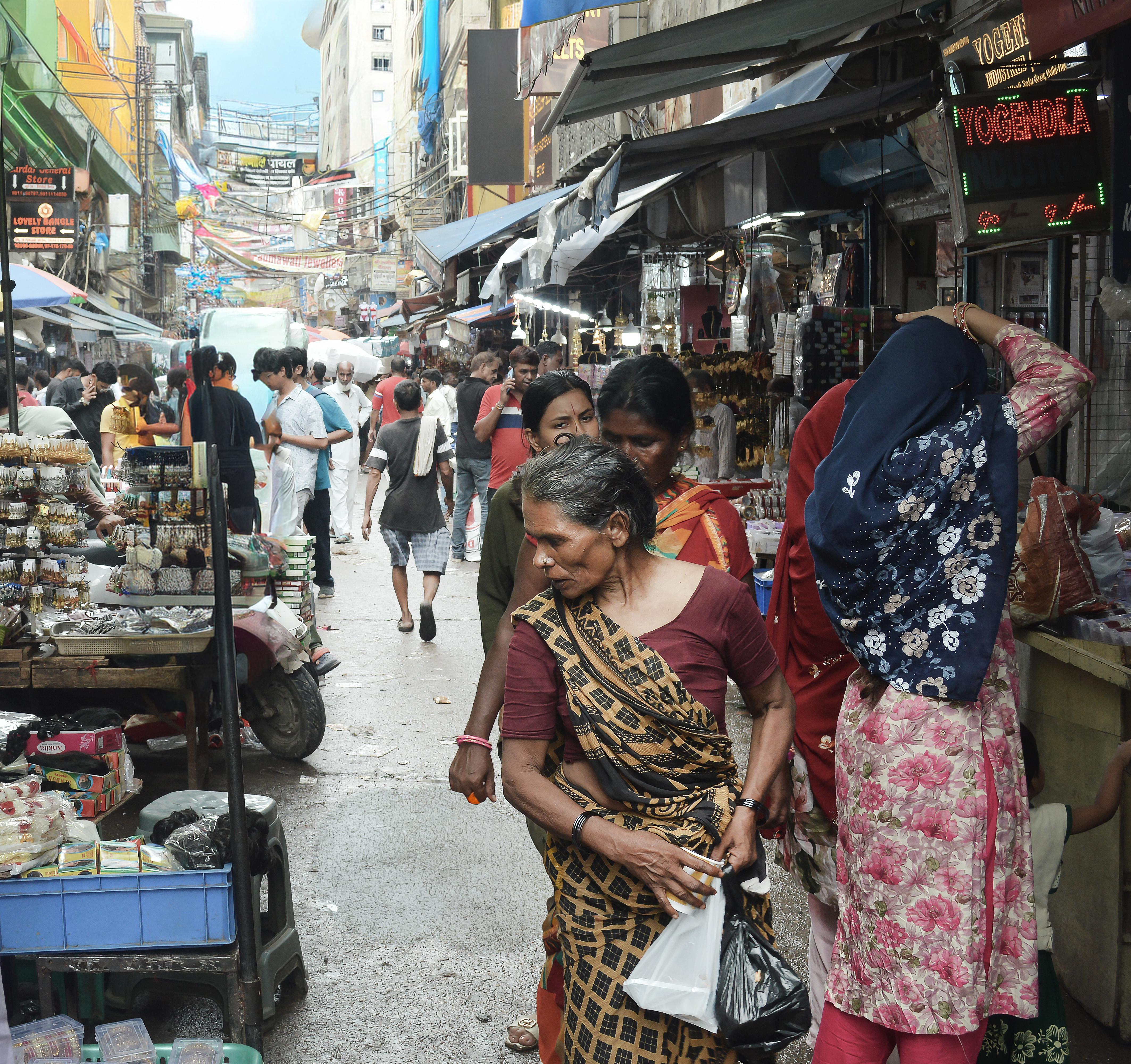
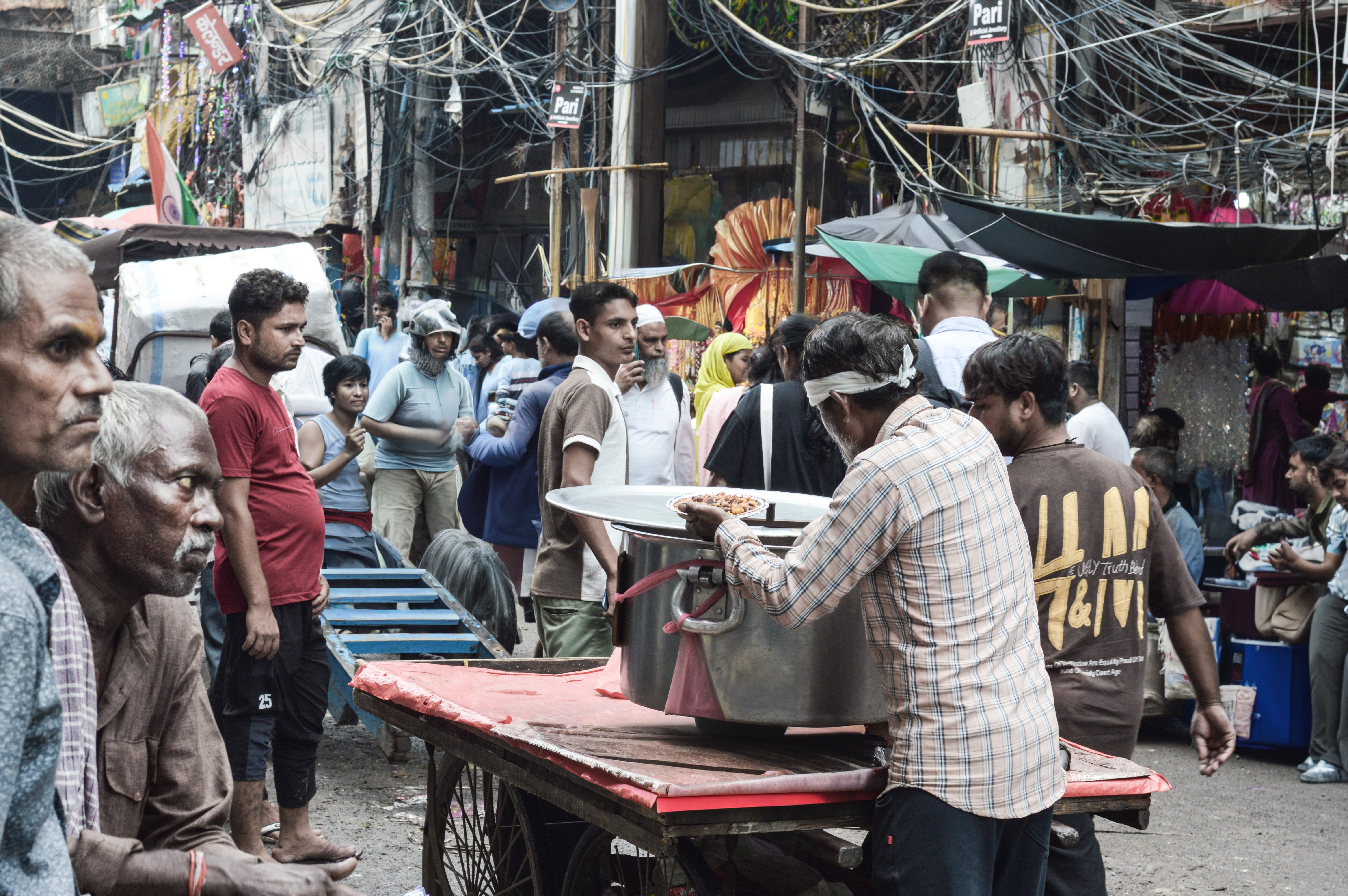
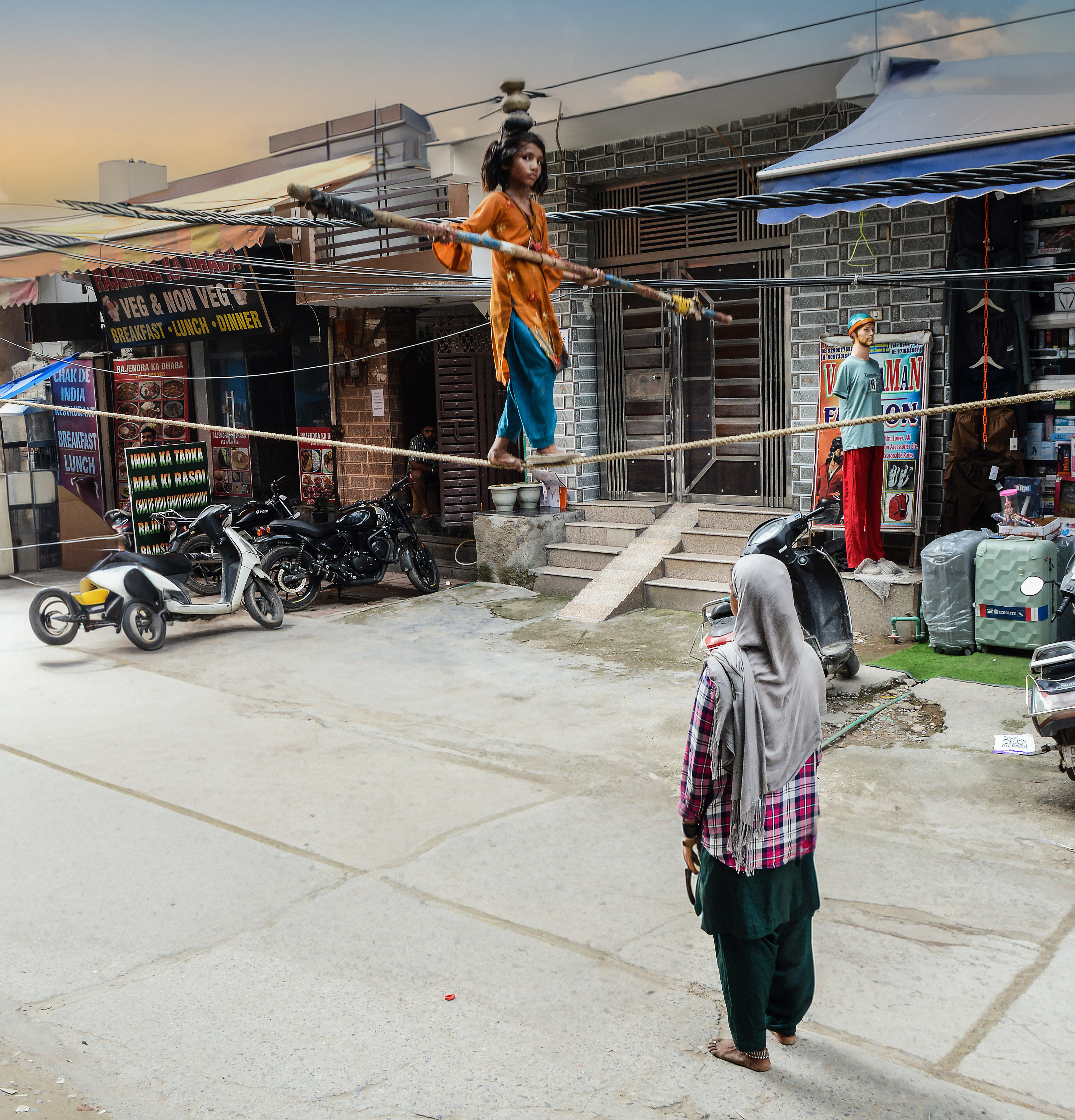
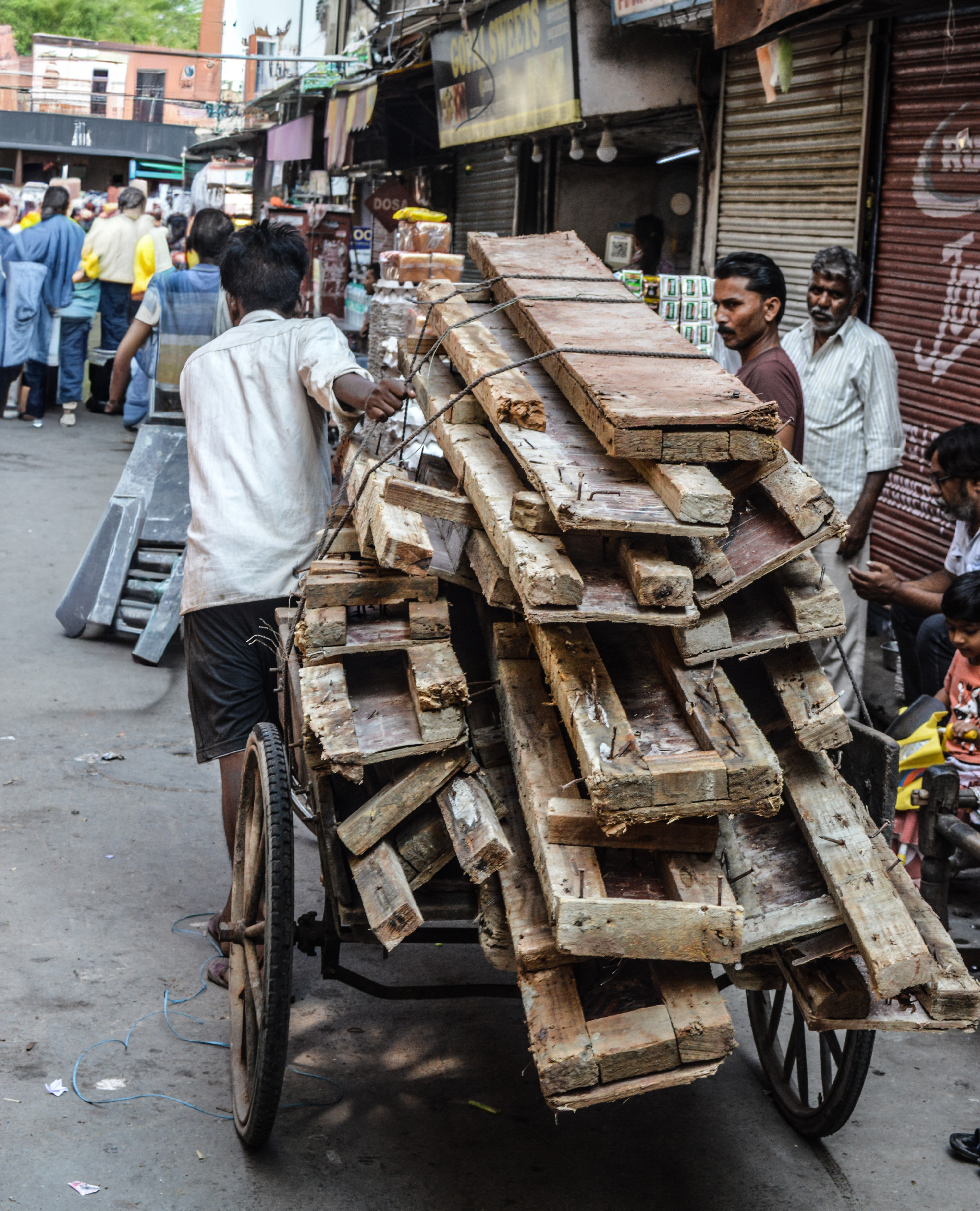
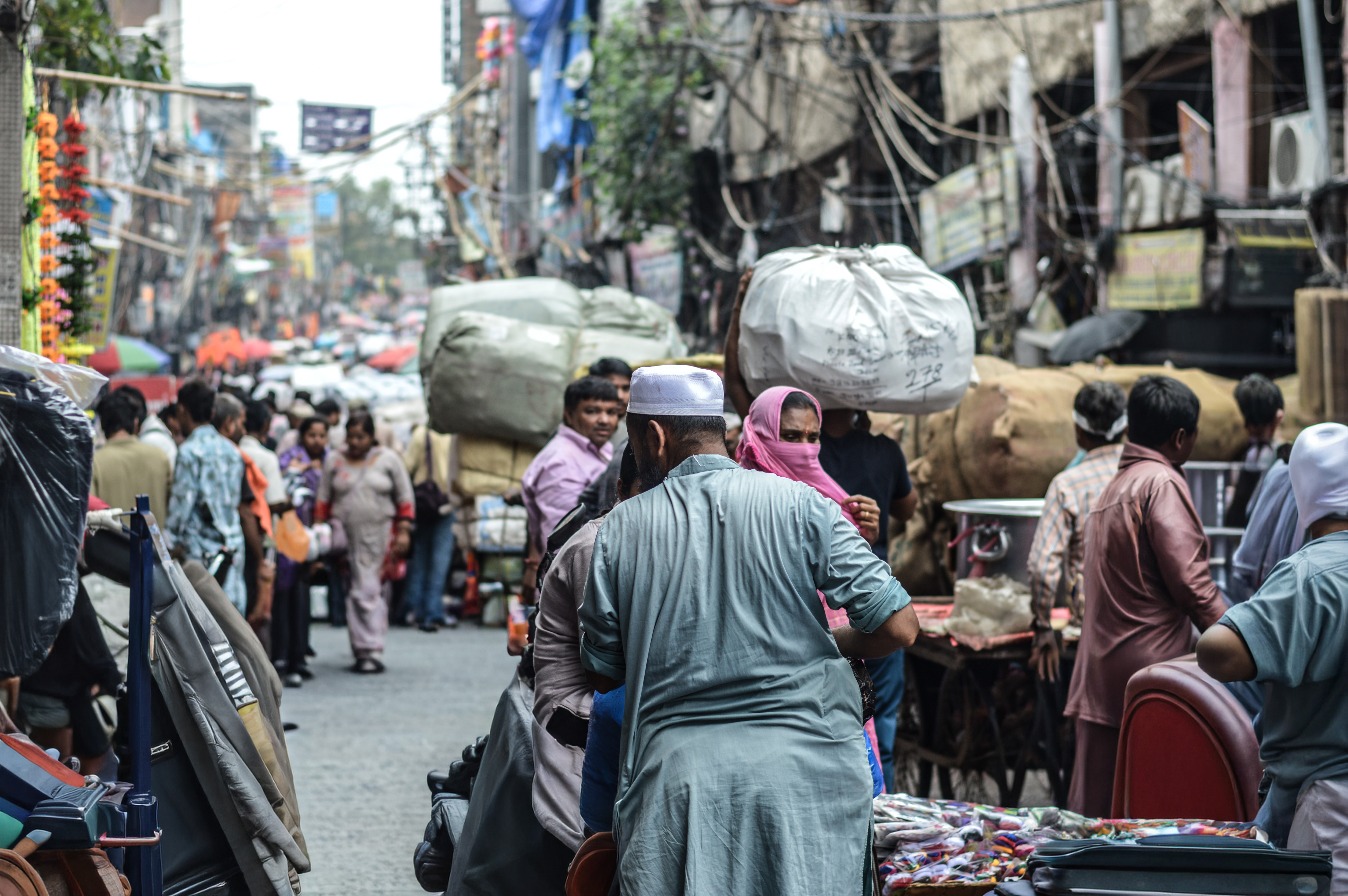
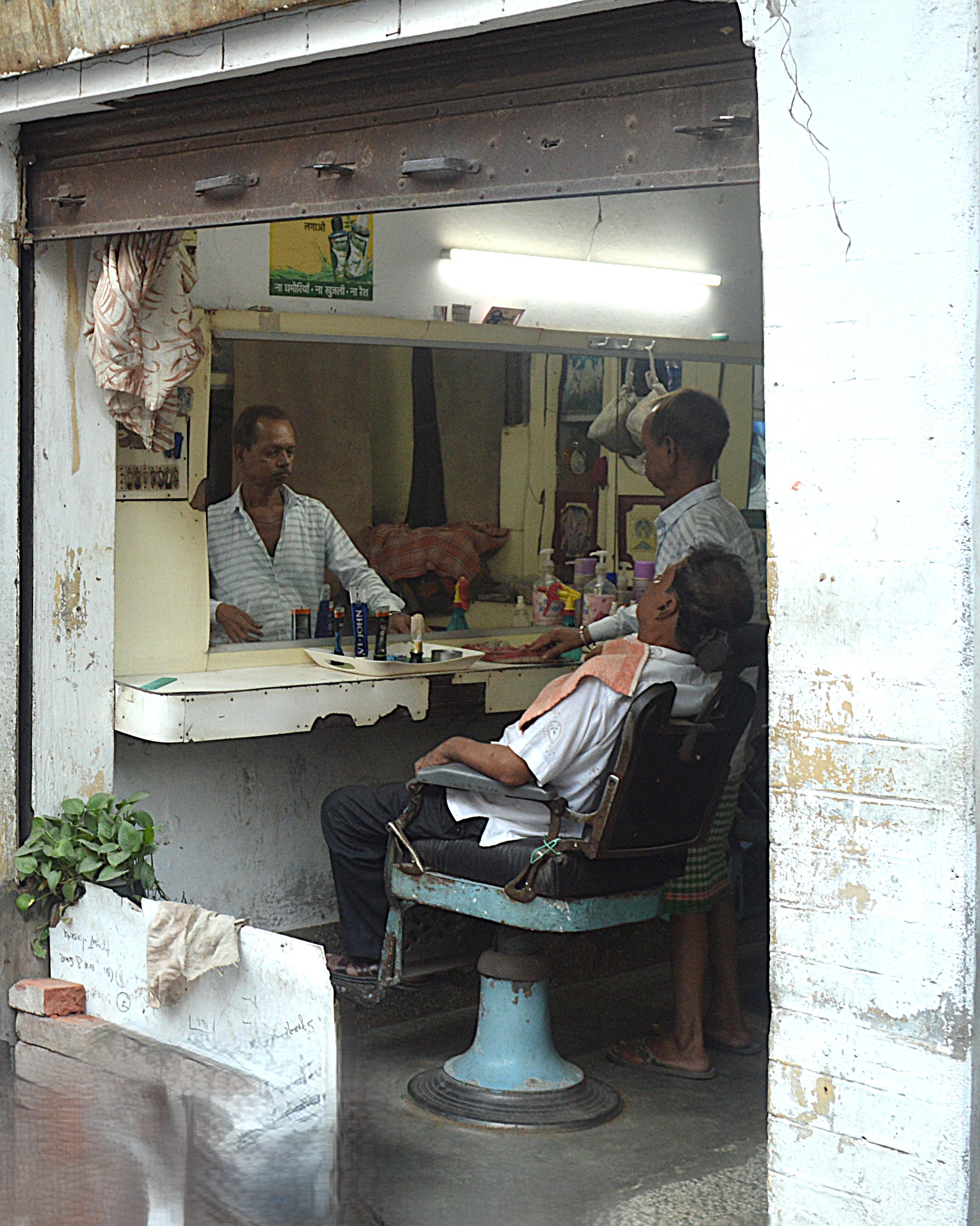
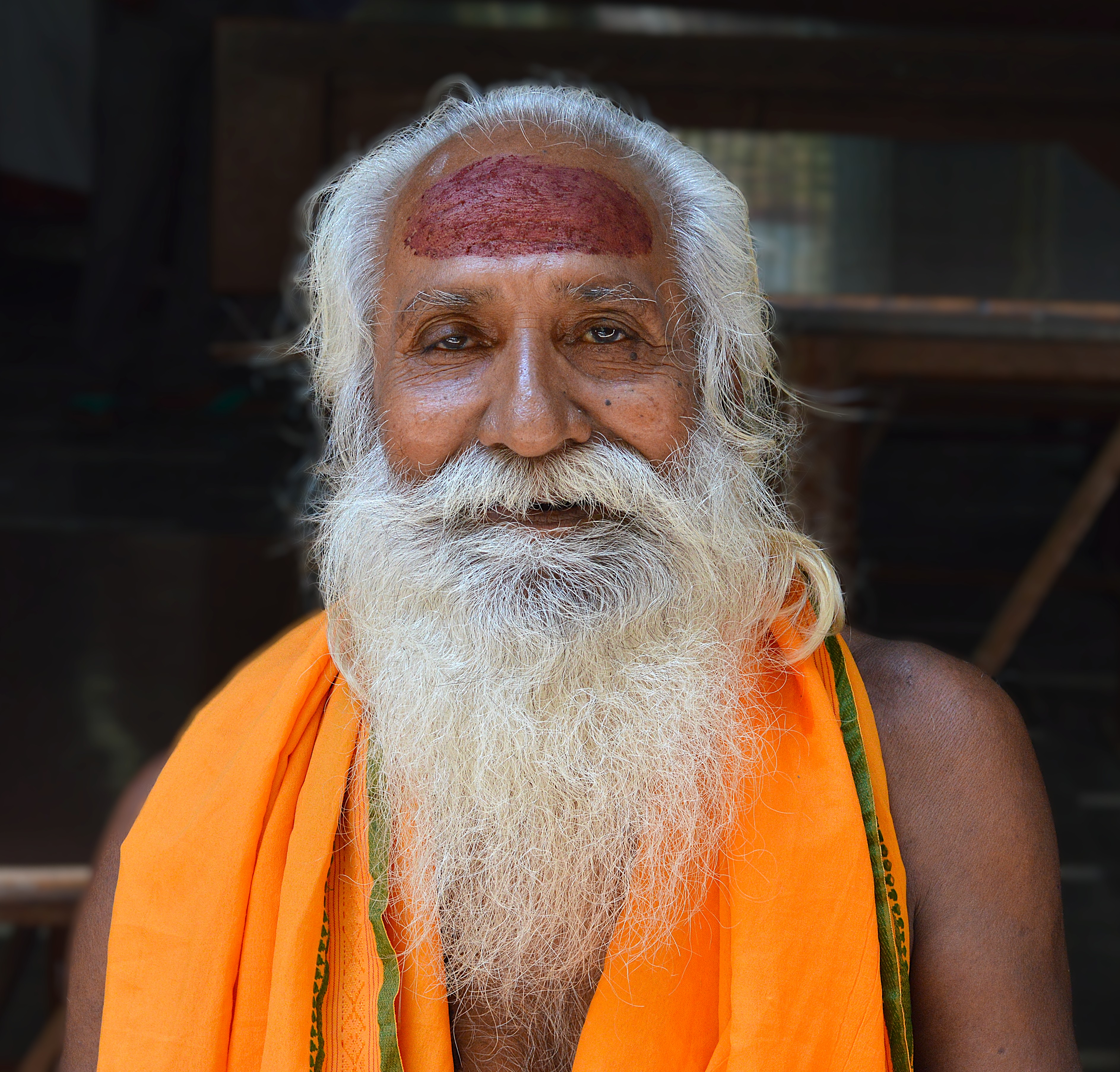
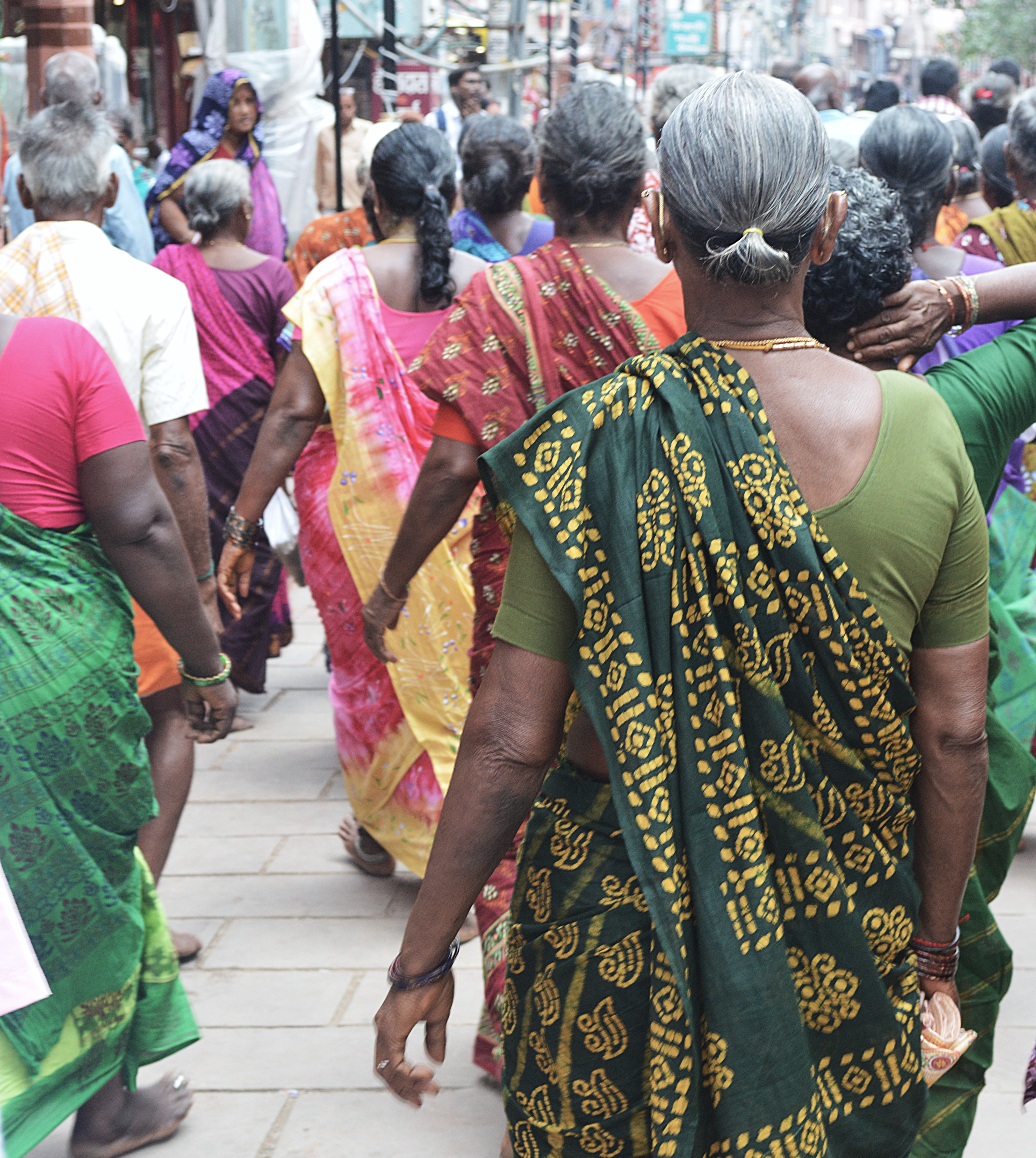
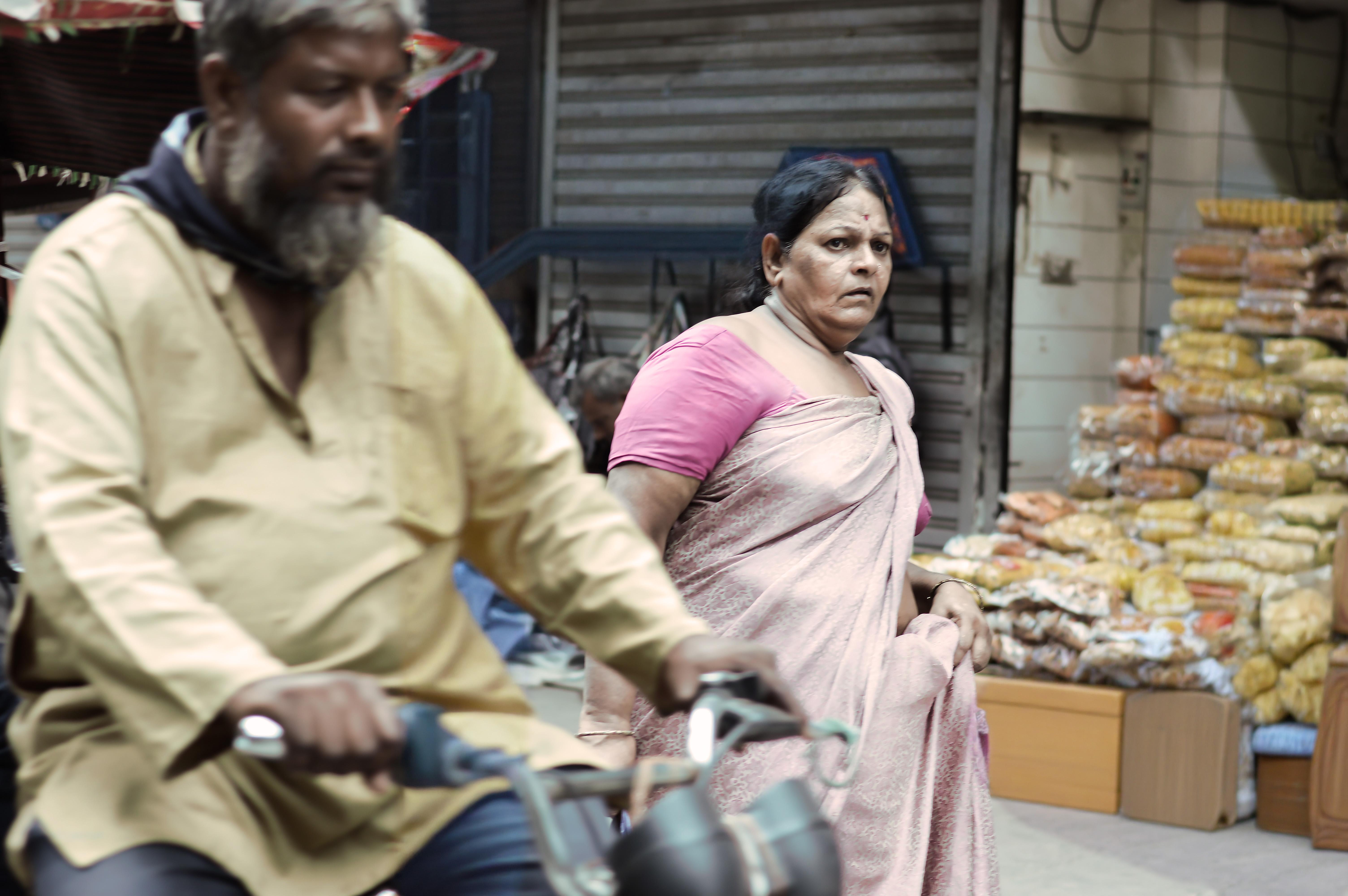
Just a few glimpses of Delhi, photography wasn’t allowed in many places, so I had to rely on memory more than my lens. But the Swaminarayan Akshardham Temple truly stole the show. Its scale, serenity, and spirit moved me more than the Taj Mahal ever did. And honestly, the greatest treasure of India? The people on the streets. Their warmth, energy, and everyday grace made this journey unforgettable.

Convincing photos to choose an organized trip from San Pedro to Uyuni

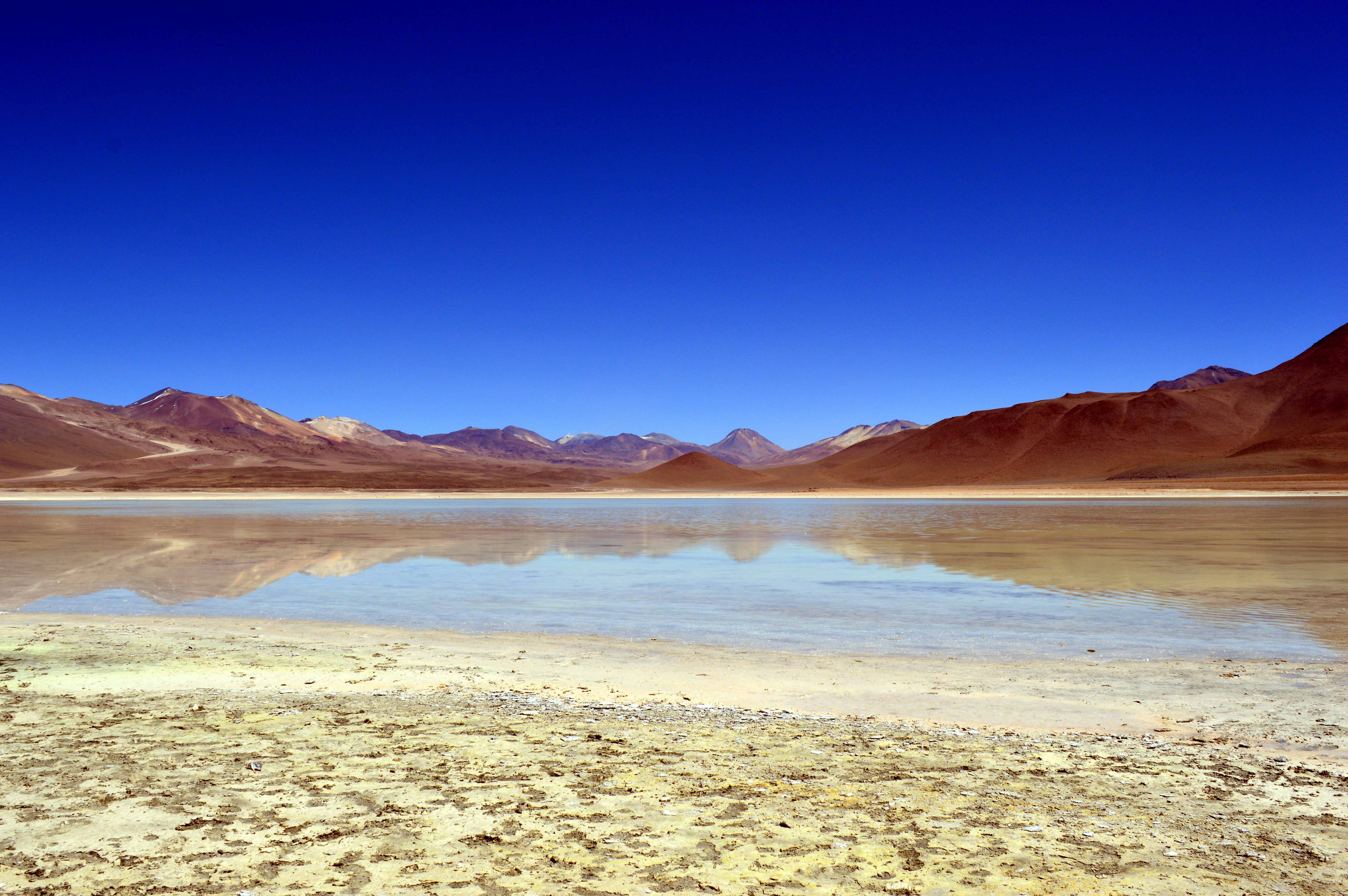
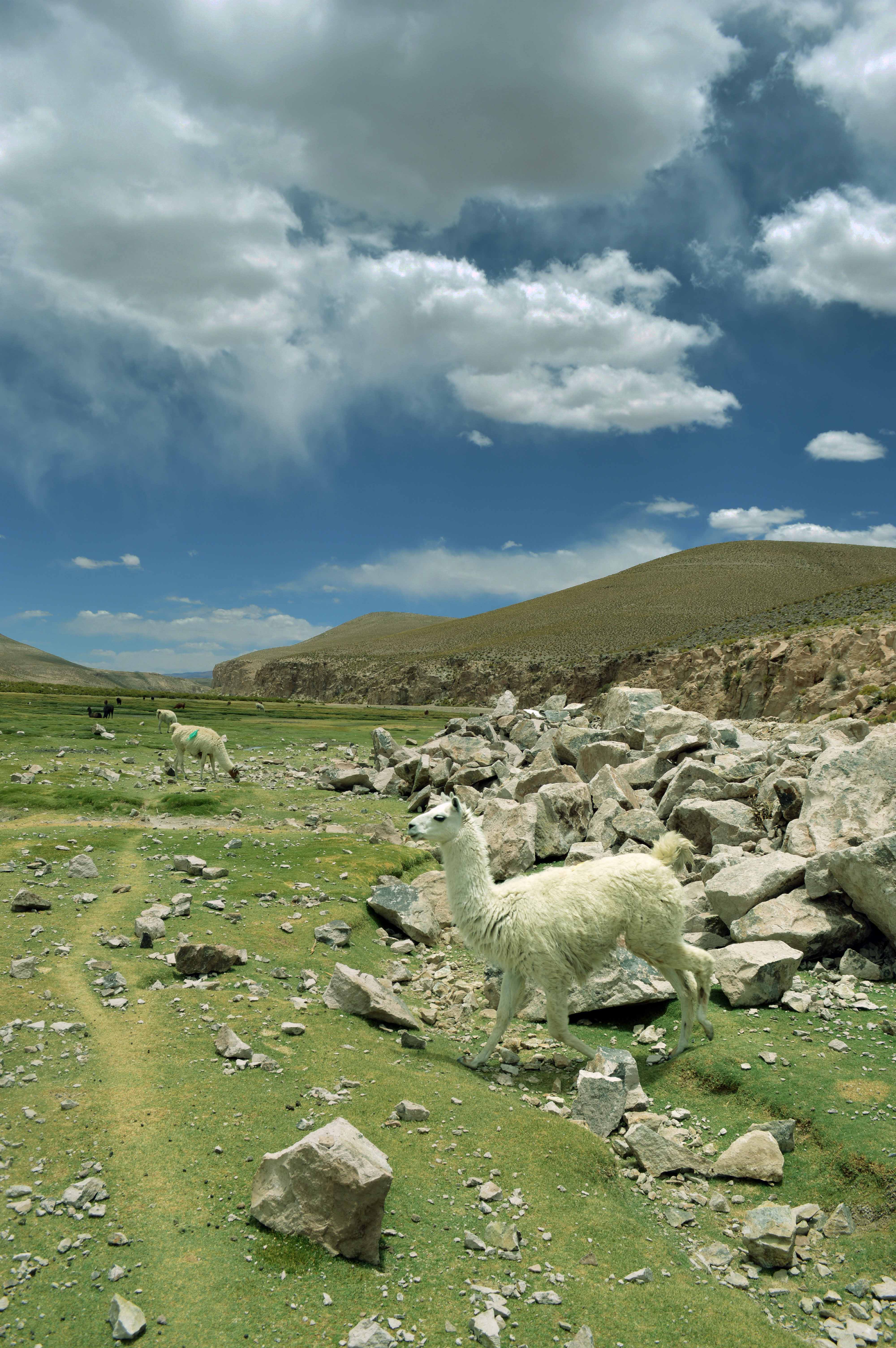
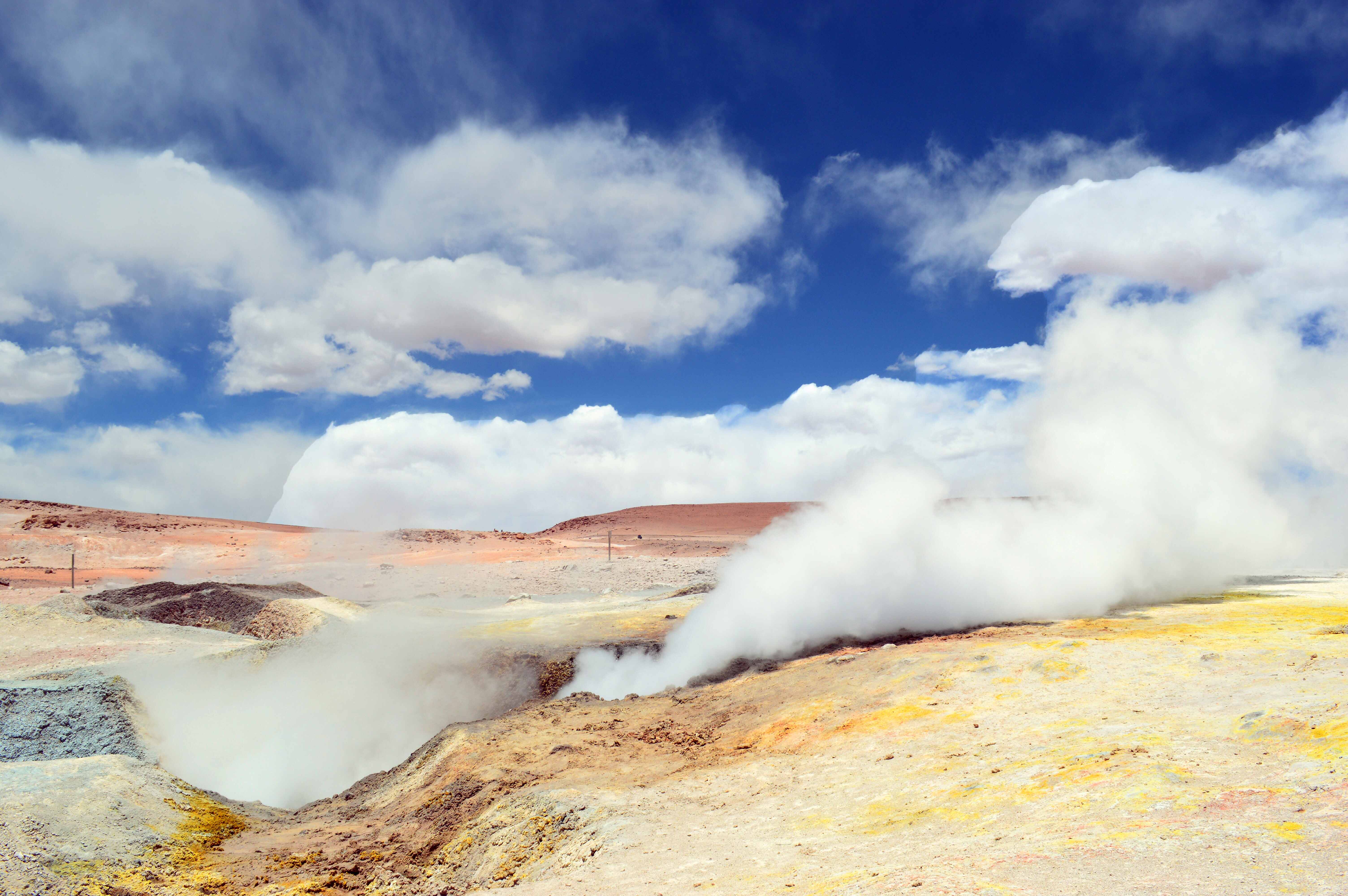
  If you are still thinking whether you should cross the border between Chile and Bolivia yourself, please stop right now! Magnificent Salar de Uyuni is a must see place while in Bolivia or in northern part of the Chile. Tourists usually do visit this absolutely stunning and unique place from Uyuni, the town in Bolivia, or from San Pedro de Atacama in Chile. It is not so difficult to get to salt flats without any guide, but tour agencies, that can be found in many towns all around, came up with a wonderful 3 or 4 days tours that include Salar de Uyuni, as number one attraction, along with many more wonderful places that you can see only with a guide and by 4×4. Dry salty area, as a highlight, will become just like an addition next. Salar de Uyuni will get overshadowed by beautiful lagoons, geysers, deserts, volcanoes, truly remote villages, you will spend a night in (including a hotel made of salt), and interesting rock formations. It is one of the most bizarre and beautiful places in the world you just can not miss, especially while so close to it. Paying only 180$ (inc everything as accommodation, all meals, guide, 4×4 transport) for a 3 days tour is just a bargain we have to grab. Unluckily, I have lost loads of my photos from the trip, but I hope the remaining ones will be convincing enough for you to book this trip.

How to Get from Chișinău to Tiraspol – The Border-Bending Mini Adventure

Quick Facts

  • Destination: Tiraspol — capital of Transnistria, an unrecognized autonomous region within Moldova
  • Best transport: Marshrutka (minibus)
  • 🛂 Border control: Yes, prepare for migration card, but takes around 5-10 minutes
  • Ticket price: 57 MDL (~€2.90)
  • Travel Duration: ~1.5 hours
  • Departure point: Chișinău Central Bus Station, right next to the market

Finding the Right Marshrutka

Head to Chișinău’s Central Bus Station, next to the buzzing market stalls. Exact spot on map here. Look for signs (or people shouting “Tiraspol!”). And here’s the golden tip:

The ticket booth is literally 2 meters from the marshrutka — you can’t miss it unless you’re distracted by roadside plums.

They run very often (every 20 minutes or so) from 6.00 am till late.

Cash preferred, but card payments were accepted on my trip. Cost: 57 Moldovan lei, confirmed by photo — no guessing!

Say “Tiraspol?” with confident curiosity — locals respect head-tilts.

🍚 The Most Important Tip (More Important Than Your Migration Card)

Inside the market next to Chișinău’s Central Bus Station, hidden among stands and shouting sellers, there’s a food stand: A man who serves Uzbek plov that’s straight-up 10/10.

No fancy sign.

Location: Inside the market hall — follow the scent. Price: Budget-friendly — but you’ll pay in loyalty, because you’ll come back daily. Quantity: Measured in kilograms (not exaggerating — I did exactly that)

Border Crossing into Transnistria

Yes, Transnistria has its own de facto border — but no visa needed.

At the checkpoint:

  • You’ll receive a migration card (white paper with Soviet-style fonts) — guard it like treasure.
  • The border officers are neutral, almost theatrical in their seriousness — no drama if you keep calm.
  • Your driver usually collects all passports on the way back and returns them after inspection — strange but normal. But on arrival, you go trough the office for the card and passport check.

Want to stay overnight? Tell the officer! Otherwise, you might get a same-day transit permit.

Returning from Tiraspol – The Escape Plan (but make it casual)

If you’re ready to head back to Chișinău after exploring Lenin, nostalgia, and beach vibes by the Dniester — don’t panic, the marshrutka is always waiting here (exact spot of the stand), by the train station.

Return ticket? Buy it at the railway station in Tiraspol — look for the kiosk next to the waiting area. I paid in Molvodan leu with no problem. It’s got that time-stood-still aura and the staff are surprisingly efficient.

Departures: Marshrutkas leave every ~20 minutes, give or take a philosophical pause. No need to book in advance — just show up, say “Chișinău?”, and hop in. Ticket price should match your arrival fare: ~57 MDL

Tip: If you liked the plov in Chișinău, you’ve got just enough time to crave it again by the time you’re back.

Language, Currency & Vibe

  • Everyone speaks Russian
  • Local money = Transnistrian rubles — they’re plastic coins, like arcade tokens from a Soviet theme park
  • Leu isn’t widely accepted — change money in Tiraspol

“It’s Moldova, but not Moldova. It’s legal, but not official. It’s chill, but politically confusing.”

Why Tiraspol (Without Saying “Why Tiraspol”)

This is a country that never made it to the UN. Tiraspol is strange, safe, quiet and mildly cinematic — perfect for those who enjoy layered maps and unexpected detours. No bucket list hype — just curiosity, Cyrillic and clouds of cold-war nostalgia.

How to Get from Chișinău to Comrat in Gagauzia

Comrat – capital of Gagauzia. It sounds mysterious, and it is. But it’s also reachable. Here’s the breakdown for fellow wanderers.

Why Comrat?

Comrat isn’t just a stop — it’s the capital of an autonomous region where ethnic Turks speak Russian, wave Moldovan flags, and drink ayran. It’s where geopolitics gets cozy with kebab, and where you’re never quite sure if you’re closer to Istanbul or Moscow…

🛂 Border Crossing & Travel Requirements

Gagauzia is part of Moldova, so traveling to Comrat does not involve any border control, passport checks, or special permits. It’s just like going from Katowice to Wrocław, but with more grapevines and unexpected kebab stands.

This is the opposite of Transnistria, where entry does require a quick stop at a de facto border, and you’ll usually fill out a migration card upon arrival. While Transnistria isn’t internationally recognized, it functions with its own rules — including border formalities, checkpoints, and a charm straight out of a Cold War novella.

So if you’re heading to Comrat, relax: your passport can stay buried in your backpack.

Option 1 (and best?): Marshrutka from Gara de Sud (Stand 16)

  • Link to map of bus station here.
  • Departures are roughly every hour – mine left Monday at 9:00 or 9.10 AM (cant remember)
  • Marshrutkas leave from Stand 16 at Chișinău’s Southern Bus Station (Gara de Sud)
  • Tickets: buy them at the booth right next to the number 16 standcard payment accepted. The marshrutka ticket from Chișinău to Comrat costs 67 Moldovan lei, which is around $3.80 USD. I don’t think you can buy a ticket in advance. When I arrived in Comrat, I tried to purchase a return ticket, but the woman selling them didn’t want to sell it to me — I couldn’t understand her. Then the bus driver who had brought me arrived, talked to her, and she ended up selling it to me
  • Just say: “Comrat?” – smiles and head nods
  • Duration: 1h 30min to 2h 30min, depending on traffic, road karma, and whether the driver feels
  • The main bus stop in Comrat is located at Strada Victoriei 2, right in the heart of town. Locally, it’s known as the Comrat Bus Station, and it’s just a short walk from the central park and Lenin Street — so if you see a statue or a cathedral nearby, you’re probably close!
  • From Komrat to Chișinău’s Southern Bus Station at: 6.00, 6.30, 6.50, 7.00, 7.15, 7.30, 7.36, 7.55, 8.15, 8.20, 8.45, 9.00, 9.15, 9.55, 10.00, 10.25, 11.20, 12.20, 13.05, 13.35, 14.15, 14.26, 15.00, 15.30, 16.00, 16.30, 17.50, 18.20, 19.00.
  • 💡 Pro tip from the road: if you have time before departure, there’s a tiny spot around the corner serving delicious borscht – comfort soup

Option 2: Taxi

  • Duration: around 1h 20min
  • Cost: $26–31 USD
  • Not sure YandexGo will take you all the way, but it’s worth checking
  • Great for chats about local politics or sharing sunflower seeds with the driver

Getting to Gara de Sud from Chișinău City Center

If you’re staying near the city center (like around the Cathedral Park or Boulevard Ștefan cel Mare), here’s how to reach Gara de Sud:

Public Transport Options:

  • Bus 120, 124 or 186 – all stop near Gara de Sud
  • Trolleybus 9, 17 or 36 – also good options if you’re near a trolley line

🕒 Travel time: 20–40 minutes, depending on traffic. Cost: ~6 MDL (~$0.30 USD) and you can buy it inside the bus from conductor ;)– pay onboard or via e-ticket app (I paid in cash, not sure about card). Stop to look for: Gara de Sud / Autogara de Sud

Bazaars in Bishkek: Where Tradition Meets Modernity

In the bustling heart of Bishkek, the bazaars offer much more than just a marketplace—they are a living tapestry of culture and human connection. Each stall, with its riot of colors and aromas, tells a story of centuries-old traditions interwoven with the pulse of everyday modern life. Wandering through these corridors of commerce, you witness the seamless blend of age-old craft and contemporary hustle—a dialogue between history and now. Essential part of the city’s soul.