Goulash vs KFC-Budapest with kids

  As one of a very few capitals in the world to have a thermal baths in the city center, as a cool attraction to start with, along with a pretty hills around and an amazing architecture, Budapest clearly outshine most of the capitals in this part of the Europe. Yet again, thought more and more popular as a city break destination, still not as popular as it should be. Eastern part of the Europe, and mostly Balkans, are one of the best places to travel on this continent. I really do think it is finally a time for tourists to start putting pins to the opposite side of a Europe`s map.

 Starting with a very similar introduction of the city, you can find in many of my blogs, yet, the content going to be a little bit different. This time I did not travel solo, as always. I was accompanied by my sister and her two kids, changing a little bit my usual experience from crazy, almost obsessive huger for discovery, to a very lazy, ice-cream eating trip. 

Having said that, I enjoyed it a lot! Especially our fun in one of the biggest aqua parks in this part of the Europe, something I would never do as a solo visitor.

What you will enjoy most

  • Stunning building of Parliament

    Definitely my favourite. Neo-Gothic, neo-Romanesque and neo-Baroque, located by Danube River, the building of Parliament is one of the most impressive government quarters in the world. Must be seen from three different points of view: Castle Hill, to see blended panorama around; from the river, while taking a boat; and from the paths surrounded by. Thought, when it comes to the time, evening makes this political building looking lake a fairy tale castle full of magic. My nieces really did enjoy and appreciate the view.

    EU citizens with valid passport can enjoy a free tour of Budapest’s Parliament Building.

  • St. Stephen’s Basilica

    Impressive St. Stephen’s Basilica is the largest church in Budapest that can hold up to 8,500 people. Located in the city center, is hardly to be missed. Although in architectural terms it’s a cathedral, it was given the title of ‘basilica minor’ by Pope Pius XI in 1931. Even that it took more than 50 years to build it, kids took 50 seconds to look and were not so impressed ;). 

  • Soak in the thermal bath

    Hungary is a land of thermal springs, and Budapest remains the only capital city in the world that is rich in thermal waters with healing qualities. I love them, but couldn’t really try. Please don’t make the same mistake. It can be a perfect relaxed day after a busy night out.

  • Tasting traditional food at Central Market Hall

    Built at the end of the 19th century, the Central Market Hall (officially called ‘Központi Vásárcsarnok’ in Hungarian) is the largest indoor market in Budapest. Located very close to the Chain Bridge could make a fantastic attraction while near by. Perfect also to try some very traditional food as sausages, meats, cheeses, fruits and vegetables. Market offers also plenty of vendors selling handicrafts, clothing, embroidery, chessboards and other souvenirs. Paprika and Tokaji are also sold there. Fish market is located in the bottom part, along with the drug store and small Asian grocery. Important to add that, for people who do not only want to focus on Hungarian products, on International Gastro Days (Fridays and Saturdays), the Central Market Hall also features the food and cuisine of other foreign countries.

  • Take a stroll on Andrássy Avenue to Heroes’ Square 

    Nothing better than to just take a walk via Andrássy Avenue to finish at the largest and most impressive square of the city, structured in 1896 to mark the thousandth anniversary of Hungary, called Heroes’ Square (Hősök tere). Located also near the City Park, this place is one of the most visited sights in Budapest.

  • Discover historic Castle Hill

    The historical castle and palace complex of the Hungarian kings in Budapest. Completed first in 1265, but the massive Baroque palace, today occupying most of the site, was built between 1749 and 1769. Constructed high on the hill became one of the most notable places in Budapest, from where, except the streets and building around, you can view the beautiful panorama of the capital. Significantly enjoyed by kids and adults.

  • Spot the beautiful panorama from the top of Gellért Hill

    The hill was named after bishop Gellért (Gerard), who was thrown to death from the hill by pagans in the fight against Christianity in 1046. His statue, which faces Elizabeth Bridge (Erzsébet hid) and holds a cross, can be seen from many parts of Pest. At the top of the hill is the Citadel (Citadella), a fortress built by the Habsburgs after defeating Hungary’s War of Independence in 1849. Hill is located between the Castle Hill and Chain Bridge.

  • Take a free walking tour

    The city of Budapest offers many free tours run on a daily basis that covers different parts and different attractions. Definitely worth joining one, I think especially around the Castle Hill and Parliament.

    What kids will enjoy most

  • Aquapark

    One of the best places for families to enjoy. Aquaworld is one of the largest indoor water theme parks in Europe. There are 17 pools, including a swimming pool, a wave pool and a surf pool, and 11 slides. What else kids would ask for? Out-door swimming pools? Also available to enjoy along with separate area, called kids’ world, with children’s pool, slides and a playhouse. Aquaworld is surly a family favourite one. 15 of the 17 pools are open all year around, and one of the large indoor pools, that is connected to a heated outdoor pool, is also open throughout the year. As much as water can be enjoyed on every single level, the restaurant does not offer a great range of food. Luckily, goulash soup was available to try with freshly made bun.

    Getting to Aquaworld: A free shuttle bus runs every day between Heroes’ Square and Aquaworld. Taxi from the city center will cost around 30 euros.

  • Main park on the island called Margaret Island

    One of the best places to spend a Sunday afternoon. Margaret Island, apart from being an amazingly big and green park located on Danube River right in the city center, offers loads of activities like: bicycle rental, indoor & outdoor pools, playgrounds, a small petting zoo, kids vehicles rental and more. Loads of small restaurants, food stands and and ice cream vans are all around to pick a snack, lunch or dinner from. No traffic make it ideal for a family outing where loads of activities can be enjoyed. Margaret Island is not only a popular destination during the day. It comes alive after sunset too. Definitely kids favourite place after aquaworld, even for a whole day. Can be reach from the land (from the bridge) or by boat, but the last one is the coolest transport to choose from, at a very affordable price too.

  • Chain Bridge

    Spanning the Danube between Clark Ádám tér (Buda side) and Széchenyi István tér (Pest side), the Chain Bridge (Lánchid) was the first to permanently connect Buda and Pest. Kids loved it as of the possibility of hiking the bridge and taking a photo.

  • Cruise on Danube River

    The magnificent scenic divider and connector of Buda and Pest is best discover from a cruise or a ship. The first one offer a relaxing daytime sightseeing cruise that includes a stroll through Margaret Island. Quicker and cheaper option is offered on one of the public boats marked as D11, D12 (that run during the week) and D13 (that runs on weekends).

  • Fast food

    As much as I would love kids to try more of traditional food, they just loved the fact that pizza slices and gyros was available on every single corner. Not much to add to this one really.

  • Balaton Lake

    Perfect for a one day trip to take a break from busy streets of Budapest. The beautiful lake of Balaton is located 135 km from the capital and can be reached by bus, train or car. I think second option is probably the best (around 25$ with return), as the main railway station is close to the city center with underground stop just under. Best time to visit the lake is between June until the end of August. The average water temperature of 25 °C makes bathing and swimming popular on the lake. Most of the beaches consist of either grass, rocks, or the silty sand that also makes up most of the bottom of the lake.

  • Small parks with playgrounds

    Small parks with playgrounds for the kids are available in every area in Budapest, even in the city center. The most important thing about them is that they are very clean and safe, as there is usually a guard during the day and night that is making sure no alcohol is consumed. Smoking is prohibited as well. 
Backpacking South America, my route, total cost and few tips

It took me 4 months to save money and to plan my backpacking trip around South America. Being busy earning cash for my travel, I was also occupied thinking about packing, researching visas issues, planning my route and budget. It really is not so complicated, but it was my first backpacking trip in my life, and I did not have any friends that done it before, who could help me with some tips, to share some experience. I had to heavily rely on internet info and other blog posts to prepare. Yet, I still think there is not that much information about it. Here, I will share with you some knowledge about places I have visited, how I was getting from A to B, my budget, packing and some other tips.

Featured Image -- 6317

Planning your route 

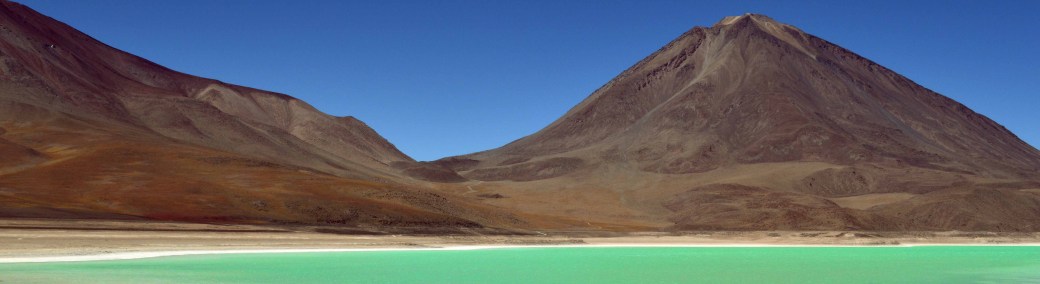
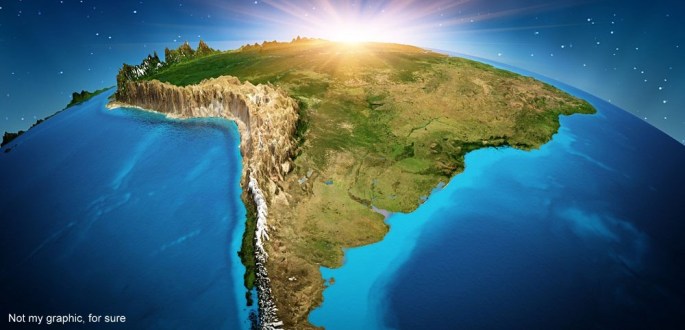
I have to admit that I am very proud of my path. I have visited all major attractions (like Iguazu Falls, Atacama Desert, Salar de Uyuni, Machu Picchu, Titicaca Lake, Dead Road), and I stayed in really amazing places. The only thing I haven’t seen was Angels Falls, as my plane from Bogotá to Caracas, in Venezuela, got cancelled, so I decided just to skip this one. Now, I am thinking that I shouldn’t. Venezuela is truly beautiful, and you can see Amazon from there as well. Basically, I did not plan my whole way around SA back home. I did only think that I will try to visit all countries on this continent, and I set major things I want to see, then I was building my expected way around these places. I think I did well at the end, as I saw 9 countries in total. I booked my hostels/hotels only in 3 first locations, and I planed my route only in the country I started from, Brazil. Then after everything was natural, I was planning my way on weekly basis, changing my mind from time to time. Everything turned out pretty well, and I do highly recommend to fallow my way, but not staying as long in Florianopolis, Santiago and Montanita, as you can add some extra locations to your trip, in Paraguay for example, or just adding Venezuela at the end. I think 6 days is an absolute maximum to stay in one place.

Please note, that real-life vikitravel can be found in every hostel`s kitchen, since there is loads of other backpackers to share their experience and recommend great places to see. Always worth listen and talking to them!

Brazil: Sao Paulo (3 nights) – Florianopolis (8 nights) – Foz do Iguaçu (4 nights) – Paraguay: Ciudad del Este (1 day) – Argentina: Buenos Aires (6 nights) – Uruguay: Colonia del Sacramento (1 day) – Argentina: Mendoza (2 nights) – Chile: Santiago (11 nights) – Valparaiso (1 day) – Vina del Mar (1 day) – San Pedro de Atacama (6 nights) – Bolivia: 3 days trip via desert from San Pedro to Uyuni – Uyuni (3 nights) – Potosi (6 nights) – Sucre (6 nights) – Cochabamba (3 nights) – La Paz (4 nights) – Copacabana (2 nights) – Peru: Puno (3 nights) – Cuzco (4 nights) – Aquas Qalientes, Machu Picchu ( 1 night) – Cuzco (2 nights) – Lima (3 nights) – Mancora (6 nights) – Ecuador: Guayaquil (1 night) – Montanita (10 nights) – Banos (4 nights) – Quito (3 nights) – Colombia: Cali (6 nights) – Bogota (7 nights).

Transport

I traveled around South America only by bus. Just once I used a ferry from Buenos Aires to Uruguay. There are loads of bus companies to choose from in every single country, offering different comfort (except in Bolivia) from normal to fully recline chairs with hot meals served onboard. Mostly possible to book online in advance, again, except Bolivia. Flying is very expensive and a bit pointless while backpacking. Train is an option too, especially now is getting more and more popular, but since I have not used it even once, I can not advise you on this service. I found this blog to be very useful for people who want to travel by train. For bus prices in each country you can have a look at my other post here. Regarding buses, they are very comfortable, except Bolivia (most amazing country anyway), and mostly affordable, except Argentina, Brazil and Chile.

I am afraid missing bags from the storage space under the bus are very common, thought nothing like that happened to me, other travelers, I have met, experienced it. There is nothing you can do about it, just hope that it wont happened to you. Always keep all valuable stuff in a small bag pack with you in the bus, try not to have expensive gear, clothes and shoes, not to miss it too much, just in case.

Border crossing

As a Polish nation, I do not need any visa for any country in South America. There is no fee to pay too, not even a tax (that you pay sometimes in Central America). That is for most of the European countries, even England, Germany and France. Border crossing was always nice and smooth for me, with no any hassle, trouble or any major issues. Actually, border personnel was always extra nice and very interested in me, probably due to the fact that not so many polish people travel in that part of the world. Blond hair and green eyes helped too, I guess. Just queuing for the stamp out/stamp in was annoying sometimes (especially at night). Please note that basic Spanish is essential, as they may ask where you are going to stay, or what is your occupation. It can be also a great time to eat, as there are always loads of food stands around to choose from (not between Mendoza, Argentina-Santiago, Chile). Bus driver always wait for everyone and count passengers to be sure all are in, before continuing journey, unless he doesn’t give a damn about it..nah joking, usually he does. Don`t try to smuggle anything, sniffing dogs are present at every border, and in Colombia, even on any route to stop the bus and search bags and passengers. Thought, I did not have any problems at the border, I’ve heard some stories from male travelers that were experiencing some problems, or being asked to pay a fee, that, of course, wasn’t required.

Budget

For the 4 months of traveling, excluding flying to this continent from Europe, I have spent approx 6.800$, that including everything, staying 70% of the time in hostels, rest in hotels, all the bus travel, food, trips, activities, tickets, parties, clothes, souvenirs…. Please keep checking fly4free website for cheap deals on flights to South America. I bought mine from Belgium to Sao Paulo in Brazil with return for 650$, but can get even cheaper than that. Here is my other blog post, where I look in to prices of each country with estimated daily budget.

Health insurance

Absolutely essential and one of the most important things before traveling. Can be easily purchase online, and is very affordable. You can buy it just day before your departure, and the price will be still the same. If you are not planning anything like surfing, winter-sports, just buy the cheapest one to cover medical bills. Otherwise, if you have some crazy plans, read what your insurance will cover, trust me, I am a lawyer. No point to buy an extra option for electronic losses (phones, tablets, laptops..etc), unless, of course, it is a very good and expensive policy. My friend had her staff covered, and after being theft from her expensive Nikon camera, got 35$ as of insurance for it! Medical cover is the most essential one for a backpacker. I bought mine for around 120$ for 6 months of my travel.

Safety

Just go. Safety is your last thing to worry about before backpacking. People are mostly travel alone now anyway, especially in South America. It is a very safe place, even for solo females, like myself. Just be intelligent and don’t act stupidly (walking alone at night, going out with strangers….etc).

Apps

Maps.me is the most important application. Please don’t take a fancy phone with you, unless you can afford losing it, but good smart phone that runs this app smoothly is essential. Old samsung s series are probably the best. I say it, as I was robbed in Chile, losing my camera, tablet and good glasses, so I experienced it myself. Coming back to maps.me, it is an application that allows you to store and later use maps without wifi. You will be even able to use navigation that will show you your location and directions (no wifi needed, as it runs on GPS). I have to say, I was impresses, as GPS was working for me even high in Bolivian mountains, just almost everywhere, and always in cities and town. Apart from street names, there are almost all hostels, hotels, shops, places of interest, all public offices (post office, police, etc). You gonna use it a lot, like I did. App is free of charge.

Other app I used was booking.com, but please note, booking in advance is more expensive than just good old way of turning at the hostel doors and checking in.

Flickr app is great too. It upload all your photos from your phone automatically (once connected to the internet, just turning the app on), so you are avoiding losing them with your phone. Free app again, but just need to create an account (that is free too).

Kindle/ebook/app to read ebooks is essential for every book lover, like myself.

Packing

Hmm, it is a very good question. I can just give you a few tips, I found to be useful during all my backpacking trips:

  • Less is more! First and most important. Do not take much with you, take half what you are planning in the first place. Clothes are very cheap in South America, especially in Bolivia and Colombia, and by buying them you are getting an amazing souvenir too. Something special in your wardrobe, trust me. I had an umbrella, but haven’t used it even once, so pointless to take. Shoes: funny story, as planning loads of hiking, especially in Bolivia and Peru, I bought and took very expensive Timberlands – throw them to the bin already in Brazil and was just wearing converse (for all my hiking, at the beach, on snow, salt, swamps, deserts….). 2 pairs are max to take.
  • Good light waterproof jacket and cover for backpack is a must. Here, I really love The North Face jackets, they just wont let you get wet!!
  • For girls: hairdryer is not needed, but you may want to use it in Bolivia sometimes, as of a cold temperature. Still, not worth taking it with you, there are always females around to borrow one, if needed.
  • Nova-days, we just can’t live without our smartphones, so it is very important to have an extension for the socket, as in many hostels they are far away from your bed.
  • Don`t try to save money buying a cheap backpack. It is one of the most important things and your home for next months. It will be on your back for many many hours, so very good, comfortable straps are essential. It really needs to be a top quality one. I bought a cheap one, had to sewn it many times, and I’ve had wounds on my shoulders from a very bad straps. Trust me, hurt a lot! Before my next backpacking trip I bought a good one and that made a big difference.
  • Apart from the shoes, I binned quickly, Lonely Planet book on South America got left in my third hotel, simply because I didn’t want to carry such a heavy guide-book, since everything I needed was online. Maybe for people staying in tents, when internet connection is not always available, might be helpful, but otherwise you will be just fine with your smart phone.

Injections

It is wildly required (according to an official info) to have a yellow fever injection and a proof of it! There are 5 more you may want to take. I did all of them, and I’ve had a little book to prove my yellow fever one. I read that you wont be able to enter without it (YF). However, in reality nobody checked it at the border…nobody, even once. But better to take them, just in case and for the peace of your mind.

Last tips

  • Please, wherever you are flying to, don`t stay just one night in your first location. Your body needs to rest after a long fly and adapt to the new climate. It took me 4 days when I landed in Brazil in November from a cold Europe.
  •  I`ve had 50 Euros always in my purse, just in case. Cash machine is not always available. US Dollars are good too.
  • When it comes to thieving and robberies, South America is a leader. Please, always keep an eye on your valuables. Do not keep your backpack behind, always on one arm on the side or on your chest. I was also tightening straps from the zip together.
  • Don`t drink a tab water anywhere, unless it’s confirmed by staff in hotel/hostel or by sigh close to the tap.
  • Planning to buy outstanding sweater, cardigan? Leave it for Bolivia and Peru! Best quality (especially alpaca`s wool) and price.
  • Try to, if possible, have two different types of your cards. I`ve had a Visa and MasterCard, and I found that sometime just first one worked, sometimes second. My MasterCard (credit card) was definitely more acceptable. 
  • Your passport and your wallet is your main priority! Never leave it alone, even in a locker in hostel! You don`t even realize how easy is to open it for professional. I got robbed this way in Santiago, in Chile.
  • Before departure, I gave my mother copy of my passport, insurance, injections I took, all pin numbers and account details, just in case and for peace of my mind. Please do so as well, leave it with someone you trust and memorize phone number, you newer know what might happen.
  • Take 2 types (thin and thick) of padlock. Some lockers got a thin holes (to use smaller one). Don`t worry if you will forget, they are widely available to purchase almost everywhere, along with socket extensions and adapters.
  • Do not panic if there is an error in a cash machine, it may not be your card, but machine might be just empty. It really is a common problem. I remember, in Buenos Aires, I’ve had to try 6 of them, before finding one with money in it.
  • As a budget backpacker, always check general prices in each country. You can have a look here too. A very expensive trip on Amazon trough a rain forest from Brazil might be very cheap from Bolivia, Colombia or Venezuela.


Azerbaijan, few photos and thoughts

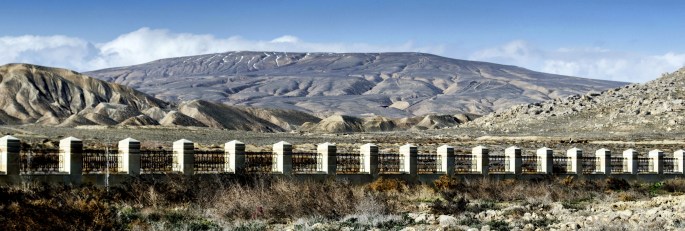
   It felt like all odds were against me. Though, meeting so many obstacles during my Azerbaijan-Georgia trip did not reflect on my opinion on these two countries I adored, especially Georgia, but can`t lie that I am disappointed of not seeing many things, I planned in advance, for different reasons that were out of my hands. Here a good advice is that the best time to visit this area is during the summer time, as connections are probably better and most of the places are open. I am sure it may spare you the disappointment, I have experienced. So what have I missed? Okatse Canyon in Georgia (was closed as of low season time), mud volcanoes in Azerbaijan (car got stuck in the mud, so we couldn’t reach the area), Armenia (yes, I supposed to go there, but road to Kazbegi, in Northern Georgia, was closed three times due to the heavy snow, so I’ve lost precious time and was simply lacking extra days to visit), fellow travelers (I was always alone in hotels) and that tragicomedy moment when I slipped in the hotel`s bathroom, destroying a toilet seat and hurting my back so much, I could not walk…but hey, at least nobody saw it! But please, don`t get me wrong, I truly enjoyed it, but It was just a first time when I haven’t done all I planned. 

My favorite place in Kutaisi

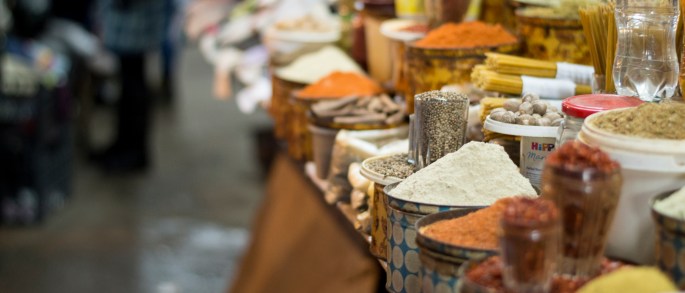
   Heavy rain. Wet shoes. Three hours of sleep, as of my late arrival to Georgia at three in the morning. Feeling disappointed, as all agencies are closed of a low season time. Finally found a private driver, to book a trip for the next day, but Okatse Canyon is closed anyway. Not a very good first day of my trip. Wondering around. Keep looking for a little salvation of my miserable state. Turning, going indoor. A huge u-turn.  From the gray and sad surroundings of Kutaisis, that rainy day, in to the vibrant, colorful market. Food, from nuts to wine, from cheese to figs. Meat, fruits, vegetables, dairy, clothes, wine, chargers, bulbs… and more. Sellers working, engaging and interacting with each other, with customers. Loud noises. People discussing, god knows what, I don`t speak the language, but probably anything and everything. And what do I do? Thought, hungry, ready to buy a food, had to grab my camera first to take some photos of this place. 

Cars of Georgia

  Anything, up and running, is acceptable on roads in Georgia. I am not going to write about the economy situation, laws or safety of my latest destination. Though, I might just want to say that I have a new favorite country in Europe. Now here, stunned and surprised by differences compared to the western driving reality, just wanted to share a few photos of Georgian fast and furious.

Best and cheapest restaurants in Wrocław-culinary heaven for backpackers (May 2025 update)

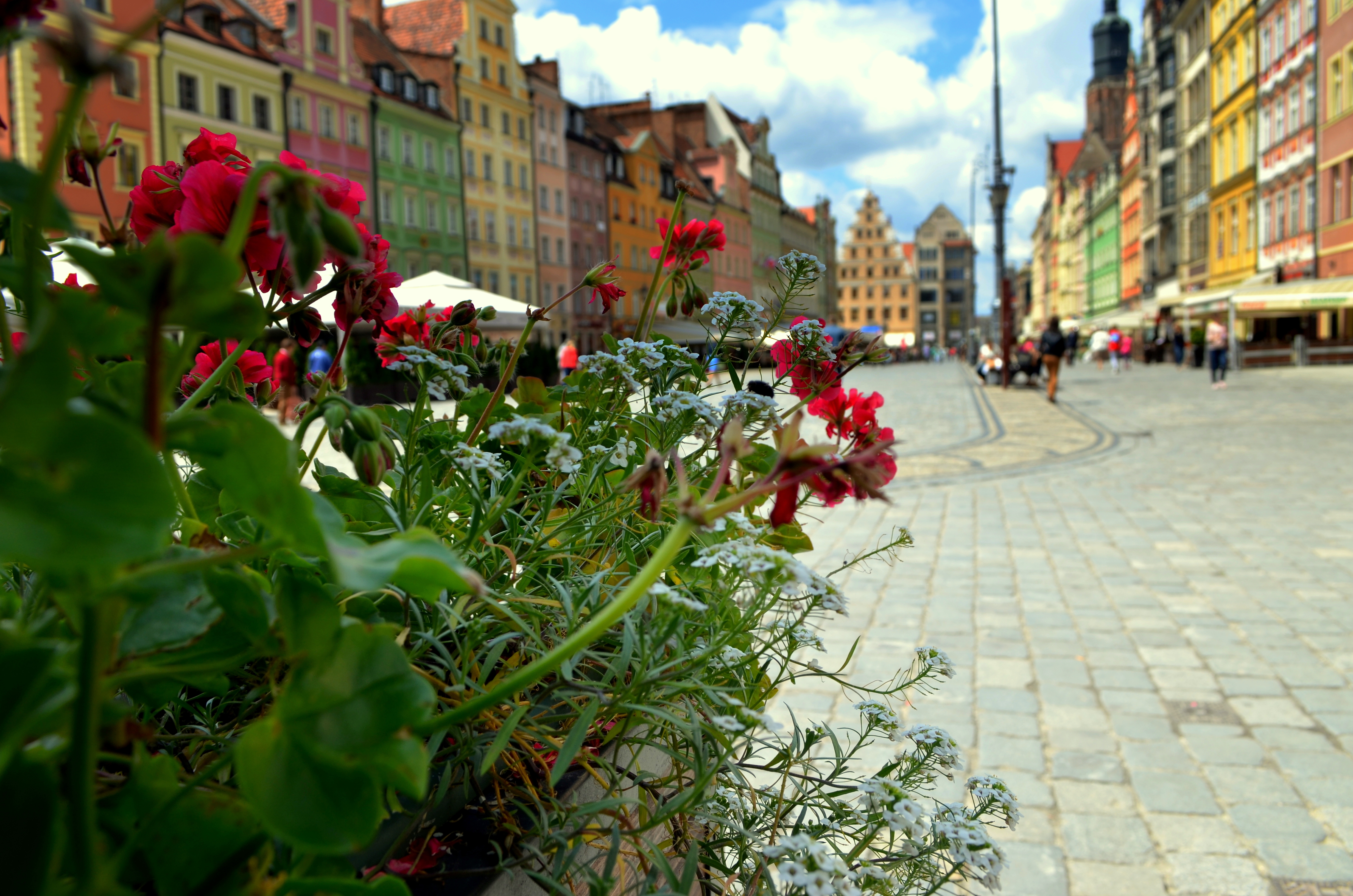
 We all, as backpackers, know way to well what daily budget means to us, and how essential is to stuck to it! We have to fallow the plan on accommodation prices, food,  transport and other pleasures. I can not say that you will find the cheapest hostels and, especially, hotels in Wrocław, city in Poland, but when it comes to meals…luckily we do offer few very good and very affordable restaurants. You can have a breakfast there from 2-3$ with a coffee, a soup for 2.5$ and a lunch/dinner starting at as little as 4$. And do not think it compares the quality of the food, because it really doesn’t. Food is home-made, traditional and simply delicious!! These restaurants are also very popular among students, that usually have a limited budged themselves. The only minus, I am afraid, is that the staff do not speak almost any English and that might be hard for travellers, but there is always someone around to help. Once you will master the task of getting an order, you just wont be disappointed. Here, I will write about top ten best and cheapest restaurants and some milk bars, as we call them, you can find in the city center in Wroclaw.

Miś Milk Bar (Bar Mleczny Miś)

Definitely my number one and all time favourite. I always dine there when possible and when in the city center area, and not because is very cheap there. Students favourite too and well popular in general in Wroclaw, offering anything from breakfast, lunch and dinner at lowest possible price with and old school vibe present all around. And, most importantly, all is well made and taste very good. Location is just perfect, right next to the University of Wroclaw and very close to the main square and town hall. Please trust me and pop in for a lunch! The only minus is that some dishes, like pierogi, go fast and after 14.00 it`s difficult to order them. Opening hours also may be a problem for travellers who like to eat late, otherwise nothing is stopping you! 

Address: ul. Kuźnicza 48, Wrocław
Opening hours: Mon–Fr: 8.00–18.00, Sat: 8.00–17.00

Examples of dishes and prices (English/Polish)

Soups
  • Broth: 6.50 PLN / 1.60 USD

  • Tomato soup: 7.20 PLN / 1.80 USD

  • Cabbage soup: 8.40 PLN / 2.10 USD

  • Pea soup: 10.20 PLN / 2.55 USD

  • Sour rye soup with sausage and egg: 10.20 PLN / 2.55 USD

  • Tripe: 10.20 PLN / 2.55 USD

Meat Dishes
  • Minced steak: 9.80 PLN / 2.45 USD

  • Meatballs in cream sauce: 12.70 PLN / 3.20 USD

  • Chicken breast in bread crumbs: 12.70 PLN / 3.20 USD

  • Pork goulash: 12.80 PLN / 3.25 USD

  • Cutlet de volaille: 13.40 PLN / 3.40 USD

  • Chicken nuggets: 13.40 PLN / 3.40 USD

  • Pork neck in sauce: 13.40 PLN / 3.40 USD

  • Pork pocket with mushrooms: 14.00 PLN / 3.55 USD

  • Pork chop XL: 18.20 PLN / 4.60 USD

  • Beef tartare with additions: 21.10 PLN / 5.35 USD

  • Hungarian meat cake: 26.20 PLN / 6.65 USD

  • Miruna fish (per 100g): 10.20 PLN / 2.55 USD

Dumplings, Pasta, Pancakes
  • Pancakes with cheese: 12.40 PLN / 3.15 USD

  • Russian dumplings: 13.10 PLN / 3.35 USD

  • Dumplings with spinach: 15.30 PLN / 3.90 USD

  • Dumplings with cabbage and mushrooms: 14.60 PLN / 3.70 USD

  • Dumplings with meat: 15.80 PLN / 4.05 USD

  • Spaghetti Bolognese: 23.40 PLN / 5.95 USD

  • Pasta with chicken: 23.40 PLN / 5.95 USD

  • Pasta with salmon: 26.20 PLN / 6.65 USD

Breakfasts
  • Scrambled eggs with butter: 3.36 PLN / 0.85 USD

  • Yellow cheese: 2.66 PLN / 0.67 USD

  • Bread roll: 1.63 PLN / 0.41 USD

  • Butter: 1.07 PLN / 0.27 USD

  • Jam: 0.80 PLN / 0.20 USD

  • Cottage cheese with cream and chives: 5.18 PLN / 1.31 USD

  • Boiled egg: 1.18 PLN / 0.30 USD

  • Compote: 0.89 PLN / 0.23 USD

The total cost of a breakfast set ranges from approximately 9.52 PLN to 9.95 PLN, which is about 2.41 USD to 2.52 USD. Let me know if you’d like me to update prices for another restaurant or dish!

Mis.jpgTu dla moich polskich braci moj ulubiony fragmet z Misia:

“Jedziecie do stolicy kraju kapitalistycznego, ktory to kraj ma byc moze tam i swoje plusy. Rozchodzi sie o to jednak zeby te plusy……nie przyslonily wam minusow”.


SWOJSKA CHATA BAR

Just opened recently, so does recently became one of my favourite. Highly recommended for tourists, students and “grandma`s kitchen” lovers”. You can find here pierogi, mash potatoes with meat, loads of salads, krokets and recently pizza. Its very close to the city center (main square). You just must to pop in!!!

Opening Hours
  • Main Location (Kazimierza Wielkiego 17):

    • Monday to Friday: 11:00 AM – 7:00 PM

    • Saturday: 11:30 AM – 4:30 PM

    • Sunday: Closed

  • Railway Station Location (ul. Piłsudskiego 105):

    • Monday to Saturday: 9:30 AM – 7:00 PM

    • Sunday: 10:00 AM – 7:00 PM

Examples of dishes and prices (English/Polish)
Breakfast Prices (PLN/USD)
  • Scrambled eggs with butter: 4.20 PLN / 1.05 USD

  • Bread roll with cheese: 3.50 PLN / 0.88 USD

  • Cottage cheese with chives: 5.80 PLN / 1.45 USD

  • Boiled egg: 1.50 PLN / 0.38 USD

  • Jam: 1.20 PLN / 0.30 USD

  • Compote: 1.00 PLN / 0.25 USD

Lunch/Dinner Prices (PLN/USD)
  • Traditional Polish dumplings (6 pieces): 9.50 PLN / 2.38 USD
  • Full main dinner (mashed potatoes, chicken breast, salad): 18.80 PLN / 4.70 USD
  • Soup of the day: 6.50 PLN / 1.63 USD
  • Meat dumplings: 11.50 PLN / 2.88 USD
  • Croquettes with cheese and mushrooms (2 pieces): 9.40 PLN / 2.35 USD
  • Salads (beetroot, cabbage, carrot): 3.50 PLN / 0.88 USD
  • Sweet pancakes: 4.50 PLN / 1.13 USD

 Mewa Milk Bar (Bar Mleczny Mewa)

Another milk bar very similar to Miś Milk Bar. Also in the city center area, just a bit further north. Prices and menu are very similar to Miś, so you can have a tasty, homemade, delicious meal at a very affordable price again. The big plus is that this place seems less busy than Miś, but also popular. Pierogi are served from 13.00 and are the most popular dish, so you need to pop in earlier to have a chance to get them.

Address: ul. Drobnera 4, Wrocław
Opening hours:

  • Monday to Friday: 9:00 AM – 6:00 PM

  • Saturday: 9:00 AM – 4:00 PM

Examples of dishes and prices (English/Polish)

Breakfast Prices (PLN/USD)
  • Scrambled eggs with butter: 3.43 PLN / 0.85 USD

  • Cottage cheese with chives: 3.68 PLN / 0.91 USD

  • Bread roll: 1.43 PLN / 0.35 USD

  • Butter: 0.61 PLN / 0.15 USD

  • Jam: 0.80 PLN / 0.20 USD

  • Cocoa with milk: 2.35 PLN / 0.58 USD

Lunch/Dinner Prices (PLN/USD)
  • Traditional Polish dumplings (6 pieces): 9.50 PLN / 2.38 USD

  • Soup of the day: 6.50 PLN / 1.63 USD

  • Pierogi with cabbage and mushrooms: 10.00 PLN / 2.50 USD

  • Pierogi with meat: 10.80 PLN / 2.70 USD

  • Hungarian meat cake: 18.00 PLN / 4.50 USD

  • Compote: 4.00 PLN / 1.00 USD


HOMEMADE Dumplings bar (PIEROGARNIA KUCHNIA DOMOWA)

Address: ul. Legnicka 23, Wrocław

Opening Hours
  • Monday to Friday: 10:00 AM – 7:00 PM

  • Saturday: 10:00 AM – 5:00 PM

  • Sunday: Closed

Breakfast Prices (PLN/USD)
  • Scrambled eggs with butter: 4.50 PLN / 1.13 USD

  • Cottage cheese with chives: 5.80 PLN / 1.45 USD

  • Bread roll: 2.00 PLN / 0.50 USD

  • Butter: 1.20 PLN / 0.30 USD

  • Jam: 1.50 PLN / 0.38 USD

  • Compote: 1.00 PLN / 0.25 USD

Lunch/Dinner Prices (PLN/USD)
  • Russian dumplings: 12.50 PLN / 3.13 USD

  • Meat dumplings: 14.50 PLN / 3.63 USD

  • Dumplings with spinach: 15.50 PLN / 3.88 USD

  • Hungarian meat cake with goulash: 26.00 PLN / 6.50 USD

  • Goulash with potatoes and salad: 18.90 PLN / 4.73 USD

  • Sweet pancakes: 10.00 PLN / 2.50 USD


Witek Bar (Bar Witek)

This bar offers a great traditional range of our old school PRL toasts – a typical Polish fast food during the communism time. It has been opened in 1979 and still serve one of the best and very cheesy toasts with mushrooms. Portions are very big and very filling.

Address: ul. Wita Stwosza 40/1a, Wrocław

Opening Hours
  • Monday to Friday: 9:30 AM – 7:00 PM

  • Saturday: 10:00 AM – 6:30 PM

  • Sunday: Closed

Breakfast Prices (PLN/USD)
  • Traditional toast with cheese and mushrooms: 9.50 PLN / 2.38 USD

  • Village-style toast with mushrooms, cheese, sausage, and onion: 11.20 PLN / 2.80 USD

  • Greek toast with olives: 11.40 PLN / 2.85 USD

  • Open-faced toasted cheese sandwich with mushrooms: 8.50 PLN / 2.13 USD

Lunch/Dinner Prices (PLN/USD)
  • Zapiekanka (Polish-style baguette pizza): 12.00 PLN / 3.00 USD

  • Mega Zapiekanka with double toppings: 15.00 PLN / 3.75 USD

  • Pepperoni toast: 10.50 PLN / 2.63 USD

  • Ham and cheese toastie: 9.80 PLN / 2.45 USD

Another amazing milk bar near the city center. This one is open a bit longer. You can find loads of tourists here, as its very close to the main train and bus station. Food is homemade and very traditional, however a bit more expensive than other milk bars like Miś or Mewa.

Address: ul. Kołłątaja 27/28, Wrocław

Opening Hours
  • Monday to Friday: 11:00 AM – 8:00 PM

  • Saturday: 11:00 AM – 7:00 PM

  • Sunday: Closed

Examples of dishes and prices (English/Polish)

Breakfast Prices (PLN/USD)
  • Scrambled eggs with butter: 4.00 PLN / 1.00 USD

  • Cottage cheese with chives: 5.50 PLN / 1.38 USD

  • Bread roll: 2.00 PLN / 0.50 USD

  • Butter: 1.20 PLN / 0.30 USD

  • Jam: 1.50 PLN / 0.38 USD

  • Compote: 1.00 PLN / 0.25 USD

Lunch/Dinner Prices (PLN/USD)
  • Russian dumplings: 15.00 PLN / 3.75 USD
  • Meat dumplings: 17.00 PLN / 4.25 USD
  • Dumplings with spinach: 16.50 PLN / 4.13 USD
  • Pancakes with cheese or apples: 13.00 PLN / 3.25 USD
  • Full lunch (meat, potatoes, salad): 20.00 PLN / 5.00 USD

 Lepione Restaurant (Restauracja Lepione)

There is no way I will not think about Lepione (old Bazylia restaurant) without remembering my time at university. This buffet style restaurant is located inside one of the law department buildings, where I studied. I can’t say the food is top mach, but I love the fact that its cheap, you can fill your plate with everything you like, and you pay the same price of 0.90$ (1.20 zł) per 100g. I used to eat there after my lectures, exams, alone, with friends or family. The other thing about this place is location and surrounded stunning architecture you can enjoy while eating.

Address: ul. Kuźnicza 42, Wrocław 
Opening hours: everyday: 12.00–23.00

Examples of dishes and prices (English/Polish)

This is a buffet style restaurant where you add to the plate anything you like and pay for 100g. You will find there anything from traditional dumplings, salads, fish, chicken, goulash to Chinese chicken with bamboo. Price is 5 zł, that’s 1.33$, for 100g.

Promotions

Discounts after 5:00 PM, with prices dropping by 15%, 25%, or even 50% depending on the time.


Karmazyn Bar (Bar Karmazyn)

This amazing bar is located in one of the biggest indoor markets in Wroclaw, called Hala Targowa, so after a very tasty traditional, homemade meal you can have a look around.

Address: ul. Piaskowa 17, Wrocław

  • Monday to Friday: 9:00 AM – 6:30 PM

  • Saturday: 9:00 AM – 5:30 PM

  • Sunday: Closed

Examples of dishes and prices (English/Polish)

Breakfast Prices (PLN/USD)
  • Scrambled eggs with butter: 4.50 PLN / 1.13 USD

  • Cottage cheese with chives: 5.80 PLN / 1.45 USD

  • Bread roll: 2.00 PLN / 0.50 USD

  • Butter: 1.20 PLN / 0.30 USD

  • Jam: 1.50 PLN / 0.38 USD

  • Compote: 1.00 PLN / 0.25 USD

Lunch/Dinner Prices (PLN/USD)
  • Soup of the day: 13.00 PLN / 3.25 USD

  • Tomato soup: 13.00 PLN / 3.25 USD

  • Sour rye soup: 13.50 PLN / 3.38 USD

  • Meat dumplings (8 pieces): 24.00 PLN / 6.00 USD

  • Russian dumplings (8 pieces): 21.00 PLN / 5.25 USD

  • Pork chop with potatoes and salad: 35.50 PLN / 8.88 USD

  • Hungarian meat cake: 35.00 PLN / 8.75 USD


Pink Cow Milk Bar

Here are some example prices for Różowa Krowa Bar Mleczny in Wrocław:

Różowa Krowa Bar Mleczny is located at Świdnicka 36, Wrocław. Here are the opening hours:

  • Monday to Friday: 9:00 AM – 6:00 PM

  • Saturday: 9:00 AM – 5:00 PM

  • Sunday: Closed

Prices:
  • Soups: Starting from 7.50 PLN / 1.88 USD
  • Pierogi (dumplings): Around 18.00 PLN / 4.50 USD for a portion of 7 pieces
  • Main dishes: Prices range from 18.50 PLN / 4.63 USD to 22.00 PLN / 5.50 USD
  • Pancakes: Approximately 12.00 PLN / 3.00 USD for 2 pieces
  • Compote: 3.50 PLN / 0.88 USD

“Argentina has the waterfalls but Brazil has the balcony”. Choosing a gateway to see Iguazu Falls from Paraguay/Brazil/Argentina

  Wouldn’t come as a surprise to anyone, who visited South America or planning to, the fact that Iguazu Falls are the most known waterfalls on this continent. Going even further, one of the most impressive in the rest of the world, as they can easily and proudly be competitive with Niagara Falls. Having seen “Latino” one, I can confidently say that Iguazu stands out and outshines as way more incredible. They are taller than Canadian one, twice as wide, and are one of the greatest natural wonders of the world, with the area around marked as the UNESCO World Heritage. Iguazu Falls (Portuguese: Cataratas do Iguaçu, Spanish: Cataratas del Iguazú, Tupi: Y Ûasu “big water”) are situated near the border of Brazil, Paraguay and Argentina. Water falls of the Iguazu River that rises near the city of Curitiba, on the border of the Argentinian province of Misiones and the Brazilian state of Paraná. The river, for most of its course, flows through Brazil, however, most of the falls are on the Argentinian side. They creates a natural water border between these countries, and they are the largest waterfall system in the world (275 waterfalls). The falls divide the river into the upper and lower Iguazu. Below its confluence with the San Antonio River, that forms the boundary between Argentina and Brazil. Falls are set among National Parks, which consist of subtropical rain-forests that are home to hundreds of rare and endangered species of flora and fauna.

  The falls are very well known to every backpacker traveling through the continent or just around Brazil, Argentina or Paraguay, marking a very important dot on their map. There are two most popular gateways to discover these absolutely magnificent, violent and impressively big waters. First one is a Brazilian city called Foz do Iguaçu. Second, Argentinian town named Puerto Iguazú. Close by Ciudad del Este, in Paraguay, that is separated from Brazilian town just by the bridge named Puente de la Amistad (Friendship Bridge), creates also an easy way to reach our destination. I have seen all three of them, so If you’re in a rush and can pick just one location, you may want to have a look at some comparisons below. I will also write briefly about Argentinian and Brazilian side of the waterfalls to help you pick one, if you can not see both, which in my opinion is ideal, but not always a case for everyone.

Iguazu falls from Brazilian side

  • Three possible ways to experience the falls: from the top (but only from the side), from the bottom (Devil’s Throat, please take a waterproof jacket!) and by boat.
  • You can book a helicopter ride (only available on the Brazilian side) that cost around 100$.
  • This side offers a bus service connecting the falls with other activities. That service runs from the entrance to the end of the park every 10 minutes in both directions.
  • You’ll get to see the entire panorama of cascades, and this view cannot be duplicated on the Argentinian side.
  • Better Viewpoints, but really only a couple different of them.
  • Really cool bird park just outside the gates of the Brazilian National Park entrance.
  • As of a smaller area of the park, can be done in half of the day.
  • Entrance ticket is cheaper.

Iguazu falls from Argentinian side

  • Iguazú National Park is much bigger than its Brazilian counterpart, with more trails to walk along, and some that lead you right into the open water. You’ll need at least a full day (or two) to see it all and walk all of its trails.
  • Boat trips available too.
  • The Garganta del Diablo, bridge above the falls, literally swallows you up as you walk towards the end. It is probably the most impressive viewpoint where you appreciate the absolute power of the falls. The bridge extends all the way to the edge of the falls, as tons of water plunge aggressively into the far distance.
  • Available zip line.
  • You can get right on top of the waterfall, not exactly possible on Brazilian side.
  • On the Argentinian side of the park, there’s a small train leaving about every half an hour from near the entrance, going all the way to the beginning of the trail to the Garganta del Diablo.
  • There are many more options on the Argentinian side, and that is the side where you would want to spend more time.
  • 20% falling on to the Brazilian side and an impressive 80% in Argentina

The biggest difference, in my opinion, between Argentina and Brazil was that in Argentina you can see falls from right of the top, giving you the impression of standing on them. In Brazil, however, you have the impression of standing kind of under the waterfalls. Two totally different thing that are possible only on each side. Very difficult to compare.

Foz do Iguaçu (city in Brazil)

Pluses

  • Foz do Iguaçu is a city, and that gives you the opportunity to stuck up on anything you may be missing.
  • The prices around are not to high, and probably close by Ciudad del Este participate in this fact too.
  • There are few big discount shops around for a budget backpackers. Cheap street food stand can be easily found all around.
  • Bus, that goes to the falls, is located in the city center, very close to the big bus station.
  • Zoo to visit.
  • More hotels, restaurants and other amenities.
  • Not as touristic as Puerto Iguazú.

Minuses

  • Foz do Iguaçu is probably the worst city, I have stayed in while traveling around South America.
  • Main bus station, that connect cities (arriving from Florianopolis for example), is located far away from the center, which makes it difficult to just walk to your accommodation
  • Not many things to do around.
  • Not the friendliest people, I have met.

Puerto Iguazú (town in Argentina)

Pluses

  • Pleasant, safe, quiet and cute little town, so It is easy to find your way around.
  • Closest to Argentinian side of the falls.
  • Loads of travelers around to meet.
  • People seems more friendly than on Brazilian side.

Minuses

  • Very expensive prices, as generally in Argentina.
  • Not many cash machines around, and some do not accept your cards.
  • Nothing really to do in the town.
  • Expensive restaurants, set for tourists.

Ciudad del Este (city in Paraguay)

Pluses

  • Very cheap to stay in, eat out, everything really.
  • Easy access to Foz do Iguaçu, just by crossing the bridge from where you can catch a bus to the falls. Taxi is cheap to take too.
  • Very crowded streets, full of trading locals which give you the opportunity to discover the daily life and environment around Paraguayan people that live there.
  • Experiencing amazing, very lively vibrant city, a bit of a smuggling one, with busy streets packed with loads of stands. Well known for its cheap electronic equipment.
  • Markets rich of fruits and vegetables at very low prices.
  • Loads of cheap street food stands where you can grab a lunch for as little as 1$.
  • Extremely cheap accommodation.
  • Atmosphere on the streets.
  • Least touristic one on our list.
  • Very friendly people, very chatty, helpful, easy to interact with, more open to travelers.
  • Definitely one of my favorite places in South America.

Minuses

  • The only minus, I found, is an extra time you need to get to Foz de Iguazu to catch a bus to the falls. Having said that, you can get a taxi at a very cheap price to take you to the bus stop in Brazil.

Verdict

Of course, I will leave the choice to you. However, if I had to visit it not having much time, I would stop in Paraguay (Ciudad del Este), and from there I would travel to the Argentinian side to see it. For whats it worth, whatever side you will pick, you will be blown away by the magnificent diverse nature of the area and the beauty of this violently falling waters.

Day tour around Sofia

  Everyone of us, or at least most, do some itinerary before traveling. Its is always a significant question on the length of stay in each place, especially for a first-time visitors.  Capitals, as usually the biggest cites in the country, are no estrange to that doubt. Many of them in Europe vary from Barcelona, where you can stay for weeks, to smaller ones, where you can discover the place in just even less than few days, and feel satisfy. Good internet research always help to plan your trip better. And here I come with my blog post to answer that questions about one capital in Europe.


So where are we this time? Sophia, a capital of Bulgaria, a magnificent, and massively underrated (!), country, with stunning mountain range Vitosha, that is a volcanic mountain massif on the outskirts of the capital, visible literally all around from the city. Vitosha is one of the symbols of this city and the closest site for hiking and skiing. However, when it comes to Sofia, and as much as I loved Bulgaria myself, I can not say that capital itself offers a lot. One day is all you need to discover the place. I would even suggest going to see Rila Monastery in the morning and do the sight-seen after. All could be done in one day. Most of the major attractions are very close by, almost all located on one street. If you are staying in the city center area, you can start your tour from Ancient Complex Serdica, site situated just above the Serdika metro station, that displays the remains of the Roman city.


There is also a History Museum to see. Just 2 mins away you can see a Rotonda st. George, The Church of St George is an Early Christian red brick rotunda that is considered the oldest building in Sofia.

Now heading forward on pl. Knyaz Aleksandar, you can visit Ethnographic Museum (showcasing folk costumes & regional art & artifacts) and Russian Church. A bit further, on a left hand side, you can visit a stunning Alexander Nevski Cathedral. Built in Neo-Byzantine style serves as the cathedral church of the Patriarch of Bulgaria, and it is one of the largest Eastern Orthodox cathedrals in the world, as well as one of the symbols of the Sofia and a primary tourist attraction. Heading more towards Crystal Palace, you can see on the way a building of a National Assembly.


Close by National Stadium, called Vasil Levski, could be an a attraction too, but to be honest, can be skipped. At the end I would suggest adding a National Palace of Culture, but its located a bit far away. However, can be easily reached by trolley line 1,2,5,8 and 9 just from the Crystal Palace.

This is a main itinerary for Sophia city center. Please keep in your mind that Rila Monastery is a must see place too, so if you want to spend one day around capital, please do add an extra day to see this stunning monastery hidden in a mountains.

That newly old capital, Skopje as Ive seen

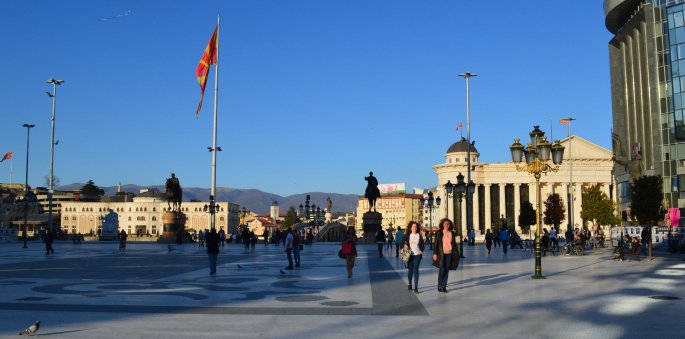
 The stream of thoughts can probably come to loads of first time “Skopje arrivers”. I guess I was one of them. This small-sized capital of Macedonia creates an easy and quick access to the city center, so the surrounding architecture can be noticed right away. You may be experiencing thinking that you haven’t seen quiet a capital like this before. What history did not leave, you can always bring back, or can you really? The design of, so called, project Skopje 2014 completely transformed the way city center looks like today. There are loads of stories, loads of reasons behind this “clearly original” change. Big budget got involved too. And there is that sour question at the end: who is this really for? Tourists, as in the first place? It’s not a secret that it is one of the fastest growing industry. How about the locals? How do they find them self around? Maybe a show off, or the way to stand out to bust the tourism. You really have to get to the bottom of all this. The path trough, almost baroque kitsch like drooping richness in a country with not so great economy, may leave you with loads of questions.

 This, once plain, maze of Europe became a place for many neo-classic buildings and bridges along the river. Perhaps too white and too clean structures may turn out way too difficult to help you to get the vibe of past-time travel. Yet, you can’t really say they are not impressive. Shall we be grateful Macedonia is showing us how newly done acropolis possibly looked like for Greeks back in the days? Perhaps. Could be a plus. It can be left only for an individual opinion. But the feeling of fakery is still a bit present. The project has two main aims: to draw in more tourists and to try to reclaim aspects of the country’s history from neighborhood Greece, appealing to the patriotism of many ethnic Macedonians. Walking by the rich bronze statues full of bridges definitely wont make your head to turn away. You gladly will take your camera to photograph the things around. You will see, you will capture and then you will start to think. How? I do not see any problem investing in tourism. I do adore Moroccan king for doing so. And so do Moroccans, as I spoke with many of them. Yet, the King do it differently. He want to keep the culture present, but just making the country more accessible, safe and inviting. But here we have a bit different situation.

We are discussing a country  where 21.5% of the population live below poverty line with minimal wage at 231 Euros. Macedonia is also very vulnerable to economic developments in Europe, with a strong banking and trade ties and dependent on regional integration and progress toward EU membership for continued economic growth. And yet, on another hand we have a government spending loads of public founds. It been known that cost lay somewhere between €200-€500m (depending on who you talk to) and may have resulted in drop in minimal wage. Than we have a beautiful new buildings and statues. Quiet two opposite situations that divided the nations. The project, known as Skopje 2014, instigated by prime minister Nikola Gruevski, is just as questionable and arguably as diverse as it was when first announced.

  Many Macedonians are questioning the scheme’s vast public expense – not to mention its aesthetic qualities. We have also this sticky problem of complete ignorance towards a very large Muslim community, religion and culture that, sadly, did not get to participate in the project. I visited Skopje in March 2017. Being around city center area for few days, I witness anti-government demonstrations on a daily base. Thought, peaceful, yet shouting for attention a lot.  But there’s no doubting it has put the city on the tourist map. 

  Foreign visitors used to come to Skopje primarily to wander around the beautiful Old Bazaar district, with its alleys, mosques and old hilltop fort. But now they can go in less than five minutes from drinking a Turkish coffee among people and architecture that wouldn’t be out-of-place in a traditional city of the Middle East, to being surrounded by faux-classical European architecture and imagery. Maybe not a bad thing. Diversity. Something for us. 

 So where this all bring us, tourist, the recipients of the project? I hope very close to Skopje. You have to remember that it is one of the most amazing countries in Europe, with magnificent landscape, mountain ranges, canyons (Matka Canyon) and lakes. All that comes at a very affordable price. Public transport is good and very cheap. People are very friendly and possible to interact to in English. Food is absolutely a heaven with a kebab to die for! So yes! Whether the project of 2014 worked or not, we will have to leave it for individual opinion. I think even for the one who are not so keen on it, Macedonia will not be disappointing in any single way. I absolutely loved my time in this Balkan country. I’ve met loads of warm people, and I saw a beauty of the landscape. I am satisfy, happy and richer than the newly build Skopje surrounded architecture.